

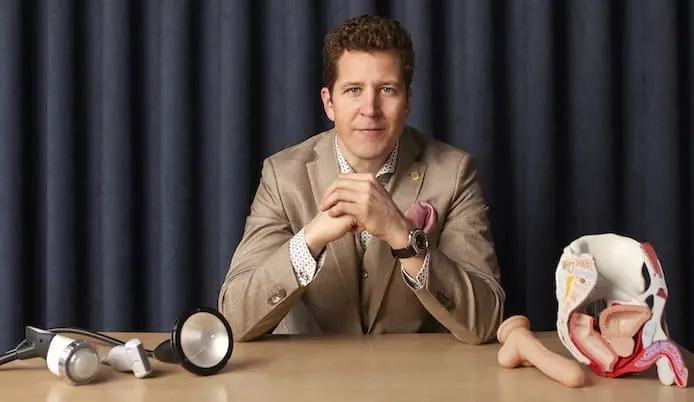
Written and medically reviewed by Michael Strøm
International speaker & expert in shockwave and EMTT treatment for erectile dysfunction, Peyronie’s & CPPS. Read more about me
Prostate and ejaculation: understand the body, relieve anxiety and get help
In this article
- Prostate and ejaculation – what’s the connection?
- How the prostate and ejaculation work
- Signs, symptoms and what they can mean
- Causes – from muscle tension to medication
- My approach: confident diagnostics and targeted treatment
- What you can do today
- Typical questions about prostate and ejaculation
- Next steps – get calm and in control of your body
Prostate and ejaculation – what’s the connection?
When men contact me with erectile dysfunction, pelvic pain or changes in their ejaculation, “prostate” almost always comes up as a concern. I understand that. The prostate and ejaculation are closely linked, and even small changes can feel big – both in the body and in the mind. My goal is to give you knowledge that puts your mind at ease, as well as a concrete path to treatment if something doesn’t feel right.
The prostate (bladder neck gland) produces a significant part of the seminal fluid and helps “pump” the semen out during ejaculation. Therefore, pain, weak ejaculation, altered semen volume and problems with orgasm can all be related to how the prostate, pelvic floor and nerves function. With me, you’ll get a down-to-earth, evidence-based review of your symptoms – and a planned program that addresses the causes so you can regain control with confidence.
How the prostate and ejaculation work
Anatomy at eye level
The prostate is a gland that lies just below the bladder and surrounds the urethra. It produces fluid that mixes with sperm from the testicles and fluid from the seminal vesicles. The result is semen. The smooth muscle of the prostate contracts during ejaculation and helps send the semen out through the urethra. The sphincter muscle at the bladder closes to prevent semen from running backwards, while the pelvic floor muscles control force and rhythm. Nerves from the pudendal nerve, among others, provide the “signal” that coordinates the whole process. When this system is working well, ejaculation is experienced as powerful, painless and controllable.
What happens during ejaculation?
- The nervous system controls timing and sensitivity and triggers the reflex itself.
- The prostate and seminal vesicles supply the fluid and empty rhythmically.
- The pelvic floor muscles, especially the bulbospongiosus, “shoot” the sperm out in pulses.
- The internal sphincter at the bladder closes so that sperm doesn’t flow backwards.
If one part is overactive, tense, painful or inhibited, you may experience pain, a dull stream, delayed ejaculation, “dry orgasm”, after-drip or sperm running backwards to the bladder (retrograde ejaculation). My job is to find exactly where the chain breaks – and fix it.
Pelvic floor and pudendal nerve
The pudendal nerve supplies large parts of the penis and pelvic floor. Chronic pelvic pain syndrome (CPPS), which is a persistent pain and tension condition, or irritation of the pudendal nerve can affect erection, sensitivity and ejaculation. An overactive pelvic floor can cause burning, pressure, urgency and pain during or after ejaculation. I often see that the muscles are on “alert” even when you think you’re relaxing. Here I help you get the muscles to let go, normalize nerve sensitivity and regain a natural, pain-free rhythm of ejaculation.
Signs, symptoms and what they can mean
Pain during ejaculation
Pain during or after ejaculation is common – and often treatable. It can be caused by:
- CPPS and pelvic floor muscle tension
- Prostatitis (inflammation of the prostate, often without bacteria)
- Irritation around the pudendal nerve
- Peyronie’s disease (scar tissue in the shaft of the penis) which can make ejaculation and erection painful
The timing of the pain often tells us something about the cause: Pain just before ejaculation often points to muscle tension, while pain after ejaculation can point to irritated tissues or seminal vesicles. I assess the pattern of your pain, your other symptoms and your pelvic floor function to target treatment – and I give you concrete strategies that provide relief here and now.
Altered semen volume, consistency or color
Semen volume often decreases with age and can vary with fluid balance, frequency of ejaculation and medication. Thinner, clearer or clumpier ejaculations are not dangerous in themselves, but sudden and persistent changes should be investigated. Yellow/green color can indicate infection, while brownish color can be old blood. If you experience dry ejaculations or very low volume, I also look at timing, pelvic floor pressure phase and whether the bladder sphincter is working properly.
Blood in the semen (hematospermia)
Blood in semen looks dramatic, but is usually harmless. It can occur after rough sex, prolonged abstinence, infection or after an examination/procedure. Recurrence, accompanying pain, fever or new urinary tract problems should be investigated further. I can help you decide if it’s something you can wait and see or if you should get additional tests from your GP.
Problems ejaculating: delayed, weak or absent
- Delayed ejaculation: You need a long time or intense stimulation. It can be related to nervous conditions, medication (e.g. SSRIs), muscle tension or performance pressure.
- Anejaculation: Failure to ejaculate even though you reach orgasm – or failure to orgasm. It can be neurological, drug-related or muscular.
- Retrograde ejaculation: Semen flows into the bladder, typically due to failure of the sphincter muscle at the bladder. This can be seen with certain medications or after surgery.
I first clarify whether the problem is primarily mechanical (pelvic floor/prostate), neurological, medication-related or psychosexual – and plan treatment accordingly.
Premature ejaculation (premature ejaculation)
Premature ejaculation is common and often taboo. Nerve sensitivity, pelvic floor tension, expectation pressure and communication all play a role. A combination of training, relaxation, neuromodulation and specific techniques can make a significant difference. I’ll teach you simple, effective ways to prolong pleasure without it becoming a battle against your body.
After-drip and incontinence related to ejaculation
Some experience dribbling after ejaculation, a weak stream or a feeling of “incomplete” emptying. This can stem from pelvic floor coordination, irritable bladder neck or an enlarged prostate. I’ll go through techniques to empty the urethra completely (a gentle “milking” along the shaft and proper timing of pelvic floor release) so you have better control and comfort.
Erectile dysfunction and orgasm without sperm
It is possible to have an orgasm without visible ejaculation. Erectile dysfunction, nerve conditions and certain treatments can alter the ejaculate. It’s not necessarily dangerous – but it’s important to understand why so I can treat it properly. The goal is to improve erection, pleasure and control so that sex feels safe and satisfying again.
Causes – from muscle tension to medication
CPPS and overactive pelvic floor
In chronic pelvic pain, the muscles are often on “high alert”. This causes pressing, burning or shooting pain and can distort the ejaculatory reflex. I work systematically to normalize tension levels, improve circulation and calm the overreaction of the nervous system. Typically, you’ll experience more calm tissue, less pain after ejaculation and a more powerful, controlled ejaculation.
Peyronie’s disease
Scar tissue in the tunica albuginea can cause curvature, pain and erections that feel fragile. In addition to penis-related symptoms, I often see altered ejaculatory sensation. Treatment with focused shockwave, EMTT and targeted exercise therapy can relieve pain and improve function. I guide you confidently through the process, adjusting the load and keeping you optimistic along the way.
Drugs and hormones
Several medications can affect the prostate and ejaculation:
- Alpha blockers (e.g. for enlarged prostate) can cause retrograde or weak ejaculation.
- 5-alpha reductase inhibitors (finasteride/dutasteride) can reduce sperm volume and desire.
- SSRI/SNRIs can delay or inhibit orgasm/ejaculation.
- Opioids and certain antihypertensives can also play a role.
If you experience any changes after starting medication, I’ll go through it with you – and I’ll make a management plan so you know exactly what the next step is. If necessary, I’ll guide you in talking to your doctor about possible medication alternatives. I also look at hormonal conditions such as low desire and energy that can indirectly affect ejaculation.
Enlarged prostate (BPH) and age
With age, the prostate often grows. This can cause frequent urination, weak stream and dribbling – and affect ejaculation. It is rarely dangerous, but can be bothersome. A functional assessment of the bladder-pelvic floor interaction can ease the symptoms significantly. I’ll show you how to create better flow, less irritation and more peace of mind.
Infection and inflammation
Urinary tract infection, prostatitis and sexually transmitted infections can cause pain, blood in the semen and altered ejaculation. Typical signs are burning, fever, change in smell/color and new urinary symptoms. I look for patterns in your medical history and findings – and guide you to relevant tests via your GP if indicated.
Nervous system and stress
Stress, lack of sleep and worry exacerbate both pain and performance pressure. It can make triggering unpredictable or painful. I use a calm, systematic approach where we dampen the “alarm state” in the nervous system so you can feel desire, control and confidence in your body again.
My approach: confident diagnostics and targeted treatment
I work with men’s intimate health every day. The process is respectful, discreet and structured – and I meet you without prejudice.
Conversation and surveys
- Thorough conversation about symptoms, sexual habits, medication and goals
- Functional examination of pelvic floor and nerve sensitivity
- Ultrasound scan of relevant structures to assess tissue, circulation and any changes
- Standardized forms for erection quality, pain and ejaculation
If there are signs of infection, pronounced prostate enlargement or hormonal conditions, I advise you to talk to your doctor about relevant tests (e.g. urine test, PSA blood test for a prostate protein, STI test or hormones). The goal is to use the right tests – not as many as possible.
Focused shockwave therapy
Shockwave increases blood flow, affects tissue quality and can reduce pain. I use it for erectile dysfunction, Peyronie’s disease and selected cases of chronic pelvic pain where the goal is better function and less pain during ejaculation. The treatment is short-term and I adjust the intensity and frequency according to your sensitivity and goals.
EMTT Magnetolith- electromagnetic transduction therapy
EMTT affects cellular energy metabolism and can contribute to calmer tissue and faster recovery. For some men with CPPS or irritation around the pudendal nerve, EMTT can be an effective supplement. I combine EMTT with exercises and graduated loading to anchor the effect in your everyday life.
Neuromodulation and nerve relaxation
Gentle neuromodulation can “turn down” overactive pain pathways and normalize the ejaculatory reflex. I use gentle electrical stimulation, touch-based techniques and breathing protocols to help bring the nervous system back into balance.
Pelvic floor training and relaxation
It’s not just about “squeezing” – it’s about being able to tense up and release. Many people with pain or premature/delayed ejaculation benefit from learning the right timing, coordination and relaxation. I use biofeedback principles, specific exercises and home programs so you can feel progress from week to week.
Sexual counseling and performance peace of mind
I work in a safe space with your relationship with desire, excitement and expectations. Simple techniques can improve control, pleasure and communication – alone or with a partner. The focus is practical: what works for you, here and now, so that prostate and ejaculation are not negative thoughts.
Lifestyle, sleep and recovery
Sleep, alcohol, caffeine, exercise and stress control hormone balance, nerve sensitivity and muscle tone. Small, realistic changes can make a big difference to prostate and ejaculation. I’ll help you with a plan that fits your life – not the other way around.
What you can do today
- Warm and breathable pants/underpants can reduce pelvic tension.
- 10 minutes of calm breathing daily – lower your shoulders, release your stomach, release your pelvic floor.
- Limit prolonged sitting. Get up every 45-60 minutes.
- Adjust masturbation technique and pace. Give your body time, avoid hard grip and hustle.
- Use lube during sex to reduce friction and irritation.
- Hold back on excessive coffee/alcohol if you have irritable bladder or after-drip.
- Make a note of when the symptoms are at their worst – this helps me target the treatment.
Typical questions about prostate and ejaculation
Is it dangerous to have pain during ejaculation?
Usually not – but it is a signal. Often it’s muscle tension, CPPS or irritation that can be treated. I’ll assess whether there are signs of infection or something that requires further investigation, and I’ll give you specific advice to reduce the pain immediately.
Can you have an orgasm without sperm – and vice versa?
Yes, you can. Orgasm and ejaculation are related but separate processes. You may have a “dry orgasm” (e.g. retrograde ejaculation) or ejaculation without a clear sense of orgasm with certain nerve or tension conditions. I’ll uncover why and help you get your pleasure back.
What about blood in the semen?
Often harmless and transient. In case of recurrence, pain, fever or new urination problems, you should contact me for assessment and possibly talk to your doctor about additional tests. My approach is calm and thorough – without unnecessary alarm.
Can medication cause ejaculation problems?
Yes, you can. SSRIs, alpha-blockers and 5-alpha-reductase inhibitors are typical examples. I’ll review your medication list and help you with strategies – and I’ll guide you to talk to your doctor about possible alternatives if appropriate.
Is frequent ejaculation “good for the prostate”?
Some studies suggest that more frequent ejaculation is associated with a lower risk of certain prostate conditions. It’s not a treatment in itself, but regular sexual activity can be part of a healthy, well-functioning system. I’ll help you find a balance that fits your body and your life.
I’ve had prostate surgery – what can I expect?
After certain procedures, it is normal to lack ejaculate and experience altered orgasm. I help optimize your pelvic floor, nerve function and sexual techniques to maximize pleasure and control. Together we ensure that expectations are realistic – and that you get the best possible quality of life out of your situation.
Next steps – get calm and in control of your body
You don’t have to worry about prostate and ejaculation alone. I offer a safe, targeted assessment and a course of treatment that takes into account both the body and the mind. My clinic in Copenhagen helps men from all over Zealand and the rest of the country – discreetly, respectfully and effectively.
If you are experiencing pain, altered ejaculation, problems with erection or uncertainty about your prostate, get in touch. Let’s get clarity, a plan and concrete results. When you understand your body, it’s easier to take back control – and enjoy your sex life without pain and worry.
If you are interested in hearing more about how I can help you, you are always welcome to contact me by phone 41 40 08 58 or email michael@msinsight.dk. I’ll get back to you quickly with a customized proposal so we can find the best way forward together.
Would you like a specialist assessment of your situation?
You don’t have to figure it out alone. Call directly or write a few lines about your symptoms – I’ll get back to you within 12-24 hours with a concrete suggestion for the next step.