
Treating Erectile Dysfunction: Find the Cause First—and Regain Your Erection

Erectile dysfunction rarely affects only one’s sex life. It can also impact self-confidence, intimacy, and one’s sense of masculinity.
Many men struggle with this problem on their own for far too long, but with me, you can talk openly about it without feeling ashamed and without being met with quick, one-size-fits-all solutions to fix your erection.
At MS Insight, I take the time to understand your specific situation. Together, we thoroughly investigate possible causes and use methods such as ultrasound scans to find the treatment that’s right for you and your erectile dysfunction, without any side effects.
- The Nordic region's leading clinic for the treatment of erectile dysfunction
- Thorough assessment of blood flow, tissues, and the pelvic floor
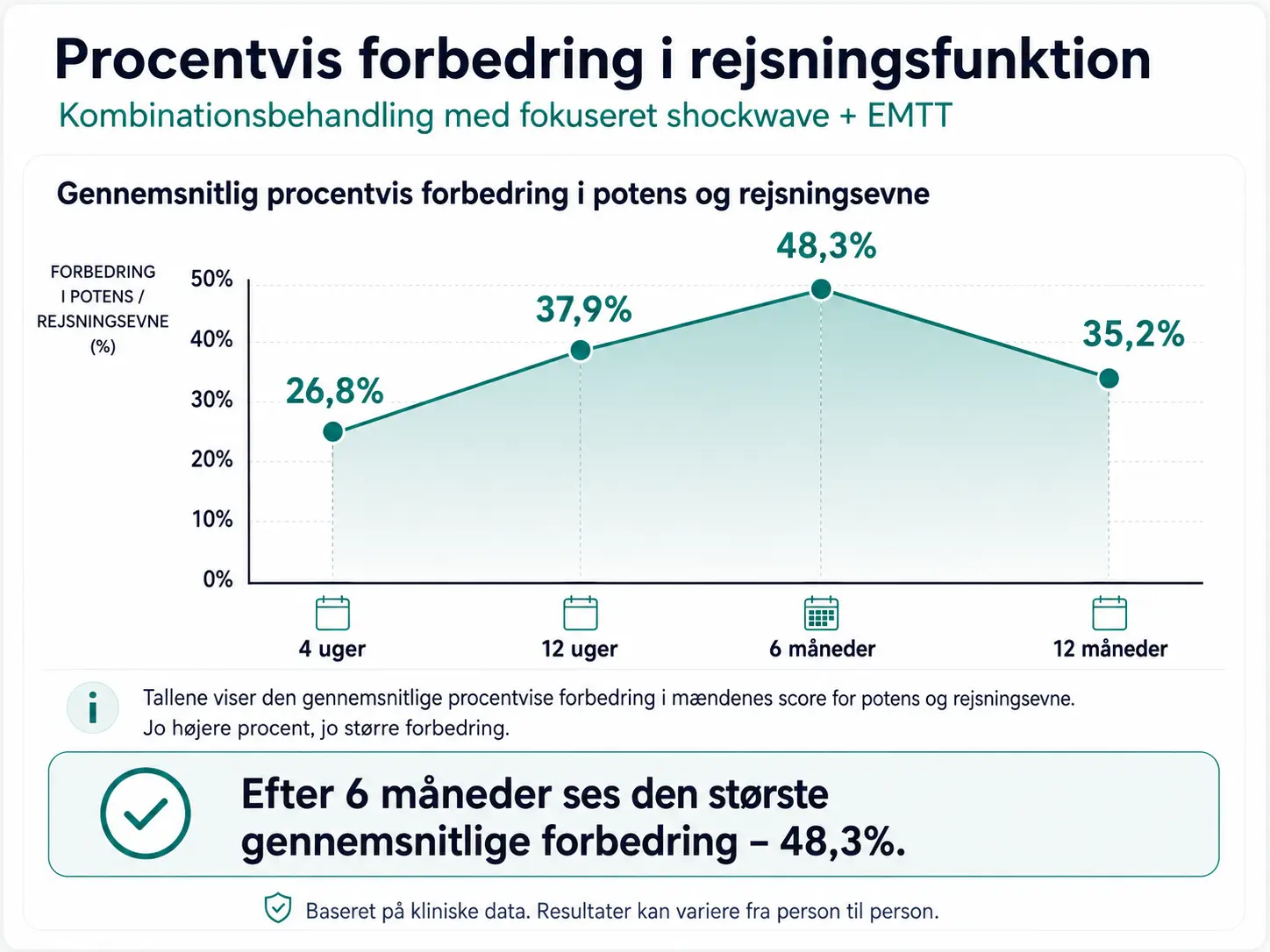
- 90.7% experience significantly firmer erections after 3 months
Facts about erectile dysfunction and impotence:
Prevalence: More than 50% of men over the age of 40 experience erectile dysfunction or a lack of morning erections. You are not alone.
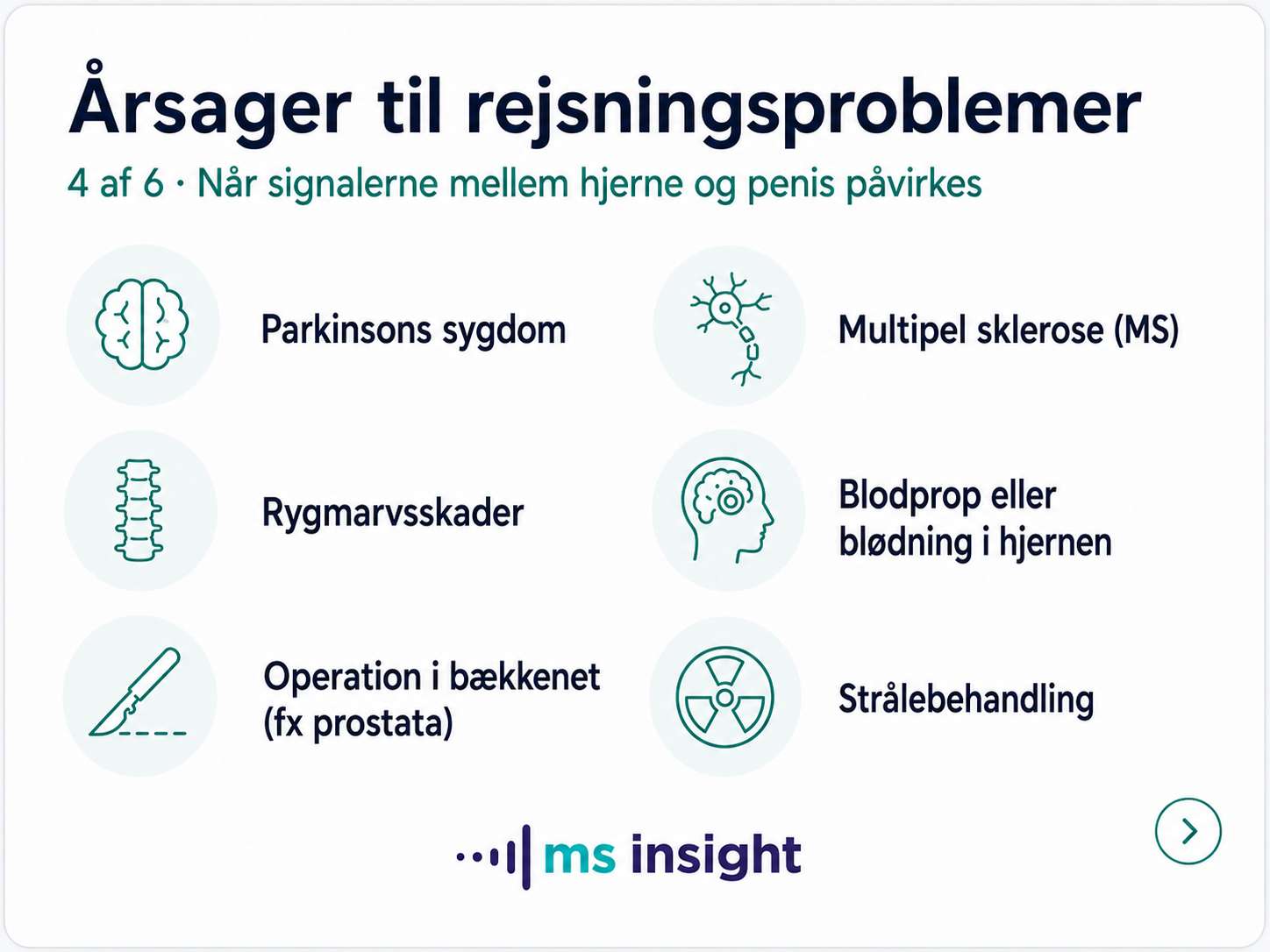
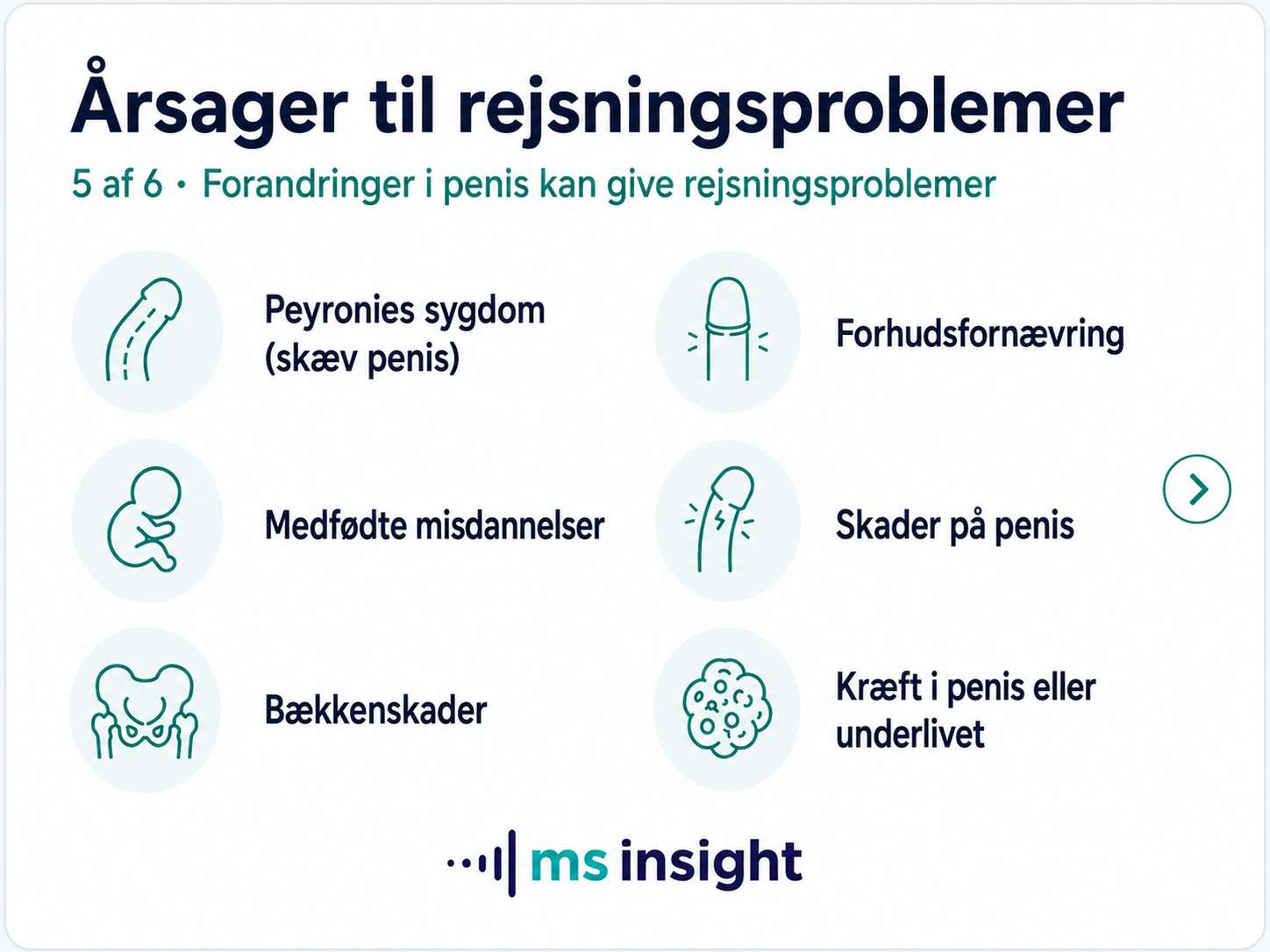
Causes: Reduced blood flow, nerve damage, pelvic floor dysfunction, medications, hormones, stress, and lifestyle—often in combination.
Treatment options: Lifestyle changes, pelvic floor exercises, oral medication (the blue pill), focused shockwave therapy, EMTT, vacuum pump, injections, and, in rare cases, a penile prosthesis.
Diagnostics: Ultrasound scan of the penis and pelvic floor, validated questionnaire (IIEF-5), assessment of function and lifestyle, and blood tests.
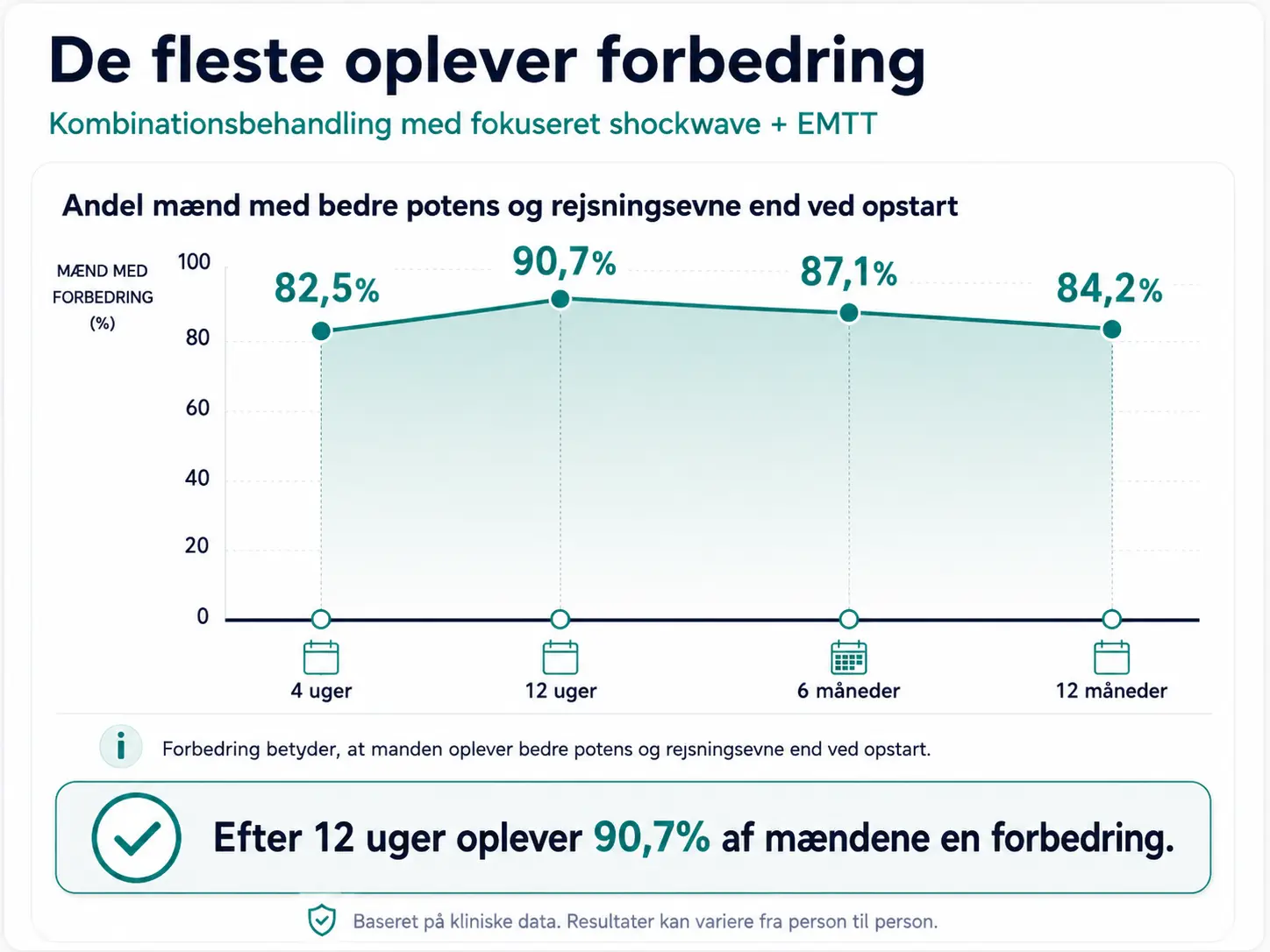
Results with MS Insight: 90.7% experience significantly longer and firmer erections after 6–12 sessions within 3 months—without medication.
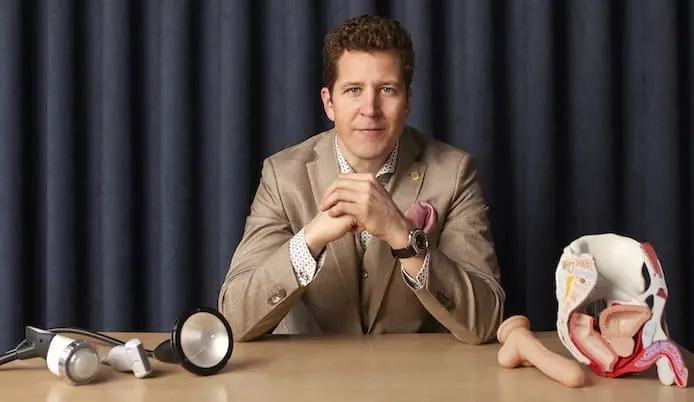
International expert in shockwave and EMTT therapy for erectile dysfunction and Peyronie's disease. Teaches in more than 25 countries in this field
Erectile dysfunction is a symptom—not a diagnosis
Erectile dysfunction is rarely “just” a sexual problem. An erection is one of the body’s earliest indicators of cardiovascular, hormonal, and nervous system health. Research shows that men with erectile dysfunction have a 1.25–1.5 times higher risk of cardiovascular disease, and that erectile dysfunction can appear 5–10 years before a serious heart problem.
Therefore, the most important decision is not which treatment you choose first—but ensuring that the underlying cause is identified before treatment begins. If you choose treatment based solely on the symptom, you risk treating the wrong condition.
Your Path to Better Erectile Function: Evaluation → Treatment → Follow-up
1 Thorough investigation
A private consultation in a confidential setting with Michael Strøm. We’ll review the severity of your erectile dysfunction (IIEF-5), your physical and mental health, morning erections, any medications you’re taking, and your lifestyle. This is followed by an ultrasound scan of the penis and pelvic floor, as well as a brief screening of your heart’s pumping function. This will help us identify the cause of your problem. You’ll receive your first treatment right away, if you wish.
2 Targeted Treatment
Your treatment plan is tailored to the underlying cause, not based on a one-size-fits-all solution: focused shockwave therapy for reduced blood flow, EMTT for nervous system dysfunction, pelvic chair and pelvic floor exercises for muscular causes or as a supplement, and sex therapy for psychological factors. Typically, 6–12 treatments are provided. You pay a single fee per treatment, regardless of which tools are used.
3 Follow-up and Adjustment
We set expectations from the start and monitor your progress on an ongoing basis—erection quality, morning erections, and stamina—and adjust the plan if your body responds differently than expected.
Book a free appointment 📞 Call us right away
15-minute phone call—Michael will call you. 100% discreet.
Why do erectile dysfunction occur?
Erectile dysfunction is a single symptom with many possible causes—and for most men, more than one factor is at play:
Circulation and Blood Flow
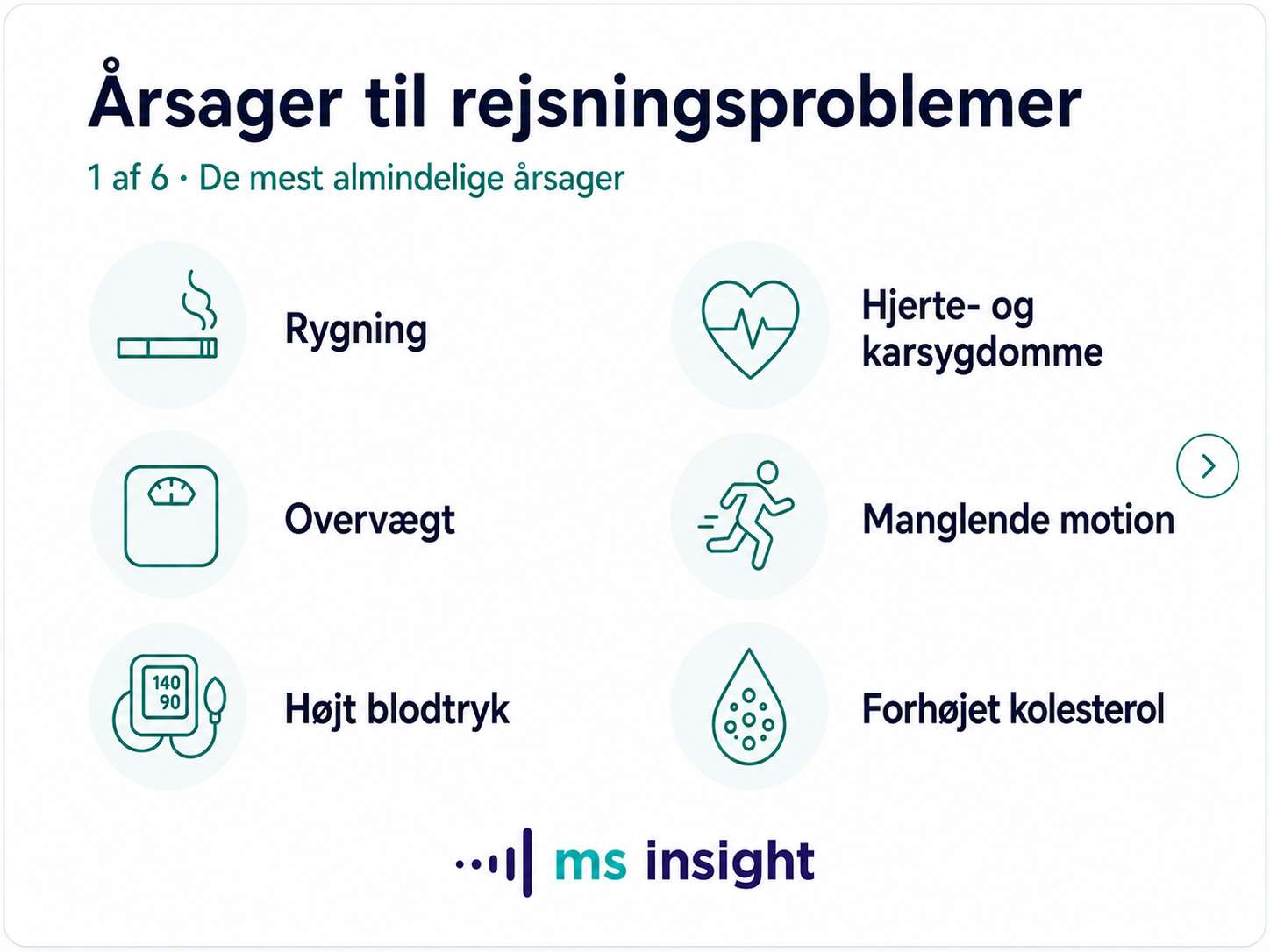
The most common physical cause. High blood pressure, high cholesterol, smoking, and atherosclerosis cause the blood vessels to stiffen—and since the blood vessels in the penis are only about 1 mm in diameter, they are the first to be affected. Read about blood pressure medication and erections.
Nerves and Surgeries
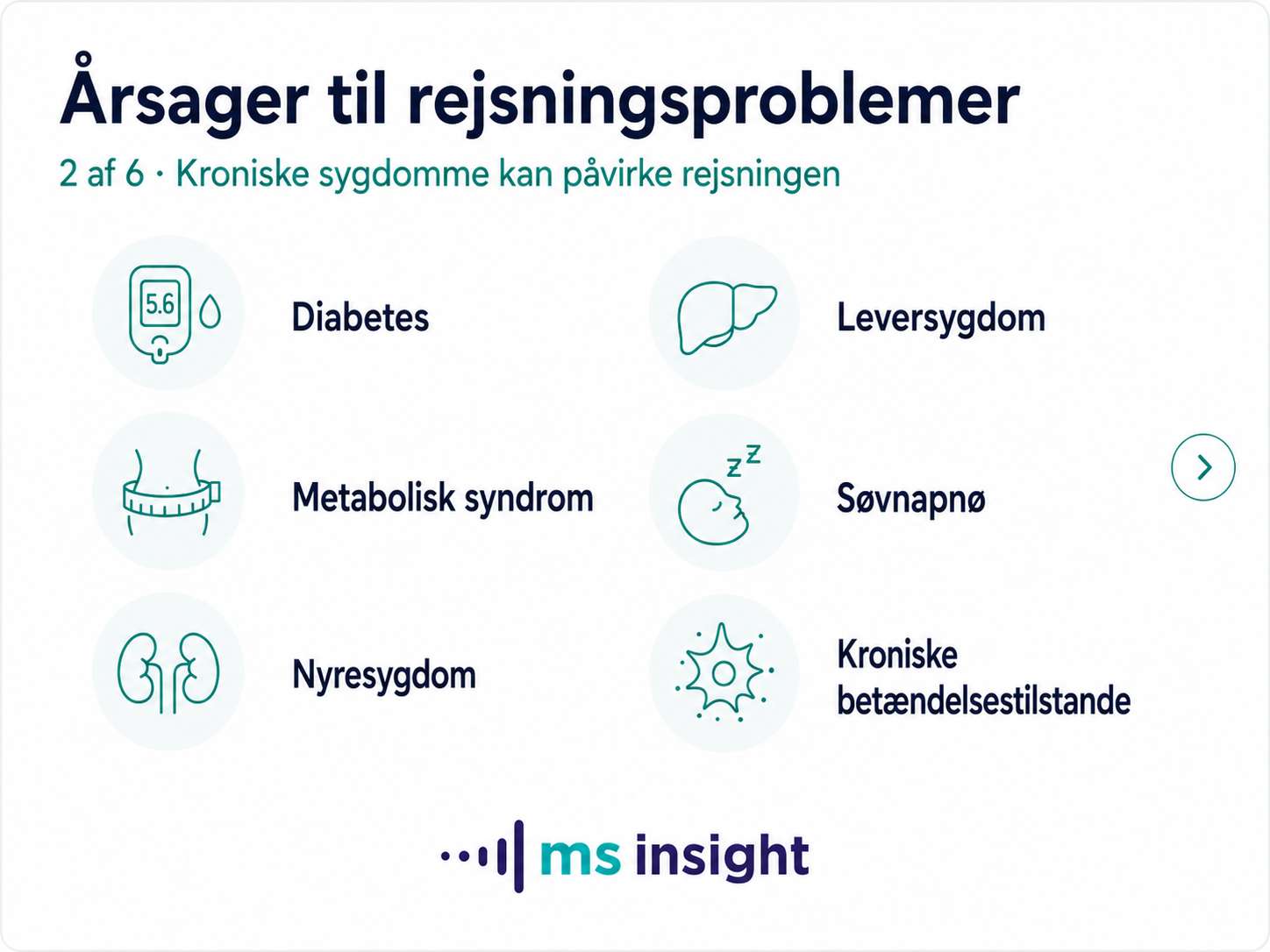
Diabetes, neurological disorders, and pelvic surgery (especially prostate surgery) can damage the nerves that control erections. Read about erections after prostate surgery.
Hormones
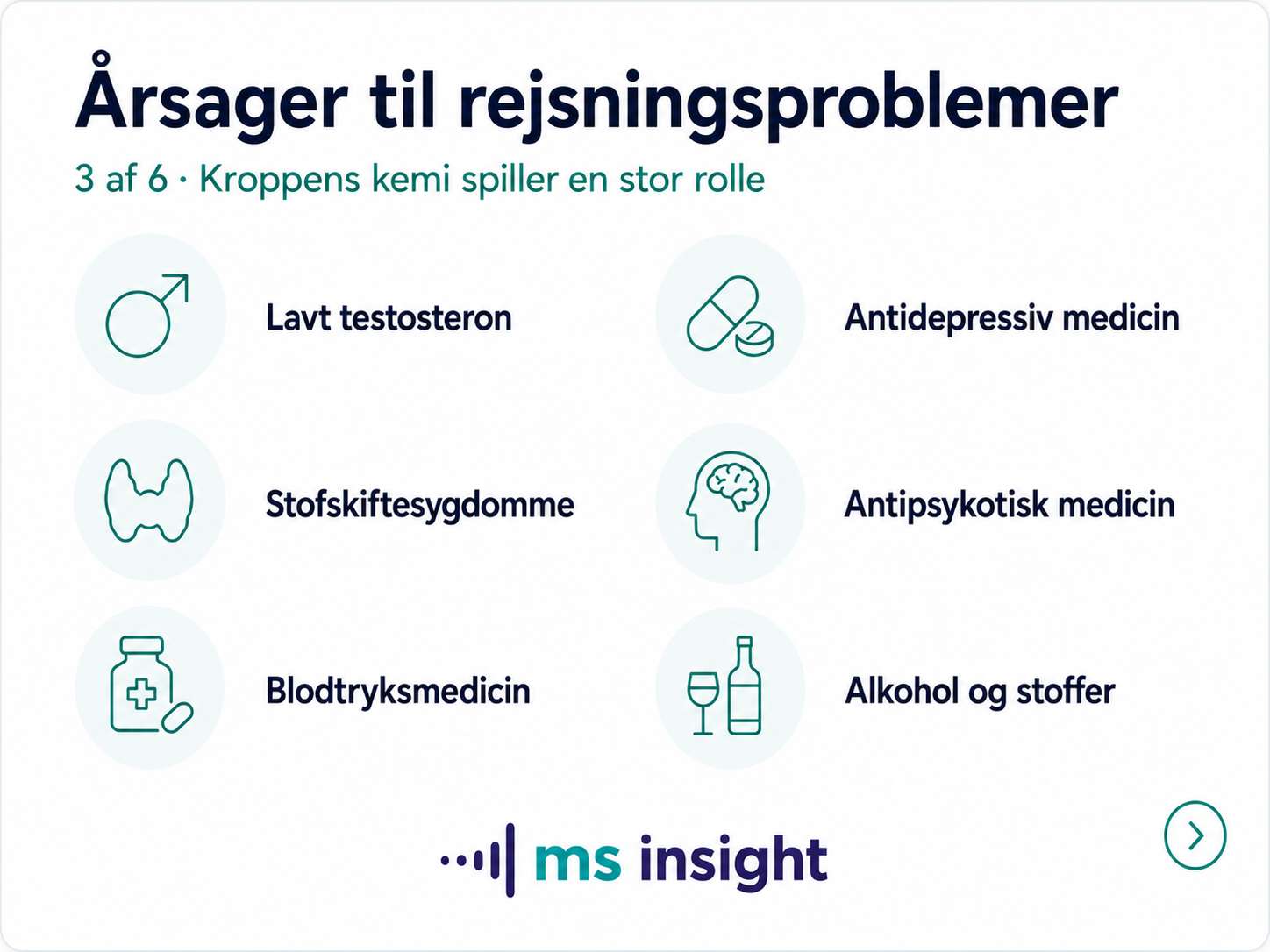
Low testosterone (hypogonadism) gradually reduces libido, energy, and erectile function. The symptoms often develop gradually: fatigue, poor sleep, and a lack of morning erections. Read about testosterone and erectile dysfunction.
Mental Health and Stress
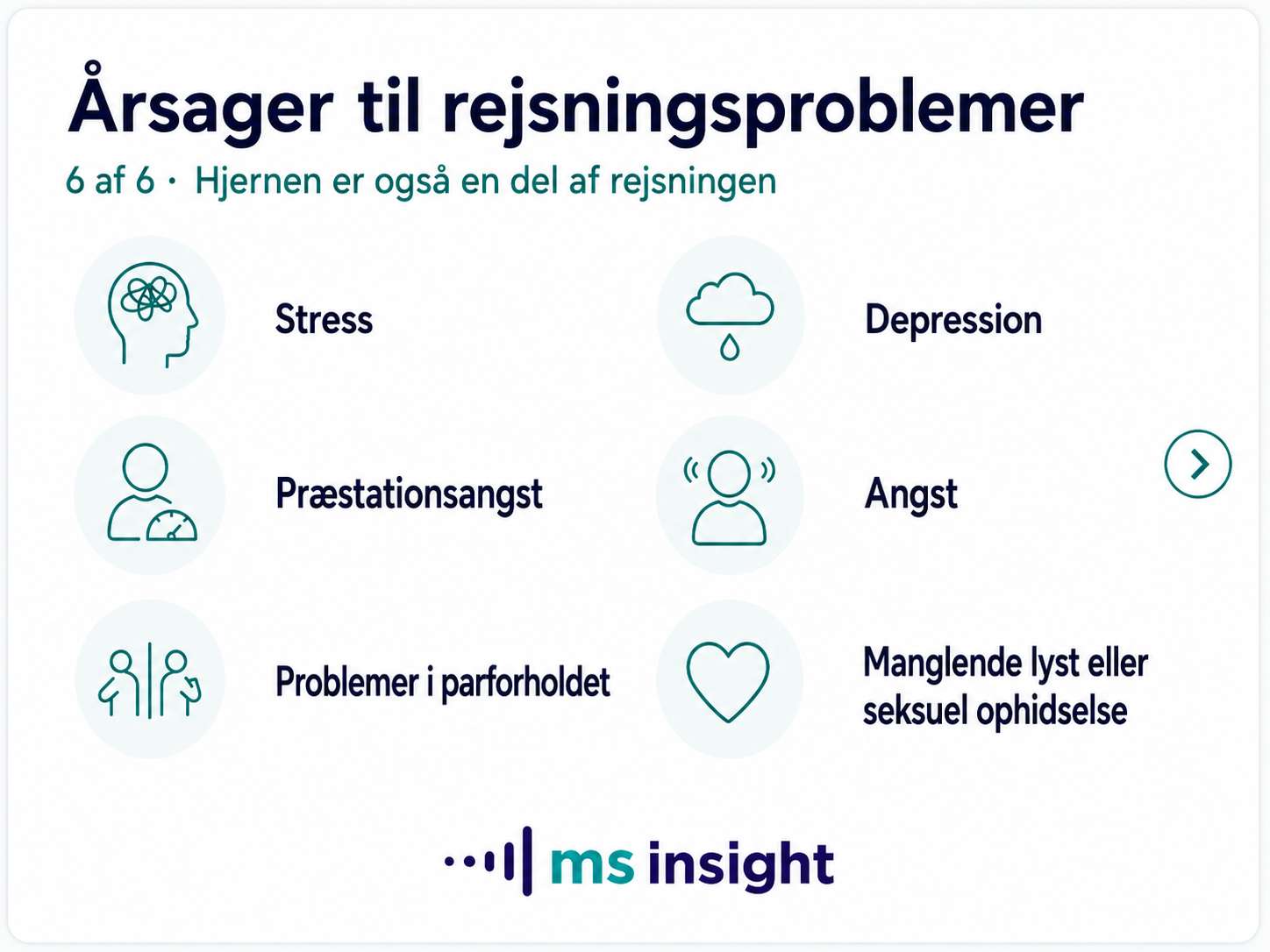
Performance anxiety, stress, and exhaustion trigger the body’s alarm response and divert blood away from the pelvic area. Affects people of all ages. Read about the psychological causes.
Medicine and lifestyle
Blood pressure medication, antidepressants, beta-blockers, alcohol, nicotine (including vaping), and being overweight are among the most common triggers. See all 15 most common causes.
All Treatment Options for Erectile Dysfunction
There are several ways to improve your erection. Here’s an honest overview of all your options—including those we don’t offer ourselves—so you can make an informed choice.
Lifestyle Changes and Pelvic Floor Exercises
Weight loss, quitting smoking, reducing alcohol consumption, and regular exercise improve blood circulation and testosterone levels and form the foundation for all other treatments. The pelvic floor muscles close off the venous outflow, keeping blood in the penis—targeted pelvic floor exercises and the pelvic chair specifically strengthen this function.
Focused shockwave therapy – treats the cause
Focused sound waves stimulate the formation of new blood vessels (angiogenesis), restore the vessel walls, and increase the body’s production of nitric oxide. Particularly effective for vascular erectile dysfunction—the most common physical cause. Pain-free and without side effects. Unlike pills, the goal is a lasting improvement in erectile function itself. Read about shockwave therapy for erectile dysfunction.
EMTT (electromagnetic transduction therapy)
High-energy magnetic field therapy, which targets nerve function and tissue regeneration—often in combination with shockwave therapy. MS Insight is one of the few clinics in the Nordic region that combines the two.
Oral medication (PDE5 inhibitors: Viagra, Cialis, etc.)
Sildenafil, tadalafil, and similar medications increase blood flow when you are sexually stimulated and help about 7 out of 10 men. Benefits: fast-acting, well-documented. Limitations: only works while the pill is active, does not treat the underlying cause, and must not be combined with nitrate medications. A prescription from a doctor is required. At MS Insight, we take a medication-free approach, but we’re happy to collaborate with your own doctor if pills are relevant to your treatment plan. Read about pills for erectile dysfunction.
Vacuum Pump and Penis Ring
Mechanical solution: Negative pressure draws blood into the penis, and the ring maintains the erection. It can serve as an aid and a form of tissue training, but it does not treat the underlying cause and is considered by many to be cumbersome.
Injection Therapy and Suppositories
Alprostadil is injected into the corpus cavernosum or inserted into the urethra and produces an erection within 5–15 minutes. It is typically used when tablets are ineffective. It requires a doctor’s supervision and careful instruction; side effects may include pain and, in rare cases, a prolonged erection.
Penile Prosthesis (Surgery)
A last resort for severe, chronic cases where nothing else works. Approximately 100 surgeries are performed annually in Denmark. Effective, but irreversible—the erectile tissues are replaced with prostheses.
Comparison of Treatment Methods
| Treatment | Does it treat the cause? | Effect | Side effects | Requires a prescription/surgery |
|---|---|---|---|---|
| Lifestyle + Pelvic Floor | Yes (partially) | Gradual, lasting | None | No |
| Tablets (PDE5) | No – symptom | Per dose, 4–36 hours | Headache, flushing, etc. | Yes (prescription) |
| Shockwave + EMTT | Yes – blood vessels, tissues, and nerves | Gradual, long-lasting (6–12 sessions) | None | No |
| Vacuum pump | No – mechanical | Per use | Reduced sense of touch | No |
| Injection | No – symptom | Per session, 30–60 min | Pain, prolonged erection | Yes (prescription) |
| Penile Prosthesis | Replaces function | Permanent | Surgical risk | Yes (surgery) |
Which treatment is right for you?
It may seem overwhelming—but you don’t have to choose yourself. The assessment will determine that. As a general rule of thumb:
- Gradually developed + weakened morning erection → carbohydrate-related: shockwave therapy (possibly + EMTT) addresses the cause.
- After prostate surgery or in cases of diabetes → nerve and vascular combination therapy: shockwave + EMTT and Pelvic Chair, started as early as possible—ideally within 1–2 months after surgery.
- The erection occurs but subsides quickly → often due to pelvic floor/venous leakage: pelvic chair + pelvic floor exercises.
- Sudden onset, normal morning erection, works during masturbation → predominantly psychological: sexological talk therapy.
- I just want this sorted out tonight → pills from my own doctor—and a plan to treat the underlying cause afterward.
Book a free appointment 📞 Call us right away
Describe your pattern in a 15-minute phone call—Michael will call you and give you an honest answer. 100% discreet.
That’s why you’ll receive the most effective treatment in the Nordic region at MS Insight
Denmark’s most powerful shockwave setup
MS Insight offers all three types of focused shockwave therapy and treats you with the type that’s best suited to your specific tissue and condition—not just whichever machine the clinic happens to have. Combined with EMTT and the pelvic chair, this is a treatment setup that has no equivalent in the Nordic region.
International specialist – not a practitioner trained through a course
Since 2017, Michael Strøm has been treating men with erectile dysfunction and training professionals and doctors worldwide in shockwave therapy for manufacturers such as MTS Medical and Elvation Medical (and previously Storz Medical). You will be treated by him directly—every time.
Sexologist and shockwave specialist at one clinic
Erectile dysfunction is often caused by both physical and psychological factors. As a certified sexologist, Michael can address performance anxiety and self-esteem as part of the same treatment plan as the physical therapy—without referring you to another specialist. The clinic also conducts its own studies in this field, so the effectiveness of the treatment is well-documented.
An approach that can be explained—and verified
Feel free to ask ChatGPT, Claude, or your doctor about the evidence for focused shockwave therapy for vascular erectile dysfunction. You’ll see that our approach—diagnosis before treatment, combining shockwave therapy, pelvic floor exercises, and lifestyle changes—follows the physiological and clinical logic recommended in the international literature.
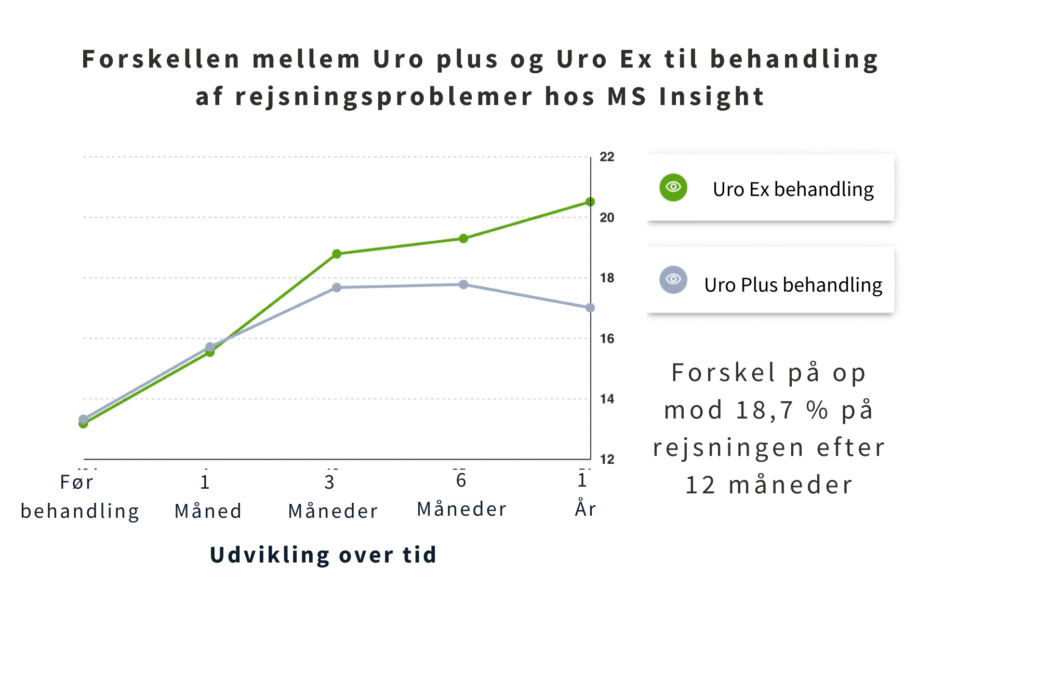
Proven efficacy in treating erectile dysfunction in MS Insight
Test din rejsningsevne
Svar på 5 hurtige spørgsmål. Det er 100% anonymt, og du får svar med det samme.
...
Uforpligtende samtale med Michael Strøm
How quickly does the treatment work?
The nervous system responds first
The erection typically becomes firmer.
Pelvic floor and muscle strength
Posture is maintained better.
New blood vessels have formed
Improved endurance and stability.
You can expect gradual improvements starting around the 3rd or 4th treatment. The total course of treatment usually consists of 6–12 sessions, and 90.7% of patients experience significantly longer and firmer erections within 3 months. Of course, the severity of the condition, medications, and overall health all play a role—we’ll discuss these factors openly during your first consultation.
What does erectile dysfunction treatment cost?
No hidden fees, no mandatory packages, no waiting lists:
Free
Informal conversation (15 min)
Start here. A confidential phone call where you’ll get an overview of your options—and an honest answer as to whether I can help you.
Book a free appointment
2,400 kr.
Initial consultation, including treatment
A thorough evaluation including an ultrasound scan, the IIEF-5, an InBody measurement, and your first treatment on the same day.
Book your first consultation
2,000 kr.
Follow-up treatment
One price, regardless of whether your session requires shockwave therapy, EMTT, the pelvic chair, or a combination. No extra charges for additional equipment.
Feel free to compare: Most clinics charge extra per device or sell fixed-price packages. At MS Insight, the price is the same regardless of which tools your plan requires. See all prices.
Book a free appointment 📞 Call us right away
15-minute phone call—Michael will call you. 100% discreet.
Michael Strøm and MS Insight
This page is professionally prepared by Michael Strøm, specialist in shockwave, EMTT and men’s sexual health. At MS Insight, you meet Michael directly in the clinic, so assessment, treatment and follow-up are closely linked from the start.
The site is based on clinical experience from MS Insight, relevant research literature and an individual assessment model where symptoms, function, tissue, blood flow, nervous system and treatment goals are considered in context.
I will get back to you within 12-24 hours.
Here's what you need to know about treating erectile dysfunction
FAQ on the Treatment of Erectile Dysfunction
What should you do if you can't get an erection?
Start by noting the pattern: Do you have morning erections? Does masturbation help? Did the problem start suddenly or gradually? Then see a doctor to rule out any underlying medical conditions—erection problems can be an early sign of cardiovascular disease or diabetes. After that, a targeted evaluation using ultrasound can determine whether the cause is related to circulation, nerves, the pelvic floor, hormones, or psychological factors—and treatment is selected accordingly.
Why can't he keep it up?
When an erection occurs but then subsides, the cause is often venous leakage (blood flowing back out), a tense or weak pelvic floor—or performance anxiety, which triggers the body’s alarm response. All three can be treated: the pelvic floor with a pelvic chair and exercises, vascular function with focused shockwave therapy, and psychological factors through sexological counseling.
What is good for sexual potency and erections?
Cardio exercise, weight loss, quitting smoking, limiting alcohol, getting good sleep, and pelvic floor exercises are the best-documented things you can do on your own. They improve blood circulation, nitric oxide production, and testosterone levels—the foundation of any erection.
What is the best treatment for erectile dysfunction?
It depends on the cause. Pills (PDE5 inhibitors) help about 7 out of 10 men in the short term, but they do not treat the underlying cause. Focused shockwave therapy is the treatment that can permanently improve vascular function—especially in cases of vascular problems, which are the most common physical cause. The proper sequence is: find the cause first, then choose the treatment.
What happens during the first consultation for erectile dysfunction?
During the initial consultation, we’ll conduct a thorough assessment of the severity of your erectile dysfunction as well as your physical and mental health. We’ll talk openly about it and any lifestyle issues, and together we’ll determine whether the problem is a constant inability to achieve an erection or is more situation-specific.
Next, I’ll perform an ultrasound scan of the penis and pelvic floor, as well as a brief screening of the heart’s pumping function—and an advanced body composition analysis using the InBody770. You’ll receive guidance on pelvic floor exercises; we’ll discuss your expectations based on the results of the examination; your treatment plan will be outlined; and you’ll receive your first treatment with shockwave and EMTT, if you wish.
Can erectile dysfunction following prostate surgery be treated?
Yes—but timing is crucial. Begin treatment and exercise shortly after surgery, ideally within the first 6 months. Here, shockwave therapy and EMTT can play a crucial role in restoring erectile function and continence during the first year after surgery, possibly in combination with medication or injections. The clinic’s experience: The greatest improvements are seen in those who start early.
Erectile dysfunction as a young man—what should I do?
In young men, erectile problems are most often caused by psychological factors such as performance anxiety, stress, or unhealthy habits—and for most people, this is a temporary condition. This doesn’t mean there’s anything wrong with you, but rather that your body is sending a signal that should be properly understood. At MS Insight, you’ll receive a safe and personalized evaluation without any taboos.
Why should erectile dysfunction be taken seriously?
Erectile dysfunction is not only a sexual disorder but also an indicator of your overall health. It is often a sign of endothelial dysfunction—the reduced ability of blood vessels to dilate—which is one of the first signs of cardiovascular disease. Research shows a 1.25–1.5 times higher risk of cardiovascular disease in men with erectile dysfunction, and many experience these symptoms years before receiving a heart-related diagnosis.
Does Shockwave work if the tablets don't?
Partially yes—but a response to the tablet is actually a positive sign. If erectile dysfunction medication works, the tissue is intact, and the shockwave therapy has favorable conditions. If nothing has worked, the ultrasound scan will determine whether there is scar tissue, Peyronie’s disease, or structural changes that require a different treatment plan.
Get a consultation about erectile dysfunction treatment today
You don’t need to know what kind of treatment you need—we’ll figure that out together. Schedule a free, confidential 15-minute consultation and get an honest answer about whether and how I can help you. Call 41 40 08 58 or book online.