
Written and medically reviewed by Michael Strøm
International speaker & expert in shockwave and EMTT treatment for erectile dysfunction, Peyronie’s & CPPS. Read more about me
Pelvic pain in men: understand the causes and get a plan that works
In this article
- What is pelvic pain – and why does it occur?
- Common causes of pelvic pain in men
- Erectile dysfunction and pelvic pain – how are they related?
- My approach: thorough assessment and a plan that’s right for you
- Pelvic pain treatment: evidence-based and targeted
- What can you do now?
- When should you seek emergency help?
- Frequently asked questions about pelvic pain
- This is how a course with me works
- Next step – take the first step towards less pain and more control
What is pelvic pain – and why does it occur?
When you feel pain in the pelvis, between the pubic bone and tailbone, perineum, scrotum, penis, groin or lower abdomen/back, I call it pelvic pain. In men, I often see that the pain is related to pelvic floor disorder, nerve irritation or prolonged tension, but it can also be related to the bladder, prostate, bowel, hips or back.
Pelvic pain can be sharp, burning, grinding or stabbing. It can come in waves, be triggered by certain activities (cycling, sex, urination, sitting) or be constant. Whatever the pattern, the starting point is the same: you need to be taken seriously and there are solutions that can reduce the pain and restore your function. I’ll help you calm your body, understand the connections and take back control – step by step.
Typical symptoms I encounter
- Pain in the perineum, around the anus or tailbone
- Pressure or burning sensation in the penis or urethra
- Pain in the scrotum, testicles or groin
- Discomfort when urinating, frequent urge to pee or after-drip
- Pain during or after sex, during erection or ejaculation
- Erectile dysfunction(erectile dysfunction ) or difficulty staying erect
- Pain radiating to the hip, inner thigh or lower back
- Feeling of “sitting on a golf ball” or something “filling” the pelvis
Symptoms can vary from day to day. It’s normal for them to fluctuate and for certain positions or situations to trigger them. I actively use these patterns to target your treatment.
When pelvic pain affects sexual and urinary function
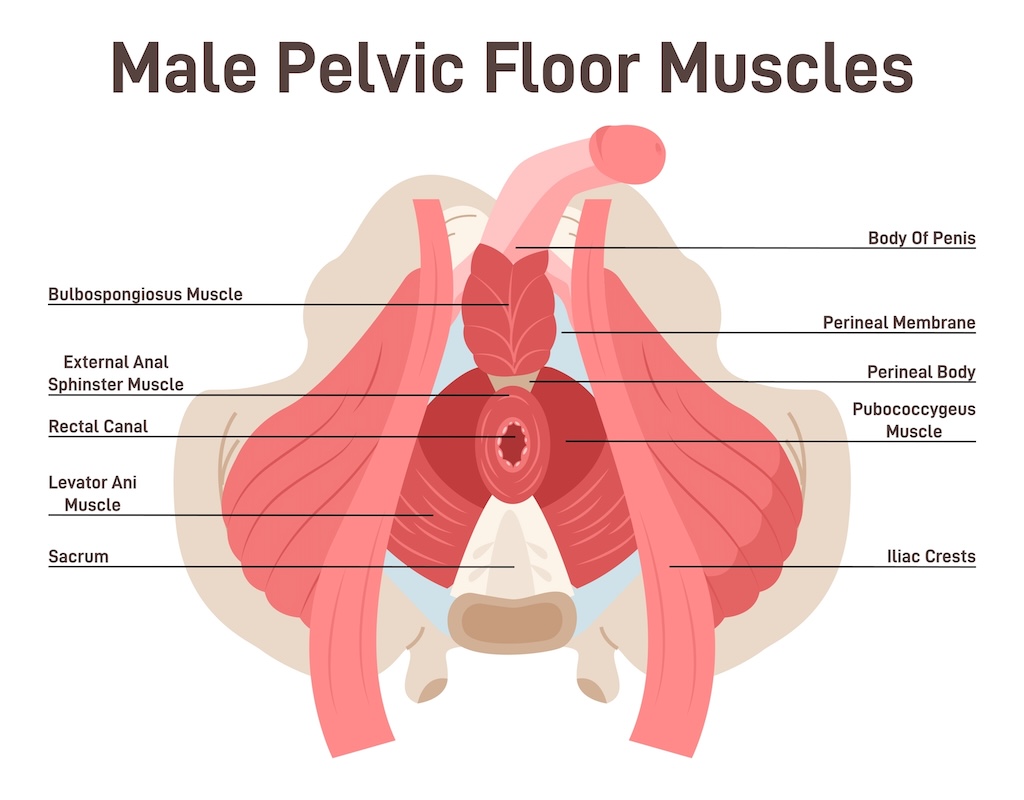
The pelvic floor is the body’s “control center” for urine, bowel movements and sexual function. If the muscles are overstretched, uncoordinated or weakened, it can cause pain, reduced blood flow and impaired nerve control. This can manifest as erectile dysfunction, premature ejaculation, pain during orgasm, weak stream or frequent urination. The problems are real – and they can be treated purposefully. I teach you how to regain control, reduce pain and strengthen what works, so you can safely return to a well-functioning sex and everyday life.
Common causes of pelvic pain in men
Chronic pelvic pain (CPPS)
CPPS (Chronic Pelvic Pain Syndrome) is a common, but often overlooked, cause of persistent pelvic pain. It is not the same as bacterial prostatitis. CPPS can be caused by a combination of muscle tension, sensitized nerves and stress on the body’s pain system. Symptoms can fluctuate, worsen with stress and improve with rest, breathing and targeted treatment. I work to reduce the “alarm level” in the nervous system, normalize muscle activity and gradually expand what you can do – without unnecessarily provoking your symptoms.
Irritation of the pudendal nerve
The pudendal nerve supplies the perineum, penis and parts of the pelvic floor. Prolonged pressure (e.g. cycling, hard seats, sitting still a lot), trauma or muscle tension can irritate the nerve. This often causes burning, stabbing pain, increased sensitivity and aggravation when sitting – and relief when standing or lying down.
Muscle tension in the pelvic floor
The pelvic floor can become “locked” in tension. This can happen with prolonged stress, after an infection, after surgery/trauma or as compensation for back and hip problems. Overactive pelvic floor typically causes pain, a feeling of pressure, tenderness on pressure and problems “letting go” during urination and ejaculation. Relaxation, coordination and correct timing are more important than pure strength training. I teach you specific techniques to feel the difference between activating and letting go – and build strength when your body is ready.
Prostate-related discomfort – prostatitis versus CPPS
Bacterial prostatitis exists, but is far rarer than thought. Many people who have received antibiotics without lasting effect actually have CPPS with a muscular and neurogenic component. My job is to distinguish, advise and target interventions so that you are not treated blindly. I base the intervention on your history, examination and response to treatment – and involve the doctor if there are signs of infection or other medical causes.
Other contributions: back, hip, gut, sleep and stress
- Back and hips: The lower back and hips share nerve pathways and muscle loops with the pelvis. Irritation here can “break through” as pelvic pain.
- Bowel and stomach: Constipation, bloating and irritable bowel increases pressure in the pelvis.
- Lifestyle: Too little sleep, too much stress, caffeine/alcohol and sedentary lifestyle aggravate the pain system and tense the muscles.
- Overload: Cycling, weight lifting or new exercise routines can trigger discomfort if the body doesn’t get breaks and variation.
I often find that several factors come together. When I adjust small things on multiple fronts in the context of a multi-modal treatment solution, it adds up to a big difference in everyday life.
Erectile dysfunction and pelvic pain – how are they related?
Getting up requires three things: good blood flow, well-functioning nerves and muscles, and peace of mind. Pelvic pain affects all three:
- Tense muscles can squeeze blood vessels and nerves.
- Pain increases the body’s alarm level, which inhibits erection. Think secretion of stress hormones.
- Worrying about pain during sex creates avoidance – which in turn perpetuates the problem.
In the clinic, I work on both the physical part (circulation, muscles, nerves) and the mental safety around sex, so you can regain desire, control and confidence. We proceed at a pace that makes you feel comfortable and continuously measure what matters to you.
My approach: thorough assessment and a plan that’s right for you
I meet you without prejudice – with professionalism and a plan. The first step is to understand the whole picture. I do this through:
Structured conversation about your pelvic pain
I work with you to review symptoms, triggers, sex and urination patterns, previous treatments, sleep and stress. I also map out stresses from sports, work and sitting positions so we can find patterns that make sense for you and your everyday life.
Physical examination and functional testing
I assess posture, hips, lower back and test pelvic floor function: Can you activate and – equally important – relax? If necessary, I screen for nerve signs around the pudendal nerve. The examination is done so that you feel comfortable all the way.
Advanced ultrasound scanning
With ultrasound, I can assess soft tissue, tendon attachments and tissue irritation in and around the pelvis. For erectile dysfunction, I offer ultrasound scans of the penis and relevant vascular structures to assess blood flow and tissue conditions. The scan is painless, provides clarity and makes treatment more precise. If necessary, I can also scan the prostate.
When supplementary tests are relevant
If infection or prostate problems are suspected, urine tests, special blood tests or advanced imaging may be relevant. I will guide you on how to talk to your own doctor about examinations that are outside the scope of the clinic.
Pelvic pain treatment: evidence-based and targeted
I combine technologies and training with counseling to target both the source of the pain and maintenance factors.
Focused shockwave therapy
Shockwave is focused sound waves that stimulate healing, reduce pain and improve tissue quality and blood flow. I use it on sore tendon attachments, scars and trigger points in the pelvic region – and for erectile dysfunction to improve local circulation. The treatment is short-term, drug-free and has a solid track record for a range of musculoskeletal conditions. I always adjust the intensity to be comfortable and follow up with exercises that prolong the effect.
EMTT (electromagnetic transduction therapy)
EMTT is a pulsed electromagnetic therapy that reaches deep and affects cellular energy metabolism. It can reduce inflammation, reduce nerve irritation and relax muscles. For men with pelvic pain, I often experience improved comfort when sitting and less “burning” in the area after a few sessions. Treatment is needle-free and drug-free, and you can typically resume your everyday life immediately.
Neuromodulation
Neuromodulation affects the pain system via nerve stimulation and low-frequency electrical stimulation. It can help with pudendal neuralgia, urinary tract symptoms and overactive pelvic floor. The goal is to “turn down” the nervous system alarm and restore normal sensory and muscle control. I use gentle protocols where you feel comfortable, controlled stimulation – never more than you can tolerate.
Pelvic floor training – and relaxation
Many men are told to do pelvic floor exercises. However, for some men with pelvic pain, the problem is the opposite: too much tension. I teach you to feel the difference between activation and release, practice rhythm and timing, and gradually build strength on top of a good relaxation base. When the muscles work as they should, pain often decreases and sexual function improves.
Advice on behavior, sleep, stress and sex
- Sleep and recovery: The pain system becomes more “highly geared” with too little sleep. Small adjustments can make a big difference.
- Load management: I help you adapt cycling, training and work so you can keep going – without triggering pain.
- Sexual confidence: Small strategies can relieve performance pressure and reduce pain during and after sex.
- Gastrointestinal habits: Regular rhythm and avoiding constipation relieves the pelvis.
What can you do now?
- Change your sitting position often. If necessary, use a cushion with a cut-out to relieve the perineum.
- Calm breathing: 5-10 minutes daily, deep into the abdomen, on a slow exhalation. This reduces tension in the pelvic floor.
- Heat on the hips/lower back or a warm bath to relax muscles.
- Gentle movement: quiet walks, mobility and light stretching for hips/inner thighs.
- Coffee/alcohol: turn it down for a period of time if you have irritative bladder symptoms.
- Cycling: shorter rides, wider saddle and frequent breaks – or temporary breaks.
- Bowel habits: enough fluid and fiber to avoid straining.
- Note patterns: when is the pain worst/best? This helps me target the treatment.
When should you seek emergency help?
- Sudden, severe pain in the scrotum/testicles
- Fever, chills and severe pelvic pain
- Blood in urine or semen that cannot be explained
- Emerging bladder emptying problems
For long-term, recurring or diffuse pelvic pain, you are always welcome to contact me for a safe and thorough assessment.
Frequently asked questions about pelvic pain
Is pelvic pain dangerous?
It’s usually not dangerous, but it’s stressful and can affect quality of life, sex life and mood. My job is to rule out serious causes, explain what’s happening – and give you a concrete plan. Most people experience a noticeable improvement when I work systematically with their specific mechanisms.
Can it be treated without medication?
Yes, often. For CPPS, pudendal irritation and muscular causes, a combination of targeted exercise, relaxation, shockwave/EMTT and neuromodulation is an effective alternative or supplement to medication. If I assess that medication or further investigation is relevant, I will guide you in how to start a dialog with your own doctor.
How soon can I expect results?
Some notice a difference after a few weeks, others need 8-12 weeks or longer, especially if the pain has been going on for a long time. I typically plan a program with set milestones so you can feel that we are moving in the right direction.
Does the treatment hurt?
Most people tolerate shockwave, EMTT and neuromodulation very well. A slight soreness may occur briefly, but I always adjust the intensity to your level. Exercises and relaxation should feel safe – don’t provoke pain unnecessarily.
Can I have sex during the program?
Yes, but with a focus on comfort. I talk to you about positions, pace and techniques that reduce pain and performance pressure. The goal is to rebuild desire and confidence without triggering pelvic pain.
Do squats help?
Only if they are right for you. If you have an overactive pelvic floor, classic pelvic floor exercises can make the pain worse. First you need to learn to relax and coordinate – then strengthen purposefully. I’ll show you exactly how.
What if I’ve already tried “everything”?
Many come to me after rounds of antibiotics, random exercises and general advice. The difference here is a thorough, individualized assessment with advanced ultrasound, functional tests and an evidence-based combination treatment that targets your specific mechanisms. Often the nervous system as a whole has been overlooked elsewhere.
This is how a course with me works
- First consultation: Conversation, examination and ultrasound scan as needed. I make a clear plan.
- Treatment phase: Typically 4-8 sessions of shockwave/EMTT/neuromodulation, adjusted to your response. You get simple, targeted exercises.
- Follow-up: I fine-tune, ramp up activity/sex life and ensure you can maintain the results.
- Maintenance: Simple strategies you can use if symptoms reappear.
I’m based in Copenhagen and have clients from all over Zealand and the rest of the Nordic region. You can start with a no-obligation conversation about your pelvic pain and your goals – and we’ll find out if I’m the right person to help you.
Next step – take the first step towards less pain and more control
Pelvic pain is complex, but you don’t have to go it alone. My approach is personal, professional and practical: I examine thoroughly, explain at eye level and put together a program that fits your everyday life and your wishes for sex, exercise and work.
If you recognize yourself in the above – whether it’s erectile dysfunction, perineal pain, pudendal irritation or diffuse abdominal pain – get in touch. The sooner we get started, the sooner you can enjoy peace of mind, better function and more energy in your everyday life. I’m here to help you safely and respectfully through the process.
If you are interested in hearing more about how I can help you, you are always welcome to contact me by phone 41 40 08 58 or email michael@msinsight.dk. I’ll get back to you quickly with a customized proposal so we can find the best way forward together.
Would you like a specialist assessment of your situation?
You don’t have to figure it out alone. Call directly or write a few lines about your symptoms – I’ll get back to you within 12-24 hours with a concrete suggestion for the next step.