

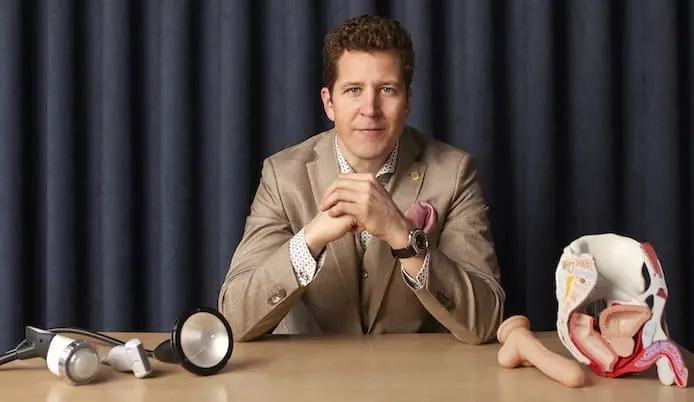
Written and medically reviewed by Michael Strøm
International speaker & expert in shockwave and EMTT treatment for erectile dysfunction, Peyronie’s & CPPS. Read more about me
Nerve inflammation in legs – when the nerves tease and the body reacts
Are you experiencing pain, tingling, tingling, weakness or sensory disturbances in your leg – and also problems with erection or pelvic pain? You are far from alone. Nerve inflammation in the legs can affect your entire everyday life and your intimate health. I help men understand what’s happening in the nervous system and offer targeted, evidence-based treatment in a safe environment. You’ll get a clear explanation, concrete solutions and peace of mind.
In this article
- What is Nerve inflammation in legs?
- Symptoms you need to know
- Why does Men’s Nerve Inflammation occur in men?
- How to examine Nerve inflammation in legs
- Treatment at MS Insight: combination, tailored to your everyday life
- How leg neuritis, pelvic pain and erectile dysfunction are related
- When should you respond urgently?
- Frequently asked questions about Nerve inflammation in legs
- What can you realistically expect?
- This is how a course with me works
- Take the next step – calm your legs and pelvis
What is Nerve inflammation in legs?
“Neuritis” is often used as an umbrella term for conditions where nerves in the leg are irritated, inflamed or damaged. This can be caused by prolonged pressure (pinching), an inflammation of the nerve itself (neuritis), an impact from the back (radiculopathy/sciatica) or more widespread nerve damage (peripheral neuropathy, for example in diabetes). The result is the same: the signals between the brain, spinal cord and legs are disrupted – and this can cause pain, sensory disturbances and impaired muscle control.
Nerve irritation can affect both the insulation of the nerve itself (myelin) and the conduction (axon). This changes the sensitivity of the skin and muscles, so ordinary stimuli – such as socks, touching or sitting still – can feel harsh. When nerves become imbalanced, the whole system can become more “alarm-ready”, which is where I help you create calm, direction and realistic steps towards recovery.
Inflammation vs. pinching
In inflammation, the nerve is irritated and swollen, often after overuse, infection or local tissue irritation. With pinching, the nerve is exposed to mechanical pressure, such as tarsal tunnel syndrome at the ankle, pressure on the peroneal nerve at the outside of the knee or pressure in the buttock/calf area. Both can feel similar, but often require different management.
As a rule of thumb, pinching is typically exacerbated by certain postures or repetitive movements, while inflammatory conditions are often more diffuse and sensitive to stress throughout the day. I’ll assess the pattern with you and choose a strategy that both relieves and promotes healing.
Peripheral neuropathy vs. radiculopathy
Peripheral neuropathy means that the small nerves in the legs and feet are affected. It typically causes burning pain, cold/heat sensations, tingling and reduced sensation – often mostly in the feet. Radiculopathy occurs when a nerve root is pinched or irritated in the back (e.g. herniated disc). It often causes radiating pain down the leg, possibly increasing with coughing/sneezing and certain movements.
Neuropathy often shows up in a “sock pattern”, while radiculopathy follows a dermatome (a specific nerve area). I purposefully test to differentiate – it makes treatment much more precise and effective.
Symptoms you need to know
Classic leg symptoms in Nerve inflammation in the legs
Typical signs are:
- Tingling, burning pain or “electric shocks” in the foot, lower leg or thigh
- Sensation of tight sock/sock or “wet/warm” skin for no reason
- Predominant night pain, restless legs and interrupted sleep
- Reduced sense of touch, clumsiness and precarious balance
- Muscle weakness – e.g. difficulty lifting the forefoot (peroneus impingement) or toe walking
- Pain with prolonged sitting, after cycling or with certain foot/ankle positions
Symptoms can fluctuate throughout the day and from day to day. It’s normal for good periods to be followed by days with more anxiety – it doesn’t say anything about your ability to get better. I’ll help you with a plan that takes these fluctuations into account so you maintain momentum without pushing yourself into flare-ups.
Signs that also affect pelvis and erection
The nervous system is connected. I often see nerve inflammation in the legs:
- Pain in the buttocks, groin, perineum or testicles
- Aggravation from sitting for long periods of time – typically with cushion shower or sciatica-related irritation
- Erectile dysfunction in autonomic neuropathy (e.g. in diabetes) or pudendal impaction
- Increased pelvic floor tension, which can increase both pain and performance pressure
You’re not “wrong” if leg and pelvic pain affects desire, erection or confidence. It’s an understandable reaction. I address both the physical and mental pieces – with respect for your situation and your goals.
Why does Men’s Nerve Inflammation occur in men?
The cause is often a combination: a little mechanics, a little biology and a little habit. My job is to take things apart so that we get it right – and you spend your energy on what works.
Mechanical causes
Mechanical loads are frequent:
- Herniated discs and spinal stenosis: pressure on nerve roots in the lower back can cause radiation and sensory disturbances.
- Sciatica/piriformis strain: irritation of the sciatic nerve in the buttocks after prolonged sitting or heavy exercise.
- Peroneal neuropathy: pressure on the outside of the knee (common in cases of severe shin splints, weight loss or knee injury) with risk of drop foot.
- Tarsal tunnel syndrome: pinching of the tibialis nerve at the ankle, causing burning foot pain and tingling.
- Meralgia paresthetica: pinching of the femoral nerve (lateral femoral cutaneous), causing burning pain on the outside of the thigh.
Here, treatment is about reducing pressure, normalizing gliding around the nerve and rebuilding strength and tolerance. Small adjustments in seating position, footwear or bike setup can make a big difference.
Metabolic and medical causes
Several internal factors can affect nerve function:
- Diabetes and prediabetes: high blood sugar damages the small nerves (diabetic neuropathy) and can also affect erections via autonomic neuropathy.
- Deficiencies: especially vitamin B12 deficiency; folate, vitamin D and iron may also play a role.
- Alcohol overconsumption: can cause polyneuropathy over time.
- Drugs and infections: certain medications and e.g. shingles (herpes zoster) can irritate nerves.
- Autoimmune conditions: rarer, but can attack nerves and cause inflammation-like symptoms.
When internal factors take over, I prioritize stable sleep, diet, movement and working with your doctor on relevant blood tests – this gives the nerves the best possible foundation for healing.
Sports, work and habits
Long working days in front of a screen, heavy strength training without enough recovery, heavy cycling (pressure on the perineum) and prolonged driving can trigger or maintain nerve irritation – both in the legs and pelvic area.
I’ll help you fine-tune your daily routine: micro-breaks every 30-45 minutes, relieving sitting positions, softer bike saddle/changed saddle height, gradual build-up of training volume and simple mobility routines that keep your nerves smooth and calm.
How to examine Nerve inflammation in legs
The survey is conducted at a leisurely pace, with me explaining along the way. The goal is for you to leave with insights and a plan – no more questions.
Conversation and clinical neurological examination
I always start with a thorough conversation about your symptoms, sleep, physical activity, medication, medical history and sexual well-being. The clinical examination includes tests of sensation (touch, vibration), reflex status, muscle strength, gait pattern and specific provocation tests (e.g. straight leg raise, Tinel at the fibula head, tarsal tunnel test). The goal is to clarify where in the “cord” the problem is: spine, pelvis, nerve pathway or peripheral end branch.
I also use simple tools like monofilament (fine touch), light temperature testing and functional tests like heel and toe walking. This gives a clear picture of which nerve fibers are most affected and how best to approach it.
Advanced ultrasound scanning of nerves, muscles and pelvis
Ultrasound allows me to look for thickened nerves, signs of inflammation, scar tissue, slippage issues around the nerve, and local blood flow. I can follow the course of the nerve dynamically – as you move – and correlate image findings with your symptoms. In the pelvic region, I can assess muscle tension, connective tissue and possible sites of irritation of the pudendal or sciatic nerve.
The advantage of ultrasound is that I can press specifically on the spot you know is “right” and see the structures in real time. This increases precision and makes treatment more targeted.
Supplementary studies – when it makes sense
Sometimes further clarification is needed. I advise you to talk to your own doctor about relevant tests that are not performed in the clinic, for example
- Blood tests: HbA1c (blood sugar regulation), vitamin B12, folate, vitamin D, metabolism (TSH), inflammation numbers, etc.
- Lumbar/pelvic MRI for suspected nerve root impingement, stenosis or herniated disc.
- ENG/EMG (nerve conduction study/electromyography) to assess conduction velocity and muscle response.
My focus is to use the studies that change your plan in practice. I skip unnecessary tests – clear direction and effective action first.
Treatment at MS Insight: combination, tailored to your everyday life
My treatment combines modern technologies with training, behaviors and habits. I prioritize small, measurable steps that actually fit into your life – so you can stay on course and feel results.
Focused sound waves (shockwave) to irritated nerves and tissues
Focused sound waves are a non-invasive treatment that can reduce pain, stimulate microcirculation and support tissue healing. At Nerve Inflammation of the Leg, I use it for entrapment conditions such as tarsal tunnel or peroneal irritation, and in selected cases of painful peripheral neuropathy. The treatment is short, targeted and can be combined with specific nerve mobilization and exercises.
It’s normal to be slightly sore 24-48 hours after a session. I customize the intensity, focus and interval so you get the effect without unnecessary provocation.
EMTT (electromagnetic transduction therapy) for pain and regeneration support
EMTT works with pulsed electromagnetic fields that can affect cell metabolism and pain processes. In practice, many men experience less pain, better tolerated activity and calmer legs – especially when EMTT is combined with focused sound waves and neuromodulation. I customize intensity and dosage according to your response.
The treatment is gentle, with clothes on and without needles. I use it as a stable base while you gradually increase your daily activity.
Neuromodulation and pelvic floor
Neuromodulation (targeted electrical stimulation) can “turn down” overactive pain signals and help the nervous system back into balance. For concurrent pelvic pain or pudendal pain, I work with gentle pelvic floor relaxation, breathing techniques and a plan to regain control and confidence in intimate situations.
You get specific home exercises and simple routines that stabilize the effect between treatments – so the gains last.
Lifestyle, sleep and pain management
Nerves thrive when you do. I give concrete advice on:
- Sleep quality: fixed bedtimes, screen-free periods and nighttime strategies for nighttime leg pain.
- Blood sugar and anti-inflammatory habits: stable meals, sufficient protein, vegetables and fluids – especially important in (pre)diabetes.
- Alcohol and nicotine: reduction can improve nerve healing and pain sensitivity.
- Movement without flare: graduated activity, short breaks, nerve mobilization and strengthening of feet/lower legs.
You get a short, realistic plan that can be lived – not a long list gathering dust.
Exercises and behavior: what helps – and what worsens?
The right exercises at the right pace make a difference. I give you a simple plan you can actually follow: nerve mobilization (gentle flossing of the affected nerve), ankle/knee/hip stability, lower back/pelvic mobility and strategies for sitting, cycling and exercising without triggering symptoms. I make ongoing adjustments with you based on your everyday life and your goals – even when the goal is to regain your mobility and self-confidence.
Typical starting points are 1-2 short sessions daily of nerve mobilization and gentle strengthening. Progress is measured by function (walking, sleep, safe exercise) – not just pain scores.
How leg neuritis, pelvic pain and erectile dysfunction are related
The pudendal nerve and the autonomic nervous system
Diabetes or widespread peripheral neuropathy can affect the autonomic nerves – this can affect the blood vessels in the penis and thus erection. Mechanical irritation in the pelvis (e.g. pudendal neuralgia) can cause pain when sitting, increased tension in the pelvic floor, reduced sensitivity and performance pressure. And yes, sciatica or lumbar impingement can “infect” the pelvis because muscles and nerves protect and tighten. That’s why I often see improvement in sexual function when I reduce nerve irritation in the legs/pelvis and normalize tension levels.
I also work with the parasympathetic nervous system (the body’s “brake”) through breathing and relaxation – small steps that reduce anxiety and increase body confidence.
Pain sensitization, stress and performance
Prolonged nerve pain heightens your alertness. It makes you more sensitive – even in intimate situations. Insecurity, anticipatory anxiety and interrupted sleep exacerbate the signals. I help you calm your system: predictable plan, realistic progress, simple techniques to reset your nervous system and focus on what you can control.
Small rituals work: slow, deep breathing, short breaks during the day, calm evening routines and conscious focus on what’s going forward – not just what’s struggling.
When should you respond urgently?
Seek emergency help if you experience:
- Suddenly increasing weakness in the leg, e.g. new-onset drop foot
- Loss of bladder/gut control or numbness in the breeches area (saddle anesthesia)
- Severe, rapidly increasing leg pain after trauma
- Signs of infection with high fever and severe leg pain
- Unilateral, prominent calf or leg swelling, warmth and redness (suspected blood clot requires urgent assessment)
Frequently asked questions about Nerve inflammation in legs
Is nerve inflammation in legs the same as neuropathy?
Not always. “Neuritis” often describes an inflammation-like irritation of the nerve, while “neuropathy” is a broad term for nerve damage/impairment. The symptoms overlap and the treatment principles are similar.
Can Nerve inflammation in legs cause erectile dysfunction?
Yes, mainly through two mechanisms: autonomic neuropathy (e.g. diabetes), which affects the control of blood vessels and nerves, and mechanical irritation in the pelvis (pudendus), which can change sensitivity and increase tension in the pelvic floor. When I address the nerve irritation and calm the system, many people experience improvement in intimate function.
Will it go away on its own?
Some acute irritations settle down with time, relief and targeted exercises. For persistent symptoms, severe sensory disturbances or weakness, I recommend a structured assessment and plan – the earlier the better.
Does strength training or running help?
Yes – when dosed correctly. Graduated strength and movement promotes blood flow, pain modulation and function. I fine-tune exercises and volumes to avoid flare-ups and maintain momentum.
Which treatments work best?
The best is often a wise combination: focused sound waves, EMTT and neuromodulation complemented by specific exercises, sleep and habit strategies. The plan is tailored to your cause and goal – whether it’s pain-free walking, safe cycling, better sleep or stronger erections.
Do I need medication?
Some people benefit from painkillers or neuropathic drugs. I advise you to talk to your doctor about medical options if it is relevant to your situation.
Is ultrasound enough – or do I need an MRI/EMG?
Ultrasound can clarify much about peripheral nerve irritation. If nerve root involvement, widespread neuropathy or unclear findings are suspected, MRI or ENG/EMG may be relevant. I will give you a clear recommendation and help you clarify what steps you can take via your own doctor.
What can you realistically expect?
Most people experience a gradual reduction in pain, better sensation/control and more resilience in everyday life over 4-12 weeks when treatment, exercises and habits are purposefully combined. If you’ve had symptoms for a long time, the process may take longer. You and I set clear milestones so that you feel progress – also mentally – and you get a plan to handle fluctuations along the way.
This is how a course with me works
You will meet one practitioner who takes you seriously. The first consultation includes an interview, clinical examination and targeted ultrasound scan. I’ll explain the findings in language that makes sense and I’ll make a plan with you: treatments, exercises, sleep/habits and clear milestones. You get concrete tools to take home with you the first time.
Take the next step – calm your legs and pelvis
If you recognize the symptoms of Sciatica – or if your leg pain is related to erectile dysfunction or pelvic pain – now is the time for me to take care of it. I offer a safe, effective and respectful path to clarification and improvement. The clinic is located in Copenhagen and I have clients from all over Zealand and the rest of the country. Book an appointment or contact me to find out how I can help you. Don’t go it alone – there’s a lot I can do.
If you are interested in hearing more about how I can help you, you are always welcome to contact me by phone 41 40 08 58 or email michael@msinsight.dk. I’ll get back to you quickly with a customized proposal so we can find the best way forward together.
Would you like a specialist assessment of your situation?
You don’t have to figure it out alone. Call directly or write a few lines about your symptoms – I’ll get back to you within 12-24 hours with a concrete suggestion for the next step.