

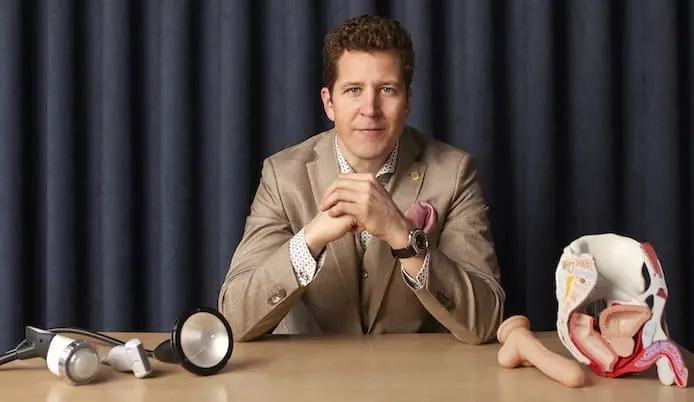
Written and medically reviewed by Michael Strøm
International speaker & expert in shockwave and EMTT treatment for erectile dysfunction, Peyronie’s & CPPS. Read more about me
Erectile dysfunction and age: what is normal and when should you act?
Erectile dysfunction and age go hand in hand – but that doesn’t mean that erectile dysfunction is something you just have to live with. I meet ordinary men every day who find that it takes longer to get an erection, that stiffness isn’t what it used to be, that desire fluctuates, or that pelvic pain is interfering with their sex life. It can feel vulnerable to talk about, and I understand that. My job is to give you a clear explanation, a thorough examination and a concrete plan that works in your everyday life – without shame, without finger-pointing.
Why does erection often become weaker with age?
Erection depends on three things: well-functioning blood vessels, nerves and hormone balance – plus a calm mind and a well-functioning pelvic floor. With age comes natural changes:
- Blood vessels become less elastic (atherosclerosis) and blood flow decreases.
- Nerve conduction can slow down, especially in diabetes or after surgery.
- Testosterone gradually decreases in some, which can affect desire, energy and indirect erections.
- Many suffer from chronic pelvic pain, pelvic floor tension or pudendal nerve involvement.
- Medications for blood pressure, depression, prostate etc. can affect erection.
This is all understandable – but not immutable. That’s why erectile dysfunction and age are as much about physiology as they are about targeting the right places. Small adjustments in habits, targeted treatment and a calm nervous system can make a surprisingly big difference.
How common are erectile dysfunction with age?
Erectile dysfunction (ED) increases with age. Approximately:
- 20-30% in their 40s experience persistent ED
- 40-50% in their 50s
- 60-70% in their 60s and up
The numbers vary, but the point is: You’re not alone. Many experience periods of erectile dysfunction, and some have more persistent challenges. What matters is how it affects you and your life. I often find that even moderate symptoms can improve significantly with targeted efforts – even at an older age.
Erectile dysfunction or temporary failure?
Everyone can have an “off day”. When the problem persists for more than three months, when morning erections disappear, when stiffness is not enough for penetration, or when there is pain/curvature, I recommend a targeted assessment. This is where I differentiate between transient stress and a cause requiring treatment. A few simple pointers: If masturbation works better than intercourse, it often points to performance stress. If the erection has become progressively weaker on all fronts – even outside of sexual situations – a physical cause is more likely. It’s a good idea to make a note of the frequency of morning erections, situations where the erection fails, medication and sleep – it makes my assessment sharper and your path shorter.
In this article
- Erectile dysfunction and age: typical causes at different stages of life
- Erectile dysfunction as a sign of health – heart, blood vessels and hormones
- Symptoms that should be assessed quickly
- My approach: accurate diagnostics and a plan that works
- Treatment: proven interventions and tailored combinations
- Peyronie’s disease and age
- Chronic pelvic pain (CPPS), pudenmus and erectile dysfunction
- Frequently asked questions about Erectile dysfunction and age
- Take the first step today
Erectile dysfunction and age: typical causes at different stages of life
20s and 30s
- Performance anxiety, stress and porn overuse can affect erection via the brain’s reward system, attention and expectation pressure.
- Chronic pelvic pain (CPPS), pelvic floor tension and pudendal pain are also seen in younger men and can cause pain with erection/ ejaculation and erectile dysfunction.
- Medications (e.g. SSRI antidepressants), sleep deprivation, THC and recreational drugs can play a role.
- Previous sports injuries or cycling for long hours can irritate nerves in the perineum.
I help distinguish between psychological and physical causes – often it’s a combination and I treat both tracks. Often the solution is about regulating the nervous system (calming breathing, realistic expectations, gradual exposure) while addressing pelvic muscle tension and adjusting habits that push the body in the wrong direction (late screen time, caffeine, sleep deficit). The goal is to restore confidence and control – not to change you as a person.
The 40s and 50s
- Circulation really starts to matter: high blood pressure, cholesterol, the onset of atherosclerosis and metabolic syndrome.
- Diabetes (including prediabetes) can affect nerves and blood vessels early on.
- Decrease in testosterone in some men; significance varies, but low levels can amplify other problems.
- Peyronie’s disease (scarring of the tumor body) causes curvature and pain and is more common in this age group.
This is where ultrasound and a systematic holistic assessment is particularly valuable so that I get the right strategy right from the start. Simple home markers like waist circumference, resting heart rate and a few blood pressure readings can already point me in the right direction – and I coordinate relevant blood tests via my GP when it makes sense.
60+ years
- Vascular disease, nerve impairment and medication side effects are more prevalent.
- After prostate surgery or radiation therapy, nerve and vessel supply can be affected.
- Incontinence, urinary problems and pelvic floor dysfunction can cause the erection to not “lock” properly.
Even in my 70s and 80s, I can often make a difference – with targeted rehabilitation, technical aids and combination treatments. I focus on function, comfort and enjoyment: better filling, better stiffness and more predictability. Small victories count, and they come more often than many people think.
Erectile dysfunction as a sign of health – heart, blood vessels and hormones
Endothelial dysfunction: the body’s early warning
Erection is dependent on a well-functioning vascular system and the neurotransmitter NO (nitric oxide). When the endothelial layer of the blood vessels is affected, erectile function often declines before other symptoms of heart disease. That’s why I often see ED as a window into your cardiovascular health. It can be an opportunity to take control of blood pressure, cholesterol, blood sugar, weight, sleep apnea and smoking – both for better erection and to prevent cardiovascular disease. I help you with concrete steps: more daily movement, strength training, sleep hygiene and easy dietary interventions that support vascular function.
Testosterone: when does it make sense to measure and treat?
If you have low libido, fatigue, decreased muscle mass and failing morning erections, I recommend measuring testosterone (morning test, preferably repeated) as well as SHBG and related markers. Testosterone therapy is indicated in cases of documented hypogonadism and after medical assessment. It can improve desire and energy, and indirectly erection, but is rarely the sole solution. I advise you to talk to your GP or urologist when hormone trails are relevant, and I always combine the hormone trail with lifestyle and local measures to ensure a stable effect.
Symptoms that should be assessed quickly
- Sudden curvature of the penis with pain and/or hard lump under the skin (suspected Peyronie’s disease).
- Trauma to the penis during sex with subsequent pain, swelling or “breaking” sensation.
- Significantly reduced erection accompanied by chest pain, shortness of breath or chest pain with activity (seek emergency medical attention).
- Fever, severe scrotal or testicular pain (acute assessment).
My approach: accurate diagnostics and a plan that works
I work with a holistic, but strictly evidence-based assessment. You get peace, time and a clear framework. I prioritize that you understand the causes and that the plan is realistic for your everyday life – that’s how we create results that last.
Conversation, questionnaires and medication review
I map out timeline, symptoms, sleep, stress, relationship, exercise, libido, alcohol, previous injuries, surgeries and medications (e.g. blood pressure pills, SSRIs, finasteride, anticholinergics, etc.) I provide specific homework assignments so you can quickly feel the direction while the assessment is ongoing.
Advanced ultrasound scanning
I offer targeted ultrasound with a focus on:
- Assessment of vessels and tissues in the penis
- Signs of Peyronie’s
- Pelvic floor structure and any irritation or tension issues
Ultrasound (often with Doppler assessment) gives me a picture of whether the problem is primarily vascular, tissue-related or mechanical – and helps me choose the right treatment. If needed, I collaborate with urologists for further testing.
Pelvic floor and nerve function
An overactive or weak pelvic floor can impair erection, increase premature ejaculation and cause pain. I screen for pudendal dysfunction and muscular imbalance and tailor training, relaxation and neuromodulation to the findings.
Coordinated plan
You get a concrete plan with goals, timeline and follow-up. When relevant, I involve your own doctor or relevant specialists. I meet a lot of men from Copenhagen, Zealand and the Nordic region as a whole – but I also help men from far away with realistic home measures and digital follow-up so that the progression is clear.
Treatment: proven interventions and tailored combinations
I offer combination courses where I bring together the best of medical knowledge, technology and behavior. I set clear metrics (e.g. IIEF/SHIM, perceived stiffness, pain and satisfaction) so you can see the effect in black and white.
Focused shockwave therapy (focused ESWT)
- What it is: Short duration, focused pressure waves that stimulate vessel growth and tissue repair.
- Who benefits: Men with vascular ED have often experienced improved erectile function and satisfaction in clinical studies. The effect varies and depends on severity and cause.
- Course: Typically 6-12 sessions over 3-6 weeks. The treatment is short and usually almost painless.
- Side effects: Mild and transient (slight soreness or redness).
- Important: Not a “quick fix” for everyone, but a serious tool for some – often in combination with lifestyle measures and possibly medication.
EMTT (electromagnetic transduction therapy)
- What it is: Pulsed electromagnetic fields that aim to promote metabolic activity and tissue healing.
- Role: I use EMTT as a supplement, particularly for muscular and tendon-related discomfort in the pelvic area. The evidence is growing and I use it selectively when the profile fits.
Neuromodulation
- What it is: Targeted stimulation that “recalibrates” nerve signaling.
- Who benefits: Especially for chronic pelvic pain, pudendal irritation, overactive pelvic floor and certain types of nervous erectile dysfunction.
- Process: Often combined with exercises, relaxation and behavioral adjustments.
Pelvic floor training – strength and calm
Many people tense their pelvic floor too much. I work with:
- To release unnecessary tension so that blood can fill the swelling bodies.
- To gain strength and endurance so that the erection “locks” better.
- Coordination in interaction with breathing and posture.
I’ll teach you the difference between activation and relaxation so you avoid overtraining classic “kegels” that often aggravate tension problems.
Medication and assistive devices
- PDE5 inhibitors (e.g. sildenafil, tadalafil) can be effective and safe for most people – but should not be combined with nitrate medications. I advise on proper use and timing (daily vs. as needed) and managing common side effects like headaches and flushing.
- Vacuum pump and erection ring can be good, especially for nerve damage or after prostate surgery.
- Alprostadil (topical or injection) may be a solution for more severe ED – to be prescribed in consultation with a doctor.
- Testosterone therapy can be considered for documented low levels and relevant symptoms – in consultation with a doctor.
Lifestyle that lifts the journey
- Physical activity and strength training improves vascular function, testosterone and mental well-being.
- Losing weight when overweight, quitting smoking and moderate alcohol consumption have a big effect.
- Sleep and sleep apnea management can make a significant difference.
- Stress reduction, realistic expectations and regulating porn consumption can normalize response and desire.
I translate it into small actions in your everyday life: shorter, more frequent walks, simple strength exercises, clear bedtime routines and dietary principles you can actually stick to.
Sexological counseling without taboos
Performance anxiety, loss of desire, premature ejaculation or pain can create negative spirals. I work solution-oriented – alone or with your partner – to bring confidence, communication and concrete tools back into the bedroom. The focus is on pleasure and presence, not “performance”.
Peyronie’s disease and age
Peyronies are caused by scar tissue (plaque) in the tumor body and are more common with age. Typical signs are curvature, shortening, pain and erectile dysfunction. With ultrasound, I can determine where the plaque is located and how active the disease is.
- In the painful, active phase, I focus on pain reduction and tissue calming. Shockwave and EMTT effectively relieve pain and prevent potential damage and worsening of the condition.
- In the stable phase, specialized treatments (shockwave, laser traction therapy or surgery) may be relevant. In parallel, I work on the erector function so that you retain as much length, stiffness and comfort as possible.
Chronic pelvic pain (CPPS), pudenmus and erectile dysfunction
CPPS can cause burning, stabbing or pressing pain in the perineum, penis, testicles or around the rectum. An overactive pelvic floor and pudendal irritation can inhibit erection, trigger pain during orgasm and cause after-drip/jet deviations.
My approach:
- Uncover pain provocations (sitting time, cycling, stress, toilet habits).
- Neuromodulation, relaxation, targeted exercises and graduated loading.
- Possibly EMTT and manual tissue therapy as a supplement.
- Gradual exposures so you can resume sex without fear of deterioration.
Frequently asked questions about Erectile dysfunction and age
Is it “normal” for erections to become weaker with age?
Yes, but “normal” does not equal unchangeable. Small changes are to be expected; persistent problems can often be improved with the right effort.
How do I know if it’s mental or physical?
The pattern often gives the answer: Morning erection and spontaneous erections point to a psychological component; gradual deterioration without morning erection points to physical. In practice, it’s often both. I clarify this through conversation, ultrasound and simple tests.
Is Viagra, Cialis and others dangerous?
They are safe for most people, but should not be taken with nitrate medications (for chest pain). Low blood pressure, certain heart conditions and interactions require medical evaluation. I’ll guide you on proper use and alternatives if it doesn’t work.
Can cycling cause erectile dysfunction?
Prolonged and intensive cycling can irritate the pudendal nerve and cause sensory disturbances. Seat selection, fit, breaks and pelvic floor strengthening/relaxation minimize the risk. I’ll help you adapt your habits so you can keep cycling.
Does shockwave help everyone?
No, it doesn’t. Studies show good results for some with vascular ED. The effect is less with severe nerve damage or severe diabetes. I’ll assess your profile so you don’t waste time and money.
I’m over 70 – does treatment still make sense?
The goal is function. The goal is function, enjoyment and security – not your birth certificate. Many people in their 70s and 80s get noticeable improvement with the right combination.
What if my prostate is treated?
After surgery/radiation, nerve/vessels are often affected. Rehabilitation with exercises, vacuum, pharmacological solutions and technical aids can help. I customize the process to your specific situation.
Is the process discreet – and can my partner join in?
Everything is discreet and respectful. You are welcome alone or with a partner – the most important thing is that you feel safe.
How quickly do I see results?
Some notice changes in a few weeks, especially with lifestyle interventions and proper use of medication/assistive devices. Shockwave/EMTT and neuromodulation are typically assessed over 6-12 weeks. I set milestones with you so you can track progress.
Where does it take place?
I’m based in Copenhagen and help men from all over Zealand and the Nordic countries. If you come from far away, I plan the process so that transportation makes sense, with bundles of 3-5 treatments in a row.
Take the first step today
Erectile dysfunction and age don’t have to define your sex life or your quality of life. With me, you get a safe space without taboos, a clear explanation and a plan that actually works. The sooner we start, the more we can often win back – stiffness, control, desire and peace of mind. Get in touch and let’s find the solution that’s right for you.
If you are interested in hearing more about how I can help you, you are always welcome to contact me by phone 41 40 08 58 or email michael@msinsight.dk. I’ll get back to you quickly with a customized proposal so we can find the best way forward together.
Would you like a specialist assessment of your situation?
You don’t have to figure it out alone. Call directly or write a few lines about your symptoms – I’ll get back to you within 12-24 hours with a concrete suggestion for the next step.