
Written and medically reviewed by Michael Strøm
International speaker & expert in shockwave and EMTT treatment for erectile dysfunction, Peyronie’s & CPPS. Read more about me
Diabetic neuropathy: when nerves affect erection, pelvis and your everyday life
Diabetic neuropathy is nerve damage caused by prolonged high blood sugar levels. For many men, it manifests as erectile dysfunction, decreased sensation in the penis and scrotum, burning pain or tingling in the legs and feet, pelvic pain, difficulty urinating or incontinence. I meet men every day who go too long alone with it. You are not alone – and there is much I can do to relieve symptoms, improve function and enhance quality of life. My approach is professional, direct and respectful. I investigate thoroughly, explain everything at eye level and put together a targeted program that makes sense for you and your everyday life. My focus is on both your body and your everyday life, so you get realistic strategies that can actually be implemented.
In this article
- What is diabetic neuropathy?
- Symptoms in men with diabetic neuropathy – from erectile dysfunction to pelvic pain
- Why does diabetic neuropathy occur?
- Diabetic neuropathy and erectile dysfunction
- Pelvic pain, pudendal pain and bladder problems in diabetic neuropathy
- Examination and diagnosis of diabetic neuropathy in the clinic
- Diabetic neuropathy treatment: What can I do for you?
- Diabetic neuropathy: realistic expectations and timeline
- Frequently asked questions about diabetic neuropathy
- How to get started with help for diabetic neuropathy
What is diabetic neuropathy?
Diabetic neuropathy is a collective term for nerve damage in diabetes. When blood sugar levels are high over time, the small blood vessels, nerve fiber metabolism and insulating sheath (myelin) are affected. The result can be impaired signaling in the nerves and hypersensitivity or reduced sensation. Small nerve fibers (which mediate pain and temperature) are often affected early, while larger fibers (touch, vibration, balance) can be affected later.
There are several forms:
- Peripheral neuropathy: typically tingling, burning, numbness or pain in the feet and lower legs – some also experience symptoms in the hands. Many describe a ‘sock and glove’ pattern, exacerbated in the evening or at night, which can disrupt sleep and energy.
- Autonomic neuropathy: affects nerves to internal organs such as the bladder, bowel and genitals. It can cause erectile dysfunction, altered ejaculation (e.g. retrograde ejaculation), bladder emptying problems and incontinence. Autonomic nerves control the body’s “automaticity”, so fluctuations in sweating, digestion and temperature regulation are also seen.
- Focal or multifocal neuropathies: more localized nerve damage, for example affecting the pudendal nerve in the pelvis with pain or sensory disturbances in the groin and perineum. This can cause sitting pain, sharp pains and tenderness to the touch.
Diabetic neuropathy often develops gradually. The earlier you intervene, the better I can help reduce symptoms and slow progression. Small improvements in blood sugar stability, sleep and activity can add up to make a big difference.
Symptoms in men with diabetic neuropathy – from erectile dysfunction to pelvic pain
I’m speaking directly to what many people are thinking: Diabetic neuropathy can affect the intimate sphere. Typical signs in men include:
- Erectile dysfunction: more difficulty achieving or maintaining an erection, more unpredictable erections or less sensitivity. Decreased morning erections can be a sign of nerve or vascular damage.
- Decreased sensation or burning/tingling in the penis, scrotum or inner thigh. Some feel cold/heat changes or “electric shock” sensations, especially when touched or pressed.
- Pelvic pain: soreness, pressure, stinging or burning pain in the crotch or around the anus; often worsens with prolonged sitting. A hard bike saddle or tight clothing can trigger symptoms.
- Urinary symptoms: frequent urination, dribbling, feeling of incomplete emptying or incontinence. The urge may come suddenly (urgency) and it can be difficult to “hold it” when coughing or laughing.
- Stool disorders: constipation can aggravate pelvic discomfort and pudendal impaction. Regularity and soft consistency reduces pressure and irritation in the pelvic floor.
- Pain or sensory disturbances in feet/legs that interfere with sleep and activity. Sleep deprivation increases pain sensitivity and can worsen daytime fatigue and anxiety.
Many also experience anxiety, shame and distance in relationships. This is completely understandable. I help you with both the physical and the mental – without taboos. Safe language, clear explanations and small successes along the way help restore courage and desire.
Why does diabetic neuropathy occur?
Sustained high blood sugar levels damage small blood vessels and nerves. In addition, inflammation (the body’s irritant response), oxidative stress (cell “rust”), high blood pressure, elevated blood lipids and smoking play a role. The risk increases with:
- Duration of diabetes and degree of blood glucose control (HbA1c)
- Overweight, inactivity and poor sleep
- Smoking and high alcohol consumption
- High blood pressure and unfavorable lipid profile
- Deficiencies, e.g. B12 deficiency (more common with long-term metformin treatment)
It sounds technical – but the important thing is that you haven’t “done anything wrong”. I focus on what you can influence here and now: more stable blood sugar, better sleep rhythm, gradual movement and concrete adjustments in everyday life. Small steps, consistently done, are what works.
Diabetic neuropathy and erectile dysfunction
Erection depends on three things: the nerve signal, the ability of blood vessels to fill the swelling and the muscle/tissue response. Diabetic neuropathy can weaken the nerve signal, while diabetes often affects the function of blood vessels (the endothelium – the “inside” of blood vessels that controls dilation). The combination makes erection more vulnerable. Signs such as fewer spontaneous erections, slower response and lower sensitivity point to nerve involvement, while short-lived or soft erections often point to vascular involvement – many have a mixture.
Blood vessels vs. nerves – what matters most to you?
Some men have primarily vessel-related (vascular) erectile dysfunction, others have predominantly nerve involvement – many have both. In the clinic, I use advanced ultrasound to assess tissue, blood flow and any changes such as Peyronie’s plaques (scar tissue in the tumor bodies). This helps me target my efforts so you don’t waste time on interventions that are not appropriate for your situation. Response to PDE5 inhibitors (e.g. sildenafil/tadalafil) can also give a clue: good efficacy indicates vasodilation, limited or unpredictable efficacy may point to significant nerve contribution.
Signs of autonomic neuropathy
Autonomic neuropathy in diabetes can manifest as weaker or absent morning erections, hot/cold oscillations of the penis, dry eyes/mouth, indigestion and bladder dysfunction. Some also experience dizziness when rising quickly, palpitations or fluctuating sweating. If you experience any of these symptoms, it makes sense to consider the nervous system in your treatment – not just the blood vessels.
Pelvic pain, pudendal pain and bladder problems in diabetic neuropathy
The pudendal nerve is the main nerve in the pelvic floor. It is responsible for sensation in the penis/scrotum and control of the sphincter muscles. In diabetes, the nerve can become hypersensitive or pinched. The result can be burning, stabbing or deep pain, which can be aggravated by cycling or prolonged sitting. At the same time, autonomic neuropathy can cause slow bladder emptying, dribbling or urge incontinence. It’s frustrating – but there are options. I work with relief (padding, saddle selection, breaks), pelvic floor tension regulation and targeted neuromodulation so you can gradually sit, move and have intimacy more effortlessly. For bladder issues, I use simple habit training principles, fluid and timing strategies, and exercises that improve sphincter timing without overloading the pelvis.
Examination and diagnosis of diabetic neuropathy in the clinic
I set aside plenty of time and work in a structured way to give you clarity and a plan. You’ll always know why I’m investigating what I’m doing and what it means for your treatment.
Conversation and questionnaires
I review your symptoms, course, medication, sleep, stress and goals for treatment. I use relevant questionnaires – e.g. for erectile function and pain profile – so that we have a measurable starting point (examples include IIEF-5, IPSS and short neuropathy questionnaires). This makes it easier to follow the development and adjust precisely.
Neurological screening and pelvic focus
I test sensation (touch, temperature, vibration), reflexes and nerve tenderness as well as pelvic floor muscle tension. If there is a suspicion of pudendal pain, I look for patterns that can be remedied with targeted neuromodulation and exercises. A simple sensation test in the foot and crotch (e.g. with monofilament and light touch) is combined with an assessment of pelvic floor coordination to give you specific focus points from day one.
Advanced ultrasound scanning
Ultrasound helps me assess penile and pelvic structures, blood flow and any changes such as Peyronie’s disease. It’s painless and gives me an accurate picture of where to focus my efforts. I can see if the swelling is filling as expected and if there are any signs of scar tissue or irritation that require special consideration in training.
When should you talk to your GP about blood tests?
Some blood tests are outside the scope of what I do in the clinic, but can be important for the overall picture. I advise you to talk to your own doctor about e.g:
- HbA1c, fasting glucose and lipid profile
- Kidney and liver counts
- Total and free testosterone, SHBG and possibly prolactin if hormonal involvement is suspected
- Vitamin B12 (especially with metformin use) and vitamin D
- Thyroid function in suspected metabolic problems
With a solid data foundation, I can work with you to prioritize the interventions that are most likely to help you – in the order that makes sense for your everyday life.
Diabetic neuropathy treatment: What can I do for you?
I work with tailor-made combination programs. The goal is to reduce pain, improve erection and strengthen nervous system resilience – without quick fixes, but with effective, realistic steps. My approach combines tissue stimulation, neuromodulation, training, behavioral strategies and close follow-up so you feel progress and know what the next step is.
Focused sound waves (shockwave) for erectile dysfunction
Focused sound waves are a proven method to stimulate tissue healing and blood vessels in the penis for vascular erectile dysfunction. Many men – including those with diabetes – experience improved erection quality after a course, especially when combined with lifestyle interventions. The evidence is growing in diabetic erectile dysfunction, but response varies. I use ultrasound and functional testing to assess if you are a candidate and we set realistic goals from the start. The treatment is short per session and painless; I take into account contraindications (e.g. active infections or open wounds) and instruct you on how to support the effect at home.
EMTT (electromagnetic transduction therapy) and neuromodulation
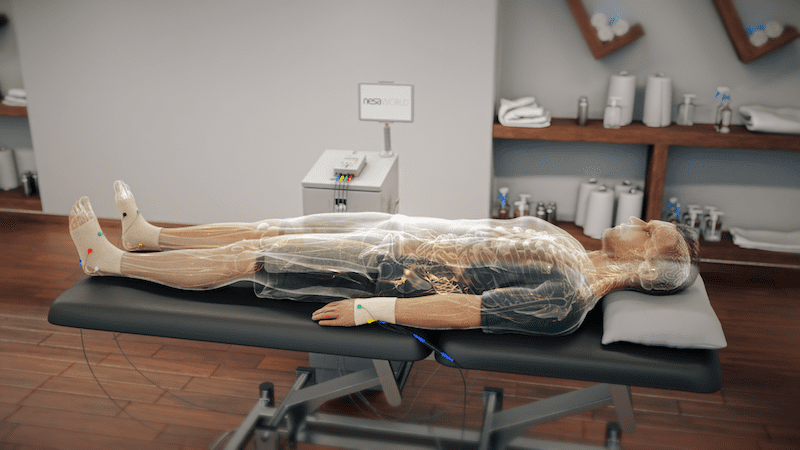
For nerve pain, pelvic hypersensitivity and pudendal pain, I use gentle neuromodulation – including EMTT and targeted stimulation techniques – to reduce nerve overactivity and improve the tissue environment. The aim is to reduce pain, normalize sensation and calm the nervous system. For some, the effect is felt quickly; for others, I build gradually over 6-10 weeks. The treatment is non-invasive (no needles) and you can typically be active the same day.
Pelvic floor, breathing and pain neuroscience
A tense or uncoordinated pelvic floor can aggravate both pain and erectile dysfunction. I teach you how to properly relax, activate and coordinate the pelvic floor – coupled with breathing, body awareness and graduated activity. We go through simple strategies that can be used at work, in training and in intimacy. You’ll get concrete do’s and don’ts, pace of progression and techniques to disarm the pain alarm so the nervous system gradually becomes less sensitive.
Lifestyle, sleep and blood sugar
You don’t need a perfect life to feel better. Small, smart adjustments make a big difference to nerves and blood vessels:
- Sleep: regular times and enough sleep depth improve insulin sensitivity and pain management. A quiet evening routine and screen-free time before bed can be enough to shift sleep quality.
- Movement: strength and moderate cardio increases blood flow to the nerves and penis and lowers inflammation. Short walks after meals and 2-3 simple strengthening exercises can be a strong starting point.
- Diet: stable blood sugar and protein for tissue repair – I create a plan you can stick to. The focus is on meal rhythm, fiber and realistic choices, not bans.
- Smoking and alcohol: concrete strategies for reduction if relevant to you. Small reductions provide measurable gains in vascular function and nerve health.
- Stress management: a calmer baseline dampens nervous system alertness and reduces pain. Simple breathing breaks and clear breaks in the calendar make it easier to stick.
Medication and assistive devices – how to talk to your doctor
Some people benefit from prescription medication for neuropathic pain (e.g. duloxetine, pregabalin/gabapentin or TCAs) or erectile dysfunction (e.g. PDE5 inhibitors like sildenafil/tadalafil). I’ll go through the benefits, side effects and timing of our training and guide you on how to have a targeted conversation with your doctor about your options. Assistive devices such as a vacuum pump or penis ring may also be relevant; I instruct on safe and effective use. Correct timing of medication (e.g. taking it in good time and paying attention to heavy meals for some medications) can be crucial for the effect.
Diabetic neuropathy: realistic expectations and timeline
Diabetic neuropathy can rarely be ‘reset’, but symptoms can often be significantly relieved and function can be improved. Many people experience:
- Less pain and anxiety in the pelvis
- Better erection quality and more predictable function
- Less post-drip and better bladder control
- Greater confidence in intimacy and everyday life
I typically plan a program over 6-12 weeks with clear goals and follow-up. I evaluate with you on an ongoing basis and make adjustments so that you get the most effect for your efforts. Progress can fluctuate from week to week; this is normal. The most important thing is a stable direction where we measure what matters to you – pain, function, intimacy and quality of life.
Frequently asked questions about diabetic neuropathy
Can diabetic neuropathy go away?
Full recovery is rare, but progression can be slowed and symptoms can be relieved. Many people experience significant improvement in pain, sensation and erection with a targeted combination of treatment, exercise and lifestyle interventions. I’ll help you find the level and rhythm that’s right for your body so the improvements last.
Do focused sound waves help if I have had diabetes for many years?
It depends on the degree of vascular and nerve involvement. If you have retained some vascular capacity, focused sound waves can improve vascular health and erection quality. I assess suitability with ultrasound and functional tests before deciding on a program with you. Often I combine with simple lifestyle adjustments to increase the chance of success.
Can the pudendal nerve become “normal” again?
Nerves heal slowly, but their sensitivity can be regulated. With neuromodulation, relief from provocative activities, pelvic floor training and gradual exposure, pain and discomfort can often be significantly reduced. The goal is resilience and fewer flare-ups – not perfection, but an everyday life that works.
When should I seek help?
If you experience erectile dysfunction, pelvic pain, discomfort in the crotch, increasing symptoms in your feet/legs or bladder problems – it’s time for an assessment. Early intervention makes a difference. The sooner you get a plan, the sooner I can help you slow down the progression and calm your body.
What tests should I consider via my GP?
Typically HbA1c, lipid profile, kidney/liver numbers, vitamin B12, vitamin D and relevant hormones for erectile dysfunction. I help you prioritize and formulate a specific request you can take to your doctor. When the foundation is in place, treatment and training work better.
Does exercise make my pain worse?
Short-term soreness may occur, but the right dosage and progression will reduce pain over time. I always adapt the program to your level and goals so you feel comfortable. We build gradually so your body can keep up – and adjust if something provokes.
How to get started with help for diabetic neuropathy
Reaching out can feel vulnerable – especially when it comes to erection, pelvis and intimacy. I welcome you with respect and concrete help. In the first consultation, you will:
- A thorough review of your symptoms and goals
- Neurological screening and pelvic floor assessment
- Advanced ultras ultras ultras ultras ultras ultras ultras ultras ultras of structures of relevant relevant structures
- A clear plan with realistic actions that fit your life
I have a clinic in Copenhagen and help men from all over Zealand and the rest of Denmark. Book an appointment or contact me for a no-obligation consultation. My goal is for you to leave with hope, direction and concrete tools – so you can feel change in your body, intimacy and everyday life.
If you are interested in hearing more about how I can help you, you are always welcome to contact me by phone 41 40 08 58 or email michael@msinsight.dk. I’ll get back to you quickly with a customized proposal so we can find the best way forward together.
Would you like a specialist assessment of your situation?
You don’t have to figure it out alone. Call directly or write a few lines about your symptoms – I’ll get back to you within 12-24 hours with a concrete suggestion for the next step.