
Written and medically reviewed by Michael Strøm
International speaker & expert in shockwave and EMTT treatment for erectile dysfunction, Peyronie’s & CPPS. Read more about me
Cycling and impotence: the truth about saddle pressure, erection problems and solutions
Cycling and impotence are often mentioned in the same sentence – and understandably this causes concern. Many men experience numbness in the crotch, tingling, tightness or pain after long rides. Some find that erections are harder to achieve or maintain, especially after intense exercise. I meet men of all ages, from the commuter to the amateur rider, who love their bike – but don’t want to pay with their erection and potency. I’ll give you an honest and concrete review of what’s proven, what’s myths, and how I can help you get back in the saddle safely without erectile dysfunction and unnecessary pain.
In this article
- What do we know from research on cycling and impotence?
- Typical signs that cycling affects your erection or pelvis
- What happens in the body? The three main mechanisms
- Risk factors you can influence
- Myths and facts about cycling, impotence and prostate
- Prevent erectile dysfunction as a cyclist – concrete advice
- When should you take a break – and when should you seek help?
- My approach in the clinic – safe diagnostics and targeted treatment
- Frequently asked questions about cycling and impotence
- Can cycling cause Peyronie’s disease?
- A realistic plan for worry-free cycling
- Move on safely – get in touch
What do we know from research on cycling and impotence?
Overall, cycling is a healthy sport with many cardiovascular and mental benefits. There is no evidence that cyclists in general have a higher risk of permanent erectile dysfunction than non-cyclists. However: prolonged and repeated pressure from the saddle on the perineum (the area between the scrotum and rectum) can temporarily reduce sensation, irritate nerves and inhibit blood flow to the penis. This can lead to temporary erectile dysfunction – and in a smaller group, repetitive strain can trigger longer-term symptoms such as chronic pelvic pain, pudendal neuralgia (over-irritated pudendal nerve) or persistent erectile dysfunction.
I see it as a “pressure x time” issue: the harder the pressure and the longer the time in the same position, the greater the risk. Fortunately, the body can adapt if the load is dosed sensibly and the equipment is right. The key is to react to early signals and adjust before the nervous system becomes permanently hypersensitive.
The risk is highest with:
- Long continuous rides without breaks
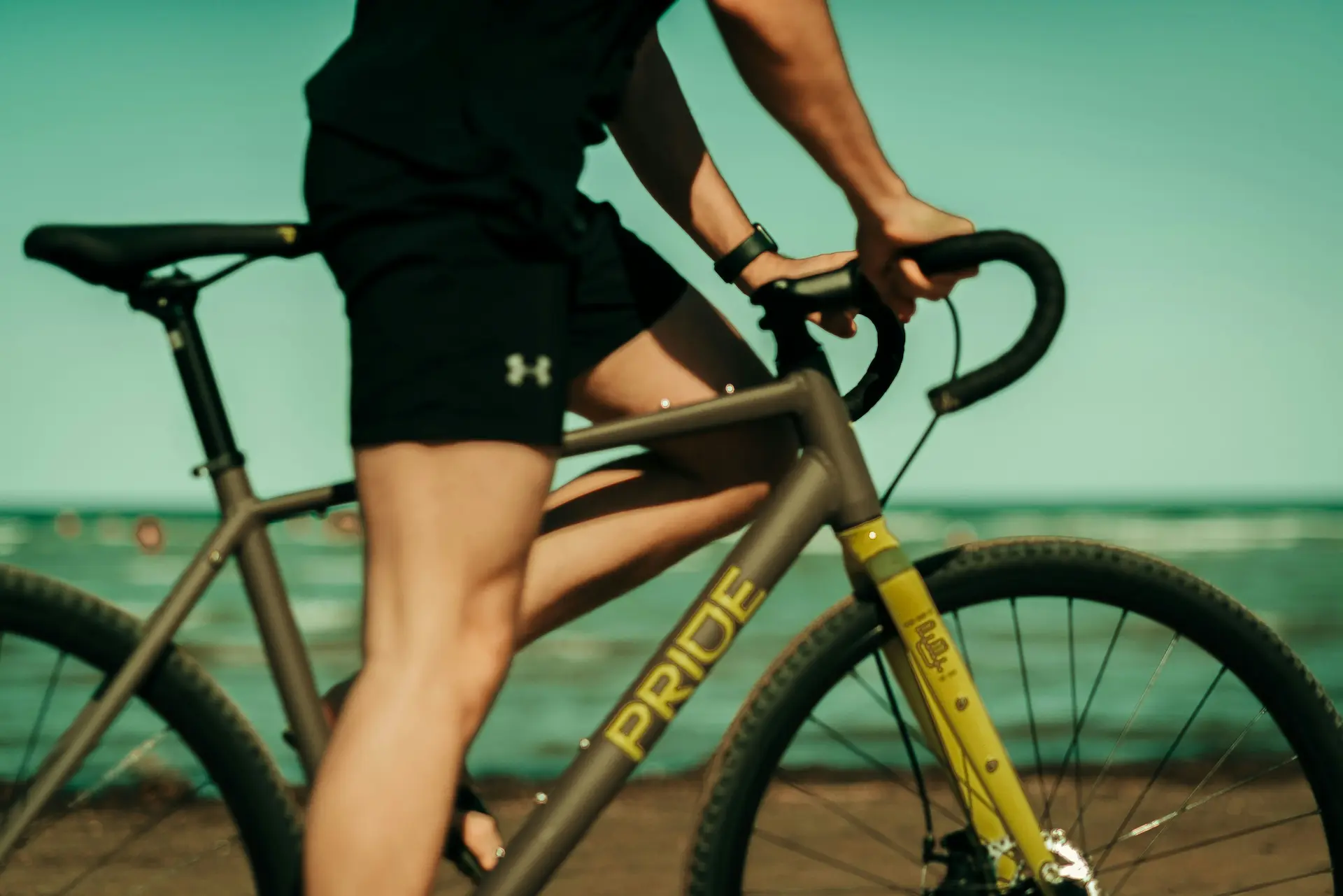
- Narrow, hard or incorrectly adjusted saddle (especially high saddle nose and high lumbar flexion)
- Aggressive, aerodynamic position with a lot of emphasis on the perineum
- Handlebars too low in relation to saddle height
- Underlying factors such as back, hip or pelvic problems, diabetes, smoking or vascular disease
Typical signs that cycling affects your erection or pelvis
- Numbness or tingling in the penis, scrotum or between the legs during/after trips
- Pain in the perineum when sitting or pressing on the saddle
- Weaker erections, especially after exercise or the next day
- Reduced sensitivity at gloss or shaft
- Pain during ejaculation or pelvic floor twitching
- Frequent urination, “irritable bladder” symptoms or feeling of “sitting on a golf ball”
If you experience this, it’s not a defeat – it’s a signal. The sooner you react, the easier it is to turn things around. A practical rule of thumb: the feeling should return a few minutes after a break or when you get off the bike. If the numbness persists or the morning jolts disappear for a period of time, it’s time to adjust and get a professional assessment.
What happens in the body? The three main mechanisms
1) Blood vessels to the penis
A hard or narrow saddle can squeeze the arteries and veins that supply the penis. This results in less blood flowing in and less flowing out – making it difficult to establish and maintain an erection. Temporary changes in blood flow are common with prolonged saddle pressure, but can usually be reversed with breaks, proper equipment and gradual adaptation. I work with specific changes in saddle width, nose bridle and cantle drop because small adjustments on a millimeter scale are often enough to shift the load back on the sit bones and away from the perineum.
2) The pudendal nerve and nerves around the perineum
The pudendal nerve provides sensation to the penis and controls parts of the pelvic floor. Repeated compression or friction can irritate the nerve, causing it to become hypersensitive. The result can be numbness, burning pain, “electric shocks”, tight pelvic floor muscles and problems with erection or ejaculation. This is a common but often overlooked cause of symptoms in cyclists. For signs of nerve irritation, I focus on pressure relief, gentle escalation, neuromodulation and simple nerve gliding exercises to normalize sensation without triggering pain.
3) Pelvic floor and muscle balance
A hunched over driving position and constant micro-shocks can make the pelvic floor overactive and tense. Many people think that more squats are the solution, but if the muscles are already “on guard”, this can exacerbate the problem. Focusing on relaxation, breathing and coordination is more relevant here. I teach you to release tension in the hips and pelvis with calm exhalations, and I link this to strengthening the buttocks and back muscles so that the weight is carried more by the skeleton and less by the soft tissues in the crotch.
Risk factors you can influence
- Saddle type and setting: width for your sit bones, pressure relief/cutout and correct angle
- Handlebar position: too much drop (handlebar lower than saddle) increases perineal pressure
- Driving style: long pulls in the same position without getting up
- Clothing: old or too thin pads; underwear under cycling shorts creates friction
- Training volume and recovery: lack of rest days or sudden increase in volume
- Cardiometabolic factors: smoking, obesity, high cholesterol and blood sugar affect erections
My advice is to think in small steps: one adjustment at a time and a few test runs so you can clearly feel what works. This gives you peace of mind and faster progress.
Myths and facts about cycling, impotence and prostate
Does cycling cause prostate cancer?
The answer is no. There is no proven causal link between cycling and prostate cancer. However, cycling can irritate tissue around the perineum and exacerbate symptoms from a sensitive bladder or an irritated prostate, but this is not the same as cancer. If you have persistent difficulty urinating, fever or blood in urine/semen, you should seek medical attention – regardless of cycling.
Does cycling make you infertile?
In general, no. Very high training volumes and heat can temporarily affect sperm count, but for most people it normalizes with adjustments and breaks. If you’re planning a fertility program, it may make sense to lower volume and optimize equipment. I’ll help you create a plan that takes both fitness and fertility into account without giving up cycling.
Is a little numbness normal?
Short-term numbness that disappears quickly after a break is not uncommon. However, persistent numbness, pain or erectile dysfunction is a red flag – you should take action. If you don’t feel any improvement after 24-48 hours, it’s a clear sign to get professional help.
Prevent erectile dysfunction as a cyclist – concrete advice
Saddle and position – my checklist
- Choose a saddle width that fits your sit bones. Too narrow increases front pressure. You can measure the width with a piece of flexible cardboard/foam and mark the distance between the bones.
- If you have perineal symptoms, consider saddles with pressure relief/cut-out or noseless designs. They shift the load back onto the bones.
- Keep the saddle nose slightly down (0-2 degrees). A nose pointing up increases the pressure significantly. Use a spirit level and adjust in small increments.
- Adjust the saddle height to avoid hip wiggle and groin overstretching. Too high a saddle can cause extra pressure in the crotch.
- Reduce handlebar drop. Handlebars at the same height or slightly higher than the saddle reduce perineal pressure and relieve the lower back.
- Move the grips slightly closer – too long a reach forces you too far forward. Millimeters make a difference.
Breaks and driving style
- Pedal for 20-30 seconds every 10-15 minutes to relieve pressure.
- Change hand position often and vary the hip angle.
- Plan micro-breaks on longer rides and get off the bike if you continue to feel numb.
Shorts, hygiene and skin
- Wear quality shorts with good padding (chamois) – without underwear underneath.
- Replace old shorts; the pad compresses over time.
- Apply appropriate cream if you are prone to chafing and keep your skin clean and dry after the ride. Wash shorts without fabric softener to protect the skin.
Training off the bike
- Focus on buttocks and hips: gluteal strength and hip extension balance pressure in the saddle.
- Mobility in the hip flexors and lower back decreases unnecessary forward bending.
- Core stability distributes load away from the perineum.
- Pelvic floor relaxation: calm nasal breathing, prolonged exhalation, pelvic floor stretching – not just squats.
When should you take a break – and when should you seek help?
Take a short break from cycling and adjust equipment if you experience numbness or mild pain that goes away quickly. Contact me for an assessment if:
- Numbness or pain lasting more than 24-48 hours after a trip
- You have recurring erectile dysfunction, especially after cycling
- You have pain when sitting, night pain or shooting pain in the penis/perineum
- Difficulty urinating or defecating, incontinence or rectal “lumpiness”
- Blood in urine or semen, fever or acute symptoms (then you need to be assessed urgently)
The sooner you get qualified help, the sooner you can get back to training – with a body that cooperates. It’s not about riding less, it’s about riding smarter.
My approach in the clinic – safe diagnostics and targeted treatment
I work with men who experience erectile dysfunction, pelvic pain and nerve symptoms related to cycling. The goal is simple: clarify the cause, eliminate unnecessary worries and guide you to a plan that works – no taboos and no finger pointing. I take the time to listen so you feel comfortable and understood from the first meeting.
Advanced examination with ultrasound
- Thorough conversation about symptoms, training, equipment and lifestyle
- Assessment of pelvic floor and nerve irritation through clinical tests
- Ultrasound of the penis and surrounding structures to assess tissue and blood flow
- If needed, Doppler assessment during controlled stimulation to detect vasogenic factors in erectile dysfunction
If there are any suspected conditions that require further tests (e.g. hormone status, blood sugar or cholesterol), I advise you to talk to your own doctor about relevant blood tests. If there are signs of urinary tract or prostate problems, I recommend that you have a parallel medical assessment so that we don’t miss anything.
Evidence-based treatments without knives and surgery
- Focused shockwave therapy: used for vasogenic erectile dysfunction and Peyronie’s disease; can stimulate blood vessels and soften scar tissue
- EMTT (electromagnetic transduction therapy): targeted tissue healing and pain relief in the pelvis and perineum
- Neuromodulation: reduces nerve hypersensitivity in pudendal neuralgia and chronic pelvic pain
- Individual plan for pelvic floor function: relaxation, coordination and gradual strengthening when the time is right
- Practical advice on bike fit, saddle selection and training structure so you can safely resume cycling
Treatment is customized to you. Some need a few focused sessions; others need a course of several weeks. The goal is a lasting recovery – and that you can ride without fear. I continuously follow up and make adjustments so you feel steady progress.
Advice on lifestyle, sleep and sex life
Erection is a sensitive indicator of health. I help you make realistic changes in sleep, stress management, weight, alcohol and smoking – and understand the connection between nighttime erections, psyche and biology. It’s down-to-earth, concrete and without moralizing, and the goal is a better quality of life – in the bedroom and on the bike.
Frequently asked questions about cycling and impotence
Does a noseless saddle help?
For many with perineal symptoms yes. Noseless or short saddles with high pressure relief reduce stress on the perineum. They require getting used to and often handlebar and reach adjustments. I’ll guide you on what makes sense for your anatomy and riding style or refer you for specialized saddle fitting with one of Denmark’s leading bike fit experts.
What if I also have back or hip pain?
Back and hips affect your position in the saddle and can increase front pressure. A plan that addresses mobility and strength in the hips, as well as correct saddle height and tilt, makes a noticeable difference – both for pain and erection. I’ll test what’s actually limiting you and give you targeted exercises and adjustments.
Can I continue training before a race?
Often yes – with adjustments. I can create a “relief” cycling week plan with more standing intervals, breaks, alternative fitness (e.g. swimming/rowing) and gradual recovery so you don’t lose fitness. The focus is to keep symptoms at bay while maintaining capacity.
Do Kegel exercises help?
Only if they are relevant. With an overactive pelvic floor, multiple squeezes can worsen pain and erectile dysfunction. I assess your pelvic floor and teach you the right strategies – often starting with relaxation and breathing, not strengthening.
What if the problem is “psychological”?
Erection is controlled by both body and mind. If you experience erectile dysfunction after an uncomfortable ride, performance anxiety can exacerbate the problem. I work with clear physical explanations, gradual exposure to cycling without pain and safe, concrete strategies to regain confidence. Often, the combination of physical therapy and peace of mind is enough.
Can cycling cause Peyronie’s disease?
The short answer is NO. Peyronie’s disease is a scar tissue formation in the shaft of the penis that can cause curvature, pain and erectile dysfunction. Repetitive microtrauma can be a contributing factor – also for cyclists, but is extremely rare. Typical early signs are a small, hard knot in the shaft, pain on erection and gradual curvature. I offer structured assessment and targeted treatment, including focused shockwave as part of an individualized plan, as well as advice on when it is relevant to involve your GP.
A realistic plan for worry-free cycling
My goal is not to take the bike away from you, but to give you back your freedom. I start by understanding why your symptoms have occurred. Then I work with you to create a plan that combines equipment optimization, exercises and, when appropriate, treatments like shockwave, EMTT and neuromodulation. Most people see significant progress within a few weeks when the cause is pinpointed and everyday life is adjusted appropriately.
Move on safely – get in touch
If you recognize yourself in the problem “Cycling and impotence”, you are far from alone. I help men from all over Copenhagen and Zealand get control of their erection, pain and worries – without shame and without taboos. Contact me with your questions or to book an appointment. Together we’ll find a solution so you can cycle with peace of mind and control your intimate health.
If you are interested in hearing more about how I can help you, you are always welcome to contact me by phone 41 40 08 58 or email michael@msinsight.dk. I’ll get back to you quickly with a customized proposal so we can find the best way forward together.
Would you like a specialist assessment of your situation?
You don’t have to figure it out alone. Call directly or write a few lines about your symptoms – I’ll get back to you within 12-24 hours with a concrete suggestion for the next step.