
Written and medically reviewed by Michael Strøm
International speaker & expert in shockwave and EMTT treatment for erectile dysfunction, Peyronie’s & CPPS. Read more about me
Mental erectile dysfunction – when the brain takes over the wheel
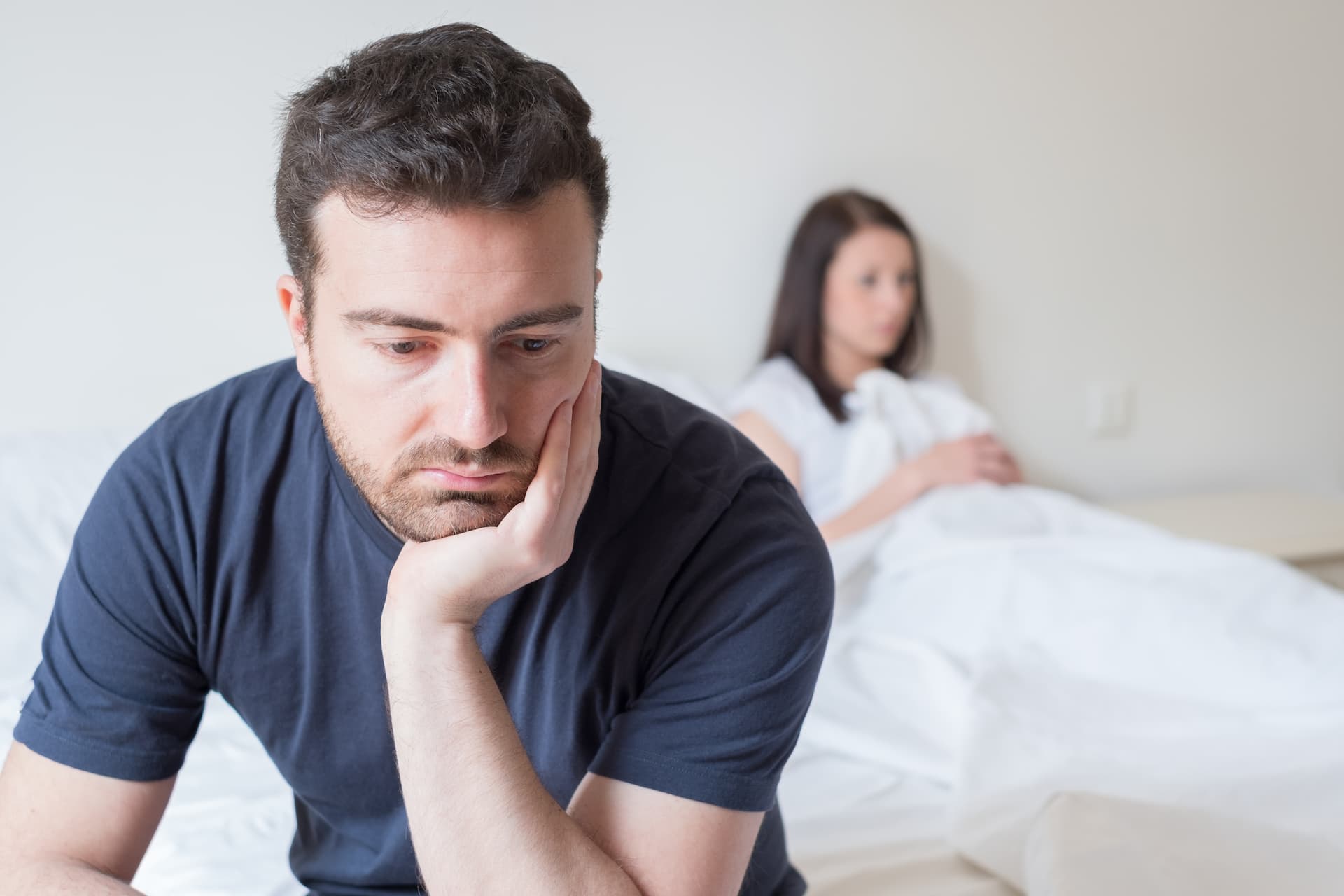
Do you find that your erection fails even though you really want to? Your mind races, your body tenses up and the harder you try, the worse it gets? You are far from alone. Psychogenic erectile dysfunction (psychogenic erectile dysfunction) is common – in both younger and older men – and can affect even those who “usually function”. I help men from all over Copenhagen and Zealand to regain peace of mind, control over their thoughts and get their erection back – without shame and without unnecessary complications.
In this article
- What is psychological erectile dysfunction?
- Typical symptoms and characteristics
- Why do psychological erectile dysfunction occur?
- Is it mental or physical? How to distinguish
- Treatment at MS Insight – holistic and evidence-based
- Frequently asked questions about psychological erectile dysfunction
- Why choose MS Insight?
- Your next step – I help you on your way
What is psychological erectile dysfunction?
Mental erectile dysfunction means that the challenge is primarily due to mental and emotional factors – not a specific physical injury. It could be performance anxiety, stress, relationship conflicts, depressive symptoms or a nervous system on constant ‘alert’. The result is the same: the brain slows down the body’s natural sexual response, making erection difficult to achieve or maintain.
An erection is a collaboration between the brain, nerves, blood vessels and the pelvic floor. When the calm part of the nervous system (parasympathetic) takes over, the blood flow to the penis increases and the tissue fills up. When the fight-flight system (sympathetic nervous system) takes over, the vessels and muscles contract and the erection weakens. In mental erectile dysfunction, this stress response is often triggered or amplified by thoughts, expectation pressure or anxiety – not because the body is “broken”. This is important because it means that when I help you regulate your thoughts, body and behavior, your erection can come back.
Typical symptoms and characteristics
- Erection disappears with attempted penetration – but you may have morning erections or an erection with masturbation.
- Erection fluctuates: it’s good in some situations, but fails in others (e.g. with a new partner).
- You feel inner turmoil, worry or pressure to “perform”.
- Overactive pelvic floor: tightness, tightness, discomfort or pain in the penis, scrotum, perineum or abdomen.
- Decreased desire as a result of stress, poor sleep or conflict.
- Difficult start-up problems: hard to get an erection, but when it finally happens, it often feels good.
- A lot of focus on “if it works” instead of enjoyment and contact – which in itself can slow down erection.
Why do psychological erectile dysfunction occur?
Performance anxiety and negative expectations
One bad experience can quickly become ingrained. The brain remembers the “mistake” and tries to avoid it next time. This triggers the fight-flight response (sympathetic activation), which inhibits blood flow to the penis. A vicious circle is set in motion.
I often see men start “testing” their erection in the middle of an intimate situation: constantly checking hardness, trying to control the process and losing touch with pleasure. It’s understandable – but it adds to the pressure. When I teach you to shift your focus to presence, breathing and pace, the circle gradually breaks.
Stress, sleep and strain in everyday life
Chronic stress, disturbed sleep and high workloads drag down libido and bodily calm. Even if your mind is in the mood, your body can be locked in a state of readiness that works against erection.
Many people find that changes in rhythm – less screen time in the evening, regular bedtimes, short relaxing breaks during the day – boost both desire and erection. Small, consistent adjustments make a big difference when targeted to your everyday life.
Anxiety, depression and medication
Anxiety and depression affect desire, energy and bodily response. Some medications, especially certain antidepressants (SSRI/SNRI), can cause erection and orgasm problems. This can often be managed with adjustments in consultation with your doctor.
I help you distinguish between medication side effects and psychological patterns and give concrete suggestions on how to talk to your doctor about alternatives, doses and timing to maintain the best overall effect.
Sexual habits and stimulus threshold
Frequent, one-sided stimulation (e.g. fast, hard thrusting during masturbation or highly curated porn) can make it harder for some to get an erection in more “normal” settings. It’s not about blame – it’s about helping the brain respond to presence, touch and realistic stimuli.
I typically suggest a period of habit change: slower pace, varied touch, focus on bodily cues and breaks from intense visual stimulation. The goal is to lower the stimulus threshold so that the body responds to contact, scent, sound and imagination again.
Relationship and communication
Insecurity, conflict or lack of communication in the relationship can slow down arousal. This doesn’t mean that “love is gone” – but that safety is a key component of sexual function.
I provide simple phrases and agreements that reduce pressure: agreed breaks, a “plan B”, and ways to say on and off without hurting. When the frame feels safe, the body often calms down on its own.
Pelvic floor and nervous system
Men with chronic pelvic pain (CPPS) or pudendal irritation often experience both pain and erectile dysfunction. The sensitivity of the nervous system and an overactive pelvic floor play a major role here. When we calm the muscles and nerves, erection often improves significantly.
I teach you to feel the difference between tension and support in the pelvis and show you specific relaxation strategies that don’t hurt: calm breathing, gentle stretching and gentle neuromodulation to quiet the nervous system.
Is it mental or physical? How to distinguish
It’s rarely either-or. Many people have a psychological trigger and a physical amplifier – or vice versa. My job is to map it all out so that the treatment hits the right spot.
Signs pointing to psychological factors
- Preserved morning or night erections.
- Better erection with masturbation than with partner.
- Fluctuating erection depending on the situation and thoughts.
Signs pointing to physical factors
- Increasing age, diabetes, high blood pressure, cardiovascular disease, smoking.
- Missed morning erections over a longer period of time.
- Penile pain, curvature (Peyronies) or trauma.
Thorough investigation with me
I use a combination of conversation, questionnaires and targeted physical assessment:
- In-depth medical history: symptoms, situations, relationship, sleep, stress, medication and lifestyle.
- Pelvic floor and nervous system assessment: signs of overactivity, trigger points, and pudendal impingement.
- Advanced ultrasound: assessment of tissue, scar tissue, Peyronie’s changes and relevant structures.
- Collaborate on any blood tests via your GP (e.g. testosterone, metabolism, lipids) if needed.
The goal is to clarify what’s driving the problem so that you have a plan that addresses your mind, muscles and biology.
As a rule of thumb, preserved night and morning erections are a strong sign that the vascular system is working. I can also guide you in simple home observations (e.g. noting hardness and situation for a week) so you get an overview of the patterns – without increasing control unnecessarily.
Treatment at MS Insight – holistic and evidence-based
I tailor a program for you. You get concrete tools from the first consultation, so you feel momentum – not waiting time.
1) Clear plan and concrete goals
- I help you set realistic interim goals: clearer morning erections, peace of mind, successful intimacy situations without performance pressure.
- You get a clear roadmap: what I recommend first and what comes next – step by step.
- We replace “all or nothing” goals with small, measurable steps so you can see progress quickly.
2) Sexological counseling and performance management
- Cognitive behavioral approach: learn to break worry and control behaviors with simple techniques (e.g. “park the thought” and attention shifting).
- Performance reset: methods that shift the focus from “must-do” to enjoyment and presence, including tempo adjustment and touch rhythms.
- Graduated exposure: safe exercises (e.g. sensate focus) alone or with a partner – no penetration required at first.
- Communication strategies: how to talk about it without draining the desire – short, honest sentences and agreed pauses.
- Breathing anchor: 4-6 calm breaths through the nose before and during intimacy to calm the nervous system.
3) Pelvic floor, pain and nervous system
- Relaxation rather than “more squeeze training”: many people need to release tension, not increase it.
- Neuromodulation: gentle nerve stimulation to reduce overactivity and pain in CPPS/pudendal involvement.
- EMTT (electromagnetic transduction therapy): can help muscles and connective tissue release tension and promote healing.
- Diaphragmatic breathing and pelvic coupling: soft belly, long exhalations and focus on “letting go downwards” in the pelvis.
- Gentle mobility: gentle hip and lumbar stretches that lower tension levels without provoking pain.
4) When there are also physical components
If I find signs of vascular or tissue conditions, I incorporate relevant physical treatments:
- Focused shockwave: evidence for vasculogenic erectile dysfunction. I always assess the indication carefully.
- Targeted guidance for Peyronies (curvature): pain management, curve and tissue conditions.
For primarily psychological erectile dysfunction, the main approach is sexological counseling, nervous system regulation and behavioral strategies. Physical modalities are only used if they fit your findings.
5) Medical support as a bridge
Some people benefit from PDE5 inhibitors (e.g. sildenafil/tadalafil) as a “confidence bridge” while I work with you to address the cause. I advise on options and work with your own doctor on prescription and safety. PDE5 use is contraindicated for nitrates and certain heart conditions – safety comes first.
I also go through practical use: timing, interaction with alcohol and expected effects to avoid unnecessary disappointment.
6) Lifestyle, sleep and recovery
- Sleep optimization: fixed times, screen hygiene and simple habits that boost testosterone and desire.
- Alcohol and cannabis: concrete plan for reduction, if applicable.
- Training: dosed strength and conditioning for better circulation and stress regulation – without triggering the pelvis.
- Diet and weight: realistic steps, not ban lists.
- Caffeine and nicotine: adjustments that reduce anxiety and improve sleep quality.
7) Partner involvement – when you want it
It’s up to you. For many, a few sessions with your partner is a game changer: better understanding, less pressure and a shared plan for intimacy that doesn’t lock you into performance.
I’ll help you with small agreements, such as a tap-to-pause marker or a plan for closeness without the need for an erection. It creates confidence – and confidence helps erection.
Frequently asked questions about psychological erectile dysfunction
Is it “just in your head”?
No – it’s system-wide. Thoughts affect the nervous system, muscles and blood vessels. When I calm the mind, the body follows.
Can young men have psychological erectile dysfunction?
Yes, you can. I often see men in their 20s and 30s with performance anxiety, stress and sleep challenges. It’s common – and effectively treated.
Is porn causing my problems?
Porn itself isn’t the “cause”, but for some, frequent, intense stimulation affects the brain’s expectation of sex. I’ll help you tweak habits and stimulus types so that the natural response returns.
Will I be on Viagra forever?
Usually no. Medication can be a temporary support while I help resolve the cause. Many people taper off completely. The decision is made together with your doctor.
Can I have sex during treatment?
Yes – and I plan it safely with you. Sometimes we start with intimate exercises without penetration requirements to break the pressure of performance. This often results in faster progress.
I also have pelvic pain – is it related?
Common. Overactive pelvic floor and pudendal irritation can cause both pain and erectile dysfunction. Here I combine neuromodulation, relaxation and graduated loading.
What if I don’t get morning erections at all?
Then I screen for physical conditions and collaborate on relevant blood tests/referrals. I rule out the serious – and treat what I find.
Can mental erectile dysfunction go away on its own?
Sometimes – but often – the problem is perpetuated by avoidance and worry. Early, targeted help shortens the process and reduces stress in the relationship.
Do squats help?
Only if there is weakness. Most people with psychological erectile dysfunction and/or CPPS need relaxation and coordination rather than harder squeezing. I test and adapt.
Why choose MS Insight?
- Specializing in men’s intimate health: erectile dysfunction, CPPS, pudendal impaction and Peyronies.
- Advanced diagnostics: ultrasound and clinical assessment so I don’t miss physical causes.
- Combination therapy: I bring together sexological advice, bodily methods and modern technologies in one place.
- Safe, direct and without taboo: I meet you at eye level – focus on solutions, not blame.
- Centrally located in Copenhagen – discreet, professional and with clients from all over Zealand.
- Individual programs – no standard packages, but a plan that fits your reality.
Your next step – I help you on your way
If you recognize yourself in mental erectile dysfunction, getting in touch now is a strong choice. The sooner the cycle is broken, the sooner your erection will return – and the better your body and mind will feel.
Contact me for a non-binding clarification or book an appointment directly. I’ll help you move from anxiety and doubt to calm, pleasure and a more stable erection.
You don’t have to do it alone. I’m here – without prejudice, with a professional approach and a plan that actually works.
If you are interested in hearing more about how I can help you, you are always welcome to contact me by phone 41 40 08 58 or email michael@msinsight.dk. I’ll get back to you quickly with a customized proposal so we can find the best way forward together.
Would you like a specialist assessment of your situation?
You don’t have to figure it out alone. Call directly or write a few lines about your symptoms – I’ll get back to you within 12-24 hours with a concrete suggestion for the next step.