
Written and medically reviewed by Michael Strøm
International speaker & expert in shockwave and EMTT treatment for erectile dysfunction, Peyronie’s & CPPS. Read more about me
Repressed sexuality: when the body says no and desire is discouraged
In this article
- What do I mean by “repressed sexuality”?
- Signs of repressed sexuality – in body and mind
- Why does repressed sexuality occur?
- The hidden connection: repressed sexuality, erectile dysfunction and pelvic pain
- My approach to repressed sexuality: reassurance, thorough assessment and targeted treatment
- Treatment options with me for repressed sexuality
- What can you expect from a course against repressed sexuality?
- Typical questions about repressed sexuality
- Who benefits from a program with me?
- How I help you out of repressed sexuality
- Take the first step – safely and discreetly
What do I mean by “repressed sexuality”?
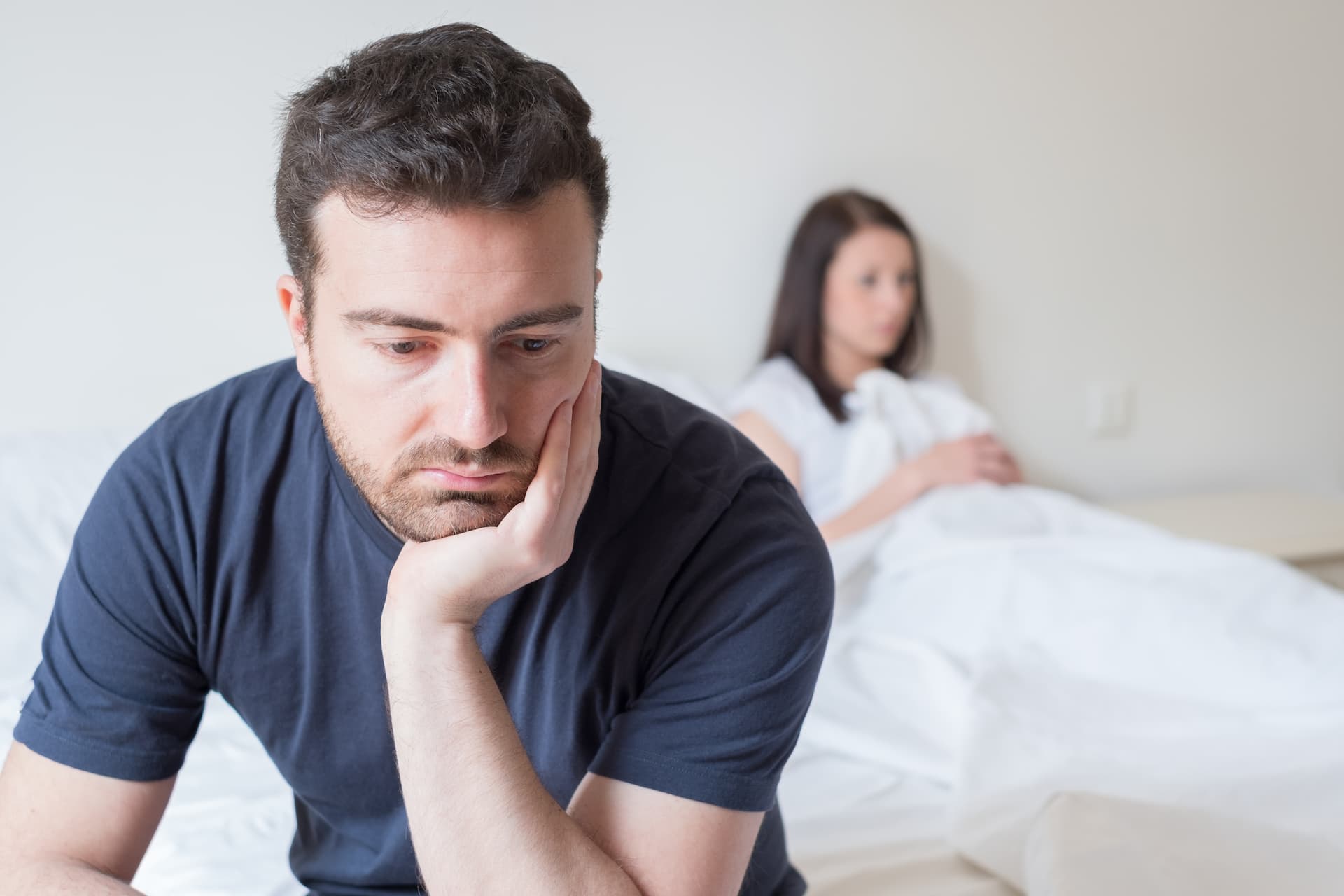
Repressed sexuality is when you – consciously or unconsciously – hold yourself back sexually. It may be out of fear of failure, because your body hurts, or because shame, stress or past experiences are holding you back. For many men, it manifests itself as erectile dysfunction, premature ejaculation, decreased desire, pelvic pain or a feeling of being “shut down” in intimacy. Some avoid sex altogether, others push themselves through – but lose the connection to pleasure and intimacy. Both are forms of repressed sexuality.
I work with men every day who struggle with this very thing. It’s not a character trait and you are not “weak”. It’s a pattern that can be unlearned and a body that can be helped back into balance. My approach is down-to-earth, evidence-based and taboo-free. I look at both the physical (blood flow, nerves, scar tissue, pelvic floor) and the mental (performance pressure, shame, habits) – and I help you find your way out.
For some, repressed sexuality starts after a single bad experience, a period of stress, an injury, surgery or changes in the relationship. For others, it slowly creeps in as a ‘new normal’. Whatever your starting point, I take it seriously and I’ll help you regain your body, clarity and courage in your sex life.
Signs of repressed sexuality – in body and mind
The signs are individual, but the pattern is recognizable: your body is trying to protect you by reducing desire and response. It’s understandable – and it can be changed.
Physical signs
- Erectile dysfunction (erectile dysfunction) – difficulty achieving or maintaining an erection
- Decreased sensitivity or “dead” sensation in the penis or pelvis
- Pelvic pain, especially around the perineum, scrotum, penis or around the rectum (typically with chronic pelvic pain/CPPS or irritation of the pudendal nerve
- Penile curvature, tenderness or nodule formation consistent with Peyronie’s disease
- Premature ejaculation or difficulty ejaculating
- Problems retaining urine (incontinence) – often related to the pelvic floor
Mental and relational signs
- Performance anxiety, over-focus on “delivering” or getting an erection
- Avoiding intimacy and closeness – “I can’t bear the risk of failure”
- Shame, sadness or a feeling of being “wrong” as a man
- Decreased desire, especially if sex is associated with pain, pressure or defeat
- A feeling of disconnection from the body – you feel less pleasure
Why does repressed sexuality occur?
The body: Circulation, nerves and tissues
A large part of sexual function depends on blood flow and nerve communication. Erection is a finely controlled interaction between the brain, nerves, blood vessels and penile tissue. If blood vessels are less flexible, nerves are irritated or there is scar tissue (e.g. Peyronie’s), function and pleasure decrease. The condition of the pelvic floor is key: a too tight pelvic floor can increase pain, inhibit erection and worsen ejaculation and urination.
I therefore examine both tissue quality and nerve and vascular response. Small changes in tissue or nerves can have a big effect on perceived desire and control. When the physical barriers are alleviated, the brain again receives positive signals from the body – and this is when desire and trust in the body often begin to return.
The pain-fear-tension cycle
With chronic pelvic pain (CPPS) or irritation of the pudendal nerve, pain can create fear, which increases muscle tension in the pelvis. The tension causes more pain – and the body learns that sex = discomfort. Over time, you suppress desire. This is a normal but inappropriate protective strategy that can be broken with the right treatment.
I work systematically to interrupt this cycle: reducing pain, creating safety, rebuilding movement and pleasure in small, manageable steps. When the body experiences that intimacy doesn’t hurt, tension is released and the nervous system shifts from alarm to calm.
Psychosexual factors
Performance pressure, perfectionism, past negative experiences, relationship conflicts, porn-influenced pace and expectations, stress and lack of sleep – all these affect the nervous system and sexual response. It’s not “just mental”, but the psyche is an important part of the whole. Just as you can tense your shoulders from stress, you can also tense your pelvis and shut down desire.
I help you turn down the focus on performance and up on bodily signals: breathing, pace, presence and communication. Small adjustments in expectations and behavior often create significant improvements in both desire and erection.
Lifestyle and medicine
Being overweight, inactivity, smoking, too much alcohol, poor sleep and certain medications (e.g. some antidepressants and antihypertensives) can affect erection, desire and ejaculation. Blood sugar regulation, blood pressure and hormone balance (e.g. testosterone) also play a role. I can advise you to talk to your GP about relevant tests if there is a suspicion of an underlying medical factor that is not tested by me.
It’s not about big lifestyle changes from day one. I help you with realistic micro-habits that fit into everyday life – because what you can stick to works best in the long run.
The hidden connection: repressed sexuality, erectile dysfunction and pelvic pain
Repressed sexuality often occurs at the intersection of pain, disappointment and control. When sex becomes a “project”, spontaneous desire decreases. When pain or curvature creates uncertainty, avoidance occurs. When you try to control erection on purpose, you paradoxically make it harder. That’s why I treat the chain – not just one link:
- Relieving pain and irritation in nerves and tissues
- Improving blood flow and tissue quality
- Pelvic floor relaxation and rehabilitation
- Adjusting habits, sleep and stress
- Safe and concrete sexological guidance that lowers performance pressure
The combination makes the difference. When pain subsides, tissues and vessels function better, and the brain gains new safe experiences, the inner handbrake releases. This is when you start to feel more pleasure, longer lasting erections and less need to “override” your body.
My approach to repressed sexuality: reassurance, thorough assessment and targeted treatment
Confidential conversation at eye level
I start with a thorough conversation about symptoms, lifestyle, sexual history and your goals. No finger pointing – just curiosity and professionalism. You set the pace and I explain everything so you feel comfortable. You can always say on and off, and I ensure clear agreements so we work on exactly what’s most important to you.
Advanced diagnostics – so I get it right
- Ultrasound scan of the penis and relevant structures to assess blood flow, tissue quality and any changes consistent with Peyronie’s
- Assessment of pelvic floor function: tension level, coordination and pain points
- Screening for patterns that can irritate the pudendal nerve
- Review of medication, sleep, stress and dietary habits
The examinations are gentle and respectful. I explain what I’m doing and why, and only the necessary tests are performed. If the symptoms indicate the need for further blood tests or hormone measurements, I’ll guide you on how to discuss this with your own doctor.
Tailor-made course – combination of methods
I customize treatment based on your findings and goals. Courses can combine tissue and nerve treatments with behavioral strategies and sexological guidance to remove barriers and help you rebuild desire and function. We work step-by-step with clear milestones and simple home exercises you can fit into your everyday life.
Treatment options with me for repressed sexuality
Shockwave with focused sound waves
Focused sound waves can stimulate blood vessels and tissue to heal better. It is used for erectile dysfunction and Peyronie’s-like changes to improve blood flow and affect scar tissue. The treatment takes a short time, you’re awake and there’s typically only slight transient soreness afterwards.
I usually schedule a series of treatments over weeks to give the tissue time to respond. Along the way, I measure the response and adjust the intensity so you get maximum effect with minimal discomfort.
EMTT (electromagnetic transduction therapy)
EMTT is a non-invasive magnetic stimulation that can affect cellular healing processes and reduce tissue irritation. I often use it for chronic pelvic pain and pelvic nerve irritation.
Most people describe EMTT as a rhythmic, deep buzzing in the area that leaves a pleasant “calm in the body”. It’s a great supplement when tissues and nerves need to be gently helped back into balance.
Neuromodulation
Gentle nerve stimulation can “calm” overactive pain signals and restore better interaction between brain, nerves and muscles. This is relevant for pain, hypersensitivity and pudendus-related discomfort.
The aim is to tone down the alarm signals so that the body dares to let go again. Many people experience less pain, better control and a more stable erection response when the nervous system gets this “relearning”.
Pelvic floor: relaxation and function
Too many people unconsciously tighten their pelvic floor. I guide you to find and release the tension and we gradually practice better coordination. The goal is less pain, more control and better erection quality – without overtraining.
We work with simple techniques: calm breathing, conscious relaxation, gentle movements and gradual retraining of power and timing. You’ll learn to distinguish between tension and release – a crucial skill for both desire and release.
Sleep, habits and stress
Small changes can make a big impact: better sleep routines, adjusting screen time, caffeine and alcohol, more movement and heart rate – all targeted to your level. I make it realistic and sustainable.
I use a “small steps” approach: for example, a regular bedtime routine, 10 minutes of daily movement, screen-free time before bed and daylight in the morning. It lowers stress, boosts energy and frees up space for desire.
Sexological counseling: from performance to presence
I help you shift your focus from “I need to perform” to “I want to feel”. You get concrete tools: pace, touch, communication with your partner, realistic expectations and gradual exposure to intimacy without pressure. Desire often returns when the body is comfortable and the brain gets new, good experiences.
It can be agreed intimacy without penetration, clear “stop/break” agreements, and guided exercises to feel pleasure rather than chasing an erection. That way you build courage and pleasure layer by layer.
What can you expect from a course against repressed sexuality?
- A clear plan: what I’m doing now, what you can do in between sessions and what the next steps are
- A combination of treatments, home exercises and adjustments you can manage
- Gradual improvements over weeks to a few months – pace depends on starting point
- Realistic goals: I don’t promise miracles, but I work hard to move what can be moved
- Open dialog about what works for you – I continuously adjust
Typical questions about repressed sexuality
“Is it just psychological?”
No, it isn’t. Mind and body are connected. For many people, there are both physical and mental factors. I examine both and treat the whole. When we address the body, the mind becomes calmer – and vice versa.
“Do the treatments hurt?”
Most treatments are gentle. Focused sound waves may cause mild soreness for a short time. Neuromodulation and EMTT are typically tolerable. I customize the intensity to you and explain what to expect on an ongoing basis.
“Will it help if I’ve already tried erection pills?”
Yes, because pills don’t always address the cause. If blood flow, nerves, pelvic floor or psychological factors are key, a combined approach can provide better and more sustainable results. I’ll help you find the right combination.
“What if I have Peyronie’s disease and am concerned about curvature?”
I assess tissue and pain and look at how I can gently affect scar tissue, reduce pain and improve function. At the same time, I work on confidence and sexual technique so that curvature doesn’t become a hindrance to your sex life.
“Can I make my condition worse by exercising incorrectly?”
Yes, this can happen with hard or indiscriminate pelvic floor training if you are already tense. That’s why I guide you in relaxation and correct dosage so you don’t overload.
“Should I be naked during examination or treatment?”
Only if it’s necessary to assess the relevant area. I always explain what I’m doing and why, and you can speak up. Your safety is important.
“How many treatments does it take?”
It varies. Some people notice effects after a few sessions, others benefit from a program lasting several weeks. I set milestones so you can follow the progress and I evaluate the effect on an ongoing basis.
“Can stress and poor sleep really kill desire?”
Yes, you can. The nervous system prioritizes survival over pleasure. When I help you improve sleep and reduce stress, you free up resources for desire and erection.
“How much does it cost?”
Prices depend on the scope of the examination and choice of treatments. At first contact, I’ll give you a clear overview so you know what you’re agreeing to.
“Do I need a referral?”
No, you can contact me directly. If additional tests are needed, I advise you to talk to your own doctor.
Who benefits from a program with me?
- Men with erectile dysfunction, reduced desire or performance pressure
- Men with chronic pelvic pain (CPPS) or signs of pudendal nerve irritation
- Men with Peyronies-related discomfort such as curvature and pain
- Men with incontinence or pelvic floor function challenges
- Men who feel their sexuality has been “turned off” and want to get it back – safely and without shame
How I help you out of repressed sexuality
My goal is simple: to reconnect your body, your desire and your courage. Not as a project, but as a natural part of your life. I use advanced diagnostics with ultrasound, targeted treatments like focused sound waves, EMTT and neuromodulation, and I give you concrete tools for sleep, stress, pelvic floor and sexological well-being. You get a plan that makes sense and a partner who takes you seriously.
I help you translate professional knowledge into everyday habits and concrete actions so you can feel progress – both alone and with a partner. It’s about quality of life, presence and being able to trust your body again.
Take the first step – safely and discreetly
It can feel overwhelming to reach out. But you’re far from alone, and there’s a lot I can do with you. I offer programs at my clinic in Copenhagen, and I have clients from all over Denmark – especially Copenhagen and Zealand. Contact me, tell me briefly about your challenges and get an honest assessment of how I can best help you.
Repressed sexuality should not define you. It’s a pattern that can be changed. Start today.
If you are interested in hearing more about how I can help you, you are always welcome to contact me by phone 41 40 08 58 or email michael@msinsight.dk. I’ll get back to you quickly with a customized proposal so we can find the best way forward together.
Would you like a specialist assessment of your situation?
You don’t have to figure it out alone. Call directly or write a few lines about your symptoms – I’ll get back to you within 12-24 hours with a concrete suggestion for the next step.