

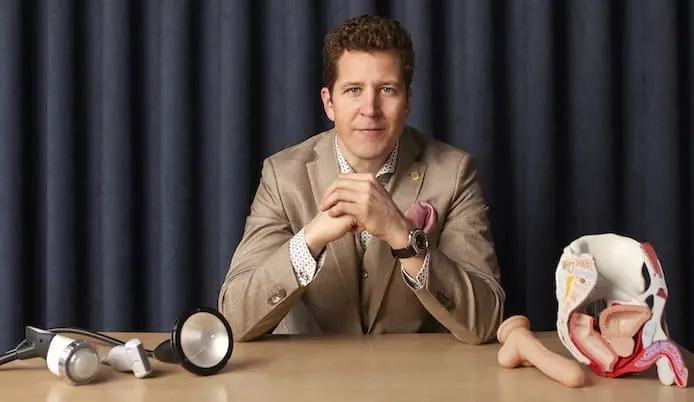
Written and medically reviewed by Michael Strøm
International speaker & expert in shockwave and EMTT treatment for erectile dysfunction, Peyronie’s & CPPS. Read more about me
Sexuality – when something gets in the way of desire, erection or pleasure
Most men expect sexuality and erection to just work. When erection fails, when there’s pelvic pain, or when desire disappears, it can feel like your identity is faltering. I meet many men of all ages who have gone too long alone with it – out of shame, doubt or because they don’t know where to start. At MS Insight, I work purposefully, professionally and respectfully with men’s sexuality, so you get clarity about the causes and a plan that works in your reality. You’ll be met without prejudice, with a focus on peace of mind and concrete steps you can take from the very first visit.
In this article
- What is healthy sexuality for men?
- Why do problems with sexuality occur?
- Diagnostics: Clarity before treatment
- Treatment: Evidence, technique and human insight
- What can you realistically expect?
- Sexuality and the psyche: Let go of shame and take back control
- When should you seek help?
- Frequently asked questions about sexuality
- How the first consultation with me works
- Why choose MS Insight for your sexuality?
- Take the first step – you don’t have to solve it alone
What is healthy sexuality for men?
Healthy sexuality is not just about getting and maintaining an erection. It’s also about desire (libido), connection to the body, absence of pain, enjoying sex – alone or with a partner – and feeling safe and comfortable in your body. When any of these are challenged, it often affects self-esteem, relationships and happiness. My approach is holistic: I examine both the physical mechanisms (blood vessels, nerves, tissues, pelvic floor) and the psychosexual factors (stress, performance pressure, habits, expectations). I help you distinguish between desire, arousal and erection – three different processes that influence each other but are not the same thing – to give you a realistic and hopeful picture of what can be improved.
Typical challenges I help with
- Erectile dysfunction(erectile dysfunction) – difficulty getting/maintaining an erection, fluctuating erections, “mornings are gone”.
- Peyronie’s disease – curvature, hardness/plaque in the penis, pain on erection.
- Chronic pelvic pain (CPS) – pressure, burning, aching, pain in the penis/sacrum/perineum, often affecting the pudendal nerve.
- Incontinence or leakage – dribbling or weak control, especially after surgery or with an overactive pelvic floor.
- Performance anxiety and sexual performance issues – nervousness, worries, porn-induced anticipation, difficulty “being in the body”.
- Decreased desire and fatigue – fluctuating libido, low energy, sleep problems.
- Orgasm/ ejaculation problems – delayed or rapid ejaculation, pain on ejaculation.
Why do problems with sexuality occur?
Often it’s a combination of several factors. It’s my job to find out what’s driving your symptoms – and in what order I best address them. I work from a bio-psycho-social understanding: the body, nervous system and everyday life affect each other. When I map out patterns in your symptoms, I can target the areas that will have the fastest effect and most lasting improvement.
Circulation and tissue
Erection is heavily dependent on well-functioning blood vessels and heart function. Reduced blood flow in the penis, micro-damage to the tissue or low elasticity can cause erectile dysfunction. Smoking, high blood pressure, cholesterol and diabetes often play a role. Peyronies are caused by scar tissue formation in the tunica (penile sheath), which can bend and hurt. I assess both vessel function and tissue quality and explain to you what the findings mean for your training, possible treatments and expected course.
Nervous system and pelvic floor
Overactive pelvic floor, tension and irritation of the pudendal nerve can cause pain, sensory disturbances and erectile dysfunction. With CPPS, muscles and nerves often go into ‘alarm’ and the body maintains circles of pain that are amplified by stress and worry. I teach you how to regulate tension levels and rebuild normal patterns in the nervous system to gradually release pain and discomfort.
Hormones and energy
Low testosterone, under-treated metabolism, sleep apnea or chronic stress can affect desire, erection and recovery. It’s important to uncover whether hormonal or medical factors are at play. I focus on your sleep quality, daytime energy and recovery because this is often where the first improvements are seen when the body gets better conditions.
Medicine, lifestyle and habits
Certain medications (e.g. some antidepressants and beta blockers) can affect erection and desire. Alcohol, many late nights, inactivity and nicotine don’t help. Overuse of porn and increased stimuli can also change expectations and reaction patterns. I help you make small, realistic adjustments that don’t feel like deprivation, but strengthen your sexuality and well-being.
Relationships and psychosexual factors
Pressure to perform, conflicts, shame and negative experiences can take hold in the body. When fear of failure takes over, the body tenses up – making erection and pleasure more difficult. This is normal. I work respectfully and concretely to loosen that grip. Together, we translate “head noise” into simple actions so you can reconnect with your body and be present in the moment again.
Diagnostics: Clarity before treatment
I always start with a thorough conversation and targeted examination. The goal is to understand your symptoms and prioritize the most effective course of action. You’ll get clear explanations so you know why I’m recommending those particular tests and interventions and what they mean for your sex life and function.
What happens at the first consultation?
- In-depth conversation about symptoms, progression, relationships, sleep, medication and expectations.
- Standardized questionnaires as needed (e.g. IIEF for erectile function/ erectile function).
- Clinical examination of the pelvic floor, mobility and pain pattern.
- Advanced ultrasound scan of the penis and/or pelvis to assess tissue, blood flow and possible scar tissue.
If there is a suspicion of hormonal or metabolic effects, I advise you to talk to your GP about relevant blood tests (e.g. testosterone, fasting glucose/HbA1c, lipid profile, metabolism) and any cardiovascular risk assessment. This provides a solid basis for decision-making. Ultrasound is done from the outside of the skin and is gentle; I explain what I’m seeing so you can follow along and ask questions.
Treatment: Evidence, technique and human insight
I tailor programs that can consist of one or more of the interventions below. The goal is to address both biology and behavior – that’s where the results last best. I create a clear sequencing and homework plan so you know what to do and what to expect week by week.
Focused sound waves (shockwave therapy)
Focused sound waves are a proven method to stimulate tissue healing, increase microcirculation and promote the formation of new blood vessels. For erectile dysfunction, research shows improvement in many, especially for mild to moderate erectile dysfunction and vascular causes. For Peyronie’s, treatment can reduce pain and in some cases reduce plaque-related discomfort. The treatment is done on the skin, takes a few minutes per area and requires no anesthesia. I typically plan a short, intensive course and combine it with exercises to anchor the effect in everyday life. Not everyone responds in the same way – that’s why I continuously measure your response and adjust the strategy.
EMTT (electromagnetic transduction therapy)
EMT uses rapid pulses of electromagnetic fields to affect cell repair processes and nerve signaling. I use EMT for chronic pelvic pain and muscular tension in the pelvic floor, often in combination with other interventions. Many experience pain relief and better tissue responses to exercise. The sensation is typically a rhythmic, deep stimulation without the need for needles or gel, and the treatment is short and gentle.
Neuromodulation
Neuromodulation is targeted, low-intensity stimulation that helps to “turn down” the alarm state of the nervous system. It is relevant for pudendal pain, overactive pelvic floor and chronic pain that has become habitual in the nervous system. The technique is gentle and can be combined with breathing and relaxation. I teach you simple home exercises so you can maintain the effect between sessions.
Pelvic floor training – strength and relaxation
A strong pelvic floor is good – but a stiff and overactive pelvic floor can cause pain and worsen erectile dysfunction. I instruct you on finding the right balance between strength, coordination and relaxation. You’ll be given specific exercises to suit your findings and your goals. I use biofeedback and simple body scans so you can feel the difference between tension, release and support – and avoid “overtraining” muscles that are already too active.
Sexual counseling and performance management
I work directly and respectfully with performance pressure, expectations, communication and pleasure. You get simple tools to slow down, regulate nerves, use breathing and body cues, and – if applicable – structures to change porn and masturbation habits. Partner can be involved if desired. I teach you to shift the focus from “performing” to “feeling and enjoying” so that intimacy and pleasure are more likely.
Lifestyle, sleep and energy
Small, realistic changes in sleep, alcohol, nicotine, weight and physical activity can make a big difference to sexuality. I help you choose what works best for you – without morals and quick fixes. I often start with sleep hygiene, regular movement and more daylight, because it boosts energy, mood and hormone balance – the foundation for a more stable sex life.
Home program and follow-up
You get a manageable home program that fits into your everyday life. Follow-up ensures that I adjust the course in line with your progress. I use simple measurement tools (e.g. erection quality, pain and desire charts) so you can clearly see what’s working and where we need to focus next time.
What can you realistically expect?
- For erectile dysfunction, many see improvement over 6-12 weeks, especially when focused sound waves are combined with targeted training and lifestyle.
- For Peyronie’s, options depend on disease stage and degree of curvature. Pain can often be mitigated; curvature is assessed individually.
- For chronic pelvic pain, the course is often longer, but with a structured plan, pain and function can gradually improve.
- For psychological challenges, the process can take anywhere from 2-6 months, as it takes time to change habits and old unhelpful patterns.
I never promise miracles. I promise professionalism, honesty and a dedicated effort to move what can be moved. You get clear benchmarks for how we measure progress and when to change course if the body calls for a different approach.
Sexuality and the psyche: Let go of shame and take back control
Shame and silence keep problems alive. I meet you without taboos and we talk about what’s bothering you – directly, but with respect. When you understand what’s happening in your body, your shoulders drop and it becomes easier to act. In my experience, this combination – knowledge, physical treatment and concrete strategies – produces useful results. You don’t need to “pull yourself together”; you need the right help at the right pace.
When should you seek help?
- When the erection fails repeatedly or fluctuates for no clear reason.
- When you have pain in the penis, scrotum, perineum or during sex/ ejaculation.
- When the desire is gone or performance anxiety is so strong that you avoid sex.
- When you feel curvature or hard areas in the penis.
- When leakage/incontinence interferes with everyday life or sex life.
The earlier you take action, the easier it usually is to move forward. A brief clarification can often save you months of worry and half-measures.
Frequently asked questions about sexuality
Is fluctuating brightness normal?
Yes, you can. Desire is affected by sleep, stress, relationships, health and hormones. If fluctuations turn into a prolonged absence of desire, it makes sense to investigate the causes and work on them. I help you separate biology from habits and expectations so you can rediscover a desire that feels natural.
Can erectile dysfunction be a sign of cardiovascular disease?
They can. The blood vessels in the penis are small, so problems can show up here before anywhere else. For new, persistent erectile dysfunction, I advise you to have a preventive talk with your doctor about relevant check-ups. It’s not to make you feel uncomfortable – it’s common sense and good self-care.
Does treatment with focused sound waves hurt?
Many people experience slight discomfort or tingling, but not actual pain. The treatment is short and without downtime; you can go to work or exercise afterwards. I customize the intensity to keep you comfortable throughout the process.
What about EMTT and neuromodulation – are there side effects?
Side effects are typically mild and transient, such as a feeling of tired muscle or slight irritation in the area. I always assess contraindications and adjust intensity. If you notice unexpected reactions, I adjust immediately.
Can I have sex during a course?
Yes, without a doubt – and rebuilding comfort and enjoyment is often part of the plan. For Peyronie’s or acute pain, I adjust the activity level to rest the tissue when needed. You get concrete guidelines on what is wise and when.
Does quitting porn help?
If your expectations and stimulation patterns have been “screwed up”, a period of resetting and more body-centered stimulation can help. I’ll give you a concrete plan that is realistic for you. The goal is not prohibition, but to restore sensitivity and presence.
Can medication affect sexuality?
Yes, several drug groups can affect erection and desire. I will go through your medication list and guide you on what to talk to your doctor about if you suspect side effects. You never change medication without consulting your doctor – I’ll help you have an informed discussion.
Does pelvic floor training always help?
It helps when trained correctly. An overactive pelvic floor often needs to learn to let go first. I test and instruct so that your efforts hit the mark. When the muscles can relax, it creates better conditions for erection, pleasure and pain relief.
How many treatments do I need?
It depends on the problem and goal. Many programs are around 6-12 sessions with clear homework assignments. I evaluate continuously so you don’t get too little or too much treatment.
Is it confidential?
Yes, you can. You’ll be treated with respect and discretion. You set the pace and I talk to you about what you’re ready for. Records and data are handled securely and professionally.
How the first consultation with me works
You book an appointment and I’ll send you a short questionnaire so we can use our time efficiently. When you arrive at the clinic in Copenhagen, we’ll review your history, examine relevant areas and make a plan. You’ll leave with concrete knowledge about causes, suggestions for a course of treatment and first steps you can take right away. If relevant, you will also receive guidance on which blood tests or health checks you may want to discuss with your GP. My goal is for you to leave feeling calmer – and with a direction that makes sense to you.
Why choose MS Insight for your sexuality?
- Professional expertise and modern diagnostics – including ultrasound scans and functional tests.
- Combination therapies with evidence – focused sound waves, EMTT and neuromodulation.
- Holistic approach – technique meets psychology to improve function and calm your body.
- Individual, respectful processes – without taboo, without moralizing, with a focus on what works for you.
- Convenient for men from all over Zealand – clinic centrally located in Copenhagen.
Take the first step – you don’t have to solve it alone
If your sexuality is lagging, it’s not a sign of weakness – it’s a signal that your body or nervous system needs help. I’m ready to listen, investigate and help you move forward safely. Book an appointment or contact me for a non-binding clarification. The most important thing is that you take action – I’ll figure out the rest together with you.
If you are interested in hearing more about how I can help you, you are always welcome to contact me by phone 41 40 08 58 or email michael@msinsight.dk. I’ll get back to you quickly with a customized proposal so we can find the best way forward together.
Would you like a specialist assessment of your situation?
You don’t have to figure it out alone. Call directly or write a few lines about your symptoms – I’ll get back to you within 12-24 hours with a concrete suggestion for the next step.