

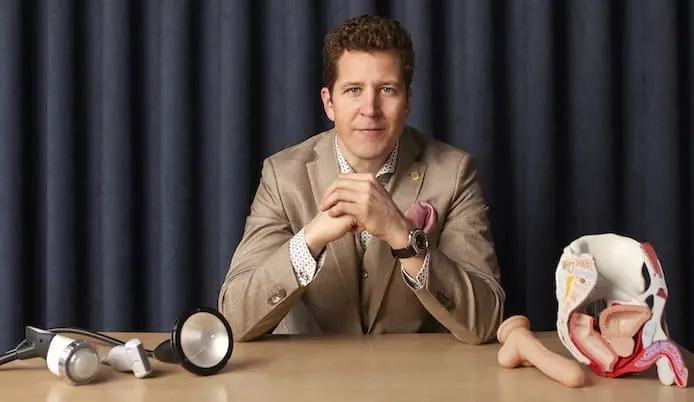
Written and medically reviewed by Michael Strøm
International speaker & expert in shockwave and EMTT treatment for erectile dysfunction, Peyronie’s & CPPS. Read more about me
Red spots on the penis – what do they mean and what do you do?
Red spots on the penis can cause concern – for your health, sex life and relationships. You are far from alone. As a men’s intimate health specialist, I encounter it regularly: red dots, round spots, itching, burning after sex or exercise, rashes under the foreskin or on the glans. Some cases are harmless and go away on their own. Others require targeted intervention because they affect erection, desire, pelvic pain or comfort in intimate situations. My job is to calm you down, find the cause and help you move on – without taboos and in a language you can understand. I differentiate between irritation, infection, skin disease and blood vessel changes so you don’t have to guess and get a plan that works in everyday life.
In this article
- Typical causes of red spots on the penis
- What your symptoms of red spots on the penis may point to
- Red spots on the penis, sex life and erection – why it’s connected
- What I do in the clinic
- What you can do now for red spots on the penis
- When should you seek help immediately for red spots on the penis?
- Frequently asked questions about red spots on the penis
- Why choose MS Insight when you struggle with red spots on the penis – and more
- Take the first step today
Typical causes of red spots on the penis
Irritation, friction and contact dermatitis on the penis
Frequent masturbation, long hours of cycling, tight clothing or new products (soap, lube, detergent, intimate hygiene, deodorant) can irritate the delicate skin and cause red spots on the penis. Contact dermatitis often presents as red, slightly raised areas that may sting or itch. Breaks from the irritation and gentle care usually help quickly. A simple clue: if the redness turns pale with light pressure (blanching), it is often superficial irritation. I recommend a few mild products, short showers, careful drying under the foreskin and taking it easy on the friction for a while.
Balanitis on the penis (inflammation of the foreskin/ glans)
Balanitis is irritation or inflammation of the glans/ foreskin – typically in men with foreskin, and often triggered by insufficient drying after washing, soap residue, heat/humidity, microtrauma or skin flora imbalance. Symptoms can include red, shiny patches, soreness, burning sensation, possibly smelly discharge. It’s uncomfortable, but usually resolvable with targeted self-care and – when necessary – medical treatment from your doctor. Over-washing can make the problem worse, so it’s best to switch to lukewarm water, pat dry and use a temporary condom during sex until the skin is calm. If the foreskin is tight, it can retain moisture and irritation – here I guide you on gentle stretching and when medical assessment is relevant.
Fungal infection (candida) and bacterial causes on the penis
Candida fungus thrives in warmth and moisture and can cause red spots, itching, whitish coating and burning. Partners with vaginal thrush can be a contributing factor. Bacterial irritations can resemble thrush, but often cause more redness, warmth and possibly swelling. Accurate assessment is important here so that you don’t treat with the “wrong” products that make things worse. Sweat, tight-fitting clothes, high blood sugar and a recent course of antibiotics increase the risk of fungus – small adjustments in habits can make a big difference. If in doubt, I can guide you on what tests your doctor can take (swab/culture) before using antifungal or steroid cream.
Sexually transmitted infections (STIs) as a cause of red spots on the penis
Some STIs can cause red spots, blisters or sores:
- Herpes: small painful blisters that burst and turn into sores; may start as redness and tingling.
- Syphilis: typically a painless sore (chancre), but early red changes can be missed.
- HPV/molluscum: more often skin-colored warts/buds, but irritation redness around them is common.
If you suspect an STI, you should be tested. I will guide you on which tests to request from your GP (e.g. PCR for chlamydia/gonorrhea, blood tests for syphilis/HIV and assessment for herpes). Until the cause is known, I recommend using a condom and avoiding painful sex – it protects both you and your partner and gives you time to heal.
Penile skin diseases: psoriasis, lichen sclerosus and lichen planus
Skin conditions can present differently on the penis than elsewhere on the body:
- Psoriasis: red, well-defined patches – on the penis often without the typical white scales.
- Lichen sclerosus: white or reddish changes, fragile skin, small tears and tight foreskin; can significantly affect sex life.
- Lichen planus: flat, reddish-purple spots, itching and tenderness.
Skin diseases are often mistaken for fungus or irritation. I’ll help you get the right assessment and help you protect your skin barrier while you await dermatological supervision.
Folliculitis, razor bumps and heat rash on the penis
Small red dots after shaving or depilatory cream are common. Folliculitis (inflamed hair follicles) can cause sore, red bumps with a small white tip. Hot, humid environments – such as workout clothes or a long day at work – can make it worse. Gentle shaving, a break from scratching and clean, loose clothing will help. Shave in the direction of the hair, use a clean blade, rinse with lukewarm water and finish with a mild, unscented barrier cream – not alcohol or strong antiseptics, which can further irritate.
Blood vessel changes on the penis: angiokeratomas and small blood blisters
Angiokeratomas are small red to dark purple vascular bumps that are mainly found on the scrotum, but can also occur on the penis. They are usually harmless, but may bleed when irritated. Small petechiae (pinpoint bleeding) can occur after friction or vigorous sex and look like many small red dots that do not disappear with pressure. I assess the pattern and rule out serious causes – then it’s about removing triggers and allowing the vessel to heal.
Drug reactions on the penis (fixed drug eruption)
Some people get a round, well-defined red spot – often in the same place – triggered by certain medications (e.g. NSAIDs, antibiotics). The spot returns when the medication is taken again. The color may change to brownish after the outbreak. If you recognize the pattern, I’ll help you describe it to your doctor so that the medication can be adjusted.
When it’s serious: precancerous lesions on the penis
A red, velvety spot on the glans (erythroplasia/penile cancer in situ) is rare but important to catch early. It does not disappear spontaneously and may bleed or crust. Long-standing, unexplained red changes should be assessed. Early detection provides peace of mind – either because we can rule out suspicion or because treatment can start early.
What your symptoms of red spots on the penis may point to
- Itching and white coating: often fungal/balanitis.
- Burning and red, shiny spot on the glans: often irritative balanitis or Zoon balanitis in uncircumcised patients.
- Small red dots after sex/exercise: friction/petechiae.
- Sore red bumps with a “white tip”: folliculitis/shaving buds.
- Blisters that turn into sores: often herpes.
- Persistent, well-defined red spot that does not disappear: requires assessment for skin disease or precancer.
- Tight foreskin, small tears and pain: think lichen sclerosus or recurrent balanitis.
Symptoms overlap – so guesswork and haphazard treatment can slow things down. My focus is to clarify what’s actually happening and get you moving forward with confidence. I look at the big picture: triggers, skincare, sexual habits, clothing, sweat, medication and any accompanying pelvic pain.
Red spots on the penis, sex life and erection – why it’s connected
When the skin is irritated or sore, the body naturally tenses up – including the pelvic floor. This can cause burning to the touch, pain on erection or after ejaculation and fear of symptoms flaring up after sex. This combination can trigger a vicious cycle: worry, avoidance, performance pressure and weaker erections. If you also suffer from chronic pelvic pain syndrome (CPPS) or pudendal nerve involvement, tissue hypersensitivity can exacerbate redness and pain. Here, it doesn’t just help to “put something on” – I help you calm the nervous system, optimize pelvic floor function and restore peace of mind and body.
What I do in the clinic
Conversation and examination – safe and taboo-free
I start with a thorough, respectful conversation: when did the red spots on the penis start, what triggers them, what does it do to your sex life and what are your concerns. I gently examine the area, assess the skin pattern and look for signs of infection, inflammation or friction. The goal is calm and clarity – not to make it clinical and distant. You set the pace and I’ll explain what I’m doing so you feel comfortable every step of the way.
Advanced diagnostics for red spots on the penis when relevant
- Ultrasound scan: not for actual skin patches, but valuable for concurrent issues such as erection, pain or suspected Peyronie’s disease (changes in the tunica albuginea), penile blood flow and assessment of scar tissue.
- Functional assessment of pelvic floor and nerves: helps with pain, burning, hypersensitivity and erectile challenges – often a key for recurrent irritation.
- Guidance for relevant tests with your GP: e.g. swab/culture for suspected fungus/bacteria, PCR for STIs and blood tests if needed. I’ll help you with what you need to ask for so you don’t go in vain.
Treatment plan – tailored to your goals
The plan is concrete and actionable. Examples:
- Irritation/balanitis: gentle intimate hygiene, break from soap and perfume, proper drying, temporary sex break or condom, local barrier care. If needed, referral to prescription medication via your GP. I often recommend a neutral, oily cream or a thin barrier with zinc oxide on the surrounding skin to reduce friction.
- Recurring fungus/infection: targeted advice on treatment, clothing/habits and partner strategy so you don’t infect each other in turn.
- Skin disease (suspected): I guide you in getting a dermatological assessment via your GP – and I help you reduce pain, anxiety and functional impact.
- Concurrent erectile dysfunction or Peyronie’s: I offer evidence-based treatments including focused sound waves, EMTT (electromagnetic transduction therapy) and neuromodulation, which can improve blood flow, reduce pain and promote tissue healing.
- CPPS/pelvic pain: calm neuromodulation, relaxation and targeted pelvic floor exercises as well as advice on sleep, stress, alcohol, tobacco and medications that can irritate mucous membranes and skin.
What you can do now for red spots on the penis
- Protect the skin for 7-10 days: avoid soap, perfume and disinfectants on shine/pre-skin; rinse with lukewarm water and pat dry.
- Keep the area dry and cool: loose cotton underwear, change after exercise, avoid tight pants.
- Pause from shaving in the intimate area until the redness is gone.
- Avoid sex that hurts. Use a condom if you want to be intimate until the cause is clarified.
- Stop newly introduced products (lube, detergent, latex condoms) and reintroduce one at a time later.
- Use a mild barrier cream on the surrounding skin – not under the foreskin if it bothers you – to protect against friction.
- Don’t “puncture” buds or pilling – it prolongs healing and increases the risk of infection.
- If you have diabetes, pay attention to your blood sugar levels – high levels predispose to fungus.
- Take a neutral photo in good lighting to follow the development over days/weeks – helps with assessment.
When should you seek help immediately for red spots on the penis?
- Rapid redness, swelling, fever or severe pain.
- Painful blisters/sores, new discharge or suspected STI.
- Red spot that does not heal within 2-3 weeks, bleeds or crusts.
- Difficulty retracting the foreskin (paraphimosis) or urinary pain.
- Persistent or recurring rashes that affect your sex life or quality of life.
Frequently asked questions about red spots on the penis
Are red spots on the penis dangerous?
Most often not. Most are caused by irritation, balanitis, fungus or razor bumps. But persistent or atypical spots should be assessed – especially if they bleed, crust over or don’t change over time. A quick assessment can save you anxiety and unnecessary treatment.
Could it be cancer?
Rare, but possible. A red, well-defined, velvety spot on gloss that does not disappear requires assessment. The earlier the better. I will help you get the right referral if I suspect something serious.
Is my partner contagious?
Only if the cause is contagious, such as herpes, fungus or other STI. Until the cause is clarified, condoms are a good idea. I’ll guide you on when testing is relevant with your GP and how best to take care of each other in the meantime.
Will it go away on its own?
Irritation and mild flare-ups often resolve with gentle care in 1-2 weeks. If it persists or returns, I’ll help you find the cause and close the triggers so it doesn’t flare up again.
Can condoms cause red spots?
Yes – especially with latex allergies or with fragrance/flavored lubes. Try latex-free condoms and neutral lube. If you still react, I’ll work with you to find the gentlest alternatives.
Is it fungus even if it doesn’t itch?
Fungus often itches, but not always. The absence of itching does not rule out fungus – but it could just as easily be irritative balanitis or psoriasis. A targeted assessment is important to choose the right treatment.
I get red spots after sex or masturbation – what can I do?
Reduce friction: use neutral lubricant, change positions, avoid prolonged hard pressure, take breaks and give your skin time. Also check if shaving or tight clothing is a factor. I can adjust your strategy so you can be intimate without triggering symptoms.
Should I be circumcised for recurrent balanitis?
Rarely necessary. First, I optimize hygiene, drying, skin care and treat any infections via your GP. For persistent problems and tight foreskin, you can discuss options and pros/cons with your GP – I will prepare you for the consultation.
Can hot tubs or saunas cause red spots?
Yes, heat and moisture can dissolve the skin barrier and trigger irritation or fungus. Rinse with clean water afterwards and pat dry. Avoid tight-fitting, damp swimming trunks for long periods of time.
Do antibiotics help?
Only if there is a bacterial infection. For fungus or irritation, antibiotics can make the problem worse. Treatment must match the cause – I help you get it right the first time.
Why choose MS Insight when you struggle with red spots on the penis – and more
- I only work with men’s intimate health – you meet without prejudice and without shame.
- Holistic approach: skin, nerves, blood vessels, pelvic floor, sleep, stress and sex life are connected – and so is treatment.
- Advanced diagnostics: shockwave therapy for erectile dysfunction, Peyronie’s and pelvic pain; functional assessment of pelvic floor and nerve impingement.
- Evidence-based pathways: focused sound waves, EMTT and neuromodulation for erectile dysfunction, pain and Peyronie’s disease.
- Practical, actionable advice from day one – so you can feel the difference quickly and confidently be intimate again.
- Clinic in Copenhagen with clients from all over Zealand and the rest of the country – discreet, respectful and solution-oriented.
Take the first step today
Red spots on the penis are not something you have to deal with alone. Whether it’s irritation, fungus, a skin condition or something that’s affecting your sex life and erection, there’s help available. Book an appointment for a calm, professional assessment – I’ll help you get peace of mind, peace of body and a sex life that works. If you need tests that aren’t done in the clinic, I’ll guide you on exactly what to ask your GP for. Let’s get it right – properly and without taboo.
If you are interested in hearing more about how I can help you, you are always welcome to contact me by phone 41 40 08 58 or email michael@msinsight.dk. I’ll get back to you quickly with a customized proposal so we can find the best way forward together.
Would you like a specialist assessment of your situation?
You don’t have to figure it out alone. Call directly or write a few lines about your symptoms – I’ll get back to you within 12-24 hours with a concrete suggestion for the next step.