
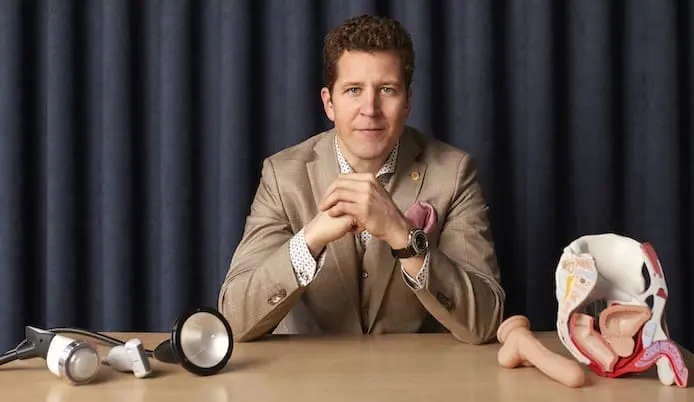
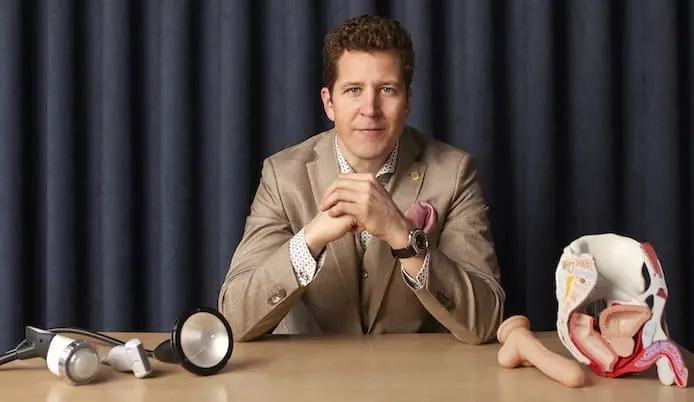
Written and medically reviewed by Michael Strøm
International speaker & expert in shockwave and EMTT treatment for erectile dysfunction, Peyronie’s & CPPS. Read more about me
Prostate and alcohol: how it affects erection, pelvis and your everyday life
The short answer
When I talk about prostate and alcohol with men in the clinic, I see a clear pattern: alcohol can worsen urinary symptoms, trigger pelvic pain and make it harder to get or maintain an erection. The effect varies from man to man, but almost everyone with prostate or pelvic vulnerability experiences some form of aggravation – especially after beer and wine or larger amounts. The good news is that you can test it systematically, adjust your habits and get targeted treatment if the symptoms have taken hold. I’ll guide you safely through the process – with a plan you can stick to every day.
In this article
- How alcohol affects the prostate, pelvis and erection
- Prostate and alcohol – what does the research say?
- Typical questions about Prostate and alcohol
- Practical plan: test if alcohol triggers your symptoms
- Help and treatment in the clinic – tailored to your situation
- When should you respond urgently?
- Prostate and alcohol: take the next step – I’ll help you safely move forward
How alcohol affects the prostate, pelvis and erection
Bladder and prostate: more urine, irritation and pelvic stasis
- Alcohol has a diuretic effect: it inhibits antidiuretic hormone (ADH) so you produce more urine. The result is more frequent urination, urgency, nighttime trips to the bathroom and difficulty emptying your bladder completely – all classic symptoms if you already have enlarged prostate (BPH) or bladder irritation. A simple solution is to avoid alcohol 3-4 hours before bedtime and reduce your fluid intake in the evening.
- Mucosal irritation: Beer, red wine and sparkling wine in particular can irritate the bladder and urethra. Fermented drinks contain histamine and other biogenic amines that in some men provoke burning, pressure and increased cravings. Carbon dioxide bubbles and high acidity in sparkling wine can further aggravate cravings in sensitive individuals.
- Temporary swelling and a feeling of pressure: Alcohol dilates blood vessels and can cause a feeling of “fullness” in the pelvis. If you have prostatitis/CPPS (chronic pelvic pain), the increased blood flow and nerve sensitivity can be experienced as a flare with pressure, tenderness and heaviness in the perineum. This is also known as pelvic stasis – a form of blood and tissue accumulation that increases nerve input from the area.
If you recognize the pattern, it often helps to plan when and what you drink – and to have a concrete strategy to calm your bladder and pelvic floor the next day (hydration, warmth, calm breathing and short, leisurely walks).
Nervous system, hormones and inflammation
- Nervous system: Alcohol initially dampens inhibitions, but many experience a rebound with more anxiety and tension in the hours after – especially at night. If your pelvic floor is already tense, it can increase pain and give a tight, “locked” feeling. A simple 4-6 breath (4 seconds in, 6 seconds out for 3-5 minutes) can calm overactivity in the nervous system.
- Hormones and blood vessels: Heavy and/or frequent alcohol consumption can lower testosterone, increase aromatization to estrogen and impair endothelial function (the ability of the vessel wall to dilate). This impairs the natural mechanism of erection, which relies on good vascular function and nitric oxide signaling.
- Inflammation: Alcohol promotes systemic inflammation and can activate mast cells. In men with CPPS or irritable bladder mucosa, I often see clear exacerbations after alcohol – especially after several days in a row. An alcohol break of 14-28 days often reduces the inflammatory “background noise”, so the treatment works better.
Sleep and recovery
Alcohol may make you fall asleep faster, but sleep becomes more restless, shallow and interrupted. Poor sleep affects pain processing in the brain, muscle tension in the pelvic floor and next-day hormone balance. Even moderate amounts can cause a measurable drop in testosterone the next day. For you, this can be felt as more pain, less sex drive and less erection.
I recommend stopping alcohol at least 3-4 hours before bedtime, cutting down on fluids in the latter part of the evening and peeing before going to bed. If you experience nighttime urination, avoiding late-night snacks high in salt and sugar and keeping the bedroom cool and dark can help. Small steps like combining nighttime urination into one trip can also lead to more consistent sleep.
Erectile function and orgasm
- Short term: A few drinks can reduce performance anxiety, but alcohol also inhibits nerve conduction and muscle coordination. This makes the erection itself more uncertain, the orgasm less intense and it can be harder to feel the stimulation clearly.
- Longer term: Regular higher consumption increases the risk of erectile dysfunction, decreased sensitivity and delayed ejaculation – often because vascular function, hormones and nerves are damaged. Some also experience more stubborn early fatigue in the penile soft tissues.
- Interaction with medication: Alcohol’s blood pressure lowering effect can amplify the side effects of PDE5 inhibitors (e.g. sildenafil) and alpha blockers (in BPH). This can cause dizziness or malaise. If you use nitrates for heart disease, do not combine them with PDE5 inhibitors at all – and alcohol can increase the risk of a sharp drop in blood pressure. I will guide you on how to use your medication safely and plan around alcohol.
Prostate and alcohol – what does the research say?
Prostatitis and chronic pelvic pain (CPPS)
There is no single study that explains all the mechanisms, but clinically I see over and over again that alcohol worsens pain, pressure and urinary urgency in men with CPPS. It makes biological sense: more urine, irritated mucous membranes, pelvic vasodilation, poorer sleep and increased neuroinflammation push symptoms in the wrong direction. In men with mast cell and histamine sensitivity, the pattern is often particularly evident. When I target treatment while reducing alcohol, the frequency of flare-ups typically drops significantly.
Enlarged prostate (BPH) and urination symptoms
In BPH, the bladder is already overworked. Alcohol increases diuresis and can cause nighttime urination, urgency and leakage. Some men also experience a slightly weaker stream and a feeling of not being emptied. It’s not dangerous in itself – but it is bothersome and over time it can perpetuate a vicious cycle of poor sleep and more pelvic unrest.
It helps to spread out the day’s fluid intake, hold back after late afternoon, plan one last urination before bed and avoid late night top-up drinks. In the clinic, I’ll walk you through specific strategies to help you rest at night without becoming dehydrated.
Prostate cancer – what do we know and what don’t we know?
The link between prostate and alcohol in prostate cancer is not fully understood. However, research suggests that heavy alcohol consumption increases overall cancer risk and may be associated with a more aggressive course in some men. Moderate consumption does not appear to be protective. If you have concerns about PSA or family history, it makes sense to minimize alcohol and have a plan for testing. I will guide you on how to talk to your GP about relevant blood tests (e.g. PSA) and any additional tests that are not performed in the clinic. If you are receiving treatment for prostate cancer, it is also wise to discuss alcohol with your oncologist, as alcohol can affect the liver’s metabolism of medication and your recovery.
Typical questions about Prostate and alcohol
Which drinks are the worst – and which are best tolerated?
- Often worse: Beer, red wine and sparkling wine. They contain more histamine and other biogenic amines that can irritate the bladder and trigger pain/pressure. Dark beers and natural wines can be extra provocative for some.
- Often better tolerated: Clear spirits in small quantities, diluted and with food. Dry white wine can be better than red wine for some. It’s not about “switching to gin”, but about reducing irritation and quantity.
- Non-alcoholic alternatives: Choose still water, herbal teas or non-alcoholic drinks with low acidity and few additives. Some people find that non-alcoholic beer can also irritate – test it.
- Individual differences: Some people tolerate one type of wine fine, but get flare from beer – or vice versa. The safe way is to test systematically (see the plan below).
How much is “safe” for the prostate?
The National Board of Health’s recommendation is a maximum of 10 drinks per week and a maximum of 4 on the same day. If you have prostate, pelvic or erectile dysfunction symptoms, many people find that even lower levels work better – or that a period without alcohol makes a clear difference. Especially with CPPS and severe urination problems, I often recommend a full 14-28 day break to see what your body can actually do when it gets some rest.
If you want to continue drinking a little, spread it out over the week, plan non-alcoholic days and avoid “saving” for one night. It makes a big difference to your bladder, sleep and erection.
Can I drink if I am on PDE5 inhibitors, alpha blockers or antibiotics?
- PDE5 inhibitors (sildenafil, tadalafil etc.): Alcohol can increase the risk of dizziness and blood pressure drops. Hold back and avoid binge drinking around sex. Get up slowly if you feel dizzy.
- Alpha blockers (e.g. tamsulosin for BPH): Similarly, the combination can cause dizziness – be careful, especially in the first weeks. Take your time when getting up at night.
- Antibiotics: With some antibiotics (e.g. metronidazole) you should avoid alcohol completely. With others, alcohol can increase side effects. Always follow the package leaflet. If in doubt, ask – I’ll help you get an overview and plan safely.
Why do I get pain in my perineum the day after drinking?
- Dehydration and more concentrated urine irritates the mucosa.
- Rebound activation in the nervous system increases muscle tension in the pelvic floor.
- Less sleep and more inflammation lowers the pain threshold.
The buzzing feels like soreness, pressure and burning – often accompanied by more frequent urination. This is a classic CPPS flare. Next day relief: drink water evenly, apply heat to the perineum, do calm diaphragmatic breathing for 5-10 minutes and stay away from coffee and spicy food until the irritation subsides.
Does alcohol affect sperm quality and ejaculation?
Higher and/or regular consumption can negatively affect sperm count, volume and hormones. Acutely, alcohol can both delay and dampen orgasm, and some experience more irritation in the urethra and glans the next day. As sperm cells mature over approximately 2-3 months, a reduction in alcohol will often only be seen in sperm quality after a few weeks. I’ll help you with a realistic plan if fertility is also on your radar.
Practical plan: test if alcohol triggers your symptoms
Step 1: 14-28 day alcohol-free trial
- Take a complete break from alcohol.
- Track your symptoms daily: urinary frequency, nighttime trips, pelvic pain/pressure, erection (quality and stability), energy and sleep. Feel free to use a simple 0-10 scale.
- Also note coffee, spicy food, stress and sex – then I can work with you to separate the effects.
- Keep other habits as stable as possible so that you can more easily see the effects of the alcohol-free period.
Step 2: Controlled reintroduction
- Choose one type of drink at a time (e.g. 1-2 small glasses of white wine with food).
- Avoid consecutive days. Keep at least 48-72 hours apart while tracking symptoms.
- Assess honestly: What happened that night and what happened the next day? Also note sleep quality and nocturnal toilet visits.
- Stop and take a step back if you see a clear deterioration – this protects your momentum.
Step 3: If you want to drink – four rules for minimum harm
- Drink slowly and with food. Avoid binge drinking and late-night drinking.
- Prioritize sleep: Stop alcohol 3-4 hours before bedtime.
- Hydrate wisely: One glass of water between each item; a little extra salt/electrolytes can help.
- Choose what you can tolerate: often smaller quantities and fewer “fermented” drinks. Avoid very sweet or highly carbonated mixes late at night.
As a general rule, I recommend avoiding alcohol 24-48 hours before and after treatments in the clinic (shockwave, EMTT, neuromodulation). This allows the tissues, nerves and vessels to rest – and gives a more accurate picture of how the treatment is working.
Help and treatment in the clinic – tailored to your situation
Thorough investigation with an eye for the big picture
I start with a structured conversation and a functional pelvic floor examination. If needed, I use advanced ultrasound scanning to assess relevant structures, bladder emptying and conditions that may affect your symptoms. I clarify with you what makes things worse and what helps – including your response to alcohol, caffeine, stress and sleep.
If there are signs of conditions that need further investigation (e.g. PSA, signs of infection, hormones, blood sugar or metabolism), I will guide you on how to have a concrete and effective dialog with your GP about relevant tests and any additional tests that are not performed in the clinic. The goal is to give you a clear plan and peace of mind.
Evidence-based treatments that work in practice
- Focused shockwave therapy: Stimulates vessel growth and tissue repair for erectile dysfunction and can reduce pain around tendon attachments in the pelvis. I customize the intensity and area according to your symptoms.
- EMTT Magnetolith (electromagnetic transduction therapy): Affects cell regenerative processes and can reduce pain and inflammation in deeper tissues. Particularly useful for long-term discomfort.
- Neuromodulation: Targeting the hypersensitivity of nerves in the pelvis. Good for CPPS, pudendal neuralgia and bladder irritation. I use protocols that are gentle and gradually build up.
- Pelvic floor function: Many men walk around with an overstretched pelvic floor that is easily aggravated by alcohol. I teach you how to find relaxation, coordination and power so that pressure, burning and the urge to pee release their grip.
- Sex advice at eye level: Strategies for performance, desire, timing, communication and assistive technology – without taboos.
- Lifestyle plan: Sleep, stress, exercise, diet and a realistic alcohol strategy you can stick to. Small, smart changes make a big difference over 4-12 weeks.
What can you realistically expect?
Most people notice improvement within 3-8 weeks when I combine targeted treatment with adjusted alcohol consumption and better sleep. For erectile dysfunction, vessel function, sensitivity and confidence will typically improve gradually and you will be given tools to stabilize the effect.
With CPPS, I see fewer flare-ups, less pressure in the perineum and more peace in the bladder and pelvic floor. I follow the progress with simple charts so you can clearly see what’s working and where we need to adjust.
When should you respond urgently?
- Fever and marked malaise along with severe pelvic pain.
- Acute emptying problems (you can’t charge the water).
- Blood in the urine, severe testicular/groin pain or kidney pain.
It’s rare – but important to act quickly if it occurs.
Prostate and alcohol: take the next step – I’ll help you safely move forward
You’re not alone and you don’t have to “suck it up” or live with it. If you feel that your prostate and alcohol are linked – whether it’s erectile dysfunction, night-time urination, pressure in the perineum or an uneasiness in your body that you can’t shake – there’s a lot I can do for you. I meet you without prejudice, with a professional approach and a plan that fits your life.
Book an appointment and I’ll help you find out what’s going on in your body – and how to manage the symptoms. The goal is clear: less pain and anxiety, better erections, calmer nights and more freedom in everyday life. I look forward to helping you.
If you are interested in hearing more about how I can help you, you are always welcome to contact me by phone 41 40 08 58 or email michael@msinsight.dk. I’ll get back to you quickly with a customized proposal so we can find the best way forward together.
Would you like a specialist assessment of your situation?
You don’t have to figure it out alone. Call directly or write a few lines about your symptoms – I’ll get back to you within 12-24 hours with a concrete suggestion for the next step.