
Written and medically reviewed by Michael Strøm
International speaker & expert in shockwave and EMTT treatment for erectile dysfunction, Peyronie’s & CPPS. Read more about me
Pain in the penis – calm your body, calm your mind and a plan that works
In this article
- What does “penis pain” mean – and why is it so frustrating?
- Typical causes of penis pain
- Symptoms I often encounter with penis pain
- When should you seek emergency help for penis pain?
- My approach to penis pain: thorough assessment and a plan that makes sense
- Evidence-based treatments I offer for penis pain
- What can you do now – without aggravating penis pain?
- Frequently asked questions about penis pain
- This is how I treat you when you have penis pain
- Who I help with penis pain – and where
- Next step for penis pain – grab hold and I’ll take it from there
What does “penis pain” mean – and why is it so frustrating?
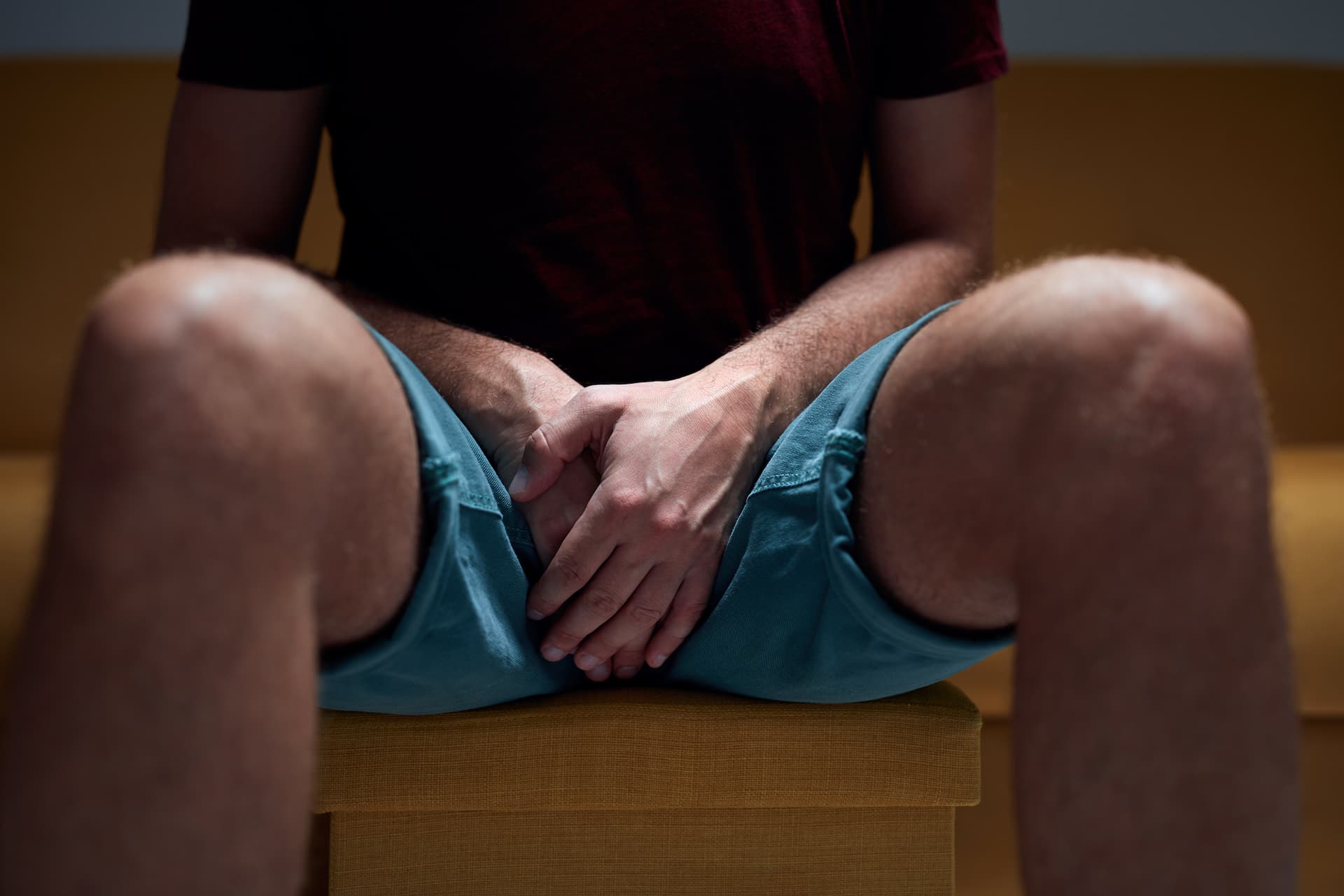
I talk to men every week who describe pain, burning, tingling, stinging or pressure in the penis. For some, it hurts with erection or during sex. For others, it’s more diffuse in the shaft, at the root, in the glans (head of the penis) or as a burning pain in the urethra. “Penis pain” is not a single diagnosis, but a symptom with many possible causes – from tissue irritation to nerve, pelvic floor or blood supply issues. Whether you’re struggling with erectile dysfunction, pelvic pain or insecurity about your intimate health, you’re not alone – and you can get qualified help.
What often makes penis pain extra frustrating are the fluctuations: some days it’s almost gone, other days it takes over. Uncertainty and worry can set off the body’s alarm system, interpreting perfectly normal signals as danger. I’ll help you differentiate between tissue irritation (where the tissue itself is affected) and nerve sensitivity (where the nervous system “makes noise”) so you get an explanation that makes sense – and a plan that creates progress, not more fear.
I offer a professional but accessible assessment and treatment that takes the whole you into account: body, nervous system, sex life, lifestyle and mental peace. In my clinic in Copenhagen, I see men from all over Denmark, especially Copenhagen and Zealand.
Typical causes of penis pain
Erectile dysfunction and penile erection pain
Pain in the penis can be related to erectile dysfunction (erectile dysfunction). With reduced blood flow or uneven pressure in the cavernous bodies, an erection can feel tight, sore or “popping”. Some also experience pain when the erection releases. Causes can be vascular conditions, microscopic tissue changes, medication side effects or overactivation of the pelvic floor. A targeted assessment of blood flow, tissue and nerve sensitivity will help.
I also see pain with so-called venous leakage (when the blood is not sufficiently held in the swelling bodies) or when there is a big difference in tension on the two sides of the shaft. This can cause a feeling of uneven pressure and pulling. I advise on gentle training, timing of sexual activity and how to best combine measures to make erection feel safe and pain-free again.
Peyronie’s disease (curved penis) and tissue changes in the penis
Peyronies are caused by scar tissue formation (plaques) in the tunica albuginea – the connective tissue around the bulging bodies. It can cause pain in the penis, especially with erection, as well as curvature or retraction. The condition can develop gradually. With ultrasound, I can assess the tissue and blood flow. Treatment can include focused sound waves (shockwave) and EMTT to reduce pain and support tissue healing, as well as guidance on gentle handling of sex and activity.
I distinguish between an active phase (often with soreness and changes over time) and a more stable phase. In the active phase, the focus is on calming tissues, reducing pain and avoiding provocation. In the stable phase, the focus can be on function, comfort and – if applicable – reducing curvature. A simple home measurement of the degree of curvature and pain can be useful to track progress and adjust efforts.
Chronic pelvic pain (CPPS) and the pudendal nerve as a cause of penile pain
A very common – and overlooked – cause of penile pain is an overactive or tense pelvic floor and an effect on the pudendal nerve. It can feel like burning, burning, stinging, cold/hot sensation, numbness or tightness in the penis, scrotum or at the tip of the penis. Symptoms often worsen with prolonged sitting, stress, cycling or after ejaculation. I work with the sensitivity of the nervous system, neuromodulation, relaxation of the pelvic floor and specific changes in everyday life that lower the “alarm level” in the body.
I screen for typical patterns: unconscious pelvic floor “squeezing”, protective body habits, increased guardedness and avoidance behaviors that perpetuate pain. Small adjustments in sitting and toileting habits, sleep and stress management can make a big difference when combined with targeted treatment and home exercises.
Prostate-related pain (chronic prostatitis/CPPS) and penis pain
Pain, pressure or discomfort in the penis can come from irritation around the prostate. It can cause frequent urination, dribbling, burning in the urethra and pain during or after ejaculation. The condition is rarely dangerous, but it is distressing. I screen for patterns that point to CPPS and work with you to create a plan to calm tissues and nerves, normalize pelvic floor tension levels and reduce the symptoms’ grip on everyday life.
I distinguish between signs of bacterial infection (which requires medical assessment and tests) and the much more common picture of hypersensitive tissue and muscles. The goal is fewer flare-ups, easier urination and more control – without unnecessary restrictions in everyday life.
Urethritis and infections (urethritis, STI) as a cause of penile pain
Burning and pain in the penis – especially when urinating – can be caused by irritation in the urethra, including sexually transmitted infections (e.g. chlamydia or gonorrhea). If you have discharge, fever or new symptoms after unprotected sex, you should be tested. I advise you to talk to your own doctor about relevant tests and treatments if there are signs of infection, as laboratory tests are not performed in the clinic.
I also help you clarify when it makes sense to get tested, how to protect your partner, and which signals point more towards a mechanical irritation (e.g. from friction or soap products) than an infection. Clarity creates calm – and calm often relieves pain.
Skin, foreskin and frenulum – and penis pain
Skin irritation, fungus, balanitis, tight foreskin (phimosis) or short frenulum (frenulum breve) can cause local tenderness and vulnerability. Some skin conditions such as psoriasis or lichen sclerosus also appear on the penis. I assess patterns and provoking factors (e.g. soap, friction, lube). If you suspect a specific skin disease, I advise you to seek an assessment with your own doctor for proper diagnostics.
I often find that perfume, glycerin, foaming soaps and some lubricants dry out the skin and make burning worse. Allergies to latex or additives can also play a role. Simple switches to mild, skin-friendly products and better moisturizing can quickly alleviate symptoms.
Overload, trauma and cycling for penis pain
Impact, overstretching, “bending” during sex or prolonged pressure from a bicycle saddle can irritate tissues and nerves. Penile fracture is rare but acute – typically with a “cracking” sound, sudden pain, swelling and discoloration. It requires immediate treatment. Milder strains can be managed with rest, gentle rehabilitation and targeted pain relief treatment.
I advise on how to resume activity without triggering pain: shorter loads, longer breaks, gentle positions and gradual escalation. For cyclists, a different saddle, correct height and pressure distribution can be key to returning without relapse.
Referred back and hip pain with penile pain
Nerves from the lower back and pelvis can refer pain to the penis. An old back injury, disc problems or tension around the hip/pelvis can explain the symptoms, even if they are felt in the penis. Here, I look at the whole picture – not just the place that hurts.
I examine movement patterns, nerve glide and muscle balance. Small corrections in mobility and strength combined with nerve flossing can significantly reduce referred pain.
Symptoms I often encounter with penis pain
Pain in the penis with erection or during sex
Tight, pulling or stabbing pain in the shaft or at the root. Often worse with full erection or certain positions. May point to Peyronie’s, tissue irritation or uneven pressure in the swellings.
I always ask if the pain is felt in the skin, in depth, on one side or in the middle of the shaft – these details guide the examination and choice of treatment.
Pain in the penis during ejaculation or after sex
Burning or grinding pain in the penis, perineum or around the prostate that can last for hours to days. Often seen with pelvic floor overactivity, CPPS or urethral irritation.
A short “reset period” focusing on pleasure without performance goals, more lube and a gentler rhythm, along with treatment, can break the vicious cycle.
Burning in the urethra, frequent urination and after-drip
Irritation in the urethra and bladder can feel like “needles” in the tip of the penis, burning, frequent urges and a feeling of not emptying completely. Can be caused by mechanical irritation, CPPS or infection.
I help you distinguish between signals from the bladder, urethra and pelvic floor so you don’t unnecessarily restrict fluid intake or develop inappropriate “safety urination”.
Pain in the glans (head of the penis) or at the tip of the penis
Often a mixture of nerve sensitivity and local skin irritation. Can be aggravated by tight foreskin, friction or strong soap products.
When the skin calms down and the nervous system calms down, I typically see rapid relief. Small changes in hygiene routines and touch tolerance make a big difference.
Numbness, burning and tingling in the penis
Typically a sign of nerve irritation, often related to the pudendal nerve or other peripheral nerves in the pelvis. Here, neuromodulation and relaxation strategies work well as part of an overall program.
I use simple scales to track sensitivity and function so you can clearly see progress – even when everyday life fluctuates.
When should you seek emergency help for penis pain?
Contact the emergency room/emergency medical service at:
– Sudden, severe pain after “breaking” the penis, rapid swelling or blue discoloration (suspected penile fracture).
– Erection that does not go away within 4 hours (priapism).
– Severe testicular pain with nausea/fever (suspected testicular torsion).
– High fever and severe pain in the scrotum or when urinating.
– Ulcers, ulceration or pronounced swelling with general symptoms.
When in doubt, seek help once too often rather than once too little.
My approach to penis pain: thorough assessment and a plan that makes sense
Eye-level conversation about penis pain
I start with an open conversation about your symptoms, sex life, everyday life, stress levels, sleep and goals. It’s safe, respectful and taboo-free. I know how difficult it can be to talk about – and I make it concrete and manageable.
I give you the space to tell your whole story – even what’s embarrassing or vulnerable. I listen, pick up the threads and explain what I’m thinking. This provides calm and direction from the first meeting.
Advanced ultrasound scanning and functional assessment
I use ultrasound to assess tissue, thicknesses, any plaques (Peyronies) and blood flow. If needed, I do a targeted blood flow assessment to understand what happens during erection. I also examine pelvic floor function, nerve sensitivity and the patterns that maintain your symptoms.
The aim is to distinguish between what should be spared and what can be safely activated. This paves the way for a treatment that is effective – and makes sense for you.
Pelvic floor, nerves and body habits for penis pain
I test for pelvic floor overactivity, inappropriate “squeezing” and increased nerve sensitivity. For many, the key step is to learn to let go, not to tense more. You’ll get concrete exercises and strategies you can use right away.
I teach you simple techniques to regulate the nervous system (e.g. calm breathing, positions that relieve nerves) and everyday adjustments that reduce flare-ups – without having to stop everything that matters.
If infection or skin condition is suspected
If there are signs of STI, urinary tract infection or specific skin disease, I guide you to talk to your GP about relevant tests and medical treatments that are not performed in the clinic. You’ll get clear recommendations so you know what to ask for – without wasting time.
Evidence-based treatments I offer for penis pain
Focused sound waves (shockwave) for penis pain
Focused sound waves are a well-documented method that affects tissue healing processes, blood vessels and the pain system. I use it for:
– Peyronie’s disease: can reduce pain and support tissue remodeling.
– Erectile dysfunction: can stimulate microcirculation and endothelial function (vessel wall function).
– Long-term tissue irritations: can reduce pain and promote recovery.
The treatment is short, targeted and drug-free. Side effects are typically mild and transient (localized soreness). Course and expectations are customized to your situation.
I often combine sound waves with exercises and habit changes to allow the effect to “settle in” in everyday life.
EMTT (electromagnetic transduction therapy) for penile pain
EMTT uses high-energy electromagnetic pulses to stimulate cellular processes, reduce irritation and support healing in deeper tissues. I use EMTT as a supplement for complex penile and pelvic pain – especially when nerves and muscles are involved. It’s a comfortable treatment with no downtime.
EMTT can be relevant when tissues and nerves are “stuck” in a sensitive pattern. I always assess the relevance based on your examination and your goals.
Neuromodulation for penis pain
Neuromodulation addresses the nervous system “alarm” and helps lower the hypersensitivity that often perpetuates penile pain. Through targeted stimulation, we can influence pain pathways, reduce burning/stinging and improve tolerance to touch, erection and activity.
The goal is not only less pain, but also more freedom in everyday life – being able to sit, ride a bike and have sex without having to be on call all the time.
Pelvic floor: relaxation, control and training for penis pain
Many people think that more knee exercises are the solution. For many penis pain sufferers, it’s the other way around: first you need to calm down. I teach you breathing, relaxation, release techniques, gentle mobility and graduated rehabilitation. Once tension levels are normalized, I work with you to build strength and endurance to suit your activity level – including cycling, running and sex.
You’ll have a simple plan for “what do I do when it flares up?” and “how do I know I can safely turn it up again?”. Clear direction creates courage and progress.
Sexological counseling and performance pressure for penis pain
Pain, erectile dysfunction and anxiety affect desire, self-image and relationships. I help you deal with performance anxiety, expectations and communication with your partner. You’ll get concrete strategies to make sex safe, pleasurable and worry-free again.
I work with small, manageable steps where enjoyment and connection are at the center – not performance.
Lifestyle, sleep and everyday habits that affect penile pain
Pain in the penis is affected by the whole body. Sleep, alcohol, nicotine, caffeine, stress, sedentary work and screen time all play a part. I make a realistic plan with you that can actually be lived – without morals and prohibitions, but with small steps that work.
I’ll give you concrete suggestions you can try right away and help you evaluate what really makes a difference for you.
What can you do now – without aggravating penis pain?
– Calm acute flare-ups: cut back on provocative activities for a short period of time.
– Use neutral, fragrance- and glycerin-free lube during sex/masturbation to reduce friction.
– Avoid strong soap on glans and foreskin – rinse with water, pat dry.
– Sitting habits: vary postures, use cushion or “cut-out” bike saddle, take micro-breaks.
– Breathing and relaxation: 5-10 minutes daily of calm abdominal breathing can lower pelvic floor tone.
– Avoid hard “kegels” if you feel tension/tense points. Focus on release first.
– Warm sitz bath for 10-15 minutes can relieve muscle tension.
– Plan a gradual return to sex – start with touch and pleasure without performance goals.
– Switch products that irritate the skin (soap, detergents, certain lubricants) to mild, skin-friendly alternatives.
– Adjust bike settings (saddle type, height, incline) and wear padded shorts to relieve pressure.
If symptoms don’t ease or you feel unsafe, book an appointment – you don’t have to “wait and see” alone.
Frequently asked questions about penis pain
Will it go away on its own?
Some irritations do, but many men go too long and become more anxious and tense – and then the pain sets in. Early, targeted intervention often shortens the course.
My advice: Get clarification early. This creates peace of mind and prevents pain from becoming a pattern.
Can stress cause penis pain?
Stress in itself does not create an injury, but it increases the sensitivity of the nervous system and the tension of the pelvic floor. The combination can amplify pain in the penis. That’s why I work with both body and calm.
I give you simple tools to regulate the “alarm level” in your body so you don’t get caught in a vicious spiral.
Do focused sound waves help?
For selected issues, yes. For Peyronie’s, focused sound waves can reduce pain and support the tissue. For certain types of erectile dysfunction, the treatment can improve blood flow. It’s not a quick fix for everyone, and I only recommend it when the research points to a good likelihood of efficacy.
I always set expectations and follow up to ensure we make real progress.
How many treatments do I need?
It depends on the cause. Typically, I plan a 6-8 week program with 1-2 sessions per week for technological treatments, combined with home interventions. I continuously evaluate with you and adjust according to your response.
Most importantly, we measure what matters to you: pain, function, sex life and safety.
Are there any side effects?
Focused sound waves, EMTT and neuromodulation are usually well tolerated. Possible side effects include mild soreness, redness or short-term worsening of symptoms, which typically resolve within 24-48 hours.
I’ll instruct you on what to expect – and what to do if a mild reaction occurs.
Can I have sex during the program?
Basically yes, but with respect for pain and healing. I’ll help you adjust frequency, positions, pace and lubricant use. For severe pain, I recommend a short “reset” period where activity is gradually reintroduced.
The goal is safe, pleasurable sex – not “gritting your teeth”.
What if it’s an infection or requires medication?
If there are signs of infection or conditions that require medical treatment, I guide you to talk to your doctor about relevant tests and options. My focus is to ensure that you get the right tests quickly – and that I take care of the mechanisms that medicine alone cannot solve.
Is my request anonymous and discreet?
Yes, you can. Your inquiry will be treated confidentially. You will encounter a professional, respectful and non-judgmental setting – this is my specialty.
Do you also help if I’m “just” worried?
Of course it does. Worrying can in itself exacerbate symptoms. A thorough clarification and a clear plan provides peace of mind – and often less pain.
This is how I treat you when you have penis pain
– First consultation: Conversation, targeted examination and realistic goals.
– Ultrasound scan and functional assessment as needed.
– Treatment plan: Combination of focused sound waves, EMTT, neuromodulation, exercises and lifestyle strategies when relevant to you.
– Follow-up: I measure with you what matters to you – pain, function, sex life and safety.
– Closure and maintenance: You walk away with tools you can use in the future.
Who I help with penis pain – and where
I help men of all ages, from young men with burning and anxiety after unprotected sex to experienced men with erectile dysfunction, curvature or long-term pelvic pain. The clinic is located in Copenhagen, and I have clients from all over Denmark – especially Copenhagen and Zealand.
You don’t have to have “tried everything” to come to me. Seeking help early when symptoms are new is just as relevant – it saves time, worry and often many painful months.
Next step for penis pain – grab hold and I’ll take it from there
Penis pain is not something you have to live with or deal with alone. One step can make a big difference: get a professional, caring assessment and a plan that makes sense for you. Contact me today to book an appointment and I’ll help you move confidently towards less pain, better function and more peace of mind.
If you are interested in hearing more about how I can help you, you are always welcome to contact me by phone 41 40 08 58 or email michael@msinsight.dk. I’ll get back to you quickly with a customized proposal so we can find the best way forward together.
Would you like a specialist assessment of your situation?
You don’t have to figure it out alone. Call directly or write a few lines about your symptoms – I’ll get back to you within 12-24 hours with a concrete suggestion for the next step.