

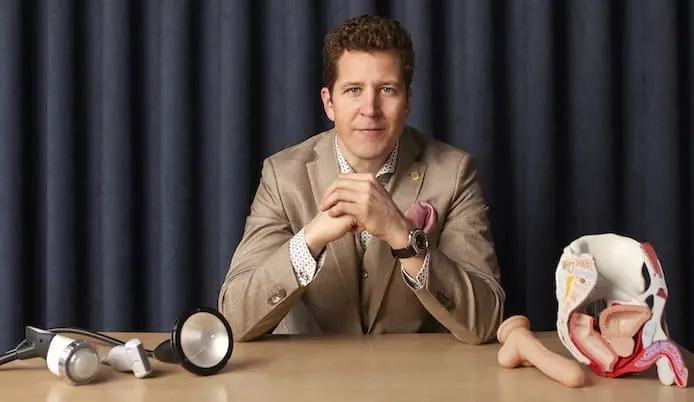
Written and medically reviewed by Michael Strøm
International speaker & expert in shockwave and EMTT treatment for erectile dysfunction, Peyronie’s & CPPS. Read more about me
Older adults and sexuality: Professional help, respect and realistic solutions
Older people and sexuality: Why does the body change – and what does it mean for your sex life?
I meet many men who think that declining desire or erectile dysfunction is “just” age. The truth is that sexuality changes over the years – but that doesn’t mean you have to accept pain, erectile dysfunction or lack of intimacy. With the right knowledge, thorough examination and targeted treatment, you can get significantly better function and more peace of mind.
When I talk to you about older people and sexuality, it’s about a number of well-known mechanisms:
- Blood vessels and tissues: The elasticity of blood vessels decreases. This can make erection slower and less stable. At the same time, scar tissue and tissue changes in the penis can affect shape and sensitivity.
- Nerves and pelvic floor: Nerve conduction can slow down and an overactive or weak pelvic floor can interfere with erection, ejaculation and pleasure.
- Hormones: Testosterone can decrease with age, affecting desire, energy, sleep and mood.
- Disease and medication: Heart disease, diabetes, high blood pressure, prostate enlargement and their treatments affect sexual function. Some antidepressants and blood pressure medications can cause erectile dysfunction or delayed/no orgasm.
- Psychology and relationships: Performance pressures, health concerns, and changing relationship dynamics can make you more guarded in your body – and that dampens desire and erection.
It’s also normal that you need more time and gentler stimulation, that orgasm can feel less explosive, and that touch and closeness mean more to pleasure. I can help you decode all this so that sex becomes safe and pleasurable again.
My job is to sort through all that and find the levers that can actually move something for you.
In this article
- Typical challenges of older adults and sexuality
- How to assess the problem – and find the right plan
- Treatment options in MS Insight – targeting older adults and sexuality
- Erectile dysfunction: What works in practice?
- Chronic pelvic pain and pudenda: Sex shouldn’t hurt
- Peyronie’s disease: Curvature, tenderness and solutions
- Incontinence and sexuality in men
- Desire, psyche and relationships: More than “function”
- Testosterone, cardiovascular and safety
- What can you expect in a program with me?
- Frequently asked questions about older adults and sexuality
- Concrete first steps – you can start today
- MS Insight in Copenhagen – specialized help for men’s intimate health
- Take the next step – with peace of mind
Typical challenges of older adults and sexuality
Erectile dysfunction (erectile dysfunction)
You may experience slower erections, failure along the way or lack of hardness. This could be a sign of reduced blood flow, nerve irritation or tension in the pelvis. It can also be due to side effects from medication. It’s common – and there are many treatment options.
As a rule of thumb, morning erection is a good sign that your body is fine, but that your sexual frame may be straining. However, if you experience a generally weak erection and shortness of breath when climbing stairs, you should talk to your doctor about heart health. I’ll help you with concrete steps: a longer warm-up, a steady pace, focused sensory input, better sleep and strategic use of assistive devices.
Decreased desire and delayed orgasm
Desire is controlled by the body, brain and life situation. Poor sleep, stress, depression, pain and certain medications all play a part. Many people also experience delayed or difficult orgasms, which can be remedied with targeted pelvic floor interventions, stimulation and habits.
I work on rebuilding the “pleasure circuit”: small, safe successes, varied stimulation, stroking and pulsating touch, breaks from overstimulating porn and clear communication. Updating medication in consultation with your doctor may be relevant if side effects are getting in the way.
Chronic pelvic pain (CPPS) and pudendal impingement
Pain in the crotch, penis, scrotum or around the anus makes sex unsafe or downright painful. I often see overactivation in the pelvic floor and irritation around the pudendal nerve. Many people go too long with it in silence. Here are concrete ways out – without taboos.
Typical signs are soreness with prolonged sitting, burning sensations, worsening after ejaculation and relief with heat or gentle movement. I help you understand the pattern and release it step by step so that pleasure can be more and pain less.
Peyronie’s disease (curvature and tenderness)
Scar tissue formation in the tunica (penis sheath) can cause curvature, pain and erectile dysfunction. It is more common with increasing age. With proper assessment and targeted interventions, I can often improve function and comfort.
I teach you the difference between a calm phase and an active, tender phase – and how to protect the tissue while it heals. Simple changes in posture and support with hands or a pillow can make a big difference to your comfort.
Incontinence and leakage during sex
After prostate surgery or a weakened pelvic floor, urine leakage can occur during arousal or orgasm. It’s embarrassing for many – but much can be trained and adapted to make sexuality safe again.
I work on timing the pelvic floor “stop reflex”, breathing and practical strategies like emptying the bladder, minimizing caffeine beforehand and using a slow pace. Small adjustments often provide great relief.
How to assess the problem – and find the right plan
I work in a structured and evidence-based way, so you get a clear plan from the start. A typical first consultation includes:
- Thorough conversation about symptoms, lifestyle, sleep, medication and goals
- Validated questionnaires (e.g. IIEF for erectile function and pain questionnaires for CPPS)
- Clinical examination of pelvic floor function: strength, coordination and relaxation
- Ultrasound scan where applicable: e.g. assessment of penile tissue, blood flow and signs of Peyronie’s
- Neurological screening for sensitivity and nerve irritation
I also review your use of assistive devices and habits around masturbation/sex so that the intervention is targeted. If there is a need for lab numbers or medication assessment, I will guide you on how to talk to your doctor about testosterone, long-term blood sugar (HbA1c), cholesterol, metabolism, blood pressure or medication adjustments.
Treatment options in MS Insight – targeting older adults and sexuality
I combine technologies and training principles to target your specific mechanisms.
Focused sound waves(shockwave)
Focused sound waves are used to stimulate tissue healing, new formation of small blood vessels and improved tissue quality. For erectile dysfunction, it can help blood flow. For Peyronie’s, it can reduce pain and affect tissue metabolism. Treatment is short, targeted and typically well-tolerated. I customize intensity and field placement according to your findings and response along the way.
EMTT (electromagnetic transduction therapy)
EMTT affects healing processes, nerve tissue and muscle function with pulsed electromagnetic fields. It is used to reduce irritation, improve tissue metabolism and support recovery. Particularly relevant for chronic pain and maintained tension patterns. Many describe it as a pleasant, deep “peace-in-the-body” feeling after the treatment.
Neuromodulation
Gentle, targeted stimulation of nerves and muscle groups can dampen pain signals, normalize nerve activity and improve pelvic floor interaction. It often provides a sense of calm and better control in the lower abdomen. I use it both to ‘rewire’ the nervous system and to support new movement and breathing patterns.
Pelvic floor: strength, timing and relaxation
For erection and ejaculation, the pelvic floor must be able to switch between tension and relaxation. I see both overactive and weak pelvic floors in older men. Therefore, training is not just about “squeezing”, but just as much about being able to release, breathe deeply and activate the right muscles at the right time. The program is tailored precisely to your findings.
I’ll give you simple bodily markers: A good squeeze is a slight lift at the scrotum and a slight inward pull around the anus – without abdominal tension. A good relaxation feels like warmth and heaviness in the lower abdomen with free breathing all the way down into the stomach.
Sexological advice and concrete exercises
I work directly with:
- Performance pressure and nervousness in bed
- Interaction with partner or solo sex
- Stimulation techniques, tempo and tempo changes
- Communication and boundaries
- Rebuilding desire – without chasing a “perfect” erection
The goal is a sex life that feels safe, present and realistic for your body today. I’m happy to involve your partner if you wish, so that you have a common language and tools.
Erectile dysfunction: What works in practice?
When erection is bothersome, I distinguish between mechanical, neurological, hormonal and psychological factors. A wise plan takes a little from several shelves:
- Tissue and blood vessels: focused sound waves, EMTT, circuit training, adequate sleep
- Nerves and pelvic floor: neuromodulation, specific training/relaxation, stretching and breathing
- Habits: alcohol reduction, stress management, better sleep hygiene
- Assistive products: vacuum pump, penis ring and suitable lubricant can be used strategically
- Medication: PDE5 inhibitors (e.g. sildenafil) may be relevant. I advise you to talk to your doctor about indication, safety (especially if you are on nitrates for the heart) and choice of medication.
I also go through the practical use of erection medication: take it in good time, preferably not on a full stomach, and remember that sexual stimulation is necessary for effect. Small adjustments often make a big difference.
Chronic pelvic pain and pudenda: Sex shouldn’t hurt
For CPPS and pudendal pain, symptoms may include burning, stabbing or pressing pain, aggravated by touch, erection or after intercourse. Difficulty sitting is common. I see it often:
- Overactive pelvic floor and trigger points
- Irritation in nerve pathways
- Interaction between back, hips, bowel and bladder
- Breathing at the top of the chest that keeps the pelvis on alert
Treatment is about calming the nervous system, normalizing muscle tone and gradually regaining safe touch:
- Neuromodulation and EMTT to calm irritation
- Gentle relaxation and mobility therapy
- Training to release the pelvic floor, coordinate the diaphragm and improve posture
- Gradual reintroduction of sexual stimulation so pleasure can push pain to the background
I teach you simple pain strategies: dose activity, take small breaks, use warm and calm breathing, and increase proximity slowly in a safe environment.
Peyronie’s disease: Curvature, tenderness and solutions
Peyronies are caused by scar tissue changes in the penile sheath. Typical signs are curvature, harder “plaque” areas and erection pain. I assess the tissue with ultrasound and plan a course of treatment that may include:
- Focused sound waves for pain reduction and tissue stimulation
- Mechanical stretching and gentle manual techniques
- Optimizing erection quality and pelvic floor
If the curvature is pronounced, I will guide you on how to discuss further options with your doctor or urologist. My goal is to improve function and comfort and to help you achieve safe and pleasurable positions. During active, sore phases, I recommend gentler stimulation and good lubrication to protect the tissue.
Incontinence and sexuality in men
Urine leakage during arousal or orgasm is called climacturia and is more common after prostate surgery. Strategies can include:
- Targeted pelvic floor training with a focus on timing
- Empty your bladder before sex, use a slow pace and appropriate lubricant
- Light compression (e.g. suitable penis ring) can reduce leakage in some cases
- Partner safety agreements and practical solutions in the bedroom
Many experience rapid progress when the training becomes precise. I supplement with breathing guidelines and advice on fluid and caffeine intake prior to sex.
Desire, psyche and relationships: More than “function”
Desire occurs when the body feels safe. If you’re constantly assessing arousal, the system will often shut down. I help you shift your focus from performance to experience:
- Concrete exercises in presence, pace and touch
- Depramatization: Penetration is an option – not a requirement
- Building desire through small successes and structure
- Healthy use of porn: conscious use, breaks or shifts in stimuli
It’s about finding your way back to curiosity and calm – whether you’re in a relationship or single. I’ll give you simple home exercises so you can work confidently between visits.
Testosterone, cardiovascular and safety
Many people ask about testosterone. Low testosterone can cause low desire, fatigue and poor sleep. If a deficiency is suspected, I can guide you on how to talk to your doctor about relevant blood tests and the pros/cons of treatment. Lifestyle (sleep, strength training, weight, alcohol) are powerful interventions that can also improve erectile function.
In heart disease, sex is often safe when the condition is well treated. As a rule of thumb, sexual activity is equivalent to moderate physical exertion. When in doubt, I advise you to talk to your doctor about what is safe for you – especially if you use nitrates or have recent heart symptoms.
What can you expect in a program with me?
- Clear plan: After the first visit, you know what your most important levers are.
- Evidence and measurability: I use questionnaires and concrete milestones so you can follow the effect.
- Combination therapy: Focused sound waves, EMTT, neuromodulation, training and advice – customized to your findings.
- Respect and safety: I know that intimate issues can be difficult to talk about. You will be met with professionalism, calm and confidentiality.
- Realistic expectations: I don’t promise miracles. I offer a serious, highly professional program where I do what actually works for your body.
Frequently asked questions about older adults and sexuality
Am I “too old” to benefit from treatment?
The answer is no. Sexual function can be improved at any age. The body responds to targeted stimulation, exercise and good habits – even well into old age.
Do focused sound waves help with erectile dysfunction?
For many men, focused sound waves can improve blood flow and tissue quality. The effect depends on the cause of your problems. That’s why thorough assessment is important.
Can pelvic floor exercises make it worse?
Yes, if your pelvic floor is already overactive, more squeezing can increase pain and inhibit erection. That’s why I always check first whether you primarily need to relax, coordinate or strengthen.
I’m on rejection medication but it doesn’t seem to be working – what now?
Dose, timing, setting expectations and working on body/habits at the same time means a lot. Sometimes adjustments with your own doctor are relevant. I help you with everything you can optimize yourself – and with creating the right framework for the medication.
I have diabetes/high blood pressure – can I still get help?
Yes, you can. Many chronic conditions affect sexuality, but there are still good opportunities. I work in parallel with circulation, nerves, pelvic floor and habits. I guide you on how to talk to your doctor about possible medical adjustments.
Do the treatments hurt?
Most people tolerate focused sound waves, EMTT and neuromodulation just fine. I adapt the intensity and technique to you. The goal is effect, without unnecessary discomfort.
What if I’m single?
That’s perfectly fine. I work with your bodily comfort, desire and function so you can have pleasurable solo sex and be ready for intimate encounters when it makes sense.
After prostate surgery I have leakage during orgasm – can you help?
Yes, you can. With targeted timing and control training, practical strategies and a good plan, most people can significantly reduce leakage and regain confidence in their sex life.
Concrete first steps – you can start today
- Sleep: 7-8 hours in a stable environment. Sleep boosts desire, hormones and recovery.
- Movement: Light cardio and 2 x strength training per week. Better blood vessels and mood.
- Alcohol and smoking: Cut down – it directly benefits travel.
- Lubricant and pace: More comfort and less friction, especially on delicate tissue.
- Breathing: Calm, deep breaths – release the stomach and pelvic floor. This increases confidence and sensitivity.
- Push off: Shift the focus from “must” to “can”. Give pleasure space, even without penetration.
If you want to go beyond “advice”, the next step is a professional assessment to ensure your efforts are on target.
MS Insight in Copenhagen – specialized help for men’s intimate health
I offer advanced diagnostics with ultrasound scanning and tailored combination treatments: focused sound waves, EMTT, neuromodulation and targeted training. In addition, you get professional advice on lifestyle, sleep and psychosexual well-being. I work with men from all over Denmark, especially Copenhagen and Zealand. You will be met discreetly and respectfully – always with a focus on your goals.
Take the next step – with peace of mind
Age and sexuality don’t have to be associated with shame, silence or resignation. Whether you struggle with erection, pelvic pain, curvature, leakage or lack of desire, there are serious options for improvement.
Book an appointment and I’ll make a thorough assessment and a plan that suits you. You get honest advice, a high level of professionalism and a safe space – without taboos. Your sexuality is important. Even now. Even at your age. I help you take care of it.
If you are interested in hearing more about how I can help you, you are always welcome to contact me by phone 41 40 08 58 or email michael@msinsight.dk. I’ll get back to you quickly with a customized proposal so we can find the best way forward together.
Would you like a specialist assessment of your situation?
You don’t have to figure it out alone. Call directly or write a few lines about your symptoms – I’ll get back to you within 12-24 hours with a concrete suggestion for the next step.