
Written and medically reviewed by Michael Strøm
International speaker & expert in shockwave and EMTT treatment for erectile dysfunction, Peyronie’s & CPPS. Read more about me
What is neuritis?
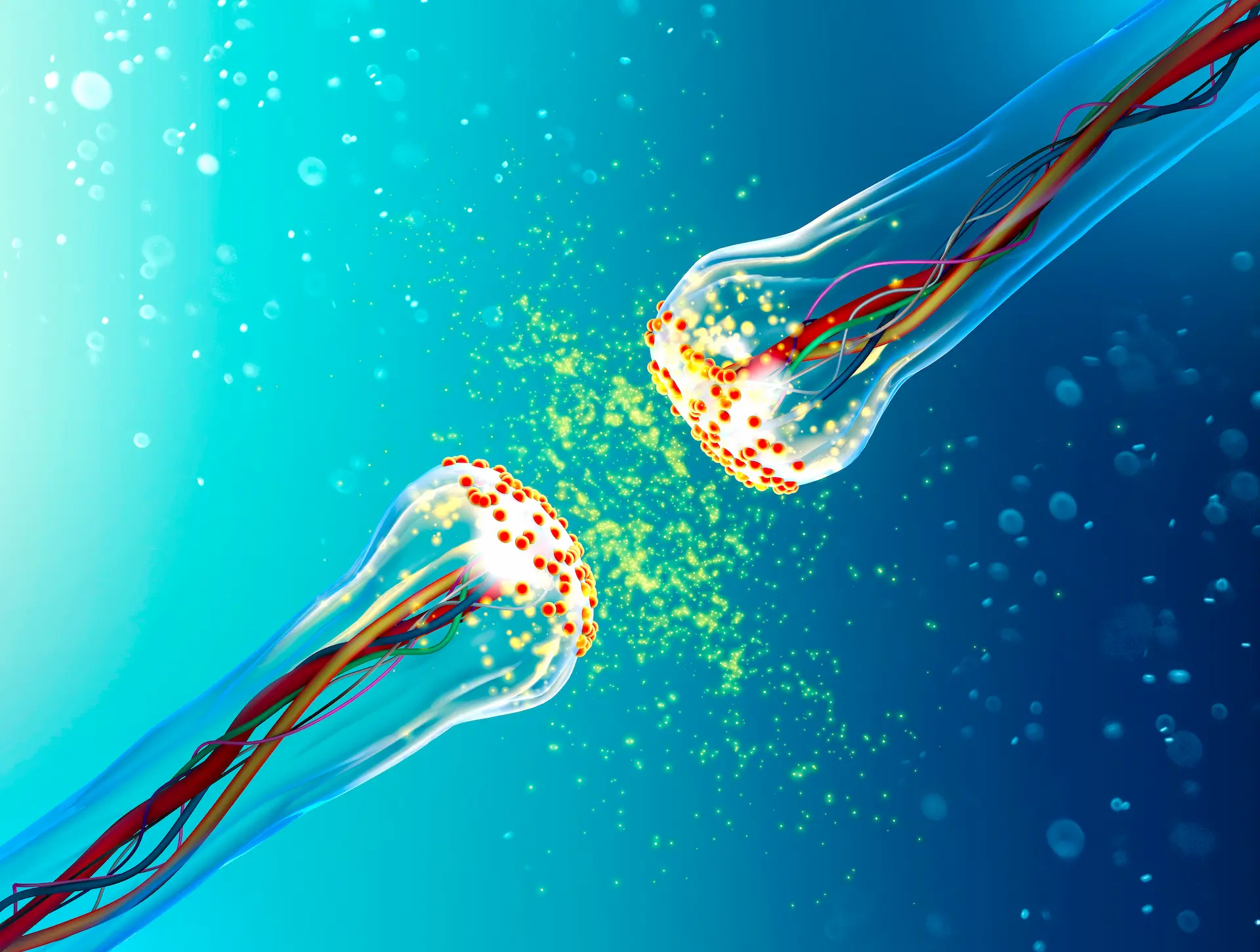
Nerve inflammation – also called neuropathy or neuritis – means that one or more nerves are irritated, inflamed or damaged. It can cause pain, tingling, burning, sensory disturbances in the hands/feet or impaired function. When it affects nerves related to the genital area, it can affect erection, ejaculation, sensitivity in the penis and scrotum, control over urination and bowel movements, and pelvic and perineal pain. In short: The nerve sends too strong, too weak or distorted signals and the brain interprets this as pain or reduced sensation.
Peripheral vs. local nerve involvement in nerve inflammation
It makes a difference whether the neuritis is widespread in the arms/legs or more localized around the pelvis and genitals. This points to different causes – and thus different solutions.
- Peripheral neuropathy: affects nerves in the arms/legs (typically caused by e.g. diabetes, B12 deficiency or excessive alcohol consumption). Symmetrical symptoms are often experienced in the feet (stocking shape) or hands (glove shape).
- Local/regional nerve involvement: e.g. the pudendal nerve in the pelvis, nervus dorsalis penis or nerves around the prostate, pelvic floor and hip. Here the symptoms are experienced close to the penis, scrotum, perineum, anus or inner thigh – often worse with pressure or sitting position.
Inflammation, pinching or congestion
Neuritis doesn’t have to be “inflammation” in the classic sense. Often there are multiple mechanisms that interact over time and can both exacerbate and maintain symptoms:
- Mechanical pinching or irritation (cycling, tight clothing, prolonged sitting, scars after surgery).
- Chemical/metabolic impact (blood sugar fluctuations, vitamin deficiencies).
- Local inflammation of tissue around the nerve (irritated tendons, fascia and muscles).
- Overactivation and tension in the pelvic floor that “pinches” nerve pathways and maintains pain.
When I assess you, I look for which of these factors are most relevant to your situation – because this is where we can make the biggest and fastest impact.
In this article
- Nerve inflammation and fatigue
- Typical symptoms of nerve inflammation in men
- Why does nerve inflammation occur?
- How I assess you in the clinic
- Treatment strategy: targeted and combined
- Frequently asked questions about nerve inflammation
- Can nerve inflammation be cured?
- When should you respond urgently?
- What can you expect in a program with me?
- Take the first step – I’ll help you
Nerve inflammation and fatigue
Nerve inflammation can cause fatigue as the impact on the nerves can weaken muscle power, leading to legs and arms feeling tired, heavy and weak. In addition, chronic pain, which often accompanies neuritis, can lead to insomnia, reduced ability to work and limited physical activity, all of which can increase feelings of fatigue.
How nerve inflammation leads to fatigue
- Muscle weakness: Nerve inflammation can affect the motor nerves that control muscles. This can result in decreased muscle power, making legs and arms weak and tired.
Balance problems: When the nerves that provide sensory information from muscles and joints are affected, it can lead to impaired balance and coordination. This requires more energy to compensate, which can contribute to feelings of fatigue. - Chronic pain: Many people with neuritis experience chronic pain. This pain can disrupt sleep, lead to insomnia and make it harder to participate in physical activities, all leading to increased fatigue.
- Affecting the autonomic nervous system: Nerve inflammation can also affect the autonomic nervous system, which controls things like heart rate and digestion. Problems here can cause symptoms such as dizziness and affect the body’s overall energy levels.
Typical symptoms of nerve inflammation in men
Intimate area and pelvis
Symptoms from the penis, scrotum and perineum can be variable and hard to describe – but the pattern is often recognizable:
- Tingling, burning or stabbing pain in the penis, scrotum, perineum or around the rectum.
- Numbness or decreased sensitivity in the skin of the penis/scrotum.
- Pain during erection or after sex.
- Sensation of “standing on a golf ball” or pressure in the perineum.
- Pain worsened by sitting for a long time – often relieved by standing/walking.
Many describe that ordinary touch can suddenly feel “sharp” or uncomfortable and that jeans or cycling quickly provoke a flare-up.
Sexual function
- Erectile dysfunction (difficulty getting or keeping an erection).
- Delayed orgasm or reduced intensity due to altered sensation.
- Premature ejaculation due to pain, tension or hypersensitive nerves.
Sexual symptoms are often associated with pain and anxiety. When I lower the nerve irritation, the performance pressure typically decreases as well – and then the function improves.
Accompanying characters
- Pelvic floor tension, pelvic floor contraction pain.
- Radiation or pressure sensation towards the rectum or into the groin.
- Irritative urination symptoms (frequent urges, dribbling) – often without infection.
- Pain in the buttock, hip or thigh if nerves around the pelvis/hip are involved.
The overall picture helps me distinguish between primary nerve irritation and secondary tension patterns in muscles and connective tissue.
Why does nerve inflammation occur?
Common causes and contributing factors
Several pathways can lead to nerve inflammation. Often it’s the sum of stresses – not a single event:
- Mechanical irritation: cycling on a hard seat, prolonged riding/sitting, hard training without recovery, tight underwear.
- Previous trauma or surgery: e.g. after hernia surgery, prostate surgery or pelvic fracture.
- Metabolic conditions: pre-diabetes/diabetes, vitamin B12 or D deficiency, low metabolism.
- Lifestyle: poor sleep, high stress levels, smoking, high alcohol consumption.
- Pelvic floor dysfunction: persistent tension in the pelvic floor can irritate nerves in the area.
- Inflammation in tendons/fascia: tissue around the nerve becomes “tight” and vulnerable.
I also often see that the nervous system becomes more sensitive after periods of pain. This is called central sensitization and means that ordinary stimuli can be experienced as pain. Fortunately, that sensitivity can be reduced again with targeted treatment and safe, gradual exposures.
Nerve inflammation, erection and the pudendal nerve
The pudendal nerve supplies the skin, muscles and sphincters of the pelvic floor and parts of the penis and perineum. When it’s irritated (pudendal neuralgia), you may experience pain, burning, tingling or changes in sensation – and this can affect erection, orgasm and desire because pain and reduced sensitivity inhibit the natural sexual response. In diabetes, autonomic neuropathy and effects on blood vessel nerves can also cause erectile dysfunction. I examine both the mechanical conditions (pressure, tightness, scars) and the functional conditions (pelvic floor timing, breathing, nervous system sensitivity) so I can target the cause and not just the symptom.
Is it “prostatitis” – or is it nerves?
Many men with chronic pelvic pain first suspect prostatitis. But when tests are normal and antibiotics don’t help, it’s often a combination of nerve irritation and pelvic muscle tension (CPPS). Here it makes sense to examine nerve function, pelvic floor and local tissues – and target treatment accordingly. I help you distinguish: Is the pain activity- or position-dependent? Is it aggravated by pressure and sitting? Is it relieved by movement? These types of answers point away from infection and towards nerve and muscle-related causes that can be treated effectively and without unnecessary courses of antibiotics.
How I assess you in the clinic
Thorough conversation and symptom mapping
I start with a structured conversation about your symptoms, their pattern and what makes them worse/better. I go through this together with you:
- The nature and location of the pain.
- Sexual function: erection, ejaculation, sensitivity, pain during sex.
- Pelvic floor behavior: tension, pressure, sitting sensation.
- Lifestyle: sleep, exercise, work, stress, diet, alcohol.
- History: injuries, surgeries, infections, medications, illnesses.
I also use simple screening tools to track progress over time so you can clearly feel and see progress.
Targeted survey
I examine the pelvis, hip and lower back for muscle tension, connective tissue and possible irritation around nerve pathways. I test sensation (light touch, cold/heat, pressure), tender points and function of the pelvic floor muscles. This gives a picture of whether there are mechanical or muscular factors that can irritate the nerves. I also assess how you stand, walk and sit – small adjustments here can significantly reduce pressure on nerves in everyday life.
Advanced ultrasound scanning
With ultrasound, I can assess soft tissues in and around the pelvis: muscles, tendons, fascia and any scar tissue/thickenings that can strain a nerve pathway. I also use ultrasound to assess penile tissue and blood flow for relevant issues, for example if you also have erectile dysfunction or Peyronie’s disease. The scan is painless and helps me to target my efforts so I can choose the least invasive and most effective treatment first. I can also track changes over time, giving you objective feedback on your progress.
When is it relevant to talk to your GP?
In some cases, I recommend that you talk to your own doctor about additional blood tests (e.g. blood sugar, B12, vitamin D, metabolism) or medical measures for nerve pain. If there are signs of more widespread neuropathy or a need for imaging outside of what I offer, I will guide you on how to discuss further investigation. My goal is to make you feel safe and well-equipped to get the right help – even when the next step is outside my clinic.
Treatment strategy: targeted and combined
I put together a program that suits your symptoms, your goals and your everyday life. I often combine several of the elements below to get the best possible effect. You get a clear plan so you know what you can do yourself and what I do in the clinic.
Neuromodulation
Neuromodulation is a gentle method that affects nerve signaling and reduces pain and hypersensitivity. The goal is to “reset” irritable nerve activity and help the tissue calm down. Many people notice a gradual reduction in burning pain and better tolerance to touch/pressure. The treatment typically feels like gentle, controlled stimulation, and I adjust the intensity to your level so you are always comfortable.
Focused shockwave therapy
Focused shockwave (focused sound waves) can stimulate healing processes, increase microcirculation and reduce local inflammation in muscle-tendon junctions and connective tissue around nerve pathways. For pelvic pain and nerve irritation, I use shockwave strategically to reduce mechanical irritation and improve tissue quality. It’s a targeted, short-term treatment and I often combine it with exercises and relief to maintain the effect.
EMTT (electromagnetic transduction therapy)
EMTT Magnetolith uses pulsed electromagnetic fields to influence cellular energy exchange and counteract inflammation. In combination with shockwave and neuromodulation, EMTT can support nerve healing, reduce soreness and increase tolerance for activity and sitting. Many people find that daily activities – such as sitting in the car or office – become easier after a few sessions.
Pelvic floor, breathing and everyday habits
- Relaxation and coordination of the pelvic floor so that the muscles protect the nerves again without pinching.
- Breathing techniques that lower tension levels and pain sensitivity.
- Adjusting seating positions, saddle selection, breaks and ergonomics.
- Gradual return to sex and exercise so the body regains confidence and function without flare-ups.
I teach you simple, daily 2-5 minute ‘reset habits’ that help calm the nervous system. Small things done consistently yield big results.
Lifestyle and regeneration
Sleep, regular meals, stable blood sugar levels and moderate alcohol consumption are important for the nervous system. If you suspect a vitamin deficiency or metabolic impact, I will guide you on how to discuss relevant blood tests and measures with your own doctor. I also address nicotine, caffeine and stress management because persistent stress and overstimulation increase pain sensitivity and muscle tension. You’ll get a realistic plan that fits your everyday life – without rigid perfectionism.
Sexual counseling without taboo
Erectile dysfunction and pain can cause performance pressure and anxiety. I help you with concrete strategies, communication with your partner and gradual retraining of desire and pleasure. These can be simple things like changing pace and positions, planning breaks, focusing on breathing and senses – and separating intimacy from performance until nerves have calmed down. The goal is to break the vicious cycle of pain, nervousness and erectile dysfunction.
How long does it take?
The length of the course depends on duration and severity. Nerves heal slowly, but many notice improvement within 4-8 weeks when I work with you to address nerves, tissue and habits. For longer-term symptoms, I plan a step-by-step process with clear milestones so that you experience momentum – even if the end goal is further out.
Frequently asked questions about nerve inflammation
Can nerve inflammation go away on its own?
Yes, some mild cases improve spontaneously – especially if the strain is removed. But for persistent pelvic and lower abdominal symptoms, I recommend getting a targeted assessment. The earlier I remove the irritation and calm the nerve, the better.
Can nerve inflammation be cured?
Nerve inflammation can often improve if the cause is treated early, but full recovery depends on how severely the nerves are damaged. In many cases, treatment is about relieving symptoms and preventing worsening.
Is neuritis fatal?
No, neuritis itself is generally not fatal, but it can lead to serious consequences, especially if the cause is not treated or if the disease progresses rapidly.
Is neuritis dangerous?
It is rarely dangerous, but it can be debilitating to quality of life, sex life and mental well-being. Some alarm symptoms require urgent assessment – see the section “When should you act urgently?”. Otherwise, the goal is to act calmly and systematically to give the body the best chance to heal.
Can I train?
Yes, movement is important, but it needs to be dosed right. I help you choose gentle exercises, adjust cycling/sitting time and gradually increase the load without triggering pain. Small, frequent doses are often better than a few hard sessions.
Does sex make it worse?
Sex can temporarily exacerbate pain if nerves are highly irritable. With the right strategy (relaxation, pace, positions, breaks), most people can resume a safe and enjoyable sex life. I’ll make a plan with you that takes into account desire, comfort and safety.
Do B vitamins or other supplements help?
For documented deficiencies, supplementation can help. I recommend talking to your own doctor about relevant blood tests rather than experimenting. Basic habits such as good sleep, a stable diet and moderate alcohol are often more effective than random supplements.
Can you see nerves on ultrasound?
Small nerves can be hard to visualize directly, but ultrasound is powerful for assessing the surrounding tissue (muscles, tendons, connective tissue, scar tissue) and blood flow in the penis. It helps me find what’s irritating the nerve – and how best to treat it.
Do I need surgery?
It is rarely necessary. Most people get better with conservative, combined treatment. If there are signs of specific pinching, I will guide you on how to discuss further options with your GP and possibly a specialist.
What if I also have diabetes?
Stable blood sugar and good habits are essential. I will help you with the local pelvic/penile issue and guide you to talk to your own doctor about the metabolic part (blood sugar, medication adjustment, blood tests). The combination of local treatment and good metabolic control gives the best effect.
When should you respond urgently?
Seek emergency help if you experience any of the following. It’s rare – but important to act quickly:
- Sudden loss of strength or numbness in both legs.
- Loss of control over urine/feces or acute urinary retention.
- New-onset, severe back or pelvic pain with fever or affected general condition.
- Rapidly increasing numbness in the breeches area.
What can you expect in a program with me?
- A safe, direct and respectful dialog without taboos.
- A concrete plan that combines neuromodulation, focused shockwave, EMTT, targeted exercises and adjustment of everyday habits.
- Ultrasound-based tissue assessment so I address the causes – not just the symptoms.
- Continuous adjustments according to your response, focusing on function, pleasure and calmness of the nervous system.
My goal is for you to feel and understand the improvements – giving you peace of mind and hope in your body.
Take the first step – I’ll help you
If you recognize symptoms of pelvic inflammatory disease, erectile dysfunction or pelvic pain, you are not alone – and you are not “wrong”. I meet you at eye level and help you with a plan that makes sense in your everyday life. Contact me for a non-binding conversation or to book an appointment. The sooner we calm your nerves, the sooner you can get your body, your energy and your sex life back.
If you are interested in hearing more about how I can help you, you are always welcome to contact me by phone 41 40 08 58 or email michael@msinsight.dk. I’ll get back to you quickly with a customized proposal so we can find the best way forward together.
Would you like a specialist assessment of your situation?
You don’t have to figure it out alone. Call directly or write a few lines about your symptoms – I’ll get back to you within 12-24 hours with a concrete suggestion for the next step.