

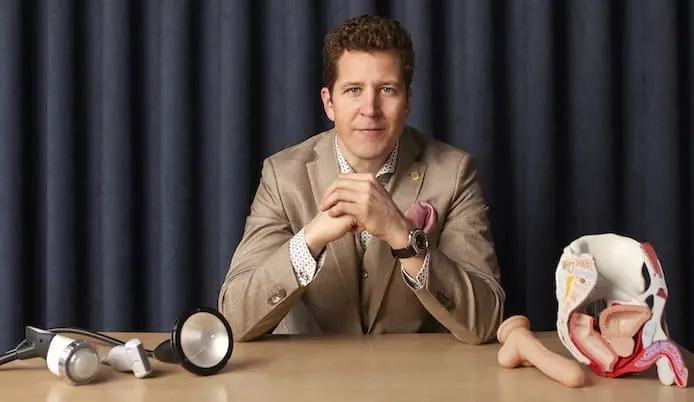
Written and medically reviewed by Michael Strøm
International speaker & expert in shockwave and EMTT treatment for erectile dysfunction, Peyronie’s & CPPS. Read more about me
Missed morning departure – what does it mean and what can you do?
Failure to rise in the morning can feel like a small signal that grows big in the back of your mind. Many men describe the initial concern as: “I no longer wake up with an erection – is there something wrong with me?” The answer is that morning erection is an important health sign, but it’s not an all-or-nothing proposition. I’ll help you separate the myths from the facts, find the cause and create a concrete plan to help you get peace of mind and better body function.
It’s important for me to be clear: a lack of morning erection is never a measure of your masculinity. It’s a bodily signal – not a character judgment. When I assess your situation, I look broadly at sleep, stress, circulation, nerves, hormones and pelvic floor to give you an explanation that makes sense and a plan that actually works in your everyday life.
In this article
- Why is morning travel important?
- What is normal – and when is it a problem?
- Typical reasons for lack of morning departure
- When should you react to a missing morning departure?
- What can you check yourself at home?
- How I help you in the clinic
- Results you can expect
- FAQ about missing morning departure
- Examples of situations where I can help
- My method: unfiltered professionalism – and a plan that works in your everyday life
- What can you do now?
- Next step – get in touch
Why is morning travel important?
Morning erection is part of the body’s nocturnal erections, typically occurring during REM sleep. It is controlled by the nervous system and blood vessels – not just by desire or imagination. Nocturnal erections oxygenate the tissue in the penis and keep the erection mechanism healthy. When they diminish or disappear, it can be an early sign that something in the system – circulation, nerves, hormones, sleep or pelvic floor – is not working optimally.
A lack of morning erection is therefore not just a “sex problem”. It’s a health signal that can tell you something about your body as a whole. The good news is that most causes can be addressed and there’s a lot you can do – without shame and without having to live with uncertainty.
Specifically, nighttime erections act as a kind of maintenance: they support the endothelial function of the blood vessels (the ability of the vessel wall to dilate) and the NO (nitric oxide) signal, which is central to erection. That’s why I often find that when the quality of nighttime erections improves – through better sleep, vascular health or less nervous system stress – erection during sex follows.
What is normal – and when is it a problem?
It is normal for the frequency of morning rising to vary throughout life. Stress, poor sleep, alcohol and illness can temporarily dampen it. If the absence of morning erection persists for weeks or months, or you also experience erectile dysfunction during masturbation or sex, it’s time to take action.
As a rule of thumb: If you rarely or never wake up with an erection for a period of 4-8 weeks – or if you notice other signs such as weaker erections, decreased sensation in the penis, pelvic pain or new curvature – it makes sense to get a professional assessment.
You can also assess erection quality with a simple scale (Erection Hardness Score 1-4), where 1 is as soft as tofu and 4 is as hard as a cucumber. If you’re often on the low end – and morning erections are rare – it points to a physiological cause that I can help clarify and treat.
Typical reasons for lack of morning departure
Circulation and endothelial function
An erection is dependent on healthy blood flow. High blood pressure, elevated lipids, atherosclerosis, diabetes and smoking can affect the small vessels in the penis earlier than elsewhere in the body. It often first shows up as weaker or absent morning erection. I often find that a targeted focus on vascular health – combined with specific treatment of the penile tissue – makes a clear difference.
The concrete: I recommend that you get your blood pressure measured and talk to your GP about cholesterol and blood sugar. Daily exercise (e.g. 30 minutes of brisk walking) and 2-3 weekly strength sessions can measurably improve vascular function. Smoking – including nicotine pouches – inhibits vasodilation; quitting smoking makes a clear difference to morning erection. I also use vascular treatments that stimulate microcirculation and endothelial function.
Hormones – especially testosterone
Low testosterone can affect nighttime erections, libido and energy. Symptoms can include fatigue, reduced muscle mass, lower sex drive and mood swings. I advise you to talk to your doctor about relevant blood tests (e.g. total and free testosterone, SHBG, blood sugar and thyroid levels) if indicated.
Blood samples are typically taken in the morning. If the values are questionable, repeating them often gives a clearer picture. I also look for patterns in sleep, weight, stress and medication, because these factors often affect testosterone and the experience of not rising in the morning – sometimes more than the hormone level itself.
Nervous system, stress and the pudendal nerve
Stress, damage or irritation of nerves that supply the penis and pelvic floor (e.g. pudendal nerve) can affect erection and sensation. This is seen in chronic pelvic pain, after pelvic or back trauma, or prolonged compression (e.g. hard cycling without adequate adaptation). Symptoms can be burning pain, tingling, changes in sensation or worsening when sitting. Stress as a whole can be a very big culprit and can often kill morning erection and potency as a whole.
Small changes can help: shorter bike rides, pressure-relieving saddle, frequent travel breaks from the chair, gentle nerve gliding and pelvic floor relaxation. This reduces irritation and can give the morning commute a chance to return.
The role of the pelvic floor
The pelvic floor must be able to tighten and – just as importantly – release. A constantly overstretched pelvic floor (hypertension) can cause pain, premature ejaculation, erectile dysfunction and lack of morning erection. Conversely, too loose function can also cause challenges. I examine your pelvic floor function and guide you in targeted relaxation, activation and coordination.
Signs of tension include burning, pressure in the perineum and aggravation from stress. I work with calm, diaphragmatic breathing (long exhalations), gentle stretches for the hips and glutes and techniques to release unnecessary tension. If the pelvic floor is too loose, I gradually build up strength and timing – always without “overclamping”.
Sleep quality and sleep apnea
Nocturnal erections are linked to REM sleep. Restlessness, changing work hours, alcohol, staying up late and especially sleep apnea can reduce REM sleep and thus morning erections. Snoring, pronounced daytime fatigue and morning headaches can be signs. If you suspect this, I advise you to talk to your own doctor about a possible sleep study.
Practical sleep aids work: fixed bedtime, cool dark bedroom, no heavy meals late and putting screens away 60-90 minutes before bedtime. If your partner experiences pauses in your breathing at night, it’s a good indication for a sleep study – improving sleep apnea can significantly increase both energy and morning arousal.
Mental pressure, performance anxiety and the brain
Stress, anxiety and depression can affect sleep, hormones and the nervous system. Many people notice that morning rising disappears during periods of high mental pressure. It’s not “just mental” – it’s physiology. I work with concrete tools to silence the nervous system’s alarm, create better sleep hygiene and break the negative spiral.
Small daily rituals help: 5-10 minutes of calm breathing, short breaks throughout the day, simple plan for gradually rebuilding sexual confidence and pleasure. I give you exercises that can be used alone and with a partner – without pressure and performance demands.
Drugs, alcohol, nicotine and cannabis
Certain medications (e.g. some antidepressants, blood pressure medications), alcohol, nicotine and cannabis can affect erection and nighttime erections. I’ll go through it all with you so you know what’s realistically at play – and what you can change.
You should never stop regular medication without consulting your doctor, but often the timing, dose or choice of medication can be adjusted. Alcohol and nicotine – in all forms – impair both REM sleep and vascular function. A structured plan for reduction makes a real difference to lack of morning rising.
Pain, Peyronie’s disease and curvature
Peyronie’s disease (fibrosis/plaque formation in the penis) can cause pain, curvature and weaker erections – often with fewer nighttime erections. Early intervention is important to stabilize and improve function. I use proven, tissue-targeted methods to influence healing and improve erection quality.
I also advise on everyday grips: avoid painful positions, use plenty of lube when sore and protect the tissue from unnecessary microtrauma. Mechanical stretching, targeted shockwave and relaxation around the root of the penis can support healing and reduce the impact of curvature on erection.
When should you react to a missing morning departure?
- Absence of morning travel for 4-8 weeks or more
- Combined with erectile dysfunction during masturbation or sex
- New pain in the penis, scrotum or pelvis
- Decreased sensation, tingling, burning or cold feeling in the penis
- New curvature, retractions or “knots” in the penis
- Other risk factors: smoking, diabetes, high blood pressure, obesity, sleep apnea
The sooner you are evaluated, the easier it is usually to turn things around. If you suddenly experience severe pain, swelling or discoloration, contact your GP or emergency services – it’s rare but important to get assessed quickly.
What can you check yourself at home?
- Note frequency: How often do you wake up with an erection over 2-4 weeks?
- Distinguish between desire and physiology: Do you have harder erections alone than with a partner? Only during porn? Or not at all?
- Night test: A simple paper-ring test around the penis at bedtime can reveal nocturnal erections. If the ring bursts during the night, you’ve had an erection – even if you don’t remember a morning erection.
- Pelvic symptoms: Pain when sitting, pressure in the perineum, frequent urination or thin stream can point to pelvic floor/nerve.
- Lifestyle: Sleep routines, alcohol in the last 3-4 hours before bed, nicotine and late screen use affect morning rising more than most people think.
Feel free to use a short note in your phone. Small observations over 2-4 weeks give me a clear starting point so I can point you in the right direction faster.
How I help you in the clinic
I run MS Insight in Copenhagen specializing in men’s intimate health. My focus is both professional and human: You get a safe space, a clear explanation and a plan that makes sense in your everyday life.
You’ll be met without prejudice – regardless of age, previous experience or how long you’ve been doing it. My goal is for you to quickly feel direction and hope, while keeping quality high and decisions shared and transparent.
Advanced, targeted assessment
- Thorough conversation about symptoms, sleep, stress, medication and previous injuries
- Functional examination of pelvic floor and nerve irritation
- Ultrasound scan focusing on the penis and surrounding tissue, including assessment of vessels and signs of Peyronie’s disease or other injuries
- Assessment of circulatory and hormone risk factors
If there is an indication for blood tests (e.g. testosterone, blood sugar, cholesterol) or a sleep study, I advise you to talk to your own doctor so we can get the whole picture.
When relevant, I also coordinate with other professionals as agreed with you to ensure a coherent effort – without you having to be the project manager for your own process.
Tailor-made combination treatments
- Focused Shockwave Therapy: Evidence-based stimulation of vascular growth and tissue repair in the penis. Used for erectile dysfunction and Peyronie’s disease.
- EMTT (electromagnetic transduction therapy): Deep electromagnetic pulses that affect tissue healing, pain and muscle tone in the pelvic area.
- Neuromodulation: Targeting nerves and the autonomic nervous system to reduce pain, normalize nerve function and improve erections.
- Pelvic floor training and relaxation: Individual program that addresses both strength and the ability to release tension.
- Sleep, lifestyle and psychosexual well-being: Practical, realistic adjustments that make a big difference to nighttime erections and performance during sex.
If medical solutions may be relevant (e.g. PDE5 inhibitors), you’ll get nuanced knowledge and advice on how to talk to your doctor about the pros, cons and safety in your situation.
I organize courses in manageable steps with home exercises that can be done in a few minutes a day. We try one thing at a time, so we know what works for you – and we adjust along the way.
Results you can expect
The goal is to restore healthier nighttime erections, increase erection quality during sex and reduce pain and discomfort. Many also experience better sleep, more peace of mind and greater confidence in bed. The timeframe depends on the cause and starting point – some notice improvement in a few weeks, others require a course of action over months depending on the severity of the condition. I communicate openly about expectations and adjust the plan on an ongoing basis.
I track progress with specific measures such as frequency of morning rising, erection strength (EHS), pain/profile over the day and sleep quality. This gives you visible progress – and allows me to fine-tune to get the most out of your efforts.
FAQ about missing morning departure
Is missing morning travel dangerous?
Not in itself – but it can be an early sign of circulatory, hormonal or nerve interference. It’s therefore wise to get it checked out so you know what’s behind it.
Does it always mean low testosterone?
No, it doesn’t. Testosterone can play a role, but more often it’s sleep, stress, vascular function or pelvic floor. A holistic assessment provides the answer.
Can I have an erection during sex but still lack morning erection?
Yes, you can. Some have a good response to visual or physical stimulation, but fewer nocturnal erections due to sleep disturbances, alcohol or stress. Conversely, some may lack erection during sex due to performance pressure but still have morning erections – this points in different directions and helps me fine-tune my efforts.
Does weight loss, sleep and exercise help?
Often yes. Small, realistic changes can improve both nighttime and sexual erections. I’ll help you come up with a plan that fits your level and your everyday life.
Can cycling cause lack of morning rise?
Hard or prolonged cycling can irritate nerves and tissues in the perineum. It’s often about saddle choice, position and load. I advise on adjustments and recovery if this is a factor for you.
Does shockwave hurt – and how many treatments?
Most people experience only mild discomfort. Courses are customized, but typically I plan a series of sessions over weeks. I evaluate the effect together with you and combine with other interventions when appropriate.
What if I have diabetes or heart disease?
This is where a systematic, safe approach is important. I adapt the process to your circumstances and guide you on which health checks you should discuss with your own doctor.
Is this confidential?
Yes, you can. You will be met with respect, discretion and without taboo. It can feel overwhelming to seek help – I make it safe and concrete from the first contact.
Examples of situations where I can help
- You rarely wake up with an erection and the erection during sex has become weaker
- You have pelvic pain or pressure and morning erection has disappeared
- You have noticed new curvature or tenderness in the penis
- You’re tired, sleep deprived and have less desire – and the morning jolt is gone
- You are concerned about your cardiovascular system and want a targeted assessment of your erectile dysfunction
My method: unfiltered professionalism – and a plan that works in your everyday life
I work straightforwardly, but with care. My goal is for you to understand what’s happening in your body – and to walk away with concrete steps. I use advanced diagnostics such as ultrasound scans along with manual examinations and testing of pelvic floor and nerve impingement. The treatment is a tailored combination of focused shockwave therapy, EMTT, neuromodulation and targeted counseling on sleep, lifestyle and psychosexual well-being. All systemized so you can quickly feel direction and progress.
You get a clear, written plan after each session so you know exactly what to do – and why. This creates confidence, momentum and better results.
What can you do now?
- Create regular sleep routines and avoid alcohol and nicotine 3-4 hours before bedtime
- Cut down on late screen time – let your brain land
- Move daily (including brisk walking) and exercise moderately 2-3 times a week
- Be curious about the pelvic floor: Practice calm breathing into the abdomen and train the ability to let go
- Note changes in erection quality, pain and sleep – it helps the investigation
Choose one box to start with today. Small, consistent steps move the most – and you’ll quickly notice the difference in your sleep, calmness and rising in the morning.
Next step – get in touch
If you’re experiencing morning sickness, erectile dysfunction, pelvic pain or other intimate health challenges, you’re not alone – and you don’t have to suffer in silence. I offer safe, evidence-based assessment and treatment at my clinic in Copenhagen. I help men from all over Zealand and the rest of Denmark. Book an appointment or write to me if you want to hear more. Together, we’ll find the cause and a solution that’s right for you.
If you are interested in hearing more about how I can help you, you are always welcome to contact me by phone 41 40 08 58 or email michael@msinsight.dk. I’ll get back to you quickly with a customized proposal so we can find the best way forward together.
Would you like a specialist assessment of your situation?
You don’t have to figure it out alone. Call directly or write a few lines about your symptoms – I’ll get back to you within 12-24 hours with a concrete suggestion for the next step.