
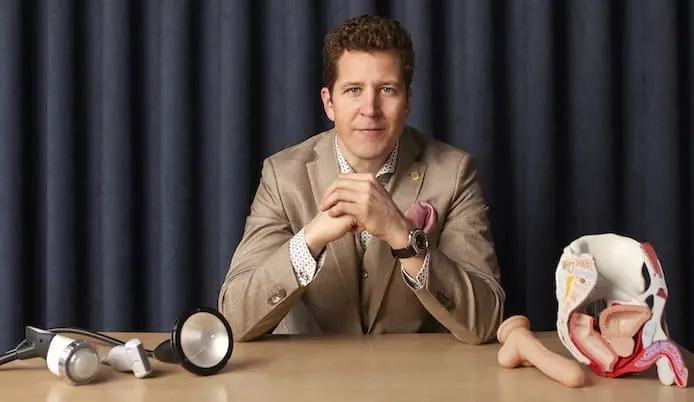
Written and medically reviewed by Michael Strøm
International speaker & expert in shockwave and EMTT treatment for erectile dysfunction, Peyronie’s & CPPS. Read more about me
Incontinence in the elderly: taboo problem – solution-oriented help
Incontinence in the elderly is more common than most people think. If you’re struggling with urine leakage, frequent trips to the toilet or a sudden, strong urge, you’re far from alone – and you can do something about it. I help men who may also suffer from erectile dysfunction, pelvic pain or other intimate challenges to find peace, control and a life without constant worry. My starting point is professionally strong, but down to earth: I take it step by step, identify the cause and build an individual program that makes sense for you. You don’t need to be in top shape to get started – you just need to be curious about change and we’ll find the pace together.
In this article
- What is incontinence in older men?
- Why does incontinence occur in the elderly?
- How to investigate the problem thoroughly
- Treatment with me: individual, evidence-based and practical
- What can you realistically expect?
- Typical questions about incontinence in the elderly
- How the first consultation works
- Who benefits from starting with me?
- Take the next step – regain peace, control and freedom
What is incontinence in older men?
Incontinence in the elderly refers to involuntary urination or leakage. For some, it’s small drips during physical activity. For others, it’s a violent, sudden urge (overactive bladder) that can’t be contained. Both affect sleep, social life, relationships and self-esteem. I meet men without prejudice and without taboo – the goal is concrete recovery and peace of mind. Swedish and international guidelines describe incontinence as a symptom, not a character flaw – and that’s how I treat it: as a problem that can be solved.
The most common types of incontinence
- Urge incontinence (overactive bladder): Sudden, strong urge to urinate, difficulty reaching the toilet in time. Often accompanied by frequent trips, also at night (nocturnal urination). Many also find that sounds (key in the door) or cold triggers the urge.
- Stress incontinence: Leakage when coughing, sneezing, laughing, lifting or exercising. Common after prostate surgery, but can also occur with a weak pelvic floor. Typically the amount is minor – but the discomfort can be significant.
- Overflow incontinence: Bladder becomes too full and “overflows”, typically due to prostate enlargement (BPH) or poor bladder emptying – often small dribbles throughout the day and a feeling of never being completely empty.
- Functional incontinence: Leakage because you can’t get there in time due to pain, reduced mobility, medication or cognitive factors. Here, treatment is also about accessibility and smart routines.
Symptoms that should be taken seriously
Urine leakage, frequent urination, nocturnal awakenings, weak stream, difficulty emptying, feeling of unease in the abdomen, pelvic pain, burning sensations or a constant tightness in the pelvic floor. Many people also find that their erection is affected – it’s not uncommon for the two to be related. If you experience a sudden worsening, fever, burning or blood in the urine, I will guide you to a relevant medical check-up.
Why does incontinence occur in the elderly?
Incontinence in older men rarely has a single cause. The right solution starts with understanding what mix of factors are at play in your case. When the puzzle – muscles, nerves, habits, medication and psychological factors – is put together correctly, the plan becomes clear and realistic.
Prostate and surgery
Prostate enlargement (BPH) can cause weak stream, difficulty emptying and overflow incontinence. After prostate surgery (e.g. cancer), the sphincter may be weak, resulting in stress incontinence. Both situations can be improved with targeted training and behavioral strategies, and in some cases medication or surgery, which you can discuss with your doctor. After surgery, I often see a gradual improvement as technique is refined and everyday life is adjusted – for example, “preparatory squats” before coughing and lifting and good voiding routines such as rest, time and possibly double voiding.
Muscles and nerves – the role of the pelvic floor
The pelvic floor is the body’s “sling” under the bladder. If it’s weak, you can leak under strain. If it’s too tight (hypertonic), it can trigger overactive bladder and cause urgency, pain and frequent urination. The pudendal nerve, which supplies the pelvic floor, can become irritated – for example in chronic pelvic pain (CPPS) – and contribute to pain, urgency and erectile dysfunction. That’s why I often help both strength and relaxation in place – not just “more squeezing”. I use simple, concrete cues: “Pull up and in around the penis and rectum” and “let your stomach be soft when you let go” so you feel the difference between activating and letting go.
Medication, lifestyle and bladder irritants
Diuretics (“diuretics”), certain antidepressants, high blood pressure medications and sleep medications can increase leakage or urgency. Caffeine, alcohol, artificial sweeteners and spicy foods can irritate the bladder. Constipation puts pressure on the bladder and worsens symptoms. A sharp review of habits and fluid intake is often part of the solution. I often recommend small, measurable adjustments such as collecting the majority of fluids earlier in the day, trying 1-2 cups of coffee instead of more, and talking to your doctor about the timing of diuretics.
Aging, tissue and health
Aging processes change connective tissue, nerve conduction and muscle strength. Diabetes, obesity, sleep problems, stress and pain can exacerbate incontinence in the elderly. Many also have an ‘alarm state’ in the body, where anxiety and worry about leakage itself increases the urge. I’ll help you get everything in gear – both body and nervous system – so the signals from the bladder become less violent and more manageable.
The connection with erectile dysfunction and pelvic pain
Erectile dysfunction and incontinence are often linked via blood vessels, nerves and muscles in the pelvis. Pain in the pelvis can lead to a constantly tense pelvic floor and an overactive bladder. That’s why I look at the whole picture and work in parallel with the areas that affect each other. When the pelvic floor learns to switch between work and rest, many people experience both better control and better function in intimate situations.
How to investigate the problem thoroughly
I start by understanding your everyday life and symptoms – without taboos, but with a focus on what you want to achieve: fewer accidents, better sleep, more freedom and safety in intimate situations. I give you the space to talk, and I translate my expertise into concrete actions that fit your life.
Medical history and bladder diary
I map out patterns: how often do you urinate, how much, when do you leak, what do you drink and how is the sleep? A bladder diary over 3-5 days gives a clear picture. I also cover medication, pain, constipation, leg edema (fluid in the legs) and activity level. The diary becomes your starting point to see progress – not a test you can “fail”.
Functional examination of the pelvic floor
I assess strength, endurance, timing and the ability to relax. Many people find that their “squeeze” primarily activates the stomach or buttocks – or that the muscles don’t release at all. Correct technique is crucial to the outcome. I always go through what the exam entails and I don’t do intimate exams without your explicit consent. You’ll get clear feedback so you can feel the difference right away.
Ultrasound scanning and advanced assessment
I use ultrasound scanning to visualize pelvic floor function, scar tissue and muscle balance. This makes training more precise and helps us see if you are using the right muscles at the right time. If nerve irritation or complex pain issues are suspected, I include targeted tests in the clinic. The images provide a common understanding and make it easier to stay motivated because you can see what you’re working on.
Relevant examinations with your GP
If there are signs of infection, blood in the urine, severe voiding problems, significant nocturnal urination or systemic diseases, I advise you to talk to your GP about urine tests, blood sugar, PSA (if applicable), medication review and possible assessment of residual urine. This ensures that we don’t miss anything that requires medical or urological treatment. Collaboration between me and your doctor provides the best course of treatment.
Treatment with me: individual, evidence-based and practical
I put together a program based on your goals. I often combine training, behavioral strategies and technologies that can modulate pain and nervous system “alarms”. It’s about restoring control and calm in the bladder – and in you. The plan is simple to follow in everyday life, and we adjust it continuously to make it work in practice.
Proper pelvic floor training – strength and relaxation
I fine-tune the technique with biofeedback and ultrasound to target the right muscles. For stress incontinence, it’s all about timing and strength. For urge incontinence, I often start by creating relaxation and better coordination before we add strength. The training is measurable, concrete and fits into your everyday life. Typically, you work with short, precise squeezes (1-2 seconds) to respond to coughs/sneezes and longer squeezes (6-10 seconds) for endurance, and equally important is the conscious relaxation after each squeeze. I also teach you “squat before strain” in everyday situations like standing up, lifting or coughing.
Bladder training and habit management
You’ll learn to delay urges gradually, use breathing and diversion strategies, plan fluid intake and reduce bladder irritants like coffee and alcohol. Small changes can have big results – especially on nighttime urination and frequent trips. An effective urination strategy is: stop, stand still, do a few calm squeezes, exhale deeply (like blowing dew off a window), wait until the urge drops to a manageable level – and only then walk calmly towards the toilet. If you’re having trouble emptying, simple measures such as resting in the bathroom, supporting your feet, bending over and possibly double-emptying can help.
Neuromodulation – calming the bladder reflex
Neuromodulation uses mild electrical stimulation to affect nerves that control the bladder reflex and pelvic floor tension levels. It can reduce urgency, improve coordination and reduce pain in chronic pelvic pain. I adjust the frequency and location according to your symptoms, for example around the tibial nerve at the ankle or locally in the pelvic area. The treatment is gentle and in some cases can be combined with home exercises to prolong the effect.
EMTT (electromagnetic transduction therapy)
EMTT delivers pulsed electromagnetic fields to deeper tissues. The goal is to improve tissue healing, reduce irritation and normalize muscle tone. For men with CPPS and increased tension, EMTT can be a useful complement to exercise and neuromodulation. It is gentle and takes place without direct contact. I use it in a targeted way based on your examination, so you only get what benefits your specific findings.
Focused sound waves to support pelvic pain
Focused sound waves can target connective tissue and muscle attachments in the pelvic region when pain and scar tissue maintain an overactive pelvic floor. By loosening tight structures, we can indirectly reduce urgency and make pelvic floor training more effective. I use it selectively where it makes sense based on your examination. The treatment is typically combined with relaxation and gentle movement afterwards.
Pain management and nervous system in balance
For chronic pelvic pain, I work with graduated exposure, breathing, positional relaxation and manual therapy so the body goes from “alarm” to “calm”. Less pain often means less urgency and fewer leaks. You’ll learn specific techniques to use at home – such as 4-6 slow breaths where the exhalation is longer than the inhalation – to reduce anxiety and improve control over cravings.
Medical options – what you can discuss with your doctor
For overactive bladder, antimuscarinic agents or beta-3 agonists (e.g. mirabegron) may be relevant. For prostate-related complaints, alpha-blockers or 5-alpha-reductase inhibitors may be considered. In selected cases, Botox in the bladder or surgery (male sling/artificial sphincter) is given. I will guide you on what to discuss with your doctor and what to look out for in terms of possible side effects.
Assistive products – discreet solutions here and now
While I’m taking the long view, discreet pads, uridoms and planned “safety strategies” can provide peace of mind and courage to get back out the door. The goal is to use them as support, not as the end of the line. I’ll help you choose the right products, ensure good fit and skincare – and phase them out again as control increases.
What can you realistically expect?
Most people notice changes within 3-6 weeks when the technique is in place and the habits support the bladder. Larger and more stable improvements are often seen over 8-12 weeks. I measure progress in number of leaks, nighttime awakenings, time between toilet visits and your perceived control. Small “relapses” along the way are normal – we use them as learning experiences to refine strategies. There’s no quick fix, but determined effort works – even if you’ve tried before.
Typical questions about incontinence in the elderly
Is incontinence just part of getting older?
Answer. Incontinence in the elderly is common, but not ‘normal’. It can almost always be improved – often significantly – with the right combination of exercise, habits and, if appropriate, medication or aids.
Will it go away on its own?
Some experience recovery after surgery or infection, but most need targeted action. The sooner you take action, the better the results.
Does pelvic floor training always help?
It helps when it’s right. For stress incontinence, strength and timing are key. For overactive bladder and pain, relaxation and coordination are the first step. Incorrect training can perpetuate the problem – that’s why I guide you precisely, often with ultrasound feedback.
What if I also have erectile dysfunction?
It’s common for it to go hand in hand. When I improve blood flow, muscle balance and nerve control in the pelvis – and calm anxiety and pain – it can benefit both leakage and erection.
Can caffeine, alcohol and sweeteners make my symptoms worse?
Yes, you can. They can irritate the bladder and increase urgency. Small adjustments in timing and quantity often make a big difference – especially in the evening.
What should I do if I urinate at night?
I look at fluid intake, salt balance, leg edema (fluid in the legs), medication timing and bladder training. Simple routines like putting your legs up a few hours before bed or wearing compression stockings during the day can help move fluid earlier in the day.
Is diaper my only solution?
The answer is no. Assistive technology can provide peace of mind in the here and now, but the goal is to reduce the need through treatment and training. Most can scale down significantly.
Does it hurt to get treatment?
Exercise and neuromodulation are gentle. Focused sound waves and EMTT are usually well tolerated. I always adapt the intensity and method to your body.
When should I see a doctor?
If symptoms come on suddenly, if you see blood in your urine, have a fever, severe pain, severe difficulty voiding or significant weight loss, you should contact your own doctor quickly. Otherwise, feel free to start with me; I’ll guide you if there are any tests you can benefit from seeing your doctor.
How the first consultation works
I clarify your goals, review symptoms and habits, and perform a functional pelvic floor examination. I often use ultrasound to ensure proper muscle recruitment. You leave with a plan that typically includes 2-3 simple exercises, concrete everyday strategies and a realistic timeline. I agree clear milestones with you so you can feel progress from week to week, and we follow up and adjust so that the efforts work for you – in practice.
Who benefits from starting with me?
Men with incontinence in the elderly who want fewer accidents, better sleep and greater freedom. Especially those who also experience erectile dysfunction, overactive bladder, chronic pelvic pain (CPPS), pudendal nerve irritation or after effects of prostate surgery. I work with men from all over Denmark – especially Copenhagen and Zealand.
Take the next step – regain peace, control and freedom
You don’t have to live with constant agitation, planning for toilets and fear of leaks. Incontinence in the elderly can be treated purposefully and respectfully. I offer a safe, professional approach that takes into account your entire situation – from muscles and nerves to sleep, habits and sexual well-being. Contact me today for a no-obligation consultation and a plan that’s right for you.
If you are interested in hearing more about how I can help you, you are always welcome to contact me by phone 41 40 08 58 or email michael@msinsight.dk. I’ll get back to you quickly with a customized proposal so we can find the best way forward together.
Would you like a specialist assessment of your situation?
You don’t have to figure it out alone. Call directly or write a few lines about your symptoms – I’ll get back to you within 12-24 hours with a concrete suggestion for the next step.