
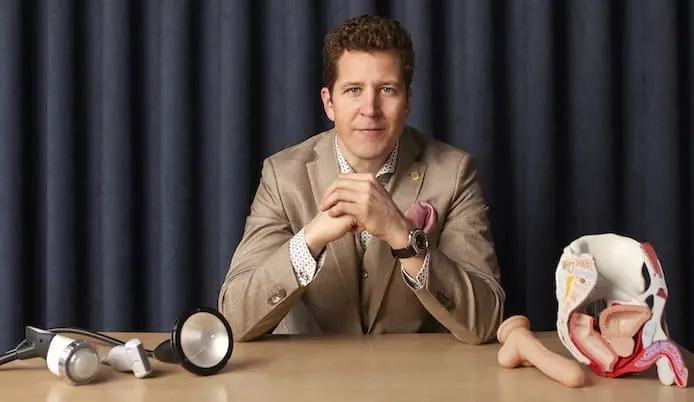
Written and medically reviewed by Michael Strøm
International speaker & expert in shockwave and EMTT treatment for erectile dysfunction, Peyronie’s & CPPS. Read more about me
Erection at night: what is normal and when should you react?
Nocturnal erections – a health sign you don’t need to be ashamed of
Erection at night is a natural part of male physiology. Most men have 3-5 spontaneous nocturnal erections during a night’s sleep, typically during REM sleep (dream sleep). They occur independently of sexual desire and act as a “maintenance check” of the blood vessels, nerves and corpus cavernosum in the penis. When nighttime erections disappear, change or hurt, it could be a signal that something in your body or nervous system is out of balance – and I can help you with that.
You’ll often first notice it as a “morning erection”, but nocturnal erections (often called NPT – Nocturnal Penile Tumescence) happen in several waves during the night. They tell you something about how your circulation, nerves and sleep interact. My approach is to translate those signals into concrete knowledge and a plan that works in your everyday life – without shame and without taboo.
I help men who experience erectile dysfunction, pelvic pain or other intimate health challenges. My goal is to make you feel safe and respected – and to give you a realistic way forward.
What is “normal” for an erection at night?
- Number: 3-5 episodes per night is common.
- Duration: Each episode can last 10-30 minutes.
- Experience: Many people first notice it as a “morning erection”.
- Variation: Stress, poor sleep, alcohol and illness can temporarily dampen nighttime erections. Fluctuations are normal.
Absence of a “morning erection” on certain days is rarely a problem. However, if over weeks to months you consistently lack an erection at night and have erection problems while awake, you should take action. As a rule of thumb, I look at patterns, not single nights – and I help you distinguish between transient fluctuations and signs that need further investigation.
In this article
Why do you get an erection at night?
Collaboration between brain, nerves and blood vessels
Nighttime erections are controlled by the brain’s sleep centers, the autonomic nervous system and the neurotransmitter nitric oxide (NO), which dilates the blood vessels in the penis. The parasympathetic nervous system (“resting system”) dominates during REM sleep and opens up blood flow to keep tissues oxygenated and supple. It is the body’s way of keeping tissues and blood flow functioning properly.
When something upsets that balance – for example, vascular disease, nerve irritation, hormonal changes, poor sleep or mental stress – nighttime erections can become fewer, weaker or painful. Sleep rhythm also matters: REM phases come in waves throughout the night, so restless or interrupted sleep often results in smaller or shorter erections.
What does it mean if I don’t get an erection at night?
Lack of nocturnal erections may point to a more physical (organic) cause of erectile dysfunction, for example
- Changes in blood vessels (e.g. atherosclerosis, high blood pressure, diabetes)
- Nerve impingement (spinal, pelvic or pudendal nerve)
- Hormonal conditions (low testosterone)
- Sleep disorders (sleep apnea, fragmented sleep)
- Side effects of medication, alcohol or smoking
It does not mean that “the race is over”. It’s a signal that I should do a thorough assessment and take targeted action – so you get the combination of measures that makes sense for your body and your everyday life.
What if I wake up with erection pain at night?
Some men wake up with pain during an erection at night. Typical causes I see in the clinic:
- Peyronie’s disease (scar tissue in the tumor bodies, curvature, tenderness in one phase)
- Chronic pelvic pain (CPPS) with pelvic floor tension and nerve irritation
- Irritation of the pudendal nerve
- Prostate-related discomfort and pelvic discomfort
- Overactive stress response that keeps the nervous system “on guard” at night
Pain during an erection is not something you have to “suck it up”. I help you to calm the tissues, reduce nervous system overactivity and improve comfort. Simple things like calm breathing, better sleeping positions and pelvic floor relaxation can be a first step while we treat the cause.
When erections at night become too long-lasting
An erection that lasts more than 4 hours and is painful could be priapism and requires emergency help. If you experience it, you should seek emergency care immediately. It’s rare – but important to recognize and respond to.
Causes of altered erection at night
The condition of the blood vessels
- High blood pressure, high cholesterol, diabetes, obesity and smoking affect the vessels’ ability to dilate.
- Erection is a vascular process. Reduced blood flow causes weaker nighttime erections and “morning erections” that fail to materialize.
I assess vascular health both through your history and with ultrasound/Doppler, so we can target exercise, diet and medical advice with your GP if necessary.
Nerves and pelvic floor
- Irritation or entrapment of the pudendal nerve can cause pain, tingling, burning and discomfort during erection and ejaculation.
- An overstretched pelvic floor disrupts blood flow and creates anxiety in the area – especially at night.
I examine both nerve sensitivity and muscle balance. Often it is the combination of targeted relaxation, correct activation and neuromodulation that creates calm – and better night-time comfort.
Sleep and breathing
- Sleep apnea, snoring and fragmented sleep reduce REM sleep and thus nighttime erections.
- Irregular circadian rhythms and too little sleep have the same effect.
If you have signs of apnea (loud snoring, pauses in breathing, daytime fatigue), I’ll guide you through the next steps towards diagnosis. At the same time, I’ll work on a realistic sleep hygiene plan to give you more consistent nights.
Hormonal balance
- Low testosterone can affect libido and erection quality, including nighttime erections.
- Weight, sleep and stress interact with hormones.
I assess whether blood tests are relevant and how lifestyle interventions can support your hormone balance – without quick fixes, but with noticeable effects over time.
Medication, alcohol and drugs
- Certain antihypertensives, SSRIs, antihistamines and opioids can affect erections.
- Alcohol and cannabis can disrupt both sleep architecture and erectile function.
I will review your current medications and habits with you and provide suggestions on what to discuss with your GP if medication is suspected to be involved.
Stress, performance pressure and psychology
- Performance anxiety can amplify erectile dysfunction during the day.
- Prolonged stress activates an “alarm system” in the body that inhibits nighttime erections.
The goal is to restore safety in the body. I work with concrete strategies that dampen the alarm system and give you peace of mind – both mentally and physically.
How I diagnose problems with erections at night
I work systematically and respectfully – and everything takes place in a safe environment in my clinic in Copenhagen. There are no intimate examinations without clear information and consent, and you decide the pace.
Thorough conversation and symptom mapping
- Your story: When did the genes start and how do they manifest?
- Sleep profile: Quality, snoring, awakenings, “morning erection”.
- Sexual function: Spontaneous and stimulated erection, desire, ejaculation, pain.
- Lifestyle: Exercise, alcohol, smoking, stress, screen habits.
- Medical background: Current medications, chronic diseases and previous surgeries.
- Questionnaires on erectile function and pain for a clear starting point.
Advanced ultrasound scanning and functional assessment
- Ultrasound of the penis and surrounding tissue to assess blood vessels, tissue quality and possible scar tissue in Peyronie’s disease.
- Assessment of blood flow (Doppler principles) to identify vessel-related causes.
- Examining pelvic floor function: is it overstretched, weak or unbalanced?
- Neurological signs of pudendal irritation or nerve pressure.
The overall assessment gives a clear picture of what’s driving your symptoms – so I can prioritize what will realistically make the biggest difference first.
When do extra tests make sense?
- Blood tests (e.g. testosterone, blood sugar, cholesterol) may be relevant.
- Suspected sleep apnea? Then screening for sleep disorders can be important.
- Some also ask about NPT (Nocturnal Penile Tumescence) testing. It can help distinguish between bodily and situational causes in selected cases.
I will guide you on how to talk to your own doctor about relevant tests that I do not perform in the clinic. For a simple home “ring test” you can use a strip of paper around the penis at bedtime; if it bursts during the night, it indicates nocturnal erections. We’ll assess together what makes sense for you.
Treatment: From knowledge to action
I offer tailored combination programs that address tissue, nerves, blood vessels, sleep and psycho-sexual factors. No standard packages – your plan is built on your study and your reality.
Focused sound waves (shockwave)
Focused sound waves are a proven method to stimulate blood vessel health and healing in the penis. For men with erectile dysfunction, it can increase microcirculation and support better erection quality. For Peyronie’s disease, in selected cases, the treatment can reduce pain and complement other interventions. I use sound waves targeted to the areas where the examination shows a need. Results and duration vary – I talk openly about expectations and systematically follow up on the effect.
EMTT (electromagnetic transduction therapy)
EMTT uses electromagnetic pulses to stimulate tissues and nerves in order to promote healing and reduce irritation. I use EMTT for chronic pelvic pain, pudendal nerve issues, and discomfort in areas where the nervous system is “overactive”—often in combination with sound waves and targeted exercises.
Neuromodulation and calmness of the nervous system
For pain, agitation and overactive nervous systems, I work with neuromodulation to reduce sensitivity and restore normal signals. This can include sensory exercises, stimulation techniques and breathing to “down-regulate” the alarm system. The goal is less pain, better comfort and more stable erections – also at night.
Pelvic floor: strength, flexibility and timing
A well-functioning pelvic floor can both support erections and reduce pain. Many men have either too tight or too weak a pelvic floor. I teach you proper activation and – more importantly – relaxation, coordination and breathing. This can improve blood flow, reduce anxiety and make nighttime erections more comfortable.
Lifestyle, sleep and psycho-sexual well-being
- Sleep: Fixed circadian rhythm, snoring/apnea suspicions are addressed and I create a plan that fits your everyday life.
- Exercise and weight: Small, realistic steps can make a big difference to vascular function.
- Alcohol, nicotine and medication: I review habits and possible side effects – no finger pointing.
- Psychosexual counseling: I help you to relieve performance pressure, increase confidence and strengthen communication with your partner – if relevant to you.
Frequently asked questions about erections at night
Do I need a “morning erection” to be healthy?
This is a good sign, but not the only one. Lack of “morning erection” on some days is normal. Persistent absence along with erectile dysfunction is a signal that I should investigate it further with you.
Can I have an erection at night but not during sex – or vice versa?
Yes. Some men have healthy nighttime erections but experience problems during sexual activity due to performance anxiety or pain. Conversely, some men may have reduced nocturnal erections but function reasonably well when awake. That’s why I look at the big picture—including the body, sleep, and mental health—before developing a plan.
Does porn, masturbation or frequent sex affect my nightly erections?
Your body does not “run out” of erections. However, excessive stimulation, very late screen time or sleep deprivation can disrupt sleep and thus REM phases. Focus on good sleep hygiene and balanced habits.
Do PDE5 inhibitors (e.g. Viagra) help nighttime erections?
They can improve blood flow and thus also affect nocturnal erections, but the purpose is typically a waking erection. Always talk to your own doctor about medication and possible side effects.
Is snoring and sleep apnea related to nighttime erections?
Yes. Sleep apnea reduces REM sleep and can significantly reduce nighttime erections. If you snore a lot, feel exhausted during the day, or wake up frequently at night, it makes sense to have your sleep evaluated. I’ll guide you on how to discuss this with your doctor to arrange for an evaluation.
What about night-time urination (nocturia)?
Frequent awakenings disrupt sleep architecture. Prostate agitation, fluid intake and sleep quality all play a role. I’ll uncover what’s driving it for you and make a plan – often simple changes make a big difference.
Can pelvic floor exercises help with night pain or erection?
Yes, when the training is precise. For many, it’s more about relaxation and timing than “more strength”. A calm, elastic pelvic floor improves comfort and blood flow. I’ll show you how to train correctly – without triggering more unrest.
How soon can I expect improvement?
It is individual. Some notice changes in a few weeks with targeted efforts; others need a longer process. I make a clear plan and follow up so we can adjust along the way.
When should you seek help?
- Persistent absence of nighttime erection and/or “morning erection” over weeks to months
- Pain with erection – day or night
- Curvature, hard lump or change in shape of the penis (suspected Peyronie’s)
- Erectile dysfunction that affects your sex life and mood
- Symptoms of pelvic pain, pudendal irritation or discomfort in the area
- Suspected sleep apnea or severely disturbed sleep
The earlier you take action, the easier it is to turn things around – and I’ll help you every step of the way.
How I help you – safe, concrete and without taboo
When you contact me, you get:
- A safe space where it’s okay to be honest – even about the hard stuff
- A thorough, evidence-based assessment with ultrasound scan and functional assessment
- A personalized plan that may include focused sound waves(shockwave), EMTT, neuromodulation, pelvic floor training, sleep and lifestyle advice, and psycho-sexual support
- Practical tools you can use right away – and follow-up to ensure progress with you
I meet many men from all over Denmark, especially Copenhagen and Zealand, who have been alone with their worries for a long time. You don’t have to do that anymore. An erection at night is more than a “morning erection” – it’s a window into your body’s health. If the signals change, it’s not a defeat, but an invitation to act.
Ready to get clarity and a plan that works in your reality? Contact me today. I’ll take you confidently from worry to action – with respect, professionalism and focus on what matters most to you.
If you are interested in hearing more about how I can help you, you are always welcome to contact me by phone 41 40 08 58 or email michael@msinsight.dk. I’ll get back to you quickly with a customized proposal so we can find the best way forward together.
Would you like a specialist assessment of your situation?
You don’t have to figure it out alone. Call directly or write a few lines about your symptoms – I’ll get back to you within 12-24 hours with a concrete suggestion for the next step.