
Written and medically reviewed by Michael Strøm
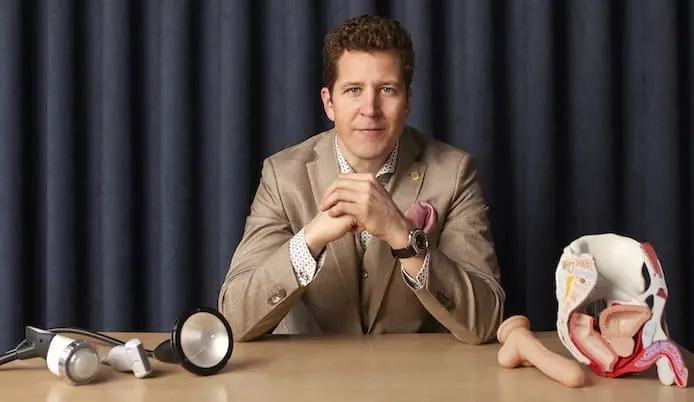
International speaker & expert in shockwave and EMTT treatment for erectile dysfunction, Peyronie’s & CPPS. Read more about me
Can’t retain water? I’m sure I can help you further
Can’t hold your water – or are you struggling with dribbling, sudden urge to urinate, frequent trips to the toilet or nighttime urination? You’re not alone and you’re not wrong. As a man, talking about urine leakage can be uncomfortable, especially if you’re also experiencing erectile dysfunction, pelvic pain or insecurity in your intimate life. At my clinic in Copenhagen, I help men from all over Denmark – especially from Zealand and the Copenhagen area – regain control, peace of mind and confidence in everyday life. I work evidence-based with advanced diagnostics and targeted programs that take into account both the body and the mind. My approach is direct and caring: You get clear answers, concrete tools and a plan you can trust.
In this article
- What does “can’t retain water” mean?
- Why do urine leaks occur in men?
- The link between “can’t hold water”, erectile dysfunction and pelvic pain
- How I investigate the problem – calm, overview and clear answers
- Treatment: targeted, evidence-based and tailored to you
- What can you do now?
- Frequently asked questions
- When should you seek emergency help?
- Take the first step – I help you get there with confidence
What does “can’t retain water” mean?
“Can’t hold my water” is an everyday phrase for urinary incontinence – involuntary urination. It can be anything from small drops when coughing, laughing and lifting to strong and sudden urges where you can’t get to the toilet in time. For some, it’s an after-drip after urination or sex. For others, it’s a constant feeling of needing to pee, a weak stream or getting up several times a night. Whatever form it takes, it’s stressful, but there’s a lot I can do to help you regain calm and control. Overall, it’s about understanding the mechanisms behind it – and then targeting the efforts to fit your everyday life.
Typical forms of urinary incontinence in men
- Urge incontinence (overactive bladder): Sudden, strong urges – often with leakage if you can’t reach the toilet.
- Stress incontinence: Leakage when coughing, sneezing, laughing, lifting or running (typically if the pelvic floor is weakened).
- Overflow incontinence: Leakage because the bladder is not emptying properly; often accompanied by weak stream, frequent urination and a feeling of not being finished.
- Mixed incontinence: Combination of stress and urge symptoms.
- Post-micturition dribble: Drops that appear after pulling up your pants or when you stand up – often due to residual urine in the urethra and/or pelvic floor function.
- Functional incontinence: When you can hold it in principle, but practical or physical limitations prevent you from reaching the toilet in time.
Symptoms you can recognize
- Frequent urination (many short trips to the toilet)
- Nighttime urination (up one or more times)
- Sudden, severe cravings (urgency)
- Leakage during activity or exertion
- Drip after urination or after sex
- Weak beam, difficulty starting or feeling of not finishing
- Burning, pressure or pain in the pelvis (may be related to pelvic floor and nerves)
Why do urine leaks occur in men?
The causes are often complex. I often see a combination of pelvic floor function, nerve interference, prostate issues and lifestyle factors. The key is to understand your pattern, your body and your everyday life – so I can target my efforts. Stress, sleep and habits also play a role: a nervous system on alert can amplify urges and make the bladder “quick on the trigger”, while inappropriate toilet habits can perpetuate the problem. When I get the full picture, I can distinguish between what’s driving the symptoms and what’s just making them worse.
Pelvic floor and nerves
The pelvic floor is a muscular mesh that supports the bladder and urethra. If it’s too weak, it doesn’t close well enough; if it’s too tight, it can cause pain, poor coordination and, paradoxically, leakage. Affecting the pudendal nerve or other pelvic nerves can cause bladder hypersensitivity, dribbling and pain. Men with chronic pelvic pain (CPPS) often have disturbed pelvic floor coordination, which can cause urgency, frequent urination and leakage. I work with the interaction between breathing, abdominal and back muscles and the pelvic floor because they function as one pressure system: when the diaphragm and pelvic floor can move freely and in rhythm, the pressure on the bladder decreases and control improves. This results in fewer leaks and less abdominal discomfort.
Prostate and urethra
Enlarged prostate (BPH), previous prostatitis (inflammation) or surgery in the prostate region can alter flow, pressure and closing function. After prostatectomy (removal of the prostate), stress incontinence is common for a period of time. In addition, scar tissue, irritation or infection can affect the urethra and bladder. I am aware of symptoms that may indicate urethral narrowing (stricture) or external sphincter involvement, and I adapt training and treatment to your current healing, sensitivity and strength – so you progress without provoking the tissue.
Lifestyle, medication and other diseases
- Caffeine, alcohol and nicotine can irritate the bladder and increase urgency.
- Excess weight, chronic coughing and heavy strain put pressure on the pelvic floor.
- Constipation can worsen symptoms by putting pressure on the bladder and affecting nerves.
- Diabetes, neurological diseases and certain medications can affect bladder control.
- Sleep apnea and poor sleep increase nocturnal urine production and stress in the system.
- High carbonation, artificial sweeteners and spicy foods can trigger bladder irritation in some people.
- Too little fluid can make urine concentrated and stinging – balance is key.
The link between “can’t hold water”, erectile dysfunction and pelvic pain
Men often report that their urinary problems go hand in hand with erectile dysfunction or pelvic pain. It makes sense: blood vessels, nerves and muscles in the pelvis work closely together. Tension, inflammation or nerve irritation can both lower erection quality and cause overactive bladder, after-dripping or pain after sex. There is also a documented link between lower urinary tract symptoms (LUTS) and erectile dysfunction. When I treat the whole – pelvic floor, nervous system, sleep, stress and tissue quality – I often create improvement in several places at once. This gives a sense of coherence in the body and more energy in everyday life.
How I investigate the problem – calm, overview and clear answers
The first step is a thorough conversation where you are given time and space to talk. I ask about symptoms, habits, lifestyle, sexuality and past history. Together, I use relevant symptom forms (e.g. ICIQ/IPSS) and a diary so we can see patterns – not just guesses. I also review medication, fluid habits, toilet habits and sleep, because small adjustments here often have a big effect.
I offer advanced diagnostics with ultrasound scanning. For example, it can be used to:
- Assess bladder emptying (residual urine) and bladder capacity
- Look at relevant structures in the pelvis and around the prostate region
- Support assessment of pelvic floor function and coordination
If needed, I perform functional pelvic floor tests and simple flow and control exercises to see how the muscles and nervous system respond. If there are signs of infection, blood in the urine, significant blood sugar impact, suspicion of large prostate enlargement or the need for urodynamic measurements, I advise you to talk to your own doctor about relevant tests (e.g. urine sample/urine culture, PSA after individual assessment, blood sugar or referral for further tests).
I always take red flags seriously: severe pain, fever, visible blood in the urine or if you suddenly can’t urinate – in these situations you should seek urgent assessment.
Treatment: targeted, evidence-based and tailored to you
No standard packages. I put together a program that suits your symptoms, your level and your goals. I typically combine training, neuromodulation and tissue-oriented treatment with specific habit changes and advice on intimate life. You’ll get a plan with clear steps so you can feel progress, make adjustments along the way and know what you can do between sessions.
Pelvic floor training – but right and at the right time
Pelvic floor training helps many, but it has to be done right. Some need to strengthen and coordinate; others need to learn how to release tension and calm the system first. I teach you exactly how to activate and relax the pelvic floor and how to use it in everyday situations (coughing, lifting, running, sex). I often work with biofeedback principles – simple, concrete feedback on whether you are tensing, releasing and dosing correctly, rather than “blind” pelvic floor exercises. You get clear bodily cues (e.g. the sensation of a slight “lift” inside the body and a calm, full release afterwards), so the technique becomes safe and transferable to everyday life.
Neuromodulation – calm your bladder and improve control
With neuromodulation, I affect the nerves that control the bladder and pelvic floor. This can reduce overactivity, improve coordination and reduce urgency and leakage. The treatment is gentle and is often used as part of a comprehensive program. I target the modality and dosage to your symptoms – typically via surface electrodes on specific areas – and combine with simple strategies you can use at home to maintain the effect.
EMTT and focused sound waves – when tissue and pain come into play
If there is pain, muscle knots or tissue involvement in the pelvic region, EMTT (electromagnetic transduction therapy) and focused sound waves can help by increasing blood flow, reducing irritation and normalizing tissue response. For men with chronic pelvic pain or significant tension, this can improve their chances of success with exercise and urinary control. Treatments are typically quick, well-tolerated and without downtime – and I carefully match them to where your body is on any given day.
Behavior and lifestyle advice that works
- Bladder training: Gradually lengthening intervals between toilet visits to tone down overactivity.
- Fluid and caffeine strategy: Enough fluid, but not too much; less coffee, energy drinks and alcohol.
- Bowel rhythm: Prevent constipation – it relieves the bladder and nerves.
- Breathing and stress regulation: Calming the nervous system reduces urgency and pain.
- Weight, cough and strain: Small changes can make a big difference to leakage during exertion.
- Toilet habits: Avoid peeing “just in case” all the time – it can make the bladder more sensitive.
Sexual well-being and safety in intimacy
Urine leakage during or after sex is taboo, but common. I address it respectfully and concretely: timing of urination, positions, pelvic floor control and a tailored plan to reduce after-drip. If you also have erectile dysfunction or pain, I integrate sexological counseling to help you regain peace, function and desire. The goal is for you to be present in intimacy without worrying about leakage – with techniques that are simple to put into practice.
What can you do now?
- Stay hydrated: 1.5-2 liters daily for most people, more with heat/exercise. Spread your intake out and limit larger amounts late at night.
- Cut down on caffeine and alcohol: Reduces urgency and nighttime urination.
- Bladder training: Counter the urge for 1-5 minutes with calm breathing and a short, light squeeze – then go to the toilet calmly.
- Post-drip technique: Press a few fingers behind the root of the scrotum up towards the perineum and lightly “milk” towards the head of the penis after you’ve peed. Finish with a short, controlled squeeze.
- Double water charge on demand: Wait 20-30 seconds and try again if you often feel like you’re not done.
- Prevent constipation: Fiber, fluids, movement – and peace and quiet on the toilet.
- Get moving: Walking and strength training improve both bladder control and well-being. Start slowly and build up.
- Avoid “blind” pelvic floor training: Get guidance – too many squeezes on an already tense pelvic floor can worsen urgency and pain.
Frequently asked questions
Is it normal to leak after urination or after sex?
Yes, postvoid dribbling is common and is often caused by residual urine in the urethra and/or poor pelvic floor coordination. With targeted technique and training, it can typically be significantly improved. I’ll show you a simple routine that makes a clear difference in everyday life.
Does “can’t hold water” go away on its own?
Some get spontaneous improvements, but many go too long and adapt to everyday life. The sooner I address it, the sooner you’ll gain control and reduce discomfort – and I can help you prevent the pattern from setting in. It’s all about small, consistent steps in the right direction.
Do medications help?
For overactive bladder, medication can alleviate symptoms in some cases. For prostate-related problems, specific medications can provide relief. I advise you on how to talk to your GP about the options, if this is relevant to you. At the same time, I work on the causes so you don’t just alleviate the symptom.
Can I train, run and lift?
Yes – but with a plan. With the right strategy, you can often keep going or come back faster: building in levels, consciously using the pelvic floor and adjusting the load. I create a concrete plan for your goals so you can train with confidence.
Is incontinence a sign of cancer?
Urine leakage is rarely a sign of cancer in itself. Red flags include visible blood in the urine, unexplained weight loss, fever or severe pain. If you experience this, you need to be assessed quickly. Otherwise, I will perform a thorough, calm examination and involve your own doctor if you need tests that I do not perform in the clinic.
How long does a course take?
Most people notice improvement within 4-8 weeks when I combine exercise, neuromodulation and targeted habits. For longer-term pain or after surgery, it may take longer – but I set specific milestones so you can feel progress and know what the next step is.
What if I’ve had prostate surgery?
After prostatectomy, stress incontinence is common. Systematic pelvic floor training, neuromodulation and a clear plan for progression make a big difference. I take into account scars, tissue and your current status – without pushing too hard too soon – and help you safely progress towards better control.
When should you seek emergency help?
- You can’t urinate at all and your bladder feels full
- Visible blood in urine, fever or severe side/back pain
- Sudden, severe worsening of symptoms with general effects
In these cases, you should seek urgent assessment. Otherwise, you’re welcome here, where I will calmly find the cause and solution together with you.
Take the first step – I help you get there with confidence
You don’t have to live with the feeling of “can’t hold your water”. I offer a structured, respectful and effective program of advanced ultrasound, neuromodulation, EMTT, focused sound waves and targeted training – combined with advice on sleep, lifestyle and sexual well-being. You get someone who listens, explains and takes you seriously. Book an appointment at my clinic in Copenhagen or contact me to find out how I can help you. I meet you without prejudice – and I find a solution that fits your body, your life and your goals.
If you are interested in hearing more about how I can help you, you are always welcome to contact me by phone 41 40 08 58 or email michael@msinsight.dk. I’ll get back to you quickly with a customized proposal so we can find the best way forward together.
Would you like a specialist assessment of your situation?
You don’t have to figure it out alone. Call directly or write a few lines about your symptoms – I’ll get back to you within 12-24 hours with a concrete suggestion for the next step.