

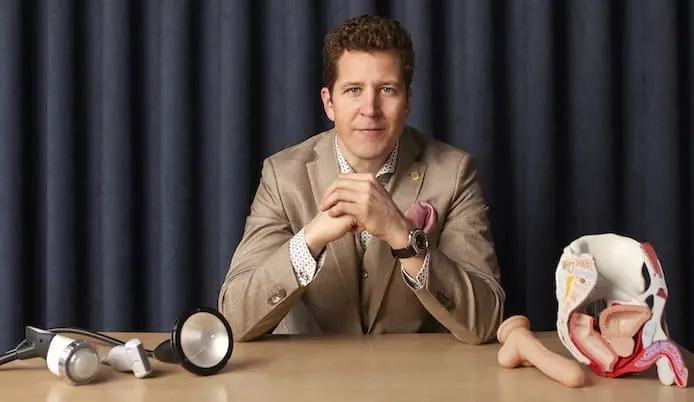
Written and medically reviewed by Michael Strøm
International speaker & expert in shockwave and EMTT treatment for erectile dysfunction, Peyronie’s & CPPS. Read more about me
Autonomic neuropathy: when nerves control more than you think
Autonomic neuropathy means that the nervous system that automatically regulates the body’s functions has become unbalanced. It’s about the nerves that control blood pressure, heart rate, perspiration, digestion, bladder – and not least erection and ejaculation. I meet many men who struggle with erectile dysfunction, reduced sensitivity, altered ejaculation, pelvic pain, difficulty urinating or “unrest” in the body without being able to put a finger on why. Often the explanation lies in the autonomic nervous system. I’ll help you understand what’s happening and create a concrete plan to give you more control, fewer symptoms and a better quality of life. When you know what you’re feeling, you’ll be less anxious and calm enough to act wisely.
In this article
- What is autonomic neuropathy?
- Typical symptoms of autonomic neuropathy in men
- Causes and risk factors
- Autonomic neuropathy and sexual function
- The connection with pelvic floor and pelvic pain
- How I screen for autonomic neuropathy in relation to intimate health
- Treatment: targeted, evidence-based and individual
- What can you do now?
- Frequently asked questions about autonomic neuropathy
- When should you seek emergency help?
- My promise to you
- Next step – get in touch
What is autonomic neuropathy?
The autonomic nervous system is the body’s autopilot. It has two main tracks: the sympathetic (the accelerator) and the parasympathetic (the brake). The two systems balance everything from blood flow in the penis to bowel movements and the bladder emptying reflex. When the nerves are damaged or become hypersensitive, it’s called autonomic neuropathy – also known as dysautonomia. The damage is often in the small nerve fibers (the thin A-delta and C-fibers) that control blood vessels, sweat glands and sensory functions close to the skin and in mucous membranes.
Autonomic neuropathy can be diffuse (small fiber neuropathy), diabetic, post infection/virus, post surgery/trauma, prolonged stress and sleep deprivation or as part of other neurological conditions. For some, symptoms shift over time and fluctuate in intensity – typical of a nervous system trying to compensate. The better I can map the pattern, the more precisely I can target my efforts.
Why is it relevant to your intimate health?
Erection requires a precise interplay between blood vessels, nerves and the pelvic floor. Parasympathetic signals open the blood vessels and fill the cavernous bodies, while sympathetic nerves regulate timing and ejaculation. If the nerves don’t deliver the right signals, problems such as weak or unstable erection, premature or delayed ejaculation, low sensitivity or “empty” orgasm occur. Autonomic dysfunction can also affect the bladder (frequent urges, difficulty emptying, after-drip) and bowel (constipation, bloating), which in turn can trigger pelvic tension and pain.
A practical sign I often ask about is morning and night-time erections. They are primarily parasympathetic and can give a clue as to whether the challenge is mainly nervous/autonomic or related to performance pressure and situation. It’s not a checklist – but it helps me to choose the right approach first.
Typical symptoms of autonomic neuropathy in men
Symptoms vary and you don’t have to have them all. It’s the pattern that counts:
- Erectile dysfunction: erection is slow, does not last, or is inconsistent.
- Ejaculation disorders: premature ejaculation, delayed ejaculation or “dry” orgasm.
- Decreased penile sensitivity or alternating over- and under-sensitivity.
- Pelvic pain: pressure, burning, pain around the perineum, scrotum, penis root or into the rectum.
- Bladder symptoms: frequent urination, sudden urgency, weak stream or after-drip.
- Bowel symptoms: constipation, fluctuating stool pattern, bloating.
- Systemic signs of dysautonomia: palpitations, dizziness on standing, sweating disorder, cold hands/feet, “inner turmoil”.
Some also notice fatigue after meals, heat intolerance or that symptoms increase with stress and decrease with calm breathing. This supports the picture of an autonomic imbalance and helps me prioritize nervous system calming measures early on.
Causes and risk factors
Autonomic neuropathy can have several explanations – often a combination:
- Diabetes and prediabetes: high blood sugar damages small nerve fibers and microcirculation.
- Metabolic syndrome: excess weight around the abdomen, high blood pressure, dyslipidemia affects vessels and nerves.
- Small fiber neuropathy: can be seen in autoimmune conditions, B12 deficiency, metabolic disorders, alcohol overconsumption or after infections.
- Prolonged stress and sleep deprivation: distorts sympathetic/parasympathetic nervous system and exacerbates pain and tension patterns.
- Spine and pelvic problems: discs, facet joints, scar tissue or nerve irritation, for example around the pudendal nerve, can affect autonomic reflex pathways in the pelvis.
- Abdominal surgery/trauma: scars and tissue changes can alter nerve and vascular signaling.
- Medications and toxins: certain chemotherapies, alcohol and some drugs can affect autonomic fibers.
If a systemic cause is suspected, it may be relevant to have selected blood tests or other tests. Here I will guide you on how to talk to your GP about what is outside the scope of the clinic’s tests. If you have stresses such as sedentary work, smoking or prolonged pressure on the perineum (e.g. a lot of cycling), this is also included in my assessment because it can irritate both vessels and nerves.
Autonomic neuropathy and sexual function
Erection
Recovery depends on three things: intact nerve conduction, healthy blood vessels and well-functioning swelling bodies. Autonomic neuropathy disrupts parasympathetic activation, so blood vessels don’t dilate optimally or the signal “drops out” along the way. The result can be an erection that is difficult to initiate or easily disappears. I also look at the quality of spontaneous nocturnal/morning erection and response to stimulation – this gives important clues as to where in the chain the challenge lies.
Ejaculation and orgasm
The sympathetic nervous system controls ejaculation. Too much sympathetic activity can cause premature ejaculation, while weakened signaling can delay or prevent ejaculation. Many also describe altered orgasm sensation or “flat” orgasm because sensory nerve pathways and muscle reflexes are not working properly together. Training timing, breathing and pelvic floor relaxation reflexes can often significantly improve the experience, even when the nervous system is vulnerable.
Sensitivity
Small fiber neuropathy can cause both hypo- and hypersensitivity. Some feel less and need more stimulation, others experience burning, stinging or hypersensitivity that makes sex uncomfortable. I adapt touch and desensitization techniques so that the nervous system can gradually tolerate more without flaring – it’s all about dosage and comfort.
The connection with pelvic floor and pelvic pain
The pelvic floor is closely linked to the autonomic nervous system. When the sympathetic nervous system is “on overdrive”, the pelvic floor muscles often tense up – especially during stress, pain, bladder urgency or performance pressure. Over time, this can create a self-reinforcing pattern of pain, soreness, fatigue, lumpiness and impaired erection. In chronic pelvic pain (CPPS), I often see a mix of muscular overactivity, neuroinflammation in small nerve fibers and dysautonomia.
A combination of targeted relaxation, slow breathing exercises and gradual exposure to touch and activity works best. The goal is not a “soft pelvic floor”, but a pelvic floor that can shift gears: let go, hold back and cooperate with breathing – at the right time.
How I screen for autonomic neuropathy in relation to intimate health
My focus is to find the patterns that can be acted upon. I start with a thorough interview where I map out symptoms, lifestyle, sleep, stress, medication and medical history. This is followed by a targeted clinical examination:
- Symptom and risk profile: structured questionnaires (e.g. COMPASS-31) and sexual history.
- Pelvic floor assessment: palpation, functional testing and guided activation/relaxation.
- Ultrasound: high-resolution scanning of the penile corpus cavernosum and relevant vascular structures to assess tissue quality, blood flow and possible plaque formation in Peyronie’s disease.
- Autonomic screening: heart rate and breathing patterns at rest/deep breathing, orthostatic response (supine-standing), skin and sweat response via clinical observations.
If underlying systemic causes are suspected, I will advise you on relevant laboratory tests (e.g. blood sugar/HbA1c, B12, metabolism), which you can discuss with your GP. If necessary, I can suggest additional assessment with relevant specialties – just to make sure we don’t miss a treatable cause.
Treatment: targeted, evidence-based and individual
There is no single “magic” solution to autonomic neuropathy. However, an intelligent combination of interventions can improve nerve function, blood flow, muscle balance and autonomic regulation. I tailor the program to your situation and goals. The common thread is dosage: a little, often and consistently rather than a lot and sporadically.
Neuromodulation
- Purpose: to calm overactive nerve pathways, improve signaling and restore balance between sympathetic and parasympathetic nerves.
- Indications: for erectile dysfunction with a neurogenic component, for pelvic pain, and for sensory hypersensitivity.
- Methods: targeted stimulation of peripheral nerves in the pelvis and abdomen as well as guided breathing and vagus-friendly strategies to stabilize the autonomic setpoint.
Focused sound waves (shockwave)
- Purpose: to stimulate microcirculation, tissue repair and nerve-tissue communication in the penis and surrounding structures.
- Evidence: used internationally for vascular erectile dysfunction and some types of chronic pain conditions. I use it selectively when the pattern points to reduced blood flow or tissue irritation.
EMTT (electromagnetic transduction therapy)
- Purpose: to influence tissue healing processes and reduce neuromuscular irritability.
- Use: as a supplement for pelvic pain, pelvic floor tension and nerve irritation.
Functional pelvic floor training and relaxation
- Purpose: to normalize tone and timing so muscles and nerves work together.
- Content: biofeedback, coordination, release techniques, proper breathing and practical strategies for everyday life and sex.
Lifestyle, sleep and stress management
- Purpose: to reduce stresses that drive dysautonomia and small fiber irritation.
- Content: individual plan for sleep hygiene, caffeine/alcohol, blood sugar stability, strength and fitness at a level that does not overload the nervous system.
Sexological counseling
- Purpose: to remove performance pressure, adjust expectations and strengthen desire and presence.
- Content: concrete tools for dealing with uncertainty, timing, stimulation and communication.
My approach is pragmatic: I work with you to try what makes the most sense first, evaluate the effect and adjust. The goal is noticeable improvements – in erection, comfort, control and peace of mind. Small steps in the right direction count, and I help you keep the momentum going.
What can you do now?
- Breathing 2-3 times daily: 5-10 minutes of calm nasal breathing (4 seconds in, 6 seconds out) to activate the parasympathetic nervous system.
- Regular sleep: same bedtime and wake-up time. Cut down on screens and stimulating content 60-90 min. before bedtime.
- Movement without overload: 20-30 minutes daily at low to moderate intensity, plus 2 light strength sessions per week.
- Stable blood sugar: protein and vegetables with every meal, limit large sugar and alcohol spikes.
- Pelvic floor reset: focus on relaxation as much as strength. Short, gentle squeezes followed by full relaxation, combined with calm breathing.
- Remove performance pressure: shift focus from “result” to enjoyment and presence. Allow for warm-up and variation in stimulation.
- Hydration and caffeine adjustment: drink evenly throughout the day and try to place caffeine early in the day if you are sensitive to palpitations or agitation.
- Gentle exposure: gradually increase touch and activity at a pace that doesn’t provoke pain or agitation – better 80% effort without flare than 110% with relapse.
Frequently asked questions about autonomic neuropathy
Is autonomic neuropathy the same as diabetic neuropathy?
Diabetic neuropathy is a common cause of autonomic neuropathy, but dysautonomia can occur for several reasons – even without diabetes. I always assess the whole picture so that the treatment fits your profile.
Can autonomic neuropathy cause pain?
Autonomic fibers do not mediate pain per se, but small fiber neuropathy and autonomic dysregulation can trigger hypersensitivity and muscle tension, which is experienced as pain – especially in the pelvis. When I dampen the overactivity and normalize muscle timing, the pain often subsides gradually.
Is it reversible?
Some courses can improve significantly, especially when the cause is addressed early (e.g. better blood sugar control, reduction of nerve irritation, improved sleep/stress). Others require maintenance strategies. The goal is always function and quality of life, not just “pretty on paper”. I set clear milestones so we know if we’re on the right track.
How do I know if my erectile dysfunction is neurogenic or vascular?
Often it’s a mixture. Your history, pelvic floor examination, ultrasound findings and response to targeted treatment help clarify the profile – and thus which interventions work best. The key is to test systematically and let the results guide the next step.
Do medications like PDE5 inhibitors (e.g. Viagra) help?
For many people they help, but the effect is best when the nerves, blood vessels and pelvic floor work together. I assess whether additional measures can increase the effect. If needed, you can discuss medical options with your doctor so that we have a safe and coordinated plan.
Can lifestyle really make a difference?
Yes. Sleep, stress, blood sugar, physical activity, and alcohol affect both the autonomic nervous system and microcirculation. Small changes, when done consistently, often yield significant benefits over time. It’s about finding the 2–3 habits that have the greatest impact on you—and sticking with them.
How long does a course take?
Most people notice changes within 4-8 weeks. The duration depends on the cause, duration of symptoms and your everyday life. I create a realistic plan – and adjust according to your response – so the intervention fits your life and lasts in the long run.
When should you seek emergency help?
Get urgent assessment for sudden chest pain, fainting, severe dizziness, acute urinary retention (you can’t urinate at all), black stool/blood in stool or new, severe neurological symptoms in the legs/abdomen. It’s rare, but important to react to. If you are in any doubt, seek emergency help.
My promise to you
I know that intimate issues can feel shameful or “too small” to bother anyone with. They aren’t. You are not alone and you can get better. With me, you’ll be treated respectfully, without judgment, and with a concrete plan. I combine advanced diagnostics – including ultrasound – with proven treatments such as neuromodulation, focused sound waves, EMTT, functional pelvic floor training and counseling on lifestyle, sleep and sexuality. Confidence and clear communication are the foundation of my work.
Next step – get in touch
If you recognize yourself in the symptoms of autonomic neuropathy, or if you have erectile dysfunction, pelvic pain, altered ejaculation or bladder/gut problems, get in touch with me. I help men from all over Denmark – especially Copenhagen and Zealand – get an overview and move on. Book an assessment and I’ll find the causes and create a plan that suits you and your life. If you are interested in hearing more about how I can help you, you are always welcome to contact me by phone 41 40 08 58 or email michael@msinsight.dk. I’ll get back to you quickly with a customized proposal so we can find the best way forward together.
Would you like a specialist assessment of your situation?
You don’t have to figure it out alone. Call directly or write a few lines about your symptoms – I’ll get back to you within 12-24 hours with a concrete suggestion for the next step.