

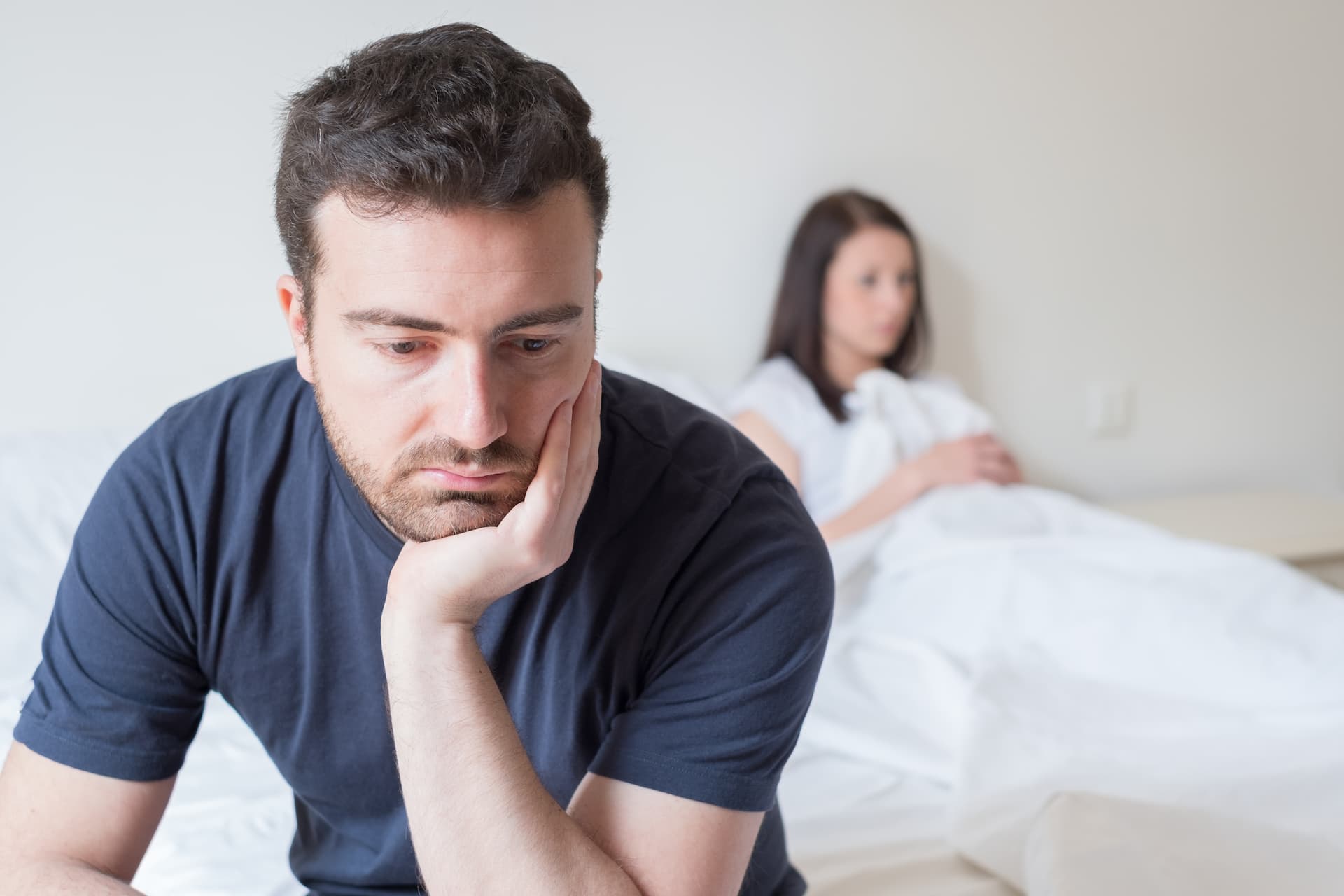
Decreased sexual desire as a man can be frustrating and worrying, but you’re far from alone. In this article you’ll get a clear overview of the typical causes – from physical conditions like erectile dysfunction, pain and hormonal imbalances to mental and relational factors like stress and performance pressure. I’ll guide you to understand your own patterns and show you how targeted treatment can help you get back to a life with more desire, peace and presence. By reading on, you’ll get concrete advice, realistic expectations and an insight into how I work safely and systematically to restore your sexual energy.
Reduced sexual desire as a man is often caused by a combination of physical, mental and relational factors, but there are effective, individual solutions that can restore desire and quality of life.
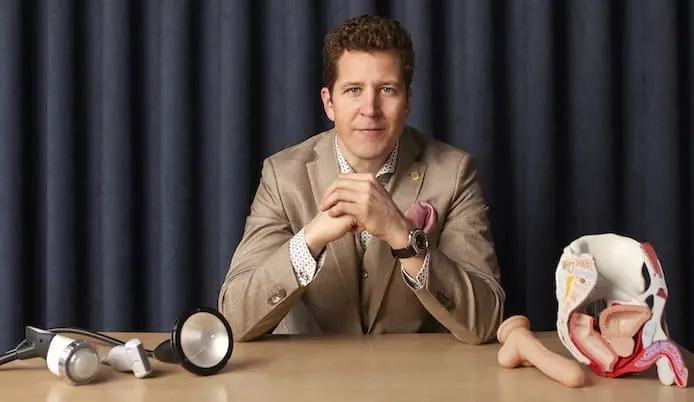
International speaker & expert in shockwave and EMTT treatment for erectile dysfunction, peyronies & CPPPS.
When a man experiences reduced sexual desire, it’s not just about “not wanting sex”. It’s often a combination of physical and mental factors that cause a lack of desire, fantasy or drive – or the desire is so weak that you start avoiding intimacy. Many describe it as being “turned off” or lacking the spark. It can be intermittent or persistent. Wherever you are, I’ll help you understand why it happens – and what we can do about it.
It’s also important to know that desire can be spontaneous or responsive. Spontaneous desire comes “on its own”, while responsive desire awakens when there is safety, touch and presence. Many men think that spontaneous desire is the only “real” one. This is not true. When I help you create a calm body and a good framework for intimacy, responsive desire can take its place again – without pressure.
I meet many men of all ages who struggle with decreased sexual desire. Some are plagued by erectile dysfunction, pelvic pain (CPPS), a curved penis (Peyronie’s disease) or the after-effects of stress, sleep deprivation and medication. Others feel fine physically but experience performance pressure, anxiety or a lack of connection to the body. The common denominator is a decrease in desire. You’re not alone – and there are ways back.
You don’t have to wait for “the right day” either. Desire grows when your body feels safe, your nervous system calms down and the pressure of expectation eases. In my experience, small, concrete changes quickly create momentum: a little better sleep, less pain, less defeat and more curious contact. That’s exactly what I help you with.
Often it’s not a single factor, but an interplay. I help you identify what’s at play for you – and I create a plan that addresses both the body and the mind.
I work practically and without moralizing. The focus is on understanding the mechanisms and changing them step by step so you experience more peace, more connection and more desire.
If you recognize one or more patterns, it’s not a sign that “something is wrong with you” – but that your body is protecting itself. When I map out your pattern, I can target exactly where the chain breaks.
The most important thing: There is almost always a meaningful explanation. When I find it with you, I can help you change it – calmly, systematically and without undue pressure.
If you have pelvic pain or an overactive pelvic floor, you often (un)consciously tense up. This reduces blood flow, increases discomfort and can cause weaker erections. When the erection becomes insecure, the pressure to perform increases. The brain responds by reducing desire to avoid defeat. The result: more avoidance, less intimacy – and even lower libido. My job is to break the cycle with both physical and mental tools.
I teach you specific techniques to calm the nervous system (breathing, pace, touch, postures), relax the pelvic floor and rebuild positive sexual experiences in small, manageable steps. When the body feels safe and in control again, desire often follows.
I start with a calm, respectful conversation where I uncover symptoms, lifestyle, sleep, medication, relationships and past experiences. I use relevant, validated questionnaires (e.g. focusing on desire and erection) so I get a clear starting point – and you get an overview. There are no taboos with me and you decide the pace. If you want to involve your partner in parts of the process, I will plan it according to your wishes.
The combination of conversation, clinical tests and imaging gives me a nuanced foundation. I always explain the findings in language you can understand, so you know what the next step is – and why.
I do not perform blood tests in the clinic, but I advise you to talk to your doctor about relevant tests if it makes sense. Examples include total and free testosterone, SHBG, TSH (thyroid), prolactin, HbA1c (blood sugar), lipid profile and CRP. Often it makes the most sense to measure testosterone in the morning and interpret the results in the context of symptoms. If you have symptoms of sleep apnea, you can also ask your doctor to assess the need for a sleep study.
I tailor programs based on your situation. The goal is to restore comfort in the body, reduce pain/discomfort and increase desire by solving the underlying barriers.
The program is practical and measurable: You get exercises, specific focus areas and clear milestones so you can feel your progress along the way. I continuously adjust according to your feedback.
The methods are gentle and can be combined when it makes sense. I do not replace medical treatment, but I am happy to work with your GP, for example if you want to discuss medical options such as PDE5 inhibitors or adjustments to existing medication.
For many men, it’s not about “squeezing more”, but about getting the right balance between strength, timing and relaxation. I teach you simple, effective exercises and body strategies that improve comfort, blood flow and body contact – and therefore desire. These include breathing in sync with the pelvic floor, gentle mobilization of the hips/lower back and postures that reduce muscle guarding and pain.
You get home exercises that fit your everyday life and your relational situation. Small, realistic steps are the key to lasting change.
Desire requires energy and calmness in the nervous system. I help you make realistic changes in sleep habits, stress management, movement and alcohol. This can include regular bedtimes, 30 minutes of screen-free time before bed, earlier caffeine cutoff, short breathing breaks during the day and light, regular movement. If I find that your medication may be affecting your libido, I advise you to discuss any alternatives or dosages with your own doctor.
Some notice improvement in just a few weeks, especially if sleep, stress and bodily unrest are addressed. For erectile dysfunction, Peyronie’s or chronic pelvic pain, I typically offer a 6-12 week program with follow-up. The goal is lasting improvements, not quick fixes – but many find that desire naturally increases when the body becomes comfortable, the pain decreases, and the pressure to perform is released. I keep you on track, adjusting along the way and ensuring that you can maintain your progress.
Yes, you can. Desire is affected by sleep, stress, relationships, illness and seasons. When the fluctuations become persistent or negatively affect your life, it makes sense to get help.
Yes, it can – but not always. Testosterone is one piece of the puzzle. I can help you assess whether blood tests are relevant and how to talk to your doctor about it.
Often yes. Regular, moderate exercise can improve energy, sleep, mood and circulation – all positive for desire. I’ll help you choose a form that suits your body and your everyday life.
For some, very intense stimulation can cause the brain to expect “fast, strong” inputs. This can reduce response to ordinary intimacy. The solution is typically adjustment and variation – not prohibition. I give you practical strategies that work in everyday life.
Then I’ll address that first. Pain is a major pleasure killer. I target the pelvic floor, nervous system and tissue – combining focused sound waves, EMTT and neuromodulation when needed. Often desire increases when the pain subsides and the body feels safe again.
Yes, you can. Desire and erection affect each other in both directions. I work in parallel: improving physical function and restoring desire and peace of mind. This is often the most effective way.
It depends on the cause. Some experience significant progress in 3-6 weeks. For complex cases of pain or long-term erectile dysfunction, I typically work over 2-3 months – with meaningful milestones along the way.
Yes, you can. You’ll find a professional, safe environment and full discretion. It can feel vulnerable to seek help – I meet you properly and without taboo.
Of course you are. You are welcome on your own. If you later want to include your partner in individual sessions, I will customize it according to your wishes.
I work with men from all over Denmark – especially Copenhagen and the rest of Zealand – who experience decreased sexual desire along with, for example, erectile dysfunction, Peyronie’s disease, chronic pelvic pain (CPPS), incontinence or sexual performance issues. My strength lies in combining advanced diagnostics (e.g. ultrasound scans) with evidence-based physical treatments and sexological, practical advice. You get one person who sees the whole you – and translates professional knowledge into concrete steps you can take now.
Take the first step today. During your pre-screening, I’ll review your history, conduct relevant research and create a plan that makes sense for you. You’ll leave with a clear direction – and concrete actions you can start right away.
I have clients from all over the country. I plan the program together with you to make the most of fewer, targeted clinic visits combined with home exercises and follow-up.
Decreased sexual desire as a man is neither a character trait nor a judgment. It’s a signal from your body and nervous system. With the right assessment and a tailored approach, much can be improved. You deserve a sex life that feels natural, safe and fulfilling. If you’re ready to do something about it, I’m ready to help.
If you are interested in hearing more about how I can help you, you are always welcome to contact me by phone 41 40 08 58 or email michael@msinsight.dk. I’ll get back to you quickly with a customized proposal so we can find the best way forward together.
I will get back to you within 12-24 hours.
Are you unsure about what’s causing your symptoms, or whether a specialized treatment program at our clinic in Copenhagen would be right for you? If so, you can start with a brief, confidential consultation. During this consultation, we’ll assess whether your symptoms align with the areas I specialize in at MS Insight and determine what the next appropriate step might be.
The initial consultation is not a full consultation, diagnosis, or treatment plan. It is intended for those who would like a thorough assessment of whether it makes sense to proceed with a more in-depth examination, an ultrasound scan, and a personalized plan at our clinic in Copenhagen.