
Written and medically reviewed by Michael Strøm
International speaker & expert in shockwave and EMTT treatment for erectile dysfunction, Peyronie’s & CPPS. Read more about me
Penile scar tissue – understand the problem and get a targeted plan that works in your everyday life
Penile scar tissue can be anything from a small, hard thickening of the tissue to a distinct crookedness of the penis, pain with erection or skin discomfort. For many men, this means anxiety, insecurity in intimate situations and sometimes erectile dysfunction. I meet men of all ages with these issues – and my focus is to create calm, clarity and a concrete way forward. In my Copenhagen clinic, I use advanced ultrasound scanning to map tissue, blood flow and any plaques, and I offer customized courses with focused sound waves(shockwave/ESWT), EMTT (pulsed electromagnetic therapy) and neuromodulation (targeted nerve stimulation). In addition, I guide you in behavior, pelvic floor training, sleep, stress and sexuality – the elements that determine how you feel better in practice.
In this article
- What does “Scar tissue on penis” mean exactly?
- Why does scar tissue occur on the penis?
- How I investigate: accurate mapping before treatment
- Treatment options in the clinic – targeted, combined and realistic
- Medical and surgical options – how to get an overview
- Frequently asked questions about Scar tissue on penis
- How I help you – from worry to action
- Next step – get in touch
What does “Scar tissue on penis” mean exactly?
Scar tissue is the body’s way of repairing an injury. On the penis, it can show up in two main ways:
- Scar tissue in the deeper layers (tunica albuginea and tumor bodies), often called plaque. This is typically what is seen in Peyronie’s disease and can cause distortion, narrowing (“hourglass”) or shortening.
- Scar tissue in the skin or in the superficial connective tissue, for example, after small tears at the frenulum, after circumcision or in the skin disease lichen sclerosus. It can cause tightness, pain, tears or problems with foreskin mobility.
Both types can affect your quality of sex life. The good news is that targeted assessment and a comprehensive plan often reduces pain, improves tissue pliability and gives you more control in everyday life. Penile scar tissue is not cancer and is not a precancerous condition – but it deserves attention so you can act calmly and wisely.
Typical symptoms of scar tissue on the penis
- Hard knot or flat, rubbery thickening in the shaft
- Crookedness of the penis during erection (up, down, sideways or rotation)
- Lacing (hourglass) or a side pull-in
- Pain with erection or when touched
- Sensation of shortening or “pulling” in the tissue
- Unstable erection or erectile dysfunction
- Superficial symptoms: tight foreskin, small cracks, white skin changes, irritated frenulum
- Concurrent pelvic pain, pelvic floor tension or tenderness along the pudendal nerve
Is scar tissue dangerous?
Scar tissue on the penis is rarely dangerous in itself, but it can be very annoying. A few things require emergency help: If you’ve heard a “pop” during sex, followed by severe pain, rapidly growing swelling and bluish discoloration, it could be a sign of penile fracture – seek emergency care. If you have a fever, severe redness and oozing from wounds, you should also seek emergency help. Otherwise, it makes sense to get a thorough assessment and a plan before you do anything else yourself. I help you distinguish between what is urgent and what can be handled calmly and structured.
Why does scar tissue occur on the penis?
The cause is often a combination of microtrauma and the body’s healing response. During an erection, the tissue is stretched and repeated small strains can cause microscopic tears in the strong membrane around the swelling (tunica albuginea) in some men. As the body repairs, it forms collagen, which can become more rigid than the original tissue – and over time a plaque forms. Some people also develop calcifications in the scar, which can make the area harder and less pliable.
Common causes and contributing factors
- Microtrauma during sex or masturbation (often without you noticing an “accident”)
- Previous direct trauma to the penis
- After surgery (e.g. circumcision or frenulum correction) – especially if healing has been difficult
- Skin diseases such as lichen sclerosus, which causes scar tissue and narrowing of the skin
- Inflammatory conditions, e.g. after infection or irritation
- Systemic risk factors: smoking, diabetes, high blood pressure, low physical activity
- Tight or overactive pelvic floor and impact on the pudendal nerve, which can increase pain and tension
- Possible hereditary tendency and coincidence with connective tissue changes elsewhere (e.g. Dupuytren’s nodes in the hand)
Some men find that symptoms started in an ‘active phase’ of pain and increasing crookedness, which later became more stable. This is classic Peyronie’s disease, where there is an acute and a chronic phase. I help you assess where you are in the process – because timing is important for treatment choices and expectations.
How I investigate: accurate mapping before treatment
Good results require precision. That’s why I start with a thorough conversation and a structured examination:
- Symptoms and timeline: when did it start and how has it progressed?
- Erection function: morning erection, stability, pain, impact on desire and confidence
- Objective examination: palpation of the penis (what can I feel?), skin changes, foreskin mobility
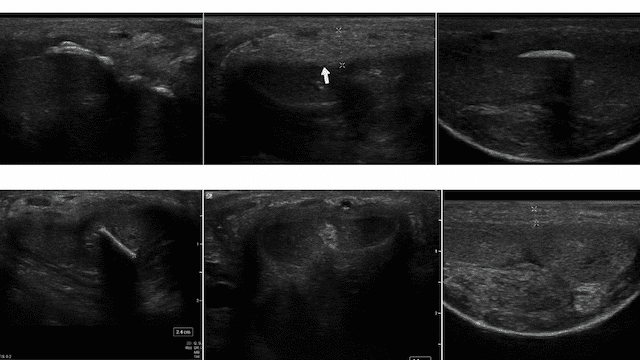
- Ultrasound scan: I map plaques, tissue thickness and any calcifications and assess the blood vessels
- Pelvic floor and nerves: I test for overactivity, soreness and patterns that can amplify pain
- Documentation of curvature: pictures of erection (taken at home) can help you and me track progress
If there are signs of skin disease, systemic risk factors or the need for medical intervention, I will guide you on how to talk to your GP about relevant blood tests and referral to a urologist or dermatologist. This gives you an overview and a plan – without you having to navigate alone. I explain all findings in a language you can understand, so you know why we choose your particular strategy.
Treatment options in the clinic – targeted, combined and realistic
I put together your plan based on the findings. The goal is to reduce pain, improve tissue quality and increase your function and comfort. I typically work in modules over 6-12 weeks and evaluate on an ongoing basis to match your everyday life and goals.
Focused sound waves (shockwave)
Focused sound waves deliver controlled energy to scar tissue and surrounding tissue. Evidence points to pain relief and increased tissue metabolism in particular, and some men find that the tissue feels less stiff over time. For severe curvatures, sound waves are rarely enough on their own to “straighten” a penis, but they can be an important element of an overall strategy, especially during the painful phase. I customize the intensity and area of focus according to your findings so that we hit precisely and avoid unnecessary irritation.
EMTT (electromagnetic transduction therapy)
EMTT affects tissue regeneration processes and microcirculation. In combination with sound waves, it can support healing and comfort in the area. It is non-invasive, painless and can be precisely customized to your findings. For many, EMTT provides a feeling of “relaxation” in the area afterwards, which can make it easier to exercise and be sexually active without triggering pain.
Neuromodulation and pain control
If you have nerve pain or an overactive pelvic floor, I use neuromodulation to silence the nervous system ‘alarm’. This can reduce pain, improve erection stability and make penetration more comfortable. I complement this with a simple, realistic plan for pelvic floor relaxation, breathing and behavioral strategies so you have concrete tools at home. The focus is on rebuilding confidence in your body so you don’t tense up every time you feel a sensation from the area.
Tissue elasticity: stretching and mechanical stimulation
Some men benefit from controlled, slow stretching (penile traction therapy) and/or vacuum training. When used correctly, it can help elasticity, reduce retraction and support erections. I instruct you safely and securely and customize the dosage and frequency. As a rule of thumb, I often work with shorter daily sessions rather than a few long ones – e.g. 20-30 minutes of gentle, steady pulling – and I go over clear stopping criteria to avoid overload. I use vacuum gently in intervals with a focus on comfort, warm-up and steady rhythm.
Sexological counseling and performance peace of mind
Scar tissue often affects self-confidence. I work specifically with setting expectations, relieving positions, communication with partners and dealing with performance pressure. This gives you peace, pleasure and better experiences while your body works its way into balance. You’ll get suggestions for pace and pressure management, simple pain techniques, and guidance on how to be intimate without making the pain worse – so intimacy doesn’t have to be put on hold.
Lifestyle and circulation
Blood flow and healing depends on sleep, stress, movement and nicotine/alcohol. I make it manageable: get realistic habits that support the tissue – without living like an elite athlete. Small adjustments like 20-30 minutes of daily movement, regular sleep rhythm, stress reduction and quitting smoking can noticeably help circulation and thus erections. I provide concrete, actionable suggestions that fit into your everyday life.
Course format and expectations
- Frequency: typically once a week for 6-12 weeks, often with 8-12 treatments in total
- Home intervention: 10-15 minutes daily with simple exercises/stretches
- Results: many notice less pain and better control after 3-6 weeks; structural changes take longer
- Follow-up: I adjust the plan with you based on your response markers (pain, erection, function, ultrasound findings)
Medical and surgical options – how to get an overview
Some situations require more than conservative treatment. Medications may include erection drugs (PDE5 inhibitors), anti-inflammatory therapy or drugs that affect tissue collagen turnover. Plaque injections (e.g. collagenase or others) may be relevant in selected cases. In cases of severe curvature, marked shortening or severe erectile dysfunction, urological surgery may be a solution (e.g. plication, grafting or – in combined ED – penile prosthesis). I talk openly with you about the pros, cons and expected rehabilitation so that you are prepared for the next step.
I do not perform surgery or prescribe medication. I help you understand your options and guide you on how to talk to your GP or urologist so you can make an informed choice – with peace of mind and a realistic plan for both treatment and rehabilitation.
Frequently asked questions about Scar tissue on penis
Does scar tissue go away on its own?
Some men find that the pain subsides and the progression stops on its own. Plaques rarely disappear completely, but they can become less active and bothersome. With a targeted conservative plan, you can often achieve less pain, better function and more confidence – even if there is still residual scar tissue. My job is to help you use your strength correctly and avoid what provokes the tissue.
Does sex or masturbation make the problem worse?
Not necessarily. During an active, painful phase, heavy strain can irritate the tissue. I help you with temporary adjustments (positions, pace, support grips) so you can be sexually active in a way that feels safe and doesn’t exacerbate symptoms. The goal is to maintain desire and intimacy while allowing the tissue to rest.
Can cycling cause scar tissue on the penis?
Prolonged pressure in the saddle can irritate nerves and soft tissue and aggravate pain, but is rarely the direct cause of plaque. If you have pelvic pain, I’ll adjust your seating position, saddle choice and amount of exercise so you can continue to be active without unnecessary discomfort. Small changes can make a big difference, such as a pressure-relieving saddle and short, more frequent breaks.
Does scar tissue cause erectile dysfunction?
Yes, it can. Scar tissue can affect tissue elasticity and blood flow, and pain itself can inhibit erections. I address both: tissue quality, circulation and the mental side of erection. You’ll have a clear plan to regain stability and control in your everyday life.
Does heat or cold help?
Heat can relieve tension in the pelvic floor, while short-term cold can reduce irritation. The effect is symptom relief, not a solution in itself. I use it strategically in conjunction with other treatments and give specific instructions on duration and intensity so you benefit without overdoing it.
What if my discomfort is in the skin – for example after circumcision or tight frenulum?
Superficial scar tissue requires a different approach than deep plaques. I assess skin quality, foreskin mobility and any signs of lichen sclerosus. Treatment can consist of gentle mechanical action, care and specific advice. If you suspect a skin disease, I advise you to talk to your own doctor about the necessary assessment and treatment, including the possibility of medical cream if appropriate.
Can scar tissue on the penis be related to pelvic pain and the pudendal nerve?
Answer. Pain can “settle” in the nervous system and pelvic floor. Tension and over-reactivity can increase penile pain and vice versa. That’s why I assess and treat both – it’s often the key to lasting relief. I teach you to recognize the difference between “good” and “bad” fatigue in the area so you can manage your day and activities smarter.
How soon can I expect results?
Pain relief can come in a matter of weeks. Changes in tissue compliance and function take longer – typically months. Most importantly, we have a plan you can stick to and I adjust it along the way according to your response markers and your daily life.
Are the treatments painful?
Focused sound waves, EMTT and neuromodulation are usually well tolerated. You can feel the stimulation, but it shouldn’t hurt. I always calibrate based on your limits and you can say on and off at any time. The aim is relief and recovery – not to push you.
Is it embarrassing to come? I’m worried about being judged.
I meet you without prejudice. Penile scar tissue is common and you are far from alone. My space is safe, discreet and solution-oriented. You don’t need to know what to say – just come as you are. I provide a respectful, clear and practical approach from the first meeting.
How I help you – from worry to action
My goal is for you to leave with peace of mind and a plan that makes sense. With precise ultrasound diagnostics, a combination of focused sound waves, EMTT, neuromodulation and targeted guidance on exercise, sex and lifestyle, you’ll get a course of treatment that you can live with – and that actually works.
If a medical or surgical assessment is needed, you’ll receive clear guidance on how to talk to your own doctor about relevant tests and next steps. You are not alone in the decision-making process.
Next step – get in touch
If you are experiencing scar tissue on your penis, torticollis, pain or insecure erections, get in touch and book a non-binding, confidential clarification session at my clinic in Copenhagen. I help men from all over Denmark – especially Copenhagen and Zealand – and adapt the process to your life, your body and your goals. The sooner we put words, numbers and pictures to the problem, the better we can control the development. You are welcome to join us.
If you are interested in hearing more about how I can help you, you are always welcome to contact me by phone 41 40 08 58 or email michael@msinsight.dk. I’ll get back to you quickly with a customized proposal so we can find the best way forward together.
Would you like a specialist assessment of your situation?
You don’t have to figure it out alone. Call directly or write a few lines about your symptoms – I’ll get back to you within 12-24 hours with a concrete suggestion for the next step.