
Written and medically reviewed by Michael Strøm
International speaker & expert in shockwave and EMTT treatment for erectile dysfunction, Peyronie’s & CPPS. Read more about me
Pudendal nerve exercises: how I reduce pain, improve function and give you back control
In this article
- What is the pudendal nerve – and why can it cause problems?
- Can Pudendal nerve exercises help with erectile dysfunction and pelvic pain?
- My journey: from diagnosis to targeted exercises
- Pudendal nerve exercises – step-by-step program
- Dosage, pace and realistic expectations
- Typical errors with Pudendal nerve exercises
- Everyday tips to support your nerve
- When exercises aren’t enough: evidence-based treatments I offer
- FAQ about Pudendal nerve exercises
- Why choose me and MS Insight?
- Take the first step – I help you move forward with confidence
What is the pudendal nerve – and why can it cause problems?
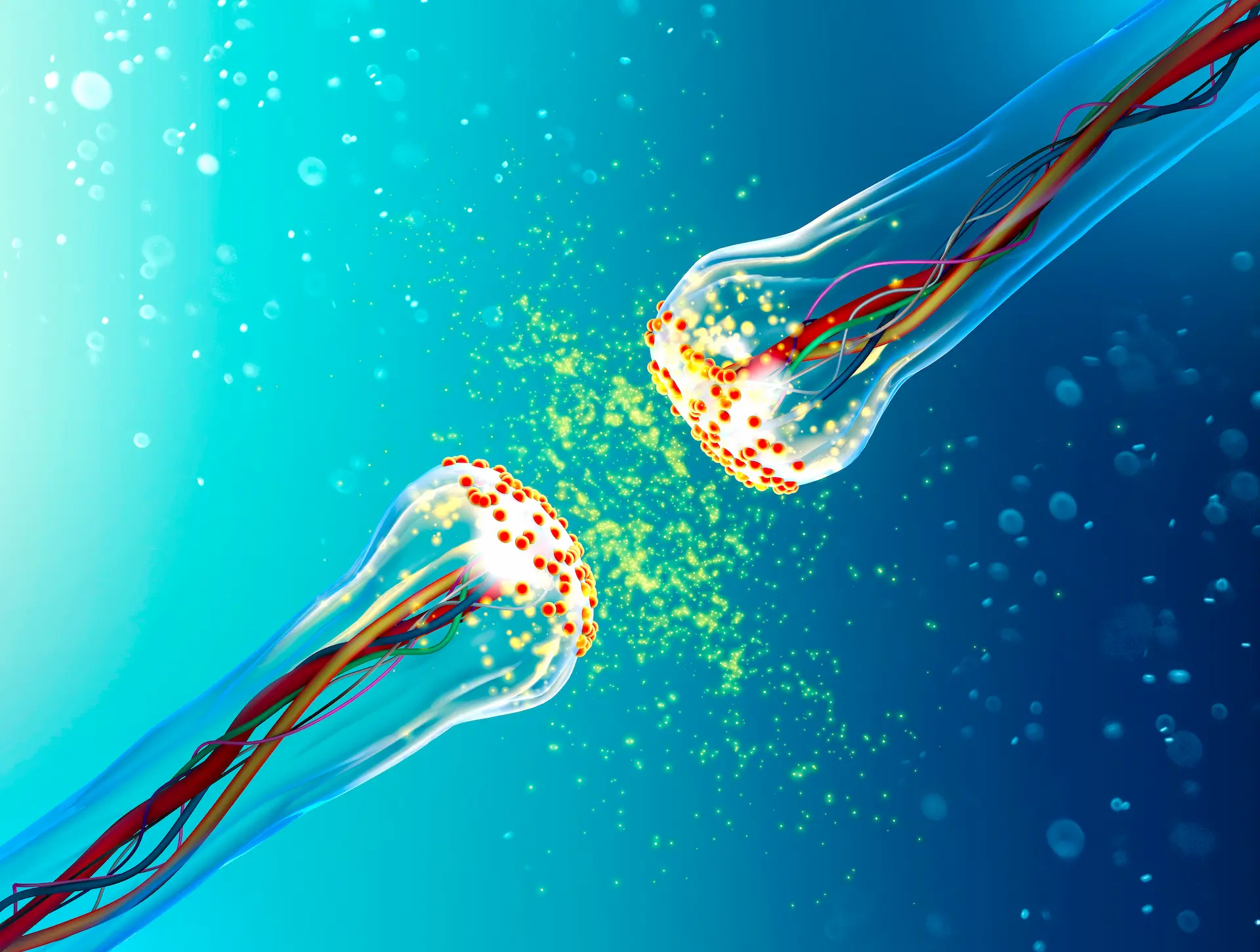
The pudendal nerve(nervus pudendus) is the central “signal cable” of the pelvis in the intimate area. It supplies the penis, perineum, anus and parts of the pelvic floor with both sensation and motor control. When the pudendal nerve becomes irritated, pinched or overloaded, it can send persistent alarm signals: pain, tingling, numbness and burning – and in some men, erection, ejaculation and sexual pleasure are affected. It can be exhausting, but there is a lot you can do. Properly designed Pudendal nerve exercises can reduce hypersensitivity, improve function and give you peace and control again.
Typical symptoms in men
- Pain, burning or cutting sensation in the penis, scrotum, perineum or around the anus
- Worsening with prolonged sitting, cycling or tight pants
- Sensory disturbances: tingling, “pins and needles”, numbness or “sandpaper” sensation
- Discomfort during ejaculation or altered orgasm sensation
- Erectile dysfunction that fluctuates with pain and stress levels
- Pelvic floor that feels “locked” – difficulty relaxing or “letting go”
What triggers pain and sensory disturbances?
The pudendal nerve runs from the sacrum through narrow passages (including the ischial spine and Alcock’s canal – a connective tissue canal along the pelvic wall) close to muscles such as the piriformis and obturator internus. Prolonged pressure (sitting position, bicycle saddle), tense pelvic floor muscles, scar tissue, previous trauma, infections or long-term constipation can irritate the nerve. Stress and poor sleep can also increase the sensitivity of the nervous system, making pain and sensory disturbances more persistent. In short: both mechanical pressure and “alarm in the system” can play a role – and I can address both with a targeted plan.
Can Pudendal nerve exercises help with erectile dysfunction and pelvic pain?
Yes – when the exercises are targeted correctly. For many men, the first step is to reduce pain and nerve hypersensitivity through relaxation and better movement around the hips and pelvis. For others, I combine relief, gentle neuromobilization (nerve gliding) and gradual strengthening. I help you choose the Pudendal nerve exercises that are right for your situation, so you don’t aggravate symptoms with unfortunate knee exercises or hard stretching.
When the pelvic floor is too tight or too weak
- Too tight (hypertonic): Often pain, burning, difficulty starting urine, increased discomfort during sex. Relaxation, breathing and “reverse Kegels” work here – not classic knee exercises.
- Too weak/uncoordinated: Leakage, “feeling of heaviness”, lack of pressure/completion on release. Here I gradually build coordination and strength – only when the tension level is normalized.
My journey: from diagnosis to targeted exercises
I start with a thorough conversation and functional screening of the pelvic floor, hips and back. I use advanced ultrasound to assess the tissues around the pelvis and penis to look for signs of inflammation, thickening or scar tissue and to assess blood flow where relevant. The examination is respectful and on your terms. Based on this, I design a personalized program of Pudendus nerve exercises that can be adjusted from week to week so that the dosage always matches your body’s reactions.
Plan in phases and measure progress
- Phase 1: Pain management and relief
- Phase 2: Relaxation and breathing with focus on the pelvic floor
- Phase 3: Neuromobilization (nerve gliding) and gentle movement
- Phase 4: Strength and control of hips, buttocks and core
- Phase 5: Gradual return to cycling, running, strength training and sex
I measure progress on pain intensity, symptom duration after activity, sleep, daily functioning and sexual function. I use simple 0-10 scales and concrete milestones (e.g. being able to sit for 30-60 minutes without flare-ups). The goal is to calm the nervous system, improve movement and a body that can withstand stress again – without relapse.
Pudendal nerve exercises – step-by-step program
Below you get a safe starting point. Exercises should be painless: keep discomfort below 3/10 and symptoms should subside within 24 hours. If it gets worse, turn it down, go back to relief and contact me for advice. Feel free to note your reactions in a short log – then I can fine-tune your plan.
1) Relief and pain relief (2-4 weeks)
- Sitting hygiene: Use a pillow with a cut-out in the middle (perineal cut-out). Change position every 15-20 minutes. Stand up and walk for 1-2 minutes.
- Cycling: Breaks or shorter rides. Choose a noseless saddle or slight downward lean, pedal regularly.
- Toilet habits: No pressure. Footstool under the feet, calm breathing. Fiber and fluids to avoid constipation.
- Heat: Heat pad 10-15 min in the perineum or buttocks to relieve muscle tension. Use comfortable heat – not scorching hot.
2) Relaxation and breathing (daily)
- Diaphragmatic breathing + pelvic floor drop (reverse Kegel): Lie on your back with knees bent. Hand on your belly. Breathe in through your nose for 4 seconds, feel your belly rise, imagine your anus and perineum “going wide” and giving way. Exhale slowly 6-8 sec. 5-10 minutes, 2-3 times daily.
- “Happy baby” relaxation: Lie on your back, knees to armpits, slightly outward. Relax your jaw and stomach. 60-90 sec x 3. No strong stretching pain.
- Child position with support: Sit on heels, knees wide, upper body forward over a pillow. Calm breathing 3-5 minutes.
- Lateral rib breathing: Side lying with pillow between knees. Breathe in towards the upper side of the chest; on exhalation feel the pelvic floor give way.
3) Neuromobilization (nerve gliding) for the pudendal nerve
The aim is to help the nerve glide better through the tissues without provoking. The movements should be small, rhythmic and controlled – like oil for a hinge, not a stretch.
- Frog-rocks (gentle “frog”): Back or stomach position with knees slightly bent and feet together, knees out. Gently rock 1-2 cm in/out of the position in time with breathing. 60 sec x 3.
- Pelvic tilts: Back on the floor, knees bent. Gently tilt pelvis forward/backward (like flattening the lower back and releasing). 10-15 repetitions, 2 sets.
- Happy baby “sliders”: In happy baby, alternately stretch and bend one knee 1-2 cm while keeping pelvic floor relaxed. 8-10 repetitions per side.
- Sciatic-pudendal impact (gentle variant): Sit at the front on the edge of the chair, torso straight. Stretch one leg slightly and flex the foot (sciatica) while looking up towards the ceiling; then bend the knee and look down towards the chest. 8-10 smooth changes per side. Stop if there is a sharp pain in the perineum.
4) Mobility and muscle balance around the hips and pelvis
- Piriformis and deep rotator stretch: Lying on your back, bring one ankle over the opposite knee (figure-4). Pull thigh in slightly, hold 30-45 sec x 2. Focus on gentleness, not forceful stretch.
- Adductor stretch in side lying: Bend upper leg 90°, extend lower leg. Slowly raise/lower the lower leg 10-12 times to activate and relax the inner thighs.
- Hip flexor relief: Half-kneeling, pelvis underneath you (post tilt), feel the front of the hip, hold 20-30 sec x 2 per side. No lumbar sway.
5) Mild strength and control (when the pain subsides)
- Glute bridge with exhalation: Press heels to the floor, lift pelvis only to pain-free level while exhaling and keeping pelvic floor relaxed. 6-10 reps x 2-3.
- Seated clam shells (small movements): Knees slightly bent, lift top knee 2-3 cm. 8-12 reps x 2 per side.
- Deep abdominal exercises (dead bug light): Move opposite arm/leg 2-3 cm away from center on exhalation. 6-8 reps x 2.
- Pelvic floor coordination: Once tension is normalized, short, gentle “on-and-off” activations: 1 sec light squeeze (20-30%), 3 sec release. 6-8 repetitions. Stop at increased pain.
6) Gradually return to activities
- Cycling: Start with 5-10 min on a noseless saddle, without pain flare-ups. Increase 10-20% per week, taking breaks standing in the pedals.
- Strength training: Avoid Valsalva (hard press). Use exhalation during lifting. Prioritize multi-joint exercises with low/moderate load to start.
- Sex and masturbation: Short, safe exposures. Use lube, try positions with less pressure on the perineum. Stop before pain peaks.
Dosage, pace and realistic expectations
- Frequency: 5-10 min relaxation 2-3 times daily. Mobility and nerve gliding 1-2 times daily. Strength 2-3 times a week.
- Pace: “Slow is fast”. Small progress accumulates. Most people feel calm after 2-6 weeks and functional improvement over 8-12 weeks.
- Symptom management: Slight soothing “good” sensation is fine; sharp pain or after-reaction >24 hours is sign to adjust.
Typical errors with Pudendal nerve exercises
- Too many Kegels: Pinching without first letting go can exacerbate pinching and pain.
- Overstretching adductors and piriformis: “No pain, no gain” doesn’t work here.
- Ignore everyday stress: Sitting for long periods without breaks can neutralize the effect of exercises.
- Uneven breathing and abdominal pressure: Creates more pressure down towards the pelvic floor.
Everyday tips to support your nerve
- Sleep and stress: 7-9 hours of sleep; short breaks during the day. Light walking in daylight dampens the nervous system “alarm”.
- Diet and stomach: Fiber, fluids and regular meals to avoid constipation and nerve/muscle pressure.
- Clothing: Avoid very tight pants/underpants that press on the perineum.
- Plan B for flare-ups: 24-48 hours of focus on relaxation, warmth and less sitting – then back to the plan.
When exercises aren’t enough: evidence-based treatments I offer
With me, you get a combined, targeted approach. Exercises are the foundation, but sometimes we need to supplement to break a stuck pain cycle:
- Neuromodulation: Gentle stimulation that reduces nerve hypersensitivity and improves the signals between the brain, pelvic floor and vaginal nerve.
- Focused shockwave: Can reduce muscle spasms, increase blood flow and affect the pain system in chronic pelvic pain.
- EMTT Magnetolith (electromagnetic transduction): Supports tissue healing and pain relief for persistent irritation around nerves and tendons.
- Personalized advice: Lifestyle, load management, sleep, sexual behavior and pelvic floor function.
I design the program to give you the shortest path to calm, strength and function – without stressing your system.
FAQ about Pudendal nerve exercises
Can Pudendal nerve exercises solve erectile dysfunction?
If the erectile dysfunction is related to pain, pelvic floor tension or nerve hypersensitivity, I often see improvement when I combine relaxation, nerve gliding and graduated strength. Circulatory or hormonal causes require a different strategy; here I advise you to talk to your own doctor about relevant tests that are not performed in the clinic.
How long does it take to feel the effect?
Some feel relief after 2-3 weeks. For longer-term issues, it typically takes 8-12 weeks to achieve stable recovery. Continuity and correct dosing are key – and I’ll help you stay the course.
Should I make Kegels?
Only if I’ve established that the pelvic floor needs strengthening – and only after we’ve established the ability to relax. Many people with pudendal irritation get worse with classic pelvic floor exercises in the beginning. That’s why I adjust the exercises to your specific situation.
What if the exercises hurt more?
Stop the provocative exercise, go back to phase 1-2 (relief and breathing) for 3-7 days and reintroduce gradually. If exacerbation persists, you should be assessed in the clinic – I will find a more gentle way.
Can I ride my bike?
Yes, but adaptation is key: noseless or pressure-relieving saddle, frequent stand-up breaks, shorter rides and gradual escalation. I’ll help you test what your pelvic floor and nerve can handle.
Is numbness dangerous?
Slight, fluctuating sensory disturbance is common with nerve irritation and can improve. Seek emergency help for new onset of severe numbness in the breeches area, loss of bladder/gut control or severe leg weakness.
Can I train strength in the rest of my body?
Yes – focus on breathing (exhale during lifting), avoid hard abdominal presses and choose loads that do not provoke the pelvis. I’ll help you with exercise choices that support healing.
Does heat or cold help?
Many people benefit from heat in the gluteal muscles and perineum. Cold can be used briefly for flare-ups, but avoid direct and prolonged cooling on the perineum.
Why choose me and MS Insight?
- Specializing in men’s intimate health: erectile dysfunction, Peyronie’s, chronic pelvic pain and pudendal problems.
- Advanced diagnostics with ultrasound and a plan that makes sense for you – without taboos.
- Combination therapy: targeted Pudendal nerve exercises, neuromodulation, focused shockwave, EMTT and concrete everyday strategy.
- Safe, direct and solution-oriented approach – I meet you at eye level and without prejudice.
Take the first step – I help you move forward with confidence
If you recognize yourself in the symptoms, I’ll help you get a handle on it. I offer a thorough assessment and a customized course of Pudendus nerve exercises that fits your everyday life – and I follow you closely so we continuously adjust and build you up. The clinic is located in Copenhagen, and I help men from all over Denmark, especially on Zealand.
Book a consultation today or contact me to find out how I can best help you get back to a strong, pain-free and safe intimate life.
If you are interested in hearing more about how I can help you, you are always welcome to contact me by phone 41 40 08 58 or email michael@msinsight.dk. I’ll get back to you quickly with a customized proposal so we can find the best way forward together.
Would you like a specialist assessment of your situation?
You don’t have to figure it out alone. Call directly or write a few lines about your symptoms – I’ll get back to you within 12-24 hours with a concrete suggestion for the next step.