
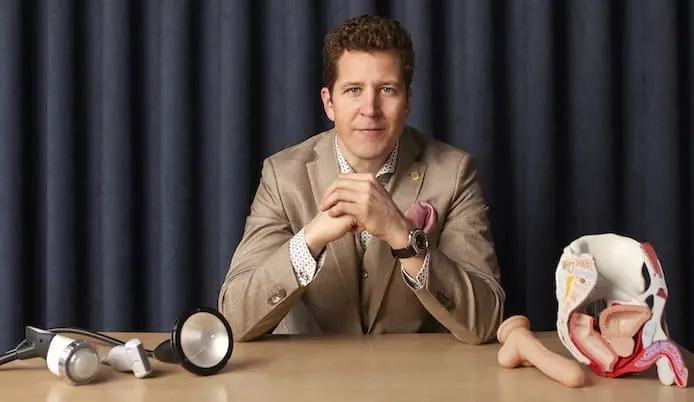
Written and medically reviewed by Michael Strøm
International speaker & expert in shockwave and EMTT treatment for erectile dysfunction, Peyronie’s & CPPS. Read more about me
Neuropathic pain in men: when the nervous system becomes the pain – and what you can do about it
In this article
- What is neuropathic pain?
- Neuropathic pain in the pelvis and intimate area
- Causes and risk factors for neuropathic pain
- My approach to neuropathic pain: thorough assessment before targeted treatment
- Evidence-based treatment options with me for neuropathic pain
- What does a course of neuropathic pain look like?
- What can you do now for neuropathic pain?
- When is neuropathic pain acute?
- Frequently asked questions about neuropathic pain
- Why choose MS Insight in Copenhagen for neuropathic pain?
- Take the next step – get a personal assessment of your neuropathic pain
What is neuropathic pain?
Neuropathic pain is pain that stems from an impact on the nervous system – not from acute tissue damage in muscles or joints. That’s why it often feels “different”: burning, stabbing, stinging, like electric shocks, icing or cold/heat that doesn’t make sense. Many also describe allodynia (pain on touch that doesn’t normally hurt) or hyperalgesia (pain that is stronger than expected). The pain may shift, wander or flare up for no apparent reason.
As a therapist, I see that neuropathic pain is often linked to increased sensitivity in the nervous system (sensitization). This means that the brain and nerves “overreact” to otherwise neutral signals – a bit like a smoke alarm going off with steam from a hot bath. You may have periods of calm and others of exacerbation, where sleep, stress and strain come into play. Paresthesias (tingling/ tingling) and dysesthesias (unpleasant sensory disturbances) are common companions.
For some men, neuropathic pain settles in the pelvis, penis, scrotum, perineum, groin, around the anus or in the lower back/hip – and it can affect erection, desire and the whole intimate experience. It’s not “just in your head”. It’s the sensitivity of the nervous system that is turned up, and it can be treated in a targeted way.
Neuropathic pain in the pelvis and intimate area
In the pelvic region, I often see symptoms consistent with pudendal neuralgia (irritation or pinching of the pudendal nerve), chronic pelvic pain (CPPS) and nerve irritation after surgery or overuse. Typical provocations are prolonged sitting, cycling, constipation, tight pelvic floor, scar tissue, or previous inflammation. Some feel pain and tingling in the penis or scrotum; others have pain deep in the perineum, groin or around the prostate area.
I also see patterns where certain sitting positions, tight jeans or pressure from a bike saddle exacerbate symptoms – especially when the pudendal nerve or its branches (e.g. the dorsal nerve to the penis) get pinched. Conversely, a more upright sitting position, varied postures and a saddle with a cut-out can provide significant relief. It’s often the small adjustments in everyday life that tame the nervous system and make the difference between a good day and a bad one.
Typical signs I encounter in the clinic
– Burning, stabbing or “electric shock-like” pain in the penis, scrotum, perineum or groin
– Sensitivity to touch, temperature or pressure (e.g. bicycle saddle)
– Pain during or after sex, during erection or ejaculation
– “Edge” or intensified pain from prolonged sitting, driving or working at a computer
– Sensation of “lump”, tingling or tightness in the pelvic floor
– Flare-ups with no obvious cause – often linked to poor sleep or stress
– Ongoing pain (aftersensation) hours after a provocation
– Frequent or urgent urge to urinate without signs of infection
Neuropathic pain and erection
Erection is an interplay between nerves, blood vessels, muscles and the psyche. When nerves are irritated, the signals to and from the penis can change. This can lead to harder erections, short or painful erections, reduced sensitivity or, conversely, hypersensitivity. Many people start to unnecessarily tense the pelvic floor and hold their breath – exacerbating the pain and creating a vicious circle. I work with both the physical nerve and tissue conditions and with calming the nervous system and muscle tension so that you have better control, less pain and more confidence in your sexuality.
I use very specific techniques: calm breathing, conscious relaxation of the pelvic floor, gradual exposure to touch and tempo/positions during sex that minimize pressure in the perineum. This makes it easier to maintain erection and experience pleasure without the pain taking over.
Causes and risk factors for neuropathic pain
Neuropathic pain can occur after specific nerve damage – but often it’s a combination of irritation, sensitization and maintenance factors. Typical causes and risks are:
– Prolonged mechanical strain: cycling with a hard saddle, a lot of sitting, unilateral positions
– Surgery/scar tissue: e.g. after inguinal hernia surgery, prostate surgery or other pelvic/groin surgery
– Back/hip problems and herniated discs affecting nerve roots
– Metabolic conditions: Diabetes or pre-diabetes, B12 deficiency, metabolic disorders
– Infections or previous inflammation that has “turned up” pain sensitivity
– Prolonged stress and poor sleep that increases central sensitization (general sensitivity of the nervous system)
There may also be contributions from constipation, increased abdominal pressure, abdominal/pelvic floor tension habits or inappropriate exercise technique. Whether your pain started “physically” or “functionally”, the solution is rarely either/or. I see great results when I combine targeted physical treatment with regulating habits, sleep, stress and pelvic floor function.
My approach to neuropathic pain: thorough assessment before targeted treatment
I always start with a structured conversation and clinical examination to understand where and how neuropathic pain affects you – and how I can most effectively alleviate it.
– History and symptom map: when did it start, what provokes/relieves, nature of pain, sexual function, sleep, energy level.
– Neurological and functional screening: sensitivity (touch/temperature), pelvic floor muscle tone, neural pathway tests and simple functional tests.
– Advanced ultrasound scanning: I use high-resolution ultrasound to assess tissue in the penis, pelvic floor and related structures. I can identify signs of scar tissue, thickening, vascular conditions, and muscle conditions that can maintain nerve irritation and pain.
– Standardized questionnaires: e.g. IIEF (erectile function) and NIH-CPSI (pelvic pain) to get a baseline and track progress objectively.
– Delineation against other causes: I rule out signs of acute or systemic disease and assess whether there is an indication for additional tests. I guide you to discuss with your own doctor about relevant blood tests (e.g. blood sugar, B12, metabolism, inflammation markers, testosterone) or imaging if necessary.
I often supplement this with a simple “pain map” on the skin, where you and I together mark areas of pain, domains of discomfort and the points that feel safe. This provides a clear starting point and makes it easier to measure progress from session to session.
The goal is to get a clear picture: Which nerves/tissues are irritated? Which habits exacerbate the pain system? Which specific interventions will have the greatest effect for you?
Evidence-based treatment options with me for neuropathic pain
I offer tailor-made programs that combine technology and training with concrete everyday actions. I always create a plan that is realistic in your everyday life and I continuously adjust according to your feedback.
Focused shockwave therapy (FSWT) for neuropathic pain
Focused shockwaves are acoustic sound waves that target deeper tissues. For neuropathic pain, FSWT can:
– Reduce neurogenic inflammation and irritability in tissues surrounding nerves
– Improve microcirculation and tissue healing, e.g. scar tissue
– Reduce pain and increase tolerance to touch and strain
The treatment is non-invasive and takes a short time per area. I use ultrasound guidance and your symptoms to target precisely and always dose to calm the nervous system rather than provoke it.
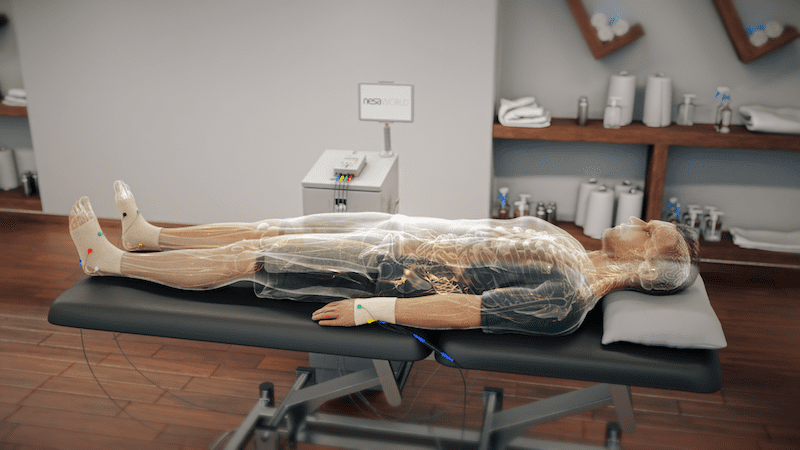
EMTT Magnetolith (electromagnetic transduction therapy)
EMTT generates a pulsed magnetic field that affects the electrical activity of cells. In practice, I use EMTT to:
– Modulate overactive nerve fibers and reduce pain sensitivity
– Support tissue regeneration and relaxation in muscles and connective tissue
– Calm the system without invasive treatment
Many people find that EMTT together with shockwave accelerates the effect – especially with combined nerve and muscle issues. I plan the sequences so that the body has time to calm down between sessions.
Neuromodulation, nerve slippage and the pelvic floor
Neuromodulation is about “relearning” the nervous system. I work with:
– Gentle nerve gliding exercises (neurodynamics) so that the nerves move freely without provoking
– Relaxation and coordination of the pelvic floor – both releasing tension and regaining control
– Breathing strategies that dampen sympathetics (the body’s “alarm”)
I teach you to dose activities according to the 70-80% rule: better a little too easy than a little too hard in the beginning. This prevents flare-ups and gives you the tools to self-regulate pain.
Advice on lifestyle, sleep and sexual well-being
– Sleep: structured sleep hygiene is often a game changer for neuropathic pain
– Stress regulation: simple daily routines to calm the nervous system
– Physical activity: dosed, gentle movement that builds tolerance without triggering pain
– Sexuality: positions, pace, communication, lube and breaks to make intimacy safe again
– Gastrointestinal: enough fluids, fiber and calm toilet habits to reduce pelvic pressure when constipated
– Cycling and sitting position: saddle/pad with cut-outs and frequent micro breaks
– Medical advice: I guide you to talk to your doctor about options like gabapentinoids, TCA/SNRI or topical agents if appropriate as a supplement.
My advice is concrete and actionable, so you quickly realize where you can make the most impact.
What does a course of neuropathic pain look like?
– Session 1: Thorough conversation, clinical examination, ultrasound scan and plan. I work with you to set realistic goals (pain reduction, better erection, increased sitting tolerance time, fewer flare-ups).
– Sessions 2-6: Typically once a week or every 14 days. Combination of FSWT, EMTT, neuromodulation and adjustment of exercises/habits.
– Follow-up: I follow the effect via your goals, questionnaires and a simple diary of symptoms/provocations. Courses typically last 6-12 weeks.
– Maintenance: A simple plan you can stick to – and the option for booster sessions when needed.
You get clear homework assignments, clear benchmarks for progress and the ability to adjust from week to week, so we always make the choices that give you the most peace of mind.
What can you do now for neuropathic pain?
– Temporarily spare provocations: shorter sitting time, softer bike saddle, vary positions often
– Heat therapy for the pelvic area can provide relief (e.g. heating pad) – test it out slowly
– Breathe deeply and calmly for 3-5 minutes, 2-3 times a day – it quiets the nervous system “alarm”
– Prioritize sleep: fixed bedtime, screen-free last hour, cool dark bedroom
– Cut down on alcohol and larger amounts of caffeine that can trigger flare-ups
– Light, regular movement: walking, gentle strength, mobility – better a little every day than hard rare
– Notice patterns: What triggers? What relieves? It makes treatment more precise
– Sex life: choose positions without pressure in the perineum, use plenty of lube, take breaks when needed
– Use a seat cushion with a cut-out in the middle to relieve the perineum
– Schedule micro breaks: 2-3 minutes every 30-45 minutes where you stand in front of the pillow.-45 minutes standing, walking and breathing calmly
– Adjust bike setup: slight saddle tilt, level handlebar height and possibly wider saddle with channel
– Eat fiber and drink water throughout the day to reduce constipation and pelvic pressure
When is neuropathic pain acute?
Seek urgent assessment if you experience sudden severe pain with:
– Persistent numbness in crotch/inner thighs (breeches area)
– Sudden difficulty controlling urination/defecation
– Acute, severe testicular pain, discoloration or swelling
– Fever and general malaise along with new pain
Otherwise, neuropathic pain is rarely dangerous – but it is debilitating and you don’t have to go it alone.
Frequently asked questions about neuropathic pain
Does neuropathic pain go away on its own?
Some cases improve spontaneously, but many become chronic without targeted intervention. Early, structured treatment increases the chance of lasting recovery. The earlier I can help you reduce provocations and calm the nervous system, the better your odds.
Can neuropathic pain cause erection problems?
What it is. Nerve irritation and hypersensitivity in the pelvis/penis can disrupt signals for erection and increase muscle tension. By reducing nerve irritation and calming the pelvic floor, I often see significant improvement. It’s about both calming the nerves and restoring trust in the body.
How do I know if my pain is “neuropathic”?
Burning, stabbing, electrical sensations and allodynia point in that direction – especially if the pain fluctuates and doesn’t match classic muscle/joint pain. My examination and ultrasound help clarify the picture and together we can test what provokes and what relieves.
Do medications help with neuropathic pain?
For some, drugs such as gabapentin/pregabalin, TCA/SNRI or topical agents may be helpful. I advise you to discuss the pros/cons and dosage with your doctor as part of an overall program. Medication rarely stands alone – it works best in conjunction with targeted behavioral and tissue interventions.
Do shockwave and EMTT hurt?
Most people tolerate the treatments well. The intensity is adjusted according to your sensitivity and the goal is to calm – not provoke – the nervous system. You and I agree on a signal so I can adjust along the way if something becomes too intense.
Can I train normally?
Yes, but dosed. I adjust type, volume and intensity so you build tolerance without flare-ups. Quality over quantity – and with a focus on technique, breathing and breaks.
Does treatment help if a long time has passed?
Even with long-term pain, the nervous system can be positively affected. It takes patience, but systematic neuromodulation and combination therapy often move more than you think. Small, steady steps typically provide the greatest lasting effect.
Why choose MS Insight in Copenhagen for neuropathic pain?
I specialize in men’s health with a focus on neuropathic pain, pelvic problems and erectile dysfunction. My core competence is to combine advanced ultrasound scanning with targeted treatment: focused shockwave, EMTT and neuromodulation – always complemented by specific advice on sleep, lifestyle, psychosexual well-being and pelvic floor function.
I work in a solution-oriented and respectful way – without taboos. The clinic is located in Copenhagen and I have clients from all over Zealand and the rest of Denmark. You get a clear plan, close follow-up and a process that makes sense in your everyday life.
Take the next step – get a personal assessment of your neuropathic pain
If you recognize yourself in the description of neuropathic pain, pelvic pain or erectile dysfunction, now is the time to take action. I’ll listen, investigate and create an actionable plan – focusing on less pain, better function and more peace of mind. You don’t have to live with this alone.
If you are interested in hearing more about how I can help you, you are always welcome to contact me by phone 41 40 08 58 or email michael@msinsight.dk. I’ll get back to you quickly with a customized proposal so we can find the best way forward together.
Would you like a specialist assessment of your situation?
You don’t have to figure it out alone. Call directly or write a few lines about your symptoms – I’ll get back to you within 12-24 hours with a concrete suggestion for the next step.