
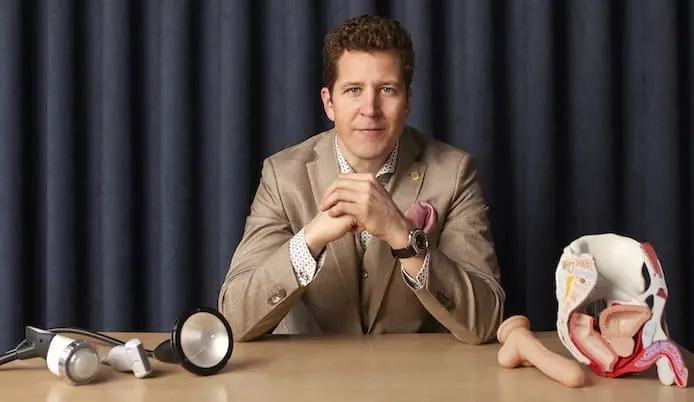
Written and medically reviewed by Michael Strøm
International speaker & expert in shockwave and EMTT treatment for erectile dysfunction, Peyronie’s & CPPS. Read more about me
Libido – when sex drive drops and what you can do about it
In this article
- What is libido?
- Signs of low libido
- Causes of low libido in men
- Libido, erection and pain – how are they related?
- When is low libido a problem?
- My assessment – thorough, respectful and targeted
- Treatment – the road back to libido
- Frequently asked questions about libido
- This is how a course with me works
- Who will benefit most from my help?
- What can you do now?
- Why choose MS Insight in Copenhagen?
- Take the first step – get your libido and zest for life back
What is libido?
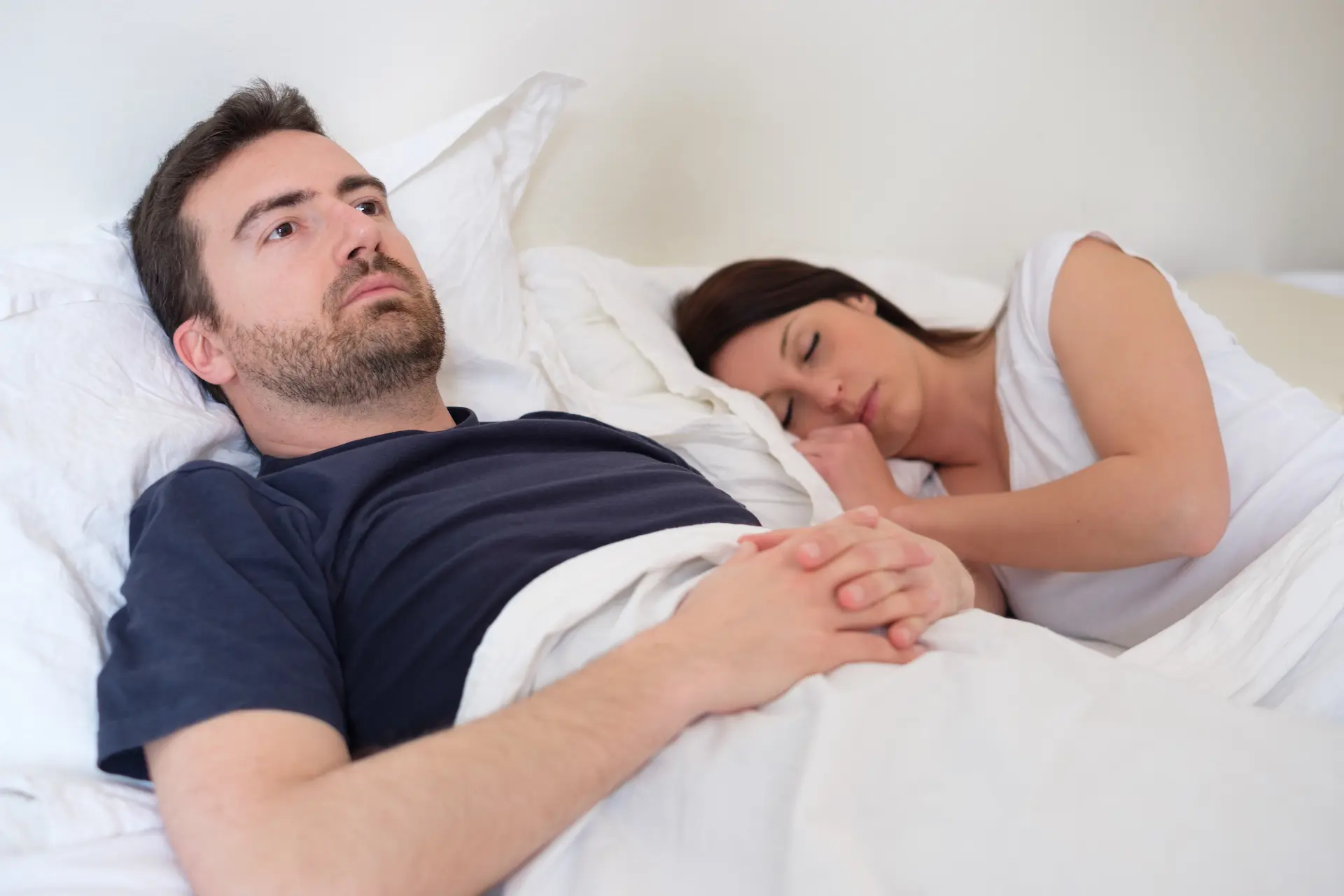
Libido is my term for your sexual drive – the inner motivation to seek sexual intimacy, fantasy and contact. It is not the same as an erection. You can have desire without getting an erection, and you can get an erection without having desire. Libido is affected by biology (hormones, nervous system, metabolism), psychology (emotions, stress, mood), relationships and context. That’s why I see libido as a holistic state, not just a number on a blood test or a matter of willpower.
Libido can be both spontaneous (desire arises on its own) and responsive (desire awakens when the body is calmed, touched and reassured). Both are normal. Desire can also fluctuate throughout the day – for many people the morning is stronger, especially if they’ve had a good night’s sleep. The amount of work, stress training, alcohol, illness and emotional connection with a partner can all change how much desire you feel. This means that low libido rarely has a single explanation. It’s the interplay that I help you get a handle on.
When libido drops, it doesn’t just affect sex life. Many men describe feeling less vital, less curious, more tired and more worried about their masculinity. It’s common – and there’s a lot to do. I work with men every day who struggle with low libido, erectile dysfunction, Peyronie’s disease, chronic pelvic pain, incontinence and performance pressures. You are not alone.
Signs of low libido
- Less spontaneous desire for sex or masturbation
- Fewer or no sexual fantasies
- Sexual contact feels like a “duty” rather than a desire
- You avoid intimacy for fear of “having to perform”
- Combined with other signs: fatigue, decreased energy, poor sleep, less drive in everyday life
Low libido can stand alone – but it’s often linked to erectile dysfunction, pelvic pain (CPPS), tight or overactive pelvic floor, irritated pudendal nerve, Peyronie’s disease, stress or side effects from medication. Another common sign is that sexual stimulation “takes longer” before you even register desire, or that previously safe “turn-ons” no longer work. It’s not a character trait – it’s a signal that the system needs calming, adjustment and targeted help.
Causes of low libido in men
Biological factors
- Testosterone: Low testosterone can lower libido, but normal libido doesn’t require “high” numbers. It’s all about balance between total testosterone, free testosterone and sex hormone binding globulin (SHBG).
- Other hormones: Elevated prolactin, hypothyroidism and insulin resistance can affect sex drive.
- Medication side effects: Antidepressants (especially SSRI/SNRI), finasteride/dutasteride, certain blood pressure medications, opioids and certain antihistamines can reduce libido.
- Chronic diseases: Cardiovascular disease, diabetes, sleep apnea, obesity, chronic inflammation and low physical activity all pull in the same direction.
- Pain conditions: Persistent pain – especially in the pelvis – occupies the “bandwidth” of the nervous system and pushes desire into the background.
No single factor necessarily explains your libido. Biology, nervous system and emotions are closely linked. My job is to find the most likely “main gear” so you don’t stumble blindly or try random solutions without effect.
Nervous system and pelvic floor
Prolonged stress, pain or performance anxiety can put the body in an “alarm state”. The sympathetic nervous system (the body’s gas pedal) runs high, while the parasympathetic nervous system (calm and desire) is low. An overactive pelvic floor and irritation of the pudendal nerve can amplify signals that work against both desire and erection. Many people experience this as anxiety, shallow breathing and difficulty “letting go of control”. When I help you slow down and get your pelvic floor to cooperate again, your libido actually gets better conditions.
Psychological and relational factors
- Stress, anxiety, worry, depression and low self-esteem
- Performance pressure and “goal management” of sex
- Conflict or distance in the relationship
- Porn and masturbation habits that don’t match your body or reality can skew expectations and dopamine response
- Shame and taboos – going it alone rarely makes it better
I often meet men who describe their head being “at work” during sex. This is a perfectly normal reaction to insecurity or past failures. When the focus shifts from performance to pleasure and safety, libido typically rises again.
Age and life stages
Libido naturally fluctuates throughout life. Young children, career pressures, illness and relationship transitions can temporarily lower desire. It doesn’t have to be a problem – unless it persists and affects your quality of life. I help you distinguish between a natural ‘wave’ and a pattern that calls for action.
Libido, erection and pain – how are they related?
Low libido can cause erectile dysfunction
If the brain doesn’t send a clear “yes” to the body, parasympathetic nervous system activity decreases and blood flow to the penis may not occur. You may experience unstable or short-lived erections and more mental “monitoring” of performance. When I restore calm and pleasure signals, erections often become more stable.
Erectile dysfunction can lower libido
Repeated failures create the doctrine: “sex = risk”. The brain shuts down desire to protect you from another disappointment. It’s a normal strategy – and something I can help reverse through gradual exposure, safe framing and a focus on pleasure over performance.
Peyronie’s disease and pelvic pain
Pain, curvature, stiffness in the tissue or nerve pressure in the pelvis can make sex uncomfortable. The brain responds by toning down desire. When I reduce pain, improve tissue function and adjust activity, libido often gradually returns. Simple steps like choosing positions with less strain, better lube and slower pace can be helpful along the way.
When is low libido a problem?
When it goes on for more than 2-3 months, affects your wellbeing or relationship, or when it’s accompanied by erectile dysfunction, pain, ejaculation problems, new-onset incontinence or significant mood changes. It’s a signal to get it checked out and get a plan. Absence of morning erections over time, significant decrease in motivation in everyday life or worry in your partner are also signs that a thorough assessment makes sense.
My assessment – thorough, respectful and targeted
I start with a structured conversation in a safe environment. I map out the situation:
- Your libido over time, desire patterns and context
- Erection, morning erections, ejaculation and sensitivity
- Pain, tension, urination patterns and bowel movements
- Medication, sleep, stress, alcohol, caffeine and physical activity
- Porn and masturbation habits, relationships and performance pressure
- Previous injuries, surgeries or infections
I use relevant, validated questionnaires and examine pelvic floor function. If structural causes are suspected, I perform ultrasound scans of the penis and surrounding tissues to assess blood flow, tissue changes (e.g. Peyronie’s) and possible mechanical factors.
Blood tests may be relevant. I advise you to talk to your doctor about e.g. total and free testosterone, SHBG, LH/FSH, prolactin, TSH, HbA1c, lipid profile and vitamin D – depending on your history. For many, it makes sense for blood tests to be taken in the morning and preferably during a calm period without acute illness. The goal is to get a clear picture so I can tailor a program that works for you.
Treatment – the road back to libido
Libido is not a single button. I combine evidence-based approaches that address the body, nerves and mind. The plan is customized to you and adjusted along the way so you feel real progress – not just more advice.
Targeted treatment of erectile dysfunction
- Focused sound waves (shockwave): A proven method that can stimulate microcirculation, tissue repair and nerve function in the penis. For many men, this means better erections and therefore less pressure to perform – and more desire.
- EMTT (electromagnetic transduction therapy): Can affect cell metabolism and tissue healing in depth. Used as a supplement for erectile dysfunction and tissue irritation.
- Neuromodulation: Gentle stimulation that can “tone down” pain and alarm signals and improve nerve communication. Relevant for both erectile dysfunction and pelvic pain.
I combine physical therapy with specific home interventions to maintain the effect. You get clear guidelines for activity, pace and expected timeline so you know what to expect.
Treating pelvic pain and overactive pelvic floor
I work with relaxation, targeted exercises, breathing and neuromodulation to reduce pain, improve nerve gliding and normalize muscle tone. I teach you simple relaxation tools (e.g. longer exhalations, heat, gentle self-treatment and on-off strategies) so you can take control of your everyday life. When pain subsides, desire is more easily accommodated.
Psychosexual counseling – relieve the pressure
I’ll help you unpack performance demands and rediscover desire without the exam. You’ll get concrete strategies to shift from control to pleasure, manage start-stop anxiety and build intimacy step by step. Elements such as touch exercises (sensate focus), clear agreements on safe spaces and communication without pressure can be included – solo or with a partner, depending on what you want.
Sleep, stress and habits
Sleep is testosterone’s best friend. I help you with a plan for sleep hygiene, circadian rhythm, caffeine/alcohol, movement and mental recovery. In practical terms, this means fixed bedtimes, screen time before bed, light and movement in the morning, caffeine earlier in the day and alcohol well into the night. Small steps can have a big effect on energy, mood and desire.
Medication and hormones
If your libido may be affected by medication, I’ll discuss alternative options that you can take further with your GP. If you have a documented hormone deficiency, I will guide you on what steps are relevant to discuss with your doctor. Adjustments to medication and hormones are always done in collaboration with your doctor – my role is to ensure that the foundation is solid and that you know your options.
Supplements – what makes sense?
I go for what is documented and suitable for your situation: e.g. vitamin D for deficiency and possibly zinc for documented low levels. Many “libido boosters” have limited effect. I cut through the noise and help you use what makes sense – and leave the rest out.
Frequently asked questions about libido
Is low libido the same as impotence?
Answer. Libido is desire; impotence (erectile dysfunction) is the ability to get/stay erect. They can affect each other, but are not the same thing. When I address both tracks, the chance of sustained recovery increases.
Can you have a high libido but still have erectile dysfunction?
Yes, you can. You may have plenty of desire, but mechanical, vascular or nervous factors can make erection difficult. This is where diagnostics and targeted treatment make a difference – so your body can keep up with your desire.
Does testosterone therapy help libido?
Only if you actually have testosterone deficiency and symptoms and other causes are addressed. Otherwise, the effect is often limited. It is important to have a proper assessment and discuss the pros and cons with your doctor before making a decision.
How quickly can libido recover?
It depends on the cause. Some notice changes in a few weeks, especially when sleep, stress and pain improve. Structural treatments often take 6-12 weeks. The important thing is that the curve is pointing upwards and you can feel more “yes” moments in your body.
Is porn a problem for libido?
It depends on the pattern. If porn is your primary stimulation and real intercourse feels “flat”, a temporary reset and more body-centered stimulation can help. I help you with a balanced approach – without moralizing.
Does training help?
Yes, you can. Regular cardio and strength training improves blood flow, mood and hormonal balance. It’s not the whole solution, but it’s a solid building block. Most important is regularity and a dose your body can recover from.
Which blood tests make sense?
Typically total/free testosterone, SHBG, LH/FSH, prolactin, TSH, HbA1c and lipid profile – as needed. I guide you to have a dialog with your own doctor, including timing of tests and possible repeats if anything is unclear.
Can alcohol or cannabis affect libido?
Yes, you can. Small amounts of alcohol can lower inhibitions but impair erection and sleep. Cannabis can lower desire and motivation for some. I’ll help you with a realistic plan that fits your life.
Is low libido a sign of heart disease?
Low libido and erectile dysfunction can be early markers of vascular disease. This is another reason to take the symptoms seriously and get checked out – it’s a matter of both sex life and health.
Are there side effects with focused sound waves, EMTT and neuromodulation?
The treatments are generally well tolerated. Some experience temporary soreness, redness or irritation. I will go through the benefits, expectations and possible side effects with you before we start so you feel comfortable.
This is how a course with me works
- Contact and clarification: You contact me and I briefly clarify your goals and whether the clinic is the right place for you.
- Initial consultation: Thorough interview, relevant questionnaires, clinical examination, pelvic floor assessment and ultrasound scan if needed.
- Plan: I create a concrete plan with clear milestones. It can include focused sound waves, EMTT, neuromodulation, exercises, habit change and psychosexual strategies.
- Process and follow-up: I continuously evaluate, adjust the effort and ensure that progress is maintained – also after the process.
You get honest expectations, clear milestones and concrete home actions. My focus is that you experience more desire and peace in your body, not just more talk about it.
Who will benefit most from my help?
- Men with low libido and erectile dysfunction
- Men with Peyronie’s disease (curvature, pain, calcifications)
- Men with chronic pelvic pain, overactive pelvic floor or pudendal irritation
- Men with performance anxiety, stress or insecurity about intimacy
- Men who are on medication that can affect sex drive and want a plan to manage side effects in consultation with their doctor
- Men with fatigue, sleep problems and lifestyle factors that reduce desire
If you recognize yourself in one or more of these points, there is good reason to take the next step. I meet you without prejudice and help you from the first conversation.
What can you do now?
- Sleep 7-9 hours and prioritize regular bedtimes – sleep boosts testosterone and pleasure
- Cut down on alcohol in everyday life and spread caffeine out earlier in the day
- Move daily – also calm fitness and strength in moderate doses
- Work on breathing and calmness: 5-10 minutes daily can calm the nervous system alarm
- Make room for intimacy without the need for penetration – focus on touch, pleasure and presence
- Consider a porn “reset” if your real-life relationship feels under-stimulating compared to the screen
A simple start could be: 10 minutes of quiet walking and breathing every day, regular bedtimes and an agreement to touch without performance requirements. If you don’t see significant improvement in 6-8 weeks, I recommend an assessment. The sooner I start working with you, the sooner you can feel the change.
Why choose MS Insight in Copenhagen?
I combine advanced diagnostics – including ultrasound scanning – with tailored treatments: focused sound waves, EMTT and neuromodulation. You’ll also get down-to-earth advice on sleep, stress, habits, psychosexual well-being and pelvic floor. You get one responsible therapist who sees the whole you – not just a number or a symptom. Many people choose me because of the safe environment, short waiting time and my focus on concrete, noticeable results.
Take the first step – get your libido and zest for life back
Low libido is not a judgment. It’s a signal that something in your system needs attention. I help you find the cause and take targeted action. You will be treated respectfully, without taboos, and with a focus on concrete results.
Contact me today for a no-obligation consultation and I’ll create a plan that fits your life. Your desire, your body and your relationship deserve it.
If you are interested in hearing more about how I can help you, you are always welcome to contact me by phone 41 40 08 58 or email michael@msinsight.dk. I’ll get back to you quickly with a customized proposal so we can find the best way forward together.
Would you like a specialist assessment of your situation?
You don’t have to figure it out alone. Call directly or write a few lines about your symptoms – I’ll get back to you within 12-24 hours with a concrete suggestion for the next step.