

Involuntary urination can affect men of all ages and impact your confidence, sex life and everyday freedom. Here you’ll get an honest review of the typical symptoms, the main causes, and how I work to help you achieve better bladder control and peace of mind. You’ll learn why problems occur, how they are related to erection and the pelvic floor, and what effective treatment options are available. If you continue reading, you’ll get concrete advice, knowledge of advanced diagnostics and a safe plan based on your situation. My treatment gives you empowerment, more control and a life without limitations.
Involuntary urination in men is a loss of bladder control that can often be effectively treated with targeted training, advanced therapy and individual solutions tailored to your everyday life.
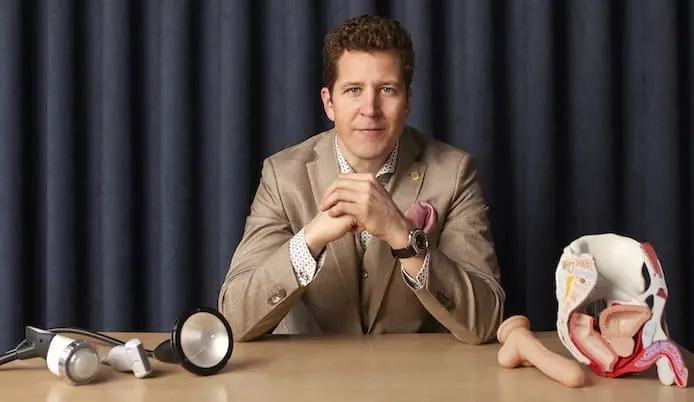
International speaker & expert in shockwave and EMTT treatment for erectile dysfunction, peyronies & CPPPS.
Involuntary urination is more common than most people think – even in men. It can be after-dripping, sudden strong urges to urinate, small leaks during exercise or coughing, frequent trips to the toilet at night or outright urine leakage. For many, it’s linked to erectile dysfunction, pelvic pain or insecurity in intimate life. I’ll help you safely and respectfully move from shame and guesswork to a concrete plan to help you regain peace, control and agency. You are not alone – and you are not wrong; you have a problem that can be understood and treated.
Involuntary urination (urinary incontinence) is any kind of urine leakage that you can’t control. It can affect men of all ages – and it’s never “just something you have to live with”. It’s often caused by a combination of pelvic floor function, bladder sensitivity and nervous system regulation. I work purposefully to find your exact cause and the right solution. In short, the urethral sphincter closes and opens in interaction with the pelvic floor and abdominal pressure; when this interaction is disturbed (too weak, too tense or mistimed), a leak can occur. The bladder can also become hypersensitive, so the urge feels acute long before the bladder is actually full.
– Urge incontinence: Sudden, strong urges that are hard to hold back. Often with frequent toilet visits and nocturnal urination (nocturia – getting up several times a night).
– Stress incontinence: Leakage when coughing, sneezing, jumping, lifting or during exercise – because the pressure in the abdomen increases faster than the pelvic floor can withstand.
– Mixed incontinence: A combination of urge and stress incontinence.
– Overflow incontinence: The bladder becomes overfilled and leaks, typically due to reduced emptying, for example due to an enlarged prostate (BPH – benign prostatic hyperplasia).
– Post-micturition dribble: Drops that appear minutes after using the toilet because urine remains in the urethra or the pelvic floor does not coordinate optimally.
Symptoms can vary from day to day and can be triggered by exercise, caffeine, cold, sexual activity or stress.
– Pelvic floor function: Weakness, poor timing or overactivity/tension can cause both leakage and pain.
– Nervous system: Irritation of the pudendal nerve or imbalance in the autonomic nervous system can increase bladder sensitivity and urgency.
– Prostate and bladder emptying: Enlarged prostate or changes after surgery can affect flow, emptying and control.
– Chronic pelvic pain syndrome (CPPS): Tension, myositis and pain in the pelvis can worsen both urination and leakage.
– Lifestyle and medication: Caffeine, alcohol, nicotine, lack of sleep, stress and certain medications can increase cravings or weaken the sphincter.
– Infection or irritation: Urinary tract infection, bladder irritation or stones can cause sudden urgency and burning.
Often there are several factors at play at once, so the right action requires a thorough but clear investigation.
Many men who come to me for erectile dysfunction, after-dripping or pelvic pain also experience bladder control issues. When the pelvic floor is under pressure, when the nerve is irritated, or when sleep and stress are imbalanced, it often affects erection, desire and bladder control. My approach is holistic and practical: I look at tissues, nerves, muscles, habits and emotions so that you notice improvements that can be felt – both in daily life and in the bedroom. The goal is increased control, less anxiety and more freedom in your body.
My short answer: If you’re worried, inhibited in everyday life or start to opt out of things (exercise, sex, social activities), then it’s time to take action. You don’t have to have ‘major’ incontinence to be eligible for help. If you’re always checking where the nearest restroom is, spending extra time “making sure” before meetings, or changing routes on your run to pee, it’s a sign that your body is calling for support.
Seek urgent medical advice from your GP if you have blood in your urine, sudden severe deterioration, fever and pain, severe burning when urinating or if you cannot pass urine. I can guide you on how to discuss relevant tests that are not performed in the clinic (e.g. urine tests for infection, blood tests or PSA for prostate problems).
I always start by understanding your story and goals, so I can prioritize what matters to you in the here and now. I also listen to your concerns and expectations so that the plan feels safe and realistic.
I will review symptoms, patterns, medications, fluid intake, sleep and exercise with you. I may ask you to keep a short bladder and fluid chart over 2-3 days, which gives a clear picture of triggers, frequency, volumes and “leakage situations”. This makes it easier to see what’s working and what needs to be adjusted.
With ultrasound, I assess how the bladder is emptying and whether there is residual urine (urine that remains in the bladder after urination). I can also look for tissue conditions in the pelvic area if it’s relevant to your symptoms. These are gentle, safe examinations without radiation that help target your treatment.
I examine the pelvic floor’s strength, timing and ability to release tension. Many men ‘squeeze’ hard but activate incorrectly – or can’t relax at all. Both of which can exacerbate involuntary urination, pain or dribbling. You’ll get clear instructions and simple tests so you can tell the difference between an effective squeeze and unnecessary movements in your stomach, buttocks and thighs.
I test for signs of pudendal nerve irritation and pelvic tissue tenderness. This determines whether I should primarily work on dampening overactivity and pain – or on strength and timing. If necessary, I also include sensation, reflex patterns and simple provocation tests that clarify triggers.
If I assess that there is a need for tests or examinations that I do not perform in the clinic (e.g. urine test for infection, prostate assessment or imaging), I advise you to talk to your own doctor.
Treatment is never “one size fits all”. You’ll get a plan that combines what works for your particular situation – and fits your everyday life so you can stick with it. I work with clear milestones and home exercises so you can measure progress (fewer leaks, fewer trips to the toilet, better sleep, increased confidence) from week to week.
I teach you to activate the right muscle at the right time – and to release again. For stress incontinence, timing and pressure control are crucial (cough, sneeze, hop). For urge issues and pain, I often focus on relaxation, calm breathing and nervous system “braking” first before ramping up the strength training. You’ll also learn the preparatory strategy (“The Knack”): a short, precise squeeze just before load, followed by full relaxation.
Gentle stimulation of relevant nerves (e.g. via areas affecting the tibialis or pudendal pathways) can calm overactive bladder, reduce urges and improve control. The treatment takes place in sessions and is experienced as comfortable, low-intensity electrical stimulation. It is often used for urge and mixed incontinence and chronic pelvic pain. I can also guide you in simple home solutions (e.g. TENS at the ankle) when it makes sense.
EMTT is used to affect muscles and tissues in depth. For involuntary urination, EMTT can support pelvic floor activation, relieve tension and reduce pain, making it easier to train properly and achieve better bladder control. The treatment feels like a pulsating magnetic field that reaches deep without you having to tense up.
For myofascial tension, scar tissue or irritation in the pelvic area, focused sound waves (often known as focused shockwave) can help reduce pain, increase tissue tolerance and improve function. For CPPS and neural tension, it can indirectly benefit post-drainage, urinary urgency and control when I combine it with the right exercises and habits.
Small adjustments can make a big difference: adjusting fluid intake, timing before exercise and bedtime, caffeine/alcohol, constipation management, weight, and specific “toilet strategies”. I’ll give you a clear plan that fits your life – not the other way around. You’ll also get advice on workday breaks, managing long meetings and travel so that the structure of your day helps – not hinders – your bladder control.
Shame, anxiety and pressure to perform often exacerbate both erection, pain and bladder sensitivity. I help you with simple techniques to calm your body, strengthen body confidence and communicate with a partner if relevant to you. When the shoulders drop, the urges often drop too – and control and desire become more manageable.
Most start with 1-2 closer sessions where I assess, strategize and get started. This is followed by an individually tailored course of typically 6-8 weeks where I combine training, neuromodulation and/or EMTT/focused sound waves as needed. Many people notice the first improvements within 2-4 weeks: fewer leaks, better timing, less cravings – and more peace and confidence in everyday life. You get specific home exercises, regular check-ins and ongoing adjustments so that the effort is constantly adapted to your development.
The treatments mentioned are gentle. You may experience slight tissue soreness after focused sound waves or exercise; neuromodulation and EMTT are generally very well tolerated. I always adapt the intensity and frequency to your body and goals, and assess your medical history before we start.
– Breathe deeply and calmly: Nose breathing and belly breathing calm cravings and help the pelvic floor release unnecessary tension.
– “Quick flicks” for cravings or coughing: A short, precise pinch for 1-2 seconds, release – repeat 3-5 times. It can break the urge and support when straining.
– Bladder training: When the urge comes, wait 30-60 seconds, walk calmly to another room, and only then to the toilet. Gradually build up the time so the brain learns that you are in control.
– Fluid management: 1.5-2 liters per day is typically appropriate. Limit caffeine and alcohol, especially 3-4 hours before bedtime.
– Bowel and constipation: Eat fiber, drink water and move. A full bowel puts pressure on the bladder and can worsen leakage.
– Timed voiding: Go to the toilet as needed – but avoid “just in case” every half hour. Find a rhythm that doesn’t overtrain the urge.
– After-drip: Press lightly behind the scrotum and “milk” the urethra towards the tip of the penis after urinating. For better voiding, sit down and try double voiding (wait 30 seconds and void again).
– Toilet position: Sit down, lean forward slightly with relaxed shoulders and feet on the floor for better emptying and less pressure.
It’s common, but not something you should accept. For many, symptoms get progressively worse if left unmanaged. With targeted efforts, I often see clear improvements within a few weeks, and from there I build on the results to make them last.
Hard training and heavy lifting without proper pressure management can overstimulate or “fatigue” the pelvic floor. At the same time, stress, lack of sleep and caffeine can increase cravings. It’s typically a coordination issue that I solve with technique, breathing and individual training – not necessarily by training harder, but by training smarter.
Only if you train properly. If you have an overactive or painful pelvic floor, I first need to create relaxation and calm – otherwise hard “pinching” can make it worse. I’ll help you find the right sequence and dosage.
Yes, many benefit from an intervention that combines precise pelvic floor training, neuromodulation and habit change. Alignment of expectations is important and the plan is adapted depending on where you are in the process and which structures are affected. The goal is stable progress and a safer everyday life.
Yes, for urge incontinence, certain medications can reduce the urge. I can guide you on how to talk to your doctor about your options if medication is relevant for you.
Often. Nerve interference, tension and stress can affect both erection and bladder control. My holistic approach can combine neuromodulation, focused sound waves, EMTT and habitual counseling to improve both areas to enhance function and confidence.
No, you’re not. You are far from the only one. I meet you at eye level, without taboos – with a focus on effective solutions and your safety.
I talk to you in private about your symptoms and goals. Examinations are done respectfully and only with your consent. You keep your clothes on for most things; if more detailed examination is relevant, I always go through the why and how before I do anything.
Your situation is kept confidential. You decide what is shared – and with whom.
Involuntary urination doesn’t have to control your everyday life, training or sex life. I offer a professional, down-to-earth and effective way forward with advanced diagnostics (including ultrasound), neuromodulation, EMTT, focused sound waves and targeted training. The clinic is located in Copenhagen, and I help men from all over Denmark – especially Copenhagen and Zealand.
Book an appointment or contact me for a no-obligation conversation. You’ll get peace, direction and a plan that works for you.
If you are interested in hearing more about how I can help you, you are always welcome to contact me by phone 41 40 08 58 or email michael@msinsight.dk. I’ll get back to you quickly with a customized proposal so we can find the best way forward together.
I will get back to you within 12-24 hours.
Are you unsure about what’s causing your symptoms, or whether a specialized treatment program at our clinic in Copenhagen would be right for you? If so, you can start with a brief, confidential consultation. During this consultation, we’ll assess whether your symptoms align with the areas I specialize in at MS Insight and determine what the next appropriate step might be.
The initial consultation is not a full consultation, diagnosis, or treatment plan. It is intended for those who would like a thorough assessment of whether it makes sense to proceed with a more in-depth examination, an ultrasound scan, and a personalized plan at our clinic in Copenhagen.