
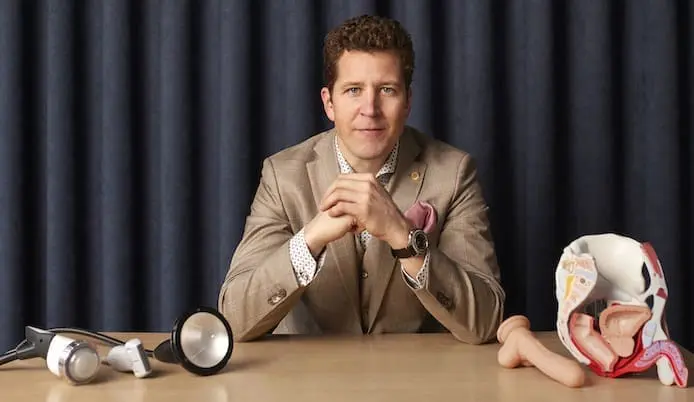
Michael Strøm
International expert in shockwave and EMTT treatment for erectile dysfunction and peyronies.
What is neuropathy?
Neuropathy, also known as neuritis, is a highly debilitating condition that can affect the hands and feet, but can also cause problems with incontinence and erectile function.
And this is what I specialize in. Nerve inflammation is often caused by various lifestyle diseases, such as diabetes, which causes the nerve tissue to break down slowly. It can also occur as a peripheral neuropathy without a known cause.
This causes neuropathic pain and loss of function in different parts of the body. I have an opportunity to help you with neuropathy treatment on several levels for better function and higher quality of life, via shockwave, laser, EMTT or NESA neuromodulation. And in most cases, the best results for neuropathy pain come when we combine the different types of treatment.
When you first come in, we’ll have an in-depth conversation and examination to find the cause of the challenge and how we can treat your neuropathic pain.
We’ll review your lifestyle and other factors that may affect it - for example, the combination of neuropathy and alcohol can worsen the condition. Based on our conversation, we choose which treatment protocol will give you the greatest effect.
The effects of the treatment will be seen as less pain, less feeling of tingling in hands and feet, less feeling of a sock/wadding when walking and not least better coordination and balance. In addition, it can also increase erectile function. In short, you’ll regain your quality of life and ability to function without side effects and debilitating medication.
On this page, you can get an overview of the possibilities of getting help for a better everyday life in just a few minutes, or you can always contact me without obligation to hear more about my neuropathy treatment.
Facts about neuropathy
- Types: Peripheral (arms/legs) and autonomic (organs and sexual function).
- Symptoms: Burning, numbness, weakness, incontinence, erectile dysfunction.
- Diagnostics: Neurological tests and clinical assessment.
- Treatment: Focused shockwave, EMTT and laser - not medical.
- Goal: Restore nerve function, reduce pain and improve quality of life.
Symptoms of neuropathy: How to recognize nerve inflammation and find the right treatment
Neuropathy, also known as neuritis, is a condition where the body’s nerves become damaged and cause a range of unpleasant symptoms. Peripheral neuropathy primarily affects the nerves in the arms and legs and can lead to pain, loss of sensation and muscle weakness.
The symptoms of neuropathy can vary depending on which nerves are affected. The most common symptoms include:
- Pain and burning sensations - Especially in the feet and hands, which can be constant or come in waves.
- Tingling and numbness - A sleeping or tingling sensation that can spread to larger parts of the body.
- Muscle weakness - Weakening of the muscles, which can affect walking and balance.
- Hypersensitivity or impaired sensation - Touch can feel either painful or impaired.
- Balance issues - Poor coordination, which can lead to an increased risk of falls.
Depending on your symptoms, there may be different treatment options, and often, medication is not the way forward due to high amounts of side effects.
Whether you suffer from neuropathy in the feet, legs or anywhere else in the body, I can offer effective treatment to help you get rid of neuropathic pain in your feet and legs.
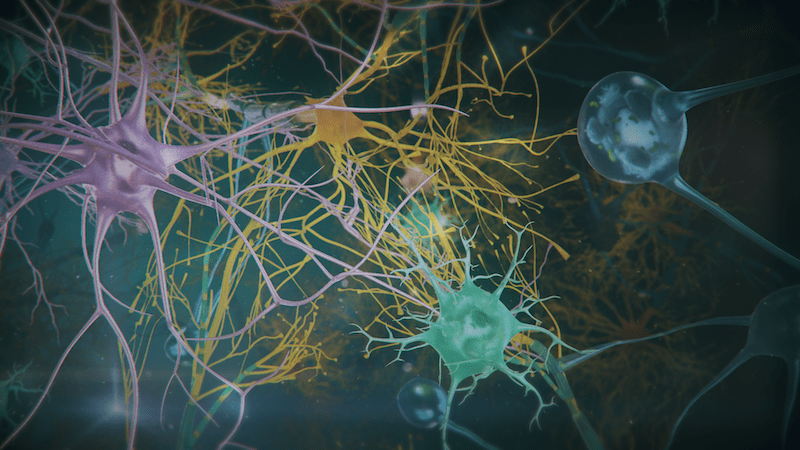
Treatment course of peripheral neuropathy with NESA X, Shockwave and EMTT
Treatment for peripheral neuropathy focuses on stimulating nerve healing, reducing pain and improving the function of the affected nerves. The latest therapies, such as NESAs therapy, shockwave and EMTT, have shown promising results for patients with nerve inflammation in the legs, feet, face or elsewhere in the body.
- Shockwave therapy (ESWT) - Uses pressure waves to increase blood flow and promote nerve healing. Shockwave has been shown to reduce pain and improve nerve function in patients with peripheral neuropathy. Usually 6-8 treatments are given as a baseline in combination with EMTT.
- EMTT (Electromagnetic Transduction Therapy) - An innovative therapy that uses electromagnetic pulses to stimulate tissue healing and reduce inflammation in affected nerves. EMTT helps restore nerve activity and can be particularly effective in chronic neuropathy. Always combined with shockwave.
- NESAs therapy - An advanced neuroelectrical stimulation that activates the nervous system and helps restore nerve function. NESAs stimulate regeneration of damaged nerves and reduce pain without side effects. Usually 12 treatments are given as a baseline.
Choosing which tools will help you best will be clarified at the first treatment and we will create an overall strategy that will give you a higher quality of life.
The price is DKK 2,000 per neuropathy treatment and you will receive a comprehensive offer the first time you visit the clinic so you have a full overview of the treatment of your neuropathic pain.
Do you need help?
Briefly describe your situation – I will get back to you within 12–24 hours with a suggested treatment plan. You are also welcome to call 41 40 08 58.
There are two types of nerve inflammation, peripheral and autonomic neuropathy.
Peripheral neuropathy occurs when there is damage to the body’s sensory and motor nerves, often leading to symptoms in the toes, feet, legs and hands. The sensory nerves are responsible for sending signals of touch, temperature and pain to the brain, while the motor nerves control muscle movement. When these nerves become damaged, it can lead to:
In the worst case scenario, peripheral neuropathy can develop into diabetic foot ulcers. This happens when impaired sensation causes small wounds or pressure points to go undetected in time, which can lead to chronic ulcers, infections and, in severe cases, the risk of amputation of the toes or foot.
Autonomic neuropathy occurs when the autonomic nervous system, which controls unconscious functions in the body, is damaged. This system controls important processes such as blood pressure, digestion, bladder function and sexual function. When the nerves of the autonomic system weaken, it can lead to:
- Urinary tract problems
- Heart problems
- Stomach and intestinal problems
- Sexual dysfunction
Shockwave treatment for diabetic foot ulcers
For diabetic wounds, I can effectively help you with shockwave therapy. Shockwave stimulates blood flow and accelerates tissue healing by activating the body’s natural repair processes. Studies show that shockwave can improve wound healing, reduce inflammation and lower the risk of infection in patients with neuropathic foot ulcers.
Have a no-obligation conversation about neuropathy today
If you are interested in hearing more about how we can help you, you are always welcome to contact us by phone: 41 40 08 58 or email: michael@msinsight.dk. Otherwise, you can fill out the contact form with your details and a brief description of your problem. I'll get back to you quickly with a customized proposal for a solution so we can find the best way forward together.