

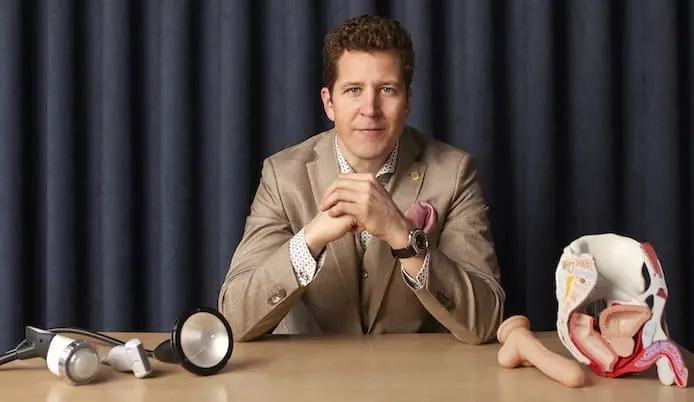
Michael Strøm
International expert in shockwave and EMTT treatment for erectile dysfunction and peyronies.
What does it mean to have a flaccid penis?
When I talk to men about their intimate health, I often feel a mixture of frustration, concern and, not least, taboo. One of the most common challenges I encounter is the flaccid penis. Whether it’s problems getting an erection, a feeling of inadequacy during intercourse, or the penis not feeling the way it used to, it affects far more men than most people realize.
I want to make it legitimate to talk about - and more importantly, show you that you are not alone and that there is actually help available. For many, it can be associated with shame, but I see it as a health issue that deserves the same attention as anything else in the body.
Unsure whether it can be cured?
Get a clarifying 15-minute specialist assessment.
What causes flaccid penis?
A flaccid penis can have many different causes. For some, it starts as a one-off problem - perhaps after a stressful day, too much alcohol or poor sleep. But if it recurs and the feeling of an unsatisfactory erection becomes part of everyday life, it can quickly affect confidence, relationships and quality of life.
When I work with men who experience penis flaccidity, I often see the following causes:
Physical explanations for flaccid penis
- Reduced blood flow: A good erection requires blood to flow freely to the cavernous bodies of the penis. Problems here are often caused by atherosclerosis, high blood pressure or diabetes - conditions that can creep in without obvious symptoms.
- Nerve impingement: If the nerves to the penis - especially the pudendal nerve - are pinched or damaged, the signals to the penis can be disrupted. I see this especially in men with chronic pelvic pain (CPPS), after surgery or injury in the pelvic area. Symptoms can include numbness, weak erection or restlessness in the area.
- Hormonal imbalances: Low testosterone can lead to decreased sex drive, weaker erections and generally less energy. Testosterone is the male sex hormone that affects desire, mood and muscle function.
- Physical changes: Diseases such as Peyronie’s disease (where scar tissue forms that can cause curvature or pain), scar tissue from injuries, or prostate or pelvic surgery can make the penis more flaccid and affect erection quality.
Mental and functional causes
- Stress and performance anxiety: Many men find that the fear of not being able to get an erection makes it even harder to get an erection. It becomes a vicious circle where the mind gets in the way of the body.
- Sleep problems, depression and anxiety: the mind and erection are closely linked. Poor sleep, depression, anxiety or relationship problems can both trigger and worsen erectile dysfunction.
- Poor pelvic floor function: The pelvic floor muscles play a crucial role in both erection and ejaculation. If they are too tight, too weak or working incorrectly, it can result in a flaccid penis - even if there is no actual physical damage.
Often it’s a combination of several factors that lead to a flaccid penis. It may therefore be necessary to look at the whole picture - physical, psychological and functional - to find the right solution.
When should you seek help for flaccid penis?
My clear advice is: Better today than tomorrow. Too many men spend far too long alone with their worries - not only about their penis, but also about their self-esteem and identity. If you recognize one or more of the following situations, I can help you:
- You often have trouble getting or keeping an erection - both during intercourse and masturbation.
- You find that the penis is not as hard as it used to be or that the erection quickly disappears.
- You feel pain, tingling, tingling or discomfort in the penis, pelvis or rectum.
- You experience flaccid penis, restlessness or loss of sensitivity after surgery, cycling, sports or illness, for example.
- You feel like it’s affecting your sex life, your desire or your self-confidence and happiness.
No problem is too small or too big to take seriously. A flaccid penis isn’t something you should just put up with or struggle with alone. Seeking help is an expression of responsibility - both for yourself and for your relationship.
My methods: How I help you if you have a flaccid penis
I always start by getting a complete picture of the challenges you’re facing. I take a systematic approach that combines conversation, a thorough clinical examination, and specialized diagnostics. My focus is on identifying the specific cause and tailoring a plan that’s right for you and your situation. If you’re interested in learning more about how I can help you specifically, you’re always welcome to contact me by phone at 41 40 08 58 or by email at michael@msinsight.dk.
Advanced diagnostics: Ultrasound scans and functional tests
I always use ultrasound scanning of the penis and pelvic area. This allows me to assess blood flow, identify strictures, scar tissue or signs of Peyronie’s disease. I also examine the condition of the nerves and feel for muscle tension or imbalances in the pelvis. This thorough approach ensures that we don’t miss anything important and that treatment is targeted and effective.
Shockwave therapy (Shockwave therapy) and EMTT
Many men with a flaccid penis benefit from focused shockwave therapy. It’s a gentle treatment where mild pressure waves stimulate the formation of new blood vessels and improve blood flow to the penis - with no side effects. EMTT (electromagnetic transduction therapy) can complement it by promoting tissue healing and restoring nerve function. I often find that the combination of these treatments produces significant improvements - especially for those who have tried other things without success.

Effect of shockwave for flaccid penis
Neuromodulation: Restore the pathway of nerve signals
If penile flaccidity is caused by nerve interference - for example after pelvic injuries or chronic pelvic pain - I use targeted neuromodulation to help the nerves regain their proper balance. Neuromodulation is a technique where I stimulate the nerves with mild impulses to improve signals to the penis. It can be groundbreaking, especially if you experience loss of sensation, tingling or pain along with flaccidity.
Pelvic floor training and advice
The pelvic floor is often overlooked, but it’s crucial for erection, ejaculation and sensation. I guide you through simple but effective exercises that strengthen or relax the muscles, depending on what you need. Many people experience significant improvement when their pelvic floor receives attention - even after years of problems.
Advice on lifestyle, sleep and psychosexual well-being
A flaccid penis is closely linked to the rest of your body and your mind. I advise you on diet, exercise, sleep and stress management to give you the best conditions for a healthy erection. If performance anxiety, disappointment or negative thoughts are prevalent, I include sexological counseling where we together find ways to strengthen both confidence and desire - always without raised eyebrows or prejudices.
My goal is for you to feel safe, understood and actively involved in your own treatment. I believe that an open dialog and a safe space is the foundation for moving forward.
When taboo gets in the way - why many men don’t seek help for flaccid penis
I know how difficult it can be to approach a health clinic with something so private. Many of my clients have feared that they were the only one with a flaccid penis, or have been afraid of being met with shame or suspicion. With me, you will always be treated with respect, understanding and full discretion. All questions are welcome and nothing is too weird or embarrassing. You talk directly to me - and together we’ll find the solution that’s right for you. Taking the first step can feel difficult, but it’s often the most important step towards regaining quality of life and happiness.
Take the first step: Get help for flaccid penis in a safe environment
If you are interested in hearing more about how I can help you, you are always welcome to contact me by phone 41 40 08 58 or email michael@msinsight.dk. I'll get back to you quickly with a customized proposal so we can find the best way forward together.