Impotence after prostate surgery, many men will find that their erection and erection will change. But it's also common with back and cancer surgery in general.
✓ In-person treatment at a specialized clinic for men
✓ Evidence-based, personalized treatment plans with an 84% success rate
✓ Long-term results & lasting improvement—ditch the blue pill
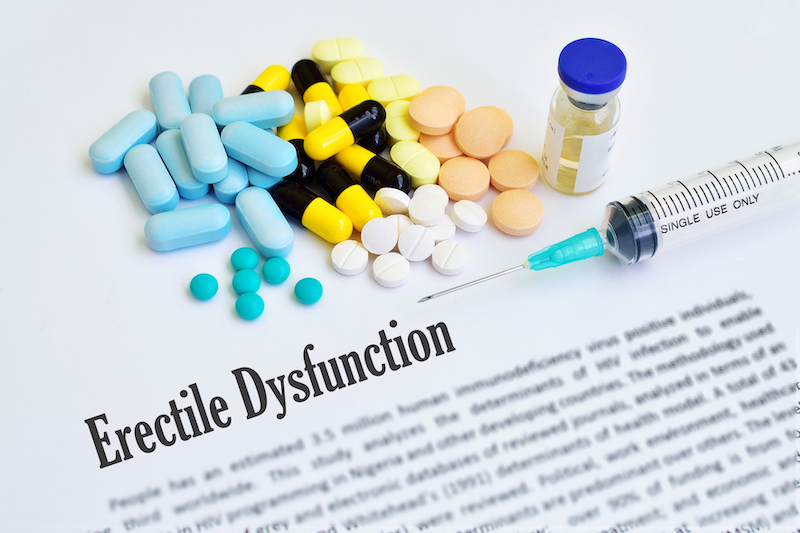
This can come as a shock, as there is often no focus on the potential for erectile dysfunction/impotence after surgery. And especially if the sex life was good before, it often hits the man's self-esteem at 100 kilometers per hour.
Erection and potency may become weaker, it may weaken or disappear completely. Desire can also be negatively affected and sometimes masturbation may work, but not intercourse. Sex life is just not the same!
It's not you and your sexuality that's the problem, but physical and neurological changes that affect your potency after prostate surgery.
On this page I describe what happens to erectile function after prostate, cancer and back surgery. And why it's common and what can be done about it if you act in time.
In this context, focused shockwave and EMTT therapy can be an invaluable part of the rehabilitation process following prostate surgery for your penis and erectile function.
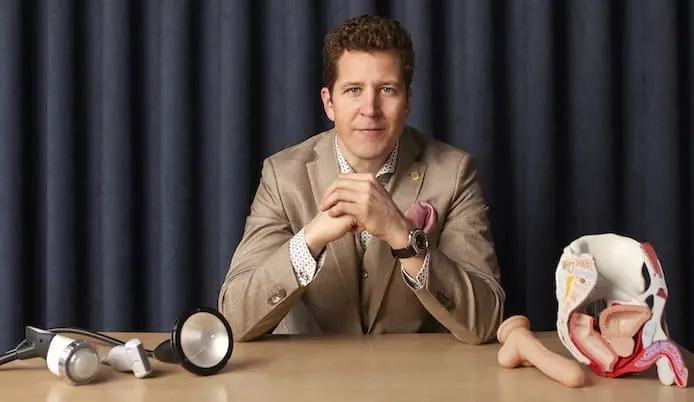
Michael Strøm
International expert in shockwave and EMTT treatment for erectile dysfunction and peyronies.
A good and hard erection requires an interaction between blood vessels, nerves, hormones and the brain. All the elements that can affect these systems can also interfere with the ability to get and maintain a good erection.
After prostate surgery, it is not uncommon to experience impotence or incontinence. This is because even nerve-sparing prostate surgery can damage nerves, blood vessels and the tissue as a whole.
The pelvic floor is particularly vulnerable as it acts as a hammock for the organs and is part of the body's balance point. Therefore, there is a lot of connective tissue, nerves, blood vessels and muscles that affect each other in the area.
Particularly the pudendal nervewhich runs from the spine through the large muscles in the buttocks is particularly vulnerable. If it is damaged, it can cause erectile dysfunction as it supplies nerve signals to the pelvic floor and penis.
Finally, it's inevitable that there will be inflammation that forms scar tissue in the area after surgery, whether it's in the pelvic floor, back or elsewhere in the body. Scar tissue contributes to more stiffness and less elasticity in the tissue and can reduce sensation in the area.
Will be different from man to man. It depends on how the surgery has progressed and what the potency was like before. But typical symptoms will be
In many cases, it becomes irritation on a higher level, because the desire is still there, but the body doesn't respond like it used to.
What can be really difficult after prostate surgery or other serious illness is that your self-image as a man changes. Erectile dysfunction can cause low self-esteem and raise questions:
All the thoughts that may come up, along with the physical changes, can lead to anxiety about sex and intimacy, feelings of being "less" of a man, and generally lower quality of life with impotence after prostate surgery.
It's about how you see yourself as a sexual being.
In addition, all those thoughts will activate the sympathetic nervous system (increasing stress and readiness in the body) and inhibit all the functions needed for a good erection.
In the clinic, as a shockwave specialist and sexologist I can help you with a 360-degree solution to the problem so you can continue to feel like a man after prostate surgery.
Here I help you crack the code on how to feel like a real man again.

Surgery for prostate cancer usually involves removing the entire prostate and carries a risk of impotence. This means there is a high risk of damaging the small nerves that run along the prostate, which are responsible for controlling erections and sexual function.
Even with robot-assisted nerve-sparing surgery, up to 80% of men experience erectile dysfunction and incontinence for months or years after prostate surgery. This doesn't mean you have to live with incontinence or not be able to get your potency back.
But it requires the right treatment and rehabilitation after surgery. I'll explain that a little further down the page. Especially if your surgery also involved radiotherapy, it's even more important to pay attention as large amounts of scar tissue can form after treatment.
In addition, anxiety, incontinence, reduced morning erections and altered body image can play a role.
Erectile dysfunction can also occur after bladder removal surgery, rectal cancer or hernia surgery in the groin. Here, as with prostate cancer surgery, there is the possibility of damage to the nerve tissue and blood vessels in the area. This can lead to both mild and severe erectile dysfunction.
In addition, consider that scar tissue and disruption of the connective tissue structures where blood vessels and nerves run, which can contribute to reduced sensation in the cavernous bodies and penis as a whole.
In case of herniated discs in the lower back, it is not uncommon to see lack of potency and erectile dysfunction. This is because there is a mechanical impact on the nerves and especially the the pudendal nerve. This is the nerve that controls erection and a large part of the pelvic floor function.
So if you have a herniated disc or back surgery, you may experience temporary erectile dysfunction or incontinence.
The link between a herniated disc and erectile dysfunction is often overlooked, as it can be a taboo subject. But there is a clear connection, due to the role the nervous system plays in erectile function.
The symptoms of a herniated disc can include pain, decreased sensation in the crotch and lack of erection. But also severe pain and incontinence, where you can't control urine or bowel movements. If you experience the latter symptoms, you should seek medical attention as soon as possible as it can be dangerous.
A stroke can cause erectile dysfunction by affecting the brain's ability to send signals of desire, stimulation and erection.
In many cases, it can also cause incontinence, as the nerves that control erection and pelvic floor muscles are the same.
In Denmark, more and more men are having strokes, often due to an inappropriate lifestyle with low physical activity, high stress levels and other underlying diseases such as cardiovascular disease and diabetes.
If you would like more information about stroke, read more at hjernesagen.dk
It's about maintaining good erectile function by having regular sexual intercourse or masturbation. This is to have the best possible blood circulation and good nerve activity in the penis and cavernous bodies. The better the starting point before surgery, the easier it is to maintain satisfactory erectile function after.
In addition, it is also recommended to start pelvic floor training/knee exercises for men. This is to maintain erection, but also to have strong muscles that can compensate for the removal of the prostate. This plays a particular role in limiting incontinence after prostate surgery.
Finally, maintain a generally high level of physical activity in the run-up to surgery so that the body has the best possible conditions to recover and heal itself.

In the clinic, I have a number of options to help restore your erectile function.
I use the following tools to give you back your potency and self-esteem
Briefly describe your situation—I’ll get back to you within 12–24 hours with a proposed plan of action. You’re also welcome to call me at 41 40 08 58.
After prostate surgery, it's all about getting your potency back on track. We have several options here, and recent studies have shown that early intervention after surgery (a few weeks) with focused shockwave can reduce erectile dysfunction and increase desire in the long term.
Shockwave therapy reduces the amount of scar tissue and allows the tissue to move more freely. It helps nerves and blood vessels regenerate and grow after the damage that surgery can cause. A typical course of treatment lasts about 3 months.
The treatment also helps to rebuild the tissue in the tumors, which may have been inactive for an extended period after prostate surgery, with lack of erection often being a significant factor.
Different potency pills can help improve blood flow and increase erections. In combination with shockwave therapy, it has proven to be an effective solution where the two treatments complement each other. I'm happy to provide guidance on which pills might be relevant for you.
It is recommended to continue to focus on pelvic floor exercises for men after prostate surgery. The exercises strengthen blood flow and nerve signals to the area, which can improve erectile function. At the same time, pelvic floor exercises are important for preventing incontinence.
In addition to focusing on a healthy lifestyle, a penis pump can be an effective part of rehabilitation. The pump increases blood flow to the penis and creates an erection that can be maintained with a penis ring to allow intercourse to take place. As an added bonus, it can increase elasticity and help reduce the risk of Peyronie's disease.
With targeted and effective efforts, around 40-50% of men will regain much of their potency and erectile function within 1-2 years after prostate surgery, especially if they were younger and in good physical shape before the procedure. The greater the focus on lifestyle and rehabilitation, the better the results can be achieved.
Are you in doubt? Get clarity on your options
☎ +45 41 40 08 58
✉ michael@msinsight.dk
I will get back to you within 12-24 hours.
If you are interested in hearing more about how we can help you, you are always welcome to contact us by phone: 41 40 08 58 or email: michael@msinsight.dk. Otherwise, you can fill out the contact form with your details and a brief description of your problem. I'll get back to you quickly with a customized proposal for a solution so we can find the best way forward together.
