
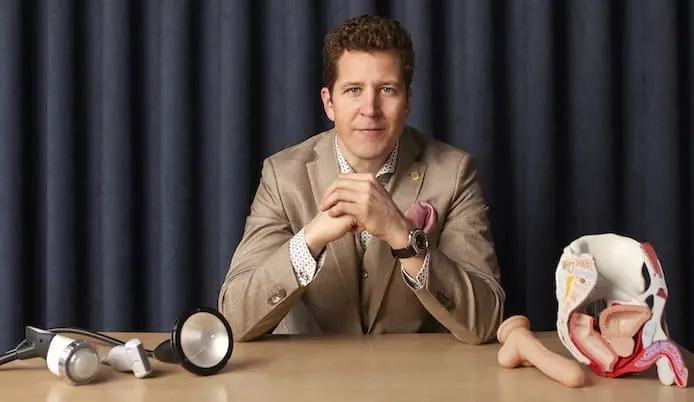
Written and medically reviewed by Michael Strøm
International speaker & expert in shockwave and EMTT treatment for erectile dysfunction, Peyronie’s & CPPS. Read more about me
Neuropathy and alcohol – how it affects your body, nerves and intimate health
In this article
- What is neuropathy – and why is it linked to alcohol?
- How does alcohol affect the nerves?
- Neuropathy, alcohol and men’s intimate health
- Symptoms I ask you to pay attention to
- Investigation: how I work in the clinic
- Treatment: the road back when neuropathy and alcohol come into play
- What can you realistically expect? Timeline for recovery
- Frequently asked questions about “Neuropathy and alcohol”
- When should you seek help – and what do you get from me?
- Take the first step today
What is neuropathy – and why is it linked to alcohol?
Neuropathy means that the nerves are not functioning properly. This can cause sensory disturbances, pain, decreased muscle strength, weakened reflexes and problems with the body’s automatic functions (autonomic nervous system) such as blood pressure, sweating, gastrointestinal, bladder and erection. Neuropathy and alcohol are closely linked because alcohol can damage nerves both directly and indirectly. With prolonged or heavy alcohol consumption, I often see a pattern of symptoms that affect both daily life and intimate health.
When you feel tingling, burning, small “surges” or numbness in your feet or hands, it could be classic peripheral neuropathy – often in a “sock and glove” pattern. Neuropathy can also affect nerves in the pelvis, affecting erection, orgasm, ejaculation, bladder and bowel. Here it becomes clear that men’s health and Neuropathy and alcohol is not just a theoretical connection – it’s something you can feel in everyday life, in intimacy and in your confidence.
Sensory, motor and autonomic neuropathy – what does it mean for you?
Neuropathy is often divided into three domains. This helps you and me understand why your symptoms feel the way they do – and where we can most effectively intervene.
– Sensory: Tingling, tingling, burning pain, pins and needles, electric shock sensations, over- or under-sensitivity.
– Motor: Weakness, cramps, tired legs, impaired fine motor skills, walking and balance problems.
– Autonomic: Erectile dysfunction, disturbed sweating, dizziness when standing up, diarrhea/constipation, frequent or weak urination.
Different nerve types heal at different rates. Small nerve fibers (those that cause pain/temperature) often cause burning and tingling, while larger fibers affect strength, vibration and balance. Knowing your profile allows me to target assessment and treatment to help you notice a difference faster.
How does alcohol affect the nerves?
Alcohol can exacerbate or trigger neuropathy via multiple pathways, sometimes running simultaneously. Dose, duration and vulnerability (e.g. nutrition, genetics and other diseases) come into play. The bottom line: Nerves thrive on stability – alcohol creates the opposite.
Direct nerve impact and oxidative stress
Alcohol and its breakdown products can be toxic to nerve tissue. It creates oxidative stress (a kind of “rust” in the cells), which damages nerve fibers and their insulation (myelin). As the myelin thins, signals become slower and “noisier” – felt as tingling, burning or allodynia (pain on touch that doesn’t normally hurt). Over time, this can cause permanent changes in nerve conduction. Taking breaks or stopping reduces this strain and gives the nerves a chance to recover.
B vitamin deficiency and nutrition
Many people who drink too much or too often become deficient in B vitamins – especially thiamine (B1), B6, folate and B12. They are essential for nerve signaling and repair. The deficiencies themselves can cause neuropathy or make it worse. I often see that targeted nutrition and vitamin optimization is a key in recovery. Typical signs of deficiencies include fatigue, dizziness, tingling feet, vulnerable mucous membranes and decreased appetite. With supplementation, it’s not about “as much as possible”, but about the right dose for you – also because too high doses of B6 can irritate nerves. I help you with a plan that can be implemented and followed up in consultation with your doctor.
Liver, blood sugar and hidden risks
Alcohol affects liver function, hormone balance (e.g. testosterone), sleep quality and blood sugar. Unstable blood sugar and the onset of insulin resistance can in turn damage small nerve fibers. The combination of alcohol + prediabetes/diabetes significantly increases the risk of neuropathy and erectile dysfunction. I often find that stable meal rhythms, more protein and fewer fast carbohydrates – combined with alcohol breaks – quickly lead to calmer nerves, better sleep and fewer nighttime awakenings to use the toilet.
Neuropathy, alcohol and men’s intimate health
Erectile dysfunction and penile sensation
Erectile dysfunction can be caused by blood vessels, nerves and the mind. Alcohol affects all three. On the nerve side, I often see reduced sensitivity in the penis (small nerve fibers), which makes it harder to maintain stimulation and erection. At the same time, alcohol inhibits the production of nitric oxide (NO) and worsens blood vessel function – a “double effect” on erection. Many also describe a change in glans sensation, need for stronger stimulation and faster “loss of momentum”. It helps to work in parallel with nerve-strengthening measures, better vascular function and concrete strategies for performance pressure and expectations – so that presence and desire have more space.
Pelvic pain, pudendal nerve and muscle tension
Men with chronic pelvic pain or pudendal pain often find that alcohol exacerbates pain the next day. Alcohol disrupts sleep (even if you fall asleep faster), which increases pain sensitivity. In addition, alcohol can contribute to dehydration and pelvic floor muscle tension. If you have tingling/pain in your crotch, penis or rectum, it may be a combination of localized nerve stress and an over-activated pelvic floor. I teach you how to recognize triggers (e.g. prolonged sitting, hard exercise, coffee/alcohol combination) and use simple tools like breathing, targeted relaxation and heat/cold to get more control over flare-ups.
Ejaculation, orgasm and desire
Autonomic neuropathy can interfere with ejaculation, causing delayed or weak orgasm and decreased desire. Alcohol lowers testosterone over time and increases stress hormones – this is felt as low energy, harder to “get going” and less satisfaction. Some experience “dry” orgasm or retrograde ejaculation (semen runs backwards towards the bladder) under autonomic influence. I’ll help you determine the causes and create a plan that combines nerve strengthening, pelvic floor coordination, sleep improvement and – when appropriate – medical options through your doctor.
Symptoms I ask you to pay attention to
– Tingling, burning or numbness in feet, toes, hands or around the penis/perineum
– Impaired sensation during intercourse, “dead” sensation or hypersensitivity
– Increased pelvic and groin pain after alcohol
– Erectile dysfunction, weaker or short-term erections
– Dizziness when standing up, sweating disorders, palpitations
– Gastrointestinal upset, more nighttime urination, weak stream
– Fatigue, restless legs, poor sleep quality
If you seek help early, I can often help to slow the progression – and in many cases significantly improve symptoms. It’s not about being “perfect”, it’s about taking the next possible steps.
Investigation: how I work in the clinic
I work in a structured and respectful way – without taboos. The goal is to find your root causes and create a plan you can follow.
Interview, questionnaires and alcohol profile
I review with you symptoms, duration, alcohol habits (patterns, quantities, “everyday glass” vs. weekend), sleep, medication, work, exercise and goals. You’ll receive short, targeted questionnaires about nerve and pelvic symptoms, sexual function and quality of life. I meet you at eye level – honesty helps us both – and I help you translate insights into concrete actions that work in your life.
Clinical examination and ultrasound
I test sensation (vibration, light touch, temperature), muscle strength, reflexes, balance and pelvic floor function. With advanced ultrasound scanning, I assess blood vessels and tissues in the penis and pelvic area to distinguish between primarily vascular, muscular or nervous problems. This makes treatment more precise – and you get a clear explanation you can navigate.
Relevant blood tests and tests to consider
In cases of neuropathy and alcohol, it is often relevant to assess B12 (preferably with methylmalonate), folate, B1 (thiamine), B6, vitamin D, liver and metabolism, fasting blood sugar and HbA1c and lipid profile. In case of erectile dysfunction and low desire, testosterone status may also be relevant. I will guide you on how to talk to your doctor about these tests – and about any nerve conduction studies or tests for small fiber neuropathy, if it makes sense in your case.
Treatment: the road back when neuropathy and alcohol come into play
I put together a personalized course. The focus is on reducing nerve irritation, restoring function and improving your intimate health.
Alcohol reduction/stop – realistic plan
You don’t have to be “perfect” from day one. Small, consistent changes work. I’ll help you with a workable plan that fits your life: clear goals, concrete habits, cravings management (e.g. meal timing, sleep and alternative routines) and support tools. After just a few weeks without alcohol, many people report better sleep, more stable energy and less tingling. If you’re struggling to cut back, we’ll talk about safe steps and relevant offers to keep you strong in the process.
Nutrition and targeted vitamins
A diet with sufficient protein, vegetables and whole grains helps nerve repair. If a deficiency is suspected, targeted B vitamins (especially B1, B6, B12 and folate) may be relevant. Dosage should make sense for you and your level – and I monitor efficacy and tolerability in collaboration with you. I also work with blood sugar stability (meals with protein and fiber), non-alcoholic hydration and simple strategies that make it easy to stay on course in everyday life.
Neuromodulation and nerve stimulation
I use neuromodulation to dampen overactive pain pathways and improve nerve communication. It can target the pudendal, tibial and sacral areas for pelvic pain, sensory disturbances and bladder/erection symptoms. Sessions are customized to your sensitivity and you are often given home techniques to maintain the effect. Many people experience less pain, clearer sensation and better control during a session.
EMTT (electromagnetic transduction therapy)
EMTT can stimulate tissue healing and affect cellular energy metabolism. For chronic pain and long-term nerve irritation, EMTT can be a valuable supplement to get the system “over the edge” towards recovery. I use it purposefully when the research suggests that tissue healing and nerve irritation are key pieces – and combine it with the other measures to create lasting progress.
Focused sound waves for erectile dysfunction and scar tissue
For erectile dysfunction and Peyronie’s disease, I use focused sound waves to stimulate blood vessel repair and tissue remodeling. For men with Neuropathy and alcohol, where there is also a vascular component, it can improve the quality and duration of erection. The treatment is short-term, with no necessary breaks in everyday life, and I couple it with home exercises and lifestyle interventions so the effect builds over time.
Pelvic floor training and pain relief
Too tight or uncoordinated pelvic floor aggravates pain and erectile dysfunction. I guide you in precise relaxation, activation and breathing – in the right order. We also work with graduated movement, strength and flexibility, without triggering pain. When you learn to “shift gears” in the pelvic floor, pain often decreases and blood flow improves.
Sleep, stress and the nervous system reset
Nerves recover during sleep. I help you with simple sleep principles that withstand a busy life (fixed circadian rhythm, light during the day, calm shutdown at night) and techniques to calm overactive nervous systems (breathing, rhythm, screen breaks, caffeine adjustment). Small adjustments have a measurable effect on pain sensitivity, energy and desire.
What can you realistically expect? Timeline for recovery
– 2-4 weeks: Better sleep/energy with alcohol reduction, less “hangover aggravation”, beginning change in pain profile.
– 6-12 weeks: More people experience less tingling/burning, better sensation and more stable erections – especially when nutrition, neuromodulation and pelvic floor training are combined.
– 3-6 months: Continued nerve improvement, more robustness in everyday life, fewer flare-ups.
Nerves heal slowly. The sooner you start – and the more consistent you are – the greater the potential for lasting improvement. No two courses are the same, and I’m honest about both opportunities and limitations.
Frequently asked questions about “Neuropathy and alcohol”
Does alcohol cause neuropathy?
Yes, you can. Long-term or heavy alcohol consumption can cause alcoholic neuropathy. This is due to both direct nerve damage and vitamin deficiencies. Vulnerability and other health factors also come into play, which is why a thorough investigation is important.
Can neuropathy go back if I stop drinking?
Often partially – sometimes significantly. Small nerve fibres can improve over months, especially if you also optimize diet, vitamins, sleep and activity. Severe, long-standing injuries can be tougher, but relief and better function is still realistic when efforts are targeted.
How much alcohol is “too much”?
The limit is individual, but the more often you exceed the recommendations, the higher the risk. If there are signs of neuropathy, I generally recommend pausing/stopping for a period to assess response – it gives an honest picture of how much alcohol is affecting your symptoms.
Do B vitamins always help?
They especially help if there is a shortage or gray area. The goal is targeted supplementation – not “more is better”. I monitor your symptoms and relevant blood tests via the dialog with your GP so that you get the effect without unnecessary side effects.
Is red wine better than other types of alcohol?
For nerves, alcohol is alcohol. Small amounts are better tolerated than large amounts, but for neuropathy symptoms I focus on reduction/breaks – not type. This gives faster and clearer feedback from the body.
Can I exercise with neuropathy?
Yes, and it’s often part of the solution. Gentle strength, balance and circulation improve nerve and vascular function. I customize the training so you don’t provoke pain, but build capacity step by step.
What about medication for nerve pain?
Some people benefit from medication. My focus is holistic treatment; I can guide you in having an informed dialog with your doctor about options and side effects – and how medication can be combined with my interventions.
Is neuropathy related to erectile dysfunction?
Yes, you can. Autonomic and sensory neuropathy affects both erection and sensation. Combined with affected blood vessels, the challenge becomes more apparent. Fortunately, a targeted plan can often improve both when we work on multiple tracks simultaneously.
How does alcoholic neuropathy differ from diabetic neuropathy?
The symptoms can be similar (especially in the feet). The causes are different, but the mechanisms overlap. Alcohol and unstable blood sugar together increase the risk – that’s why I prioritize blood sugar stability, alcohol breaks and nerve support measures.
Is non-alcoholic beer ok?
Usually yes. It can help with the transition if you miss the ritual – but be mindful of sugar content and amounts so you’re still watching your blood sugar levels.
When should you seek help – and what do you get from me?
Seek help now if you recognize more symptoms or notice that alcohol makes your erection, pain or sensation worse. At my clinic in Copenhagen you will:
– A safe, direct and respectful conversation – without shame and without finger pointing
– Advanced ultrasound scanning of the penis and pelvis so we can target our efforts
– A personalized course that typically combines lifestyle strategy, neuromodulation, EMTT, focused sound waves (for ED/Peyronies) and pelvic floor training
– Concrete tools you can use from day one – so you feel the momentum
I have clients from all over Denmark, especially Copenhagen and Zealand. You are welcome regardless of your starting point. The most important thing is that you take the first step.
Take the first step today
“Neuropathy and alcohol” isn’t just a headline – it’s something that can change your life when you address it. Book an appointment or write to me with your questions. I’ll help you manage your symptoms, regain control of your body, and improve your intimate health in a way that fits your life. You don’t have to do it alone.
If you are interested in hearing more about how I can help you, you are always welcome to contact me by phone 41 40 08 58 or email michael@msinsight.dk. I’ll get back to you quickly with a customized proposal so we can find the best way forward together.
Would you like a specialist assessment of your situation?
You don’t have to figure it out alone. Call directly or write a few lines about your symptoms – I’ll get back to you within 12-24 hours with a concrete suggestion for the next step.