
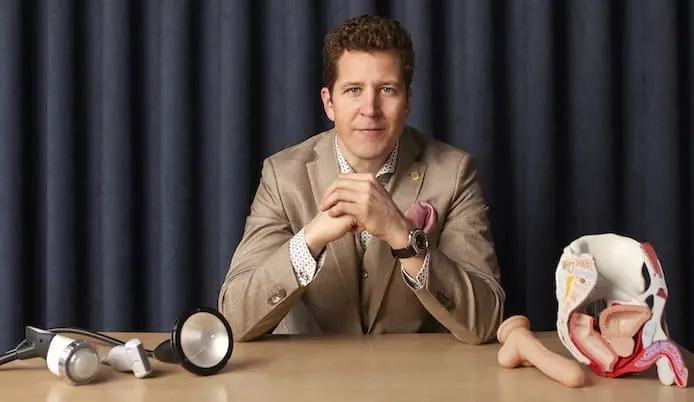
Written and medically reviewed by Michael Strøm
International speaker & expert in shockwave and EMTT treatment for erectile dysfunction, Peyronie’s & CPPS. Read more about me
Hug factors: the strong base for your intimate health
In this article
- What are hug factors – and why are they important for men?
- Why KRAM factors matter so much for erection, pain and urinary tract
- My treatment principle: combination of advanced shockwave & EMTT treatment and KRAM
- KRAM factors in practice – concrete advice that works
- Frequently asked questions about Kram factors
- How does a course with me work?
- Signs that you should act now
- What you get out of working with Hug factors with me
- Take the first step – I’m ready to help
What are hug factors – and why are they important for men?
When I talk about Cramp factors, I mean the four classic pillars: Diet, Smoking, Alcohol and Exercise. In practice, I almost always add Sleep and Stress because these two areas have a major impact on hormones, nervous system and pain conditions. You will therefore often hear me use the terms KRAM or KRAMS.
What matters is this: Your Kram factors directly affect blood vessels, nerves, hormones and muscles in the pelvis. As such, they play a central role in:
- Erectile dysfunction(erectile dysfunction)
- Peyronie’s disease(curvature of the penis)
- Chronic pelvic pain(CPPS) and pudendal nerve involvement
- Incontinence and urinary problems
- Sexual performance, desire and energy
I work with men who have often gone too long alone. Hug factors aren’t “another requirement” on your to-do list – they’re levers I help you turn to give your body and mind the best conditions to heal, perform and thrive. And no, you don’t have to be perfect. Small adjustments can make a surprising difference, especially when combined with targeted treatment.
Why KRAM factors matter so much for erection, pain and urinary tract
Blood vessels, nerves and hormones
Erection is controlled by a delicate interplay between blood flow, nerve signals and hormones (especially testosterone). Hugging factors affect all three:
- Diet and blood sugar: A stable blood sugar and anti-inflammatory diet protects the vessel wall and supports the production of nitric oxide (NO), which dilates the blood vessels in the penis. Nitrate-rich vegetables such as beetroot, rocket and spinach are handy “helpers” for the NO system.
- Smoking and nicotine: Nicotine constricts blood vessels and damages the vessel wall. It affects the penis early on because the vessels are small and sensitive, and can be seen as weaker or shorter erections.
- Alcohol: Too much alcohol inhibits testosterone, sleep quality and nerve conduction – and can cause short-term and long-term problems with erection. A calmer alcohol intake can therefore be felt both in bed and brain.
- Exercise: Exercise improves heart health, blood flow and insulin sensitivity – all strongly linked to erections and energy. Regular heart rate and whole-body strength are a kind of “maintenance” of vessels and nerves.
- Sleep and stress: Good sleep is the body’s hormonal overhaul. Stress and an overactive nervous system increase muscle tension, pain and performance pressure and make it harder to get and maintain an erection.
- Weight and waist circumference: Fat around the abdomen increases inflammation and can lower testosterone. A moderate reduction in waist circumference usually makes a clear difference to libido, stamina and blood pressure.
Pelvic floor and the nervous system’s “alarm button”
In chronic pelvic pain (CPPS) and pudendal problems, I often see an overactive, tense pelvis. A tight pelvic floor can cause anxiety, pain in the penis/scrotum, perineum and around the rectum – and interfere with erection, ejaculation and urination. A few factors can turn down the nervous system’s alarm: better sleep, calm breathing, dosed exercise, less caffeine and alcohol, and targeted pelvic floor training with a focus on relaxation.
I teach you specific relaxation techniques: slow diaphragmatic breathing, pelvic floor release exercises and gentle hip and lower back movements. The goal is not strength from day one, but normal tension and good muscle timing – only then do I build strength.
My treatment principle: combination of advanced shockwave & EMTT treatment and KRAM
I offer a comprehensive program that combines modern diagnostics and treatment with specific Hug factors that fit your everyday life. This gives better and faster results than any “one-off trick”.
Accurate diagnostics: ultrasound scanning and functional assessment
I use ultrasound to assess tissue, blood flow and relevant structures in the penis and pelvis. At the same time, I examine pelvic floor function, posture, breathing and movement patterns. This gives me a clear picture of what’s driving your symptoms – and where I can have the most impact.
If relevant, I also include simple measures of function (e.g. pelvic floor pressure, pain scales and erection quality in everyday life) so you can clearly see how Hug factors and treatment are affecting what matters to you.
Evidence-based treatments that complement KRAM
- Focused sound waves(shockwave): Promotes blood vessel and tissue healing in erectile dysfunction and can support Peyronie’s disease.
- EMTT (electromagnetic transduction therapy): Stimulates tissue repair and reduces pain.
- Neuromodulation: Helps the nervous system “let off the alarm” for chronic pain and pelvic problems.
- Targeted training and relaxation: Individual program for pelvic floor, breathing and body patterns.
Not everyone needs every treatment. I prioritize the few interventions that make the biggest impact for you – and tune them to work with your Hug factors, not against them.
An individual plan you can stick to
I translate KRAM research into concrete actions for you. I aim for realistic, high-impact changes – without blame and without all-or-nothing. The plan is adapted to your family, your work and your energy, and I continuously follow up on pain, function, erection, desire, sleep and energy so you can see the progress.
KRAM factors in practice – concrete advice that works
Diet: eat for blood flow, hormones and body calm
- Basic principle: Think Mediterranean diet. Lots of vegetables (especially green/nitrate-rich ones like spinach, arugula and beetroot), whole grains, legumes, fish/seafood, olive oil, nuts, berries – and limit ultra-processed products and added sugar.
- Protein: Get protein with every meal (e.g. fish, eggs, dairy, lean meat or plant protein). It supports muscle mass, hormones and satiety.
- Fat: Increase healthy fats (olive oil, nuts, avocado) and fish 2-3 times a week for omega-3, which reduces inflammation.
- Blood sugar: Eat regularly and prioritize fiber. Stable blood sugar levels benefit the blood vessels, nerves and energy – especially important for overweight, prediabetes or diabetes.
- Micronutrients: Magnesium, zinc and vitamin D play a role in muscles, nerves and hormones. Focus on food first; supplementation can be relevant, but is rarely the whole solution.
- Peyronies: Anti-inflammatory diet and weight management can support treatment. I advise against relying on “miracle supplements” alone – the evidence is weak. I use diet and KRAM to support active treatment.
One practical approach is to make it easy to make the right choices: always have vegetables, whole grains and a protein source ready in the fridge. Small, prepared choices in everyday life make a big difference over time.
Smoking and nicotine: small vessels, big effect
- Nicotine constricts blood vessels and reduces erectile function. Already after a few weeks without nicotine, improvements in blood vessel function can be seen.
- Smoking also increases the risk of Peyronie’s and delays tissue healing.
- E-cigarettes and snus also contain nicotine and can affect the vessels. The goal is to reduce the overall nicotine load.
- Realistic strategy: Reducing or quitting can be done in steps. Nicotine replacement, habit kickers and clear “critical times” during the day can make it significantly easier. I’ll help you with a plan that works in everyday life.
Alcohol: find the zone where the body cooperates
- Large amounts of alcohol worsen erection, sleep, testosterone and pain.
- Guidelines: Stay within a maximum of 10 drinks per week and a maximum of 4 on the same day. Many people get a real effect by going lower – especially in the first 8-12 weeks of a treatment program.
- Small steps: alcohol-free days, low-alcohol choices and a clear plan for social situations. You don’t have to go into isolation to get results.
- Make it measurable: Write down your items for a week or two. Visibility makes it easier to adjust – without guilt.
Exercise: strengthen blood vessels and nervous system – without triggering pain
- Minimum recommendation: 150 minutes of moderate cardio per week + 2 strength sessions. It’s gold for blood pressure, blood vessels, insulin balance and erection.
- For CPPS/pelvic pain: Dose. Frequent, shorter sessions rather than hard “blowouts” that can provoke pain. Walking, cycling and swimming are often good. Heavy lifting and deep squats may require adjustment for a period of time.
- Pelvic floor: Many people with pain have an overactive pelvic floor. Here I first work on relaxation, breathing and body awareness – not classic “kegels”. Once the tension is normalized, I build strength and endurance.
- Erectile dysfunction: Fitness training and full body strength improves endothelial function (the ability of the vessel wall to expand) and can be clearly felt on erection and energy.
I create a program that respects your symptoms and your starting point. You should be able to wake up the next day and think “I can do this again” – then we’re on the right track.
Sleep: the forgotten anabolic switch
- 7-9 hours per night, as regularly as possible. Good sleep increases testosterone, lowers pain sensitivity and reduces stress.
- Quick fixes: Fixed bedtime, cool dark bedroom, less screen/light for the last 60-90 minutes, and moderate caffeine (stop 6-8 hours before bedtime).
- Snoring/sleep apnea? Signs are restlessness, daytime fatigue, morning headaches. Here I advise you to talk to your own doctor about an examination, as untreated sleep apnea affects erection, blood pressure and heart health.
A simple habit is to do a short “runway” before bed: dim lights, remove screens and do 5 minutes of quiet breathing (4-4-4-4-4). It’s free, convenient and works amazingly well.
Stress: from alert to control
- Chronic stress exacerbates pain, puts pressure on erections and drains desire. The goal is not zero stress – but effective regulation.
- Tools: Calm diaphragmatic breathing, short breaks, realistic exercise dosing, simple sleep habits and structure in everyday life. Psychosexual strategies can reduce performance pressure and anxiety.
I give you a few clear routines that you can fit in between work and family life. When the body feels safe again, the alarm level drops – and you’ll feel it in pain, erection and energy.
Frequently asked questions about Kram factors
Are KRAM factors enough to solve erectile dysfunction?
For some men: yes. For many: no, not alone – but KRAM almost always makes treatment more effective. I combine KRAM with focused sound waves, EMTT, neuromodulation and targeted training. That combination produces results that last.
How soon can I notice a difference?
- Travel: 2-8 weeks for initial changes, depending on starting point and effort.
- Pain: Often more fluctuating at first, but with a clear trend over 4-8 weeks when I hit the causes.
- Sleep/energy: Often faster – within 1-2 weeks with the right approach.
I have diabetes/high blood pressure – does KRAM still make sense?
Actually, even more so. Stable blood sugar, weight management, exercise and smoking cessation are key for erectile dysfunction and pelvic pain in men with metabolic or cardiovascular challenges. I will guide you on which blood tests and measurements may be relevant to discuss with your GP (e.g. HbA1c, lipids, blood pressure, testosterone) if I think it is useful for your treatment.
Which supplements help?
I recommend optimizing diet and sleep first. Some may benefit from vitamin D, magnesium or omega-3 if the diet is sparse – but supplements cannot replace KRAM or targeted treatment. “Quick” erection supplements rarely live up to their promises. I’ll make a decision together with you, based on your situation.
Should I skip coffee?
Not necessarily. 1-3 cups a day is often fine. For sleep problems, anxiety or CPPS, reducing the amount and stopping caffeine 6-8 hours before bedtime can help.
What about porn and performance anxiety?
If the brain is used to strong and frequent digital stimulation, real-life response can become sluggish. A period of pause or throttling can reset the system. Combined with sleep, stress regulation and gradual exposure, many experience better desire, erection and presence. I provide concrete, down-to-earth strategies – without moralizing.
Can I train hard if I have Peyronies or CPPS?
Often yes – but wisely dosed. For Peyronies, I avoid direct tissue trauma; for CPPS, I steer away from exercises that provoke the pelvis and start with relaxation and gradual build-up. I help you with a plan that both respects the symptoms and builds strength.
How does a course with me work?
- Conversation and goals: I clarify your symptoms, concerns and wishes together with you. Intimate topics are welcome – I meet you without taboos.
- Advanced assessment: Ultrasound scan, functional examination and assessment of pelvic floor, breathing and nervous system.
- Treatment plan: I combine focused sound waves, EMTT, neuromodulation and relevant exercises with a simple KRAM plan you can follow.
- Follow-up: I adjust according to your data and experiences. You get clear benchmarks so you can see the progress.
- Further path: If further investigation is needed, I will guide you on how to talk to your GP about relevant tests or blood tests.
Signs that you should act now
- Travel has become weaker or unstable in recent months.
- You experience curvature, kinking or pain in the penis (suspected Peyronie’s).
- You have burning, grinding or stabbing pain in the pelvis, scrotum or around the rectum – or a “lump” sensation in the rectum.
- Urination has become more difficult, frequent or you are leaking.
- Fatigue is heavy, desire is low and you sleep poorly.
- You smoke, drink more than you really want to, or your weight/blood sugar is off.
Neither makes you “weak”. They are signals. When you act now and I help you in a targeted way, the prognosis is much better – and you avoid months or years of unnecessary uncertainty.
What you get out of working with Hug factors with me
- Clarity: Which changes will have the most impact for you – without diet religion and without shame.
- Momentum: Treatments that accelerate your body’s ability to heal and perform.
- Security: A process that respects your reality, your limits and your goals.
- Results: Better erections, less pain, calmer urination, more energy – and a plan you can stick to.
Take the first step – I’m ready to help
If you feel the Kram factors need an overhaul, or if you have erectile, pelvic or urinary symptoms, book an appointment. I’ll help you safely and concretely – with a combination of evidence-based treatment, accurate diagnostics and a KRAM plan that fits your life.
You don’t have to have it all figured out before you come. That’s exactly what I’m here for. I help you get started so you can get your body and your manhood back. The clinic is located in Copenhagen and I have clients from all over Zealand and the rest of Denmark.
If you are interested in hearing more about how I can help you, you are always welcome to contact me by phone 41 40 08 58 or email michael@msinsight.dk. I’ll get back to you quickly with a customized proposal so we can find the best way forward together.
Would you like a specialist assessment of your situation?
You don’t have to figure it out alone. Call directly or write a few lines about your symptoms – I’ll get back to you within 12-24 hours with a concrete suggestion for the next step.