

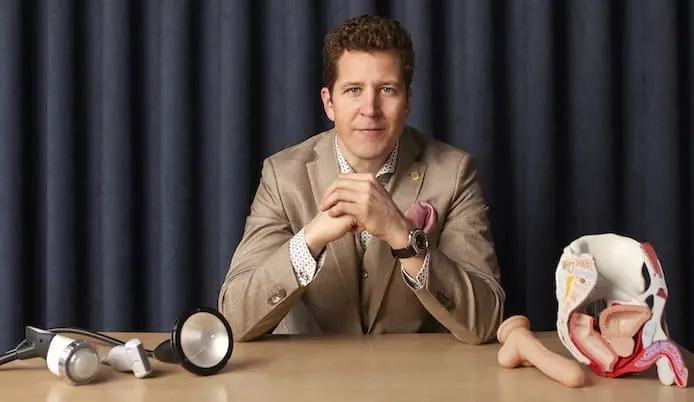
Michael Strøm
International expert in shockwave and EMTT treatment for erectile dysfunction and peyronies.
Blood pressure medication can cause erectile dysfunction, I often see this in the clinic.
Erectile dysfunction from blood pressure medication, also known as impotence, affects many men, especially with age. But it is far from always a result of old age alone.
An often overlooked cause of erectile dysfunction is side effects from different types of medication. And I often see that many men don’t realize that erectile dysfunction can be a potential side effect of medication due to a huge taboo about sexuality.
Erection is a complex process involving the nervous system, blood vessels, hormones and psychological factors. When you take medication that affects one or more of these components, the result can be erectile dysfunction.
Many men take medication for chronic conditions on a daily basis, and several of these medications can affect the ability to get or maintain an erection. Especially medications for mental disorders or blood pressure medications are major culprits when it comes to erectile dysfunction.
Erectile dysfunction medications, the common ones
On this page, I go through some of the most common types of medications that can cause erectile dysfunction - including blood pressure medications, antidepressants and hormones - and what you as a man can do about it.
Some medications directly affect blood flow to the penis, while others affect libido (sexual desire), nerve signals or the body’s general response to sexual stimulation.
It is important to remember that the medication you have been prescribed is given for a reason. Therefore, you should not adjust your medication or dose without consulting the doctor who prescribed it for you.
Antidepressants and psychotropics Erectile dysfunction
Depression and anxiety in themselves can lead to decreased sex drive and erectile dysfunction regardless of age, but ironically, the treatment of these conditions is often part of the problem unfortunately. And with the overall reduced well-being in Danish society, these types of medications are being used more frequently. Which affects the nervous system’s impact on erection.
SSRIs (selective serotonin reuptake inhibitors, e.g. sertraline, citalopram, escitalopram)
SSRIs are among the most commonly prescribed antidepressants. They work by increasing the level of serotonin in the brain, which improves mood. But serotonin also suppresses sexual desire and orgasm. Unfortunately, many men on SSRIs experience decreased desire, delayed or absent ejaculation and erectile dysfunction.
TCAs (tricyclic antidepressants, e.g. amitriptyline, nortriptyline)
These older medications can cause many side effects, including sexual ones. They affect both serotonin and noradrenaline and can disrupt the autonomic nervous system, which is central to the erection mechanism. Fortunately, we don’t see them as much today as we used to.
Antipsychotics (e.g. risperidone, olanzapine)
These drugs can reduce dopamine activity, which is very important for desire and pleasure - also sexually. They can also increase prolactin levels, which can inhibit T-production and thus negatively affect potency.
Do you need help?
Briefly describe your situation – I will get back to you within 12–24 hours with a suggested treatment plan. You are also welcome to call 41 40 08 58.
Other medications and erectile dysfunction
Statins and cholesterol-lowering drugs erectile dysfunction
In relation to cholesterol medication, there is some conflicting research in the field of erectile dysfunction. Some studies suggest that statins (e.g. simvastatin, atorvastatin) can improve erections by improving blood vessel function, while others report slightly decreased libido as a side effect. This is also often given in combination with blood pressure medication
In the clinic, I often see that clients with a lower dose get a reasonable effect in terms of erectile function. Whereas those on very high doses experience severe erectile dysfunction.
Opioids (e.g. morphine, tramadol)
Long-term use can inhibit pituitary and nervous system function. This can lead to decreased and disappeared desire, as well as more severe erectile dysfunction.
Antiandrogens (e.g. finasteride, dutasteride)
These are often used to treat enlarged prostate and hair loss. They inhibit the conversion of male sex hormone to the more potent DHT, which can lead to decreased libido and erectile dysfunction - sometimes permanently. Overall, we still lack an understanding of why the side effect profile is so mixed.
For some, they never experience any problems, while others lose their erection completely. Here I have good experience with shockwave and EMTT treatment to restore function by improving circulation in the area.
Antihistamines and allergy medications
Some older types of antihistamines (e.g. diphenhydramine) can cause lethargy and affect the nervous system, in some cases inhibiting sexual function. This will often be a short-term effect.
What can you do about erectile dysfunction blood pressure medication side effects?
If you experience erectile dysfunction with blood pressure medication, it’s important not to stop treatment on your own. Talk to your doctor, there may be alternative medication solutions with fewer side effects.
In some cases, the medication can be adjusted, replaced or combined with erectile dysfunction treatments such as PDE5 inhibitors/potency pills - but these also require medical assessment, especially if you are already taking blood pressure lowering medication.
But the most important thing you should do is to look at lifestyle changes, and there is a well-documented effect.
It can be weight loss, changing dietary habits, exercise, quitting smoking and reducing alcohol - which can improve both blood pressure and potency. And something I see a very beneficial effect on is reducing stress and increasing sleep.
In the clinic, I offer counseling for lifestyle changes, as well as effective shockwave and EMTT treatments that work with both the circulatory and nervous systems. A treatment that can reduce some of the negative side effects of erectile dysfunction caused by medication.
Get a no-obligation consultation about erectile dysfunction and erectile dysfunction medication today
If you are interested in hearing more about how we can help you, you are always welcome to contact us by phone: 41 40 08 58 or email: michael@msinsight.dk. Otherwise, you can fill out the contact form with your details and a brief description of your problem. I'll get back to you quickly with a customized proposal for a solution so we can find the best way forward together.