

Written and medically reviewed by Michael Strøm
International speaker & expert in shockwave and EMTT treatment for erectile dysfunction, Peyronie’s & CPPS. Read more about me
Why Are Erectile Dysfunction and Diabetes So Common?
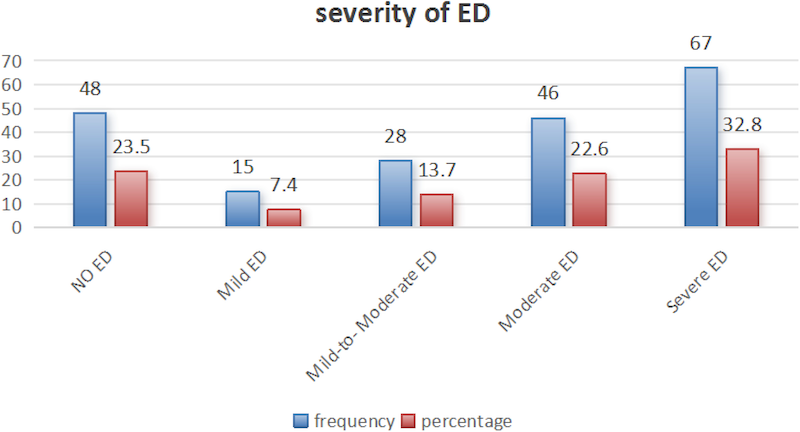
More than half of Danish men with diabetes will experience varying degrees of erectile dysfunction and impotence. The risk is significantly higher if blood sugar has been poorly controlled and has remained at high levels for an extended period of time. Uncontrolled blood sugar also contributes to an increased risk of complex cases of Peyronie’s disease.
Studies show that the risk of erectile dysfunction and impotence in men with diabetes is three times higher than in men without diabetes. In addition, studies also show that up to 75% of men with diabetes experience impotence. At my clinic, I have extensive experience helping men with diabetes regain their erections and sex lives using shockwave and Magnetolith EMTT treatments.
In this article
- But why does diabetes cause impotence and a poor sex life?
- How can nerve damage caused by type 2 diabetes lead to impotence or erectile dysfunction?
- Psychological Consequences of Erectile Dysfunction in Diabetes: Guilt, Shame, and Low Self-Esteem
- Is there a difference between type 1 vs. type 2 diabetes and impotence?
But why does diabetes cause impotence and a poor sex life?
An erection is the result of a complex interaction between the nervous system, hormones, and blood vessels. An erection begins with desire and stimulation, which send signals from the brain down to the nerves in the penis, causing blood to flow freely and resulting in an erection.
This does not happen with diabetes-related impotence. In diabetes, high glucose/blood sugar levels often cause damage to nerve tissue and blood vessels. This damage begins primarily in the hands and feet, but also affects the organs. And this is where penile function comes into play. At the same time, diabetes affects hormonal balance, causing levels of the male sex hormone testosterone to decline, which can lead to erectile dysfunction in people with diabetes.
Blood Vessel Damage in Type 2 Diabetes-Related Erectile Dysfunction: When Does Blood Flow Fail?
In order to achieve a strong erection, a series of different signaling molecules must be released, causing the blood vessels in the penis to dilate and fill with blood. In people with diabetes, the inner lining of the blood vessels—known as the endothelium—is often damaged. Persistent hyperglycemia (elevated blood sugar) can lead to oxidative stress and inflammation in the tissue, which impairs the blood vessels’ ability to relax and dilate. The vessel wall becomes stiff and less elastic, resulting in reduced blood flow.
This has a major impact on a blood vessel that is only 1 mm in diameter. As a result, as a person with diabetes, you may experience a weak erection or an inability to achieve an erection during sexual activity. This damage isn’t limited to the penis; it also affects the eyes, kidneys, and heart. That’s why erectile dysfunction is often one of the earliest indicators that diabetes is beginning to affect the body systemically. That’s why you should take these symptoms seriously.
How can nerve damage caused by type 2 diabetes lead to impotence or erectile dysfunction?
A good erection begins with a signal from the brain. The signal is transmitted via the spinal cord and the peripheral nerves down to the penis. However, due to diabetes, the nerve fibers can be damaged by consistently high blood sugar levels, causing the signal to be reduced and weakened. This is also known as peripheral neuropathy, or , in Danish, nerve damage in the outermost parts of the body.
A very common—and, unfortunately, frequent and extremely bothersome—complication of diabetes. When the nerves that control erections lose their function, the response to sexual stimulation is diminished.
Usually, people just don’t talk about how diabetes affects the penis and sex life—only the hands and feet. But some of the symptoms that can occur with diabetes-related erectile dysfunction are
- Reduced sensitivity in the penis
- Slower response
- Inability to achieve an erection.
- Absence of morning erections
Psychological Consequences of Erectile Dysfunction in Diabetes: Guilt, Shame, and Low Self-Esteem
Erectile dysfunction caused by diabetes affects more than just a man’s physical health. It impacts his self-esteem and sense of identity. Many men with diabetes experience a strong sense of guilt that their health has reached a point where it causes erectile dysfunction and an inability to maintain an erection, preventing them from performing sexually with their partner. And whether their partner understands how they feel when they experience erectile dysfunction as a result of type 2 or type 1 diabetes. Furthermore, the fear of failure can often lead to performance anxiety, which in itself inhibits the physiological mechanisms of erection in relation to signals from the nervous system. Stress and psychological strain also increase cortisol levels, which inhibit hormone production. These various physical and psychological factors are why erectile dysfunction can be quite complex. It requires a thorough evaluation and support to find the right solution. I can effectively help you with this at the clinic.
When Should You Take Diabetes-Related Impotence and Erectile Dysfunction Seriously?
Many men who don’t yet know they have diabetes ignore the early signs. This may stem from a classic fear of acknowledging that their bodies are changing, or because they believe it’s simply a result of aging. But erectile dysfunction is never something that should simply be accepted or ignored. It’s a sign that something is happening in your body that you should be aware of. If you experience the following issues persisting over the course of 3–6 months, you should take action and seek help:
- Absence or inability to achieve an erection
- Fewer morning erections
- Reduced sensitivity in the penis
- It takes more and more stimulation to achieve an erection
- Loss of sex drive
This is because it may be linked to undiagnosed cardiovascular disease, diabetes, neuropathy, and androgen imbalances. Treating erectile dysfunction and diabetes requires a holistic approach based on many of the factors mentioned earlier in this article or in “15 Causes of Erectile Dysfunction.” When treating erectile dysfunction (ED) in people with diabetes, it’s important to find a solution that works long-term—not just for a few months at a time. I can help you with that at the clinic.
Is there a difference between type 1 vs. type 2 diabetes and impotence?
Both type 1 and type 2 diabetes can lead to erectile dysfunction and impotence. However, there is often a significant difference in when and how the symptoms of erectile dysfunction and impotence appear.
Type 1 diabetes most often affects young men and is usually diagnosed early in life. The risk of erectile dysfunction and diabetes-related impotence increases over time and depends on how stable blood sugar levels are.
Type 2 diabetes is often associated with an unhealthy lifestyle over time. This is accompanied by increasing problems with obesity, metabolic syndrome, and hormonal imbalances—all of which increase the risk of impotence and erectile dysfunction.
What does the latest research say about diabetes and impotence/erection problems?
The European Association of Urologists’ guidelines on sexual health recommend that all men with erectile dysfunction be screened for diabetes, and vice versa. At the same time, they also recommend shockwave therapy to increase blood flow and sexual function, resulting in strong, firm erections. It is also important to focus on lifestyle changes. In particular, this involves starting with weight loss through increased physical activity and improving blood sugar control. This has a documented effect on erectile dysfunction in men with type 2 diabetes. Several clinical studies also show that even moderate weight loss of 5–10% can improve both erectile function and hormonal balance.
What should you do if you’re experiencing erectile dysfunction and have diabetes?
This article is not intended to provide you with a diagnosis, but to raise awareness about the factors that play a role in the relationship between diabetes and erectile dysfunction. If you’ve been experiencing erectile dysfunction for more than 3 months, this is a sign that should be taken seriously. If you’re unsure, feel free to contact me for advice and guidance on next steps and ED treatment.
Would you like a specialist assessment of your situation?
You don’t have to figure it out alone. Call directly or write a few lines about your symptoms – I’ll get back to you within 12-24 hours with a concrete suggestion for the next step.