

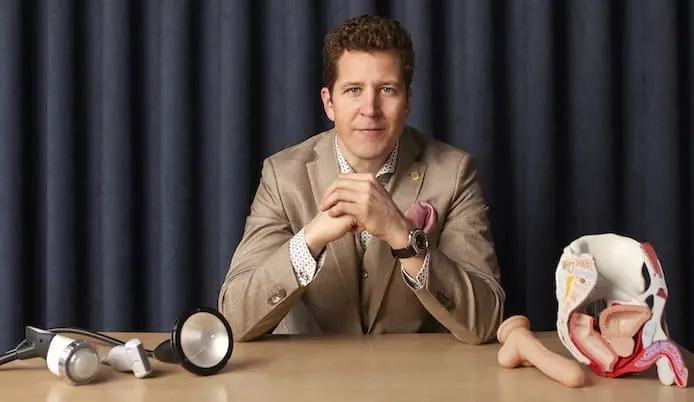
Written and medically reviewed by Michael Strøm
International speaker & expert in shockwave and EMTT treatment for erectile dysfunction, Peyronie’s & CPPS. Read more about me
Enlarged prostate: understand the symptoms – and gain peace, strength and better function
In this article
- What is enlarged prostate (BPH)?
- Symptoms of enlarged prostate (LUTS)
- Enlarged prostate, pelvic pain and pudendal nerve
- When should you seek emergency help?
- How I research and assess at MS Insight
- Treatment options – from lifestyle to specialized interventions
- Frequently asked questions about enlarged prostate
- Why you should choose MS Insight
- Take the first step – contact me
What is enlarged prostate (BPH)?
Enlarged prostate – also called benign prostatic hyperplasia (BPH) – is a common, age-related enlargement of the prostate gland. The prostate lies below the bladder and encloses the first part of the urethra. As the gland grows, it can squeeze the urethra and interfere with urination, pelvic comfort and sexual function. I see men at all stages of life with this issue, often combined with erectile dysfunction, pelvic pain or prostate cancer concerns. My job is to create calm, clarity and a concrete plan – without taboos.
The role of the prostate – and what happens with age
The prostate produces fluid for semen. With age, hormones (especially DHT, an active testosterone derivative) affect the gland’s growth. This enlargement can cause two types of “resistance” in the urethra: a mechanical component (the size of the gland itself) and a dynamic component (increased tension in smooth muscle and nerve reflexes). Both can be influenced – partly by behavior and medication, partly by working with the pelvic floor, nervous system and lifestyle. This explains why two men with the same prostate size can have very different symptoms – and why targeted intervention often provides noticeable relief.
Is an enlarged prostate dangerous?
An enlarged prostate is not cancer per se. It is a benign condition. However, the symptoms can be significant and affect quality of life. And some warning signs (such as blood in the urine or urinary retention) require urgent medical assessment. I’ll help you distinguish between the harmless and the urgent – and we’ll always include your own doctor or urologist when appropriate. Untreated and severe urinary problems can eventually strain the bladder and cause frequent infections, so it pays to get clarity in time.
Symptoms of enlarged prostate (LUTS)
Many men describe “LUTS” – Lower Urinary Tract Symptoms. They are typically divided into voiding and storage symptoms. You may have few or many of them, and they can fluctuate throughout the day. I often recommend a short urination and fluid diary over 2-3 days; it gives a clear picture of frequency, amounts and night-time urination and makes it easier to get the treatment right.
Emptying symptoms
- Weak or interrupted urine stream
- Difficulty starting (you have to “wait for the beam”)
- After-drip and feeling that the bladder is not emptying completely
- Need to push when urinating
Storage symptoms
- Frequent urination (day and night)
- Sudden and strong urge to urinate
- Nocturia (urinating at night one or more times)
- Involuntary urination (incontinence) with strong urges
Sexual symptoms and impact on erection
For many, an enlarged prostate goes hand in hand with erectile dysfunction. This is due to several things: common risk factors (age, cardiovascular, metabolic health), increased sympathetic “alertness” in the pelvis, side effects of medication – and nighttime awakenings, pain and restlessness drain your energy. The good news is that when I help you specifically improve urination patterns, sleep and pelvic function, I often see a positive effect on sexual function. PDE5 inhibitors (e.g. tadalafil in low doses) can in some cases help both urinary symptoms and erection – I will discuss this with your doctor. Some medications can alter ejaculation (e.g. retrograde ejaculation); I’ll discuss this with you so you know what to expect – without any unpleasant surprises.
Enlarged prostate, pelvic pain and pudendal nerve
Not all symptoms stem only from the size of the prostate itself. An overactive or tense pelvic floor can increase difficulty urinating and cause pain in the perineum, testicles, penis root, abdomen or lower back. The pudendal nerve, which supplies the pelvic muscles and skin, can become irritated by prolonged tension, cycling or sedentary work – and this can cause burning, grinding or stabbing pain, as well as emotional disturbances. I often find that conscious breathing, perineal relief and better posture quickly calm the irritation and reduce cravings.
Overactive pelvic floor or mechanical pinching?
It’s important to distinguish: Is it primarily the “tube” that is narrow (BPH), or is the pelvic floor too tense and uncoordinated? Often it’s a combination. That’s why I examine both anatomy and function. When I address muscle tension, nerve irritation and breathing with you, urine flow and pain can improve – even if the prostate is enlarged. And no, more “squeeze training” isn’t always the answer; often it’s about getting the muscles to release correctly and in the right timing.
When should you seek emergency help?
- Sudden stop of urination (acute urinary retention)
- Visible blood in the urine, especially with clots
- Fever, chills and abdominal pain (suspected infection/prostatitis)
- Severe, recent weight loss, bone pain or general malaise
If you experience any of the above, contact your doctor or emergency room immediately. You are always welcome to call me and I will guide you further.
How I research and assess at MS Insight
I offer a thorough, safe and respectful assessment at the clinic in Copenhagen. The goal is to create an overview, clarify causes and make a concrete plan that makes sense in your everyday life. I explain findings and options along the way, so you leave with peace of mind and ready to take the next step.
Ultrasound scan and functional tests
- Bladder ultrasound before/after urination to assess residual urine (signs of blockages)
- Prostate size estimate and tissue assessment (depending on conditions; I refer to urological ultrasound/MR if needed)
- Assessment of penile blood flow in penile erectile dysfunction
I combine ultrasound with simple functional tests such as flow, breathing pattern and pelvic floor timing. A flow can reveal whether the pattern looks like mechanical pinching, poor coordination – or both – and this makes treatment more precise.
Functional examination of the pelvic floor
I examine the level of pelvic floor tension and coordination. Many people benefit from targeted training to get the muscles to release properly, not just “squeeze”. I use simple biofeedback techniques and breathing exercises so you feel the difference in your body. I go through exercises that fit your symptoms – and that you can actually do.
Treatment options – from lifestyle to specialized interventions
Treatment depends on symptom severity, health and preferences. I’ll build a plan with you step by step for quick relief and long-term effects. For some, watchful waiting with close follow-up is right; for others, targeted lifestyle, pelvic floor and medication provide the best balance.
Personal effort and habits that make a difference
- Hydration habits: Drink evenly throughout the day, cut down on evening drinks, especially alcohol and caffeine.
- Caffeine, alcohol and spicy foods can irritate the bladder – try a structured reduction and evaluate the effect.
- Exercise and weight loss: Even moderate weight loss and daily movement can reduce symptoms.
- Sleep and stress: Better sleep reduces nocturia and improves erectile function. I work with sleep hygiene and calming the nervous system.
- Toilet habits: Take your time, double flush if needed, avoid pushing hard.
- Cycling and sedentary: Vary pressure on the perineum, use correct saddle, take breaks.
- Pelvic floor training with a focus on relaxation and timing – not just kegels.
- Timed urination and bladder training: Schedule breaks so the urge doesn’t rule everything – it calms the system.
- Prevent constipation: Fiber, fluids and regular movement; a hard stomach increases pressure on the bladder and pelvic floor.
- Be aware of OTC medications: Some cold/allergy remedies can worsen symptoms; discuss alternatives with me or your doctor.
What I offer in the clinic – targeted to your symptoms
- Neuromodulation: Gentle, non-invasive stimulation to reduce bladder urgency, calm pelvic nerves and improve coordination (inspired by evidence from peripheral and sacral neuromodulation). Used especially for urgency, frequent urination and pain.
- Pelvic floor training and relaxation: Personalized program that addresses both strength and release – important for voiding problems and pain.
- Shockwave therapy: Evidence-based for vascular erectile dysfunction and chronic pelvic pain (CPPS). Can improve blood flow and reduce myofascial trigger points. Shockwave is not a standard treatment for enlarged prostate per se, but can help when ED or CPPS is part of the picture.
- EMTT (electromagnetic transduction therapy): Can support healing and reduce muscle and fascial tension in the pelvic region as part of an overall program.
- Ultrasound-based monitoring: I track residual urine, bladder function and your symptoms over time so you can see progress in black and white.
- Lifestyle advice: Concrete, realistic actions on diet, sleep, alcohol/caffeine, exercise and stress that shift symptoms.
The entire process is customized. You’ll have a plan you can act on after your first consultation.
Frequently asked questions about enlarged prostate
Is enlarged prostate the same as prostate cancer?
Answer. Enlarged prostate (BPH) is benign. Symptoms may be similar to other conditions, so I recommend PSA via your doctor, clinical examination and possibly imaging to differentiate. I will work with your doctor or urologist if suspected.
Do I always need surgery?
No, they don’t. Many people manage with lifestyle, pelvic floor exercises and medication. Surgery or minimally invasive procedures are for those with severe symptoms or where the bladder is not emptying properly.
Does coffee and alcohol make symptoms worse?
Often yes. Both can irritate the bladder and increase nighttime urination. A structured reduction over a period of time is a good test to see what really affects your symptoms the most.
Can an enlarged prostate cause pain?
BPH itself typically causes pressure and discomfort rather than severe pain. Many perineal and lower abdominal pains are due to pelvic floor tension and nerve irritation (CPPS/pudendus). I often treat this with good results.
Does it affect your sex life?
Yes, both directly and indirectly. Frequent visits to the toilet, poor sleep and worry can lower desire and worsen erection. Certain medications can also affect ejaculation and erection. I’ll make a plan to get your sexuality back on track.
Do supplements like saw palmetto help?
The evidence is mixed and mostly weak. Some experience mild relief, others do not. I recommend that you do not replace proven measures with supplements. I am happy to discuss this as a supplement.
Can I ride my bike?
Yes, but adjust saddle and pressure. Use a carved saddle, change position and take breaks. For perineal pain, I adjust the load and work with relaxation.
Can symptoms vary from day to day?
Yes, you can. Fluid intake, sleep, stress, diet and temperature all come into play. Therefore, you get both “quick fixes” (what you can do today) and long-term interventions that move the curve over time.
Does an enlarged prostate cause blood in the urine?
It can occur with irritation of the gland or after exertion, but blood in the urine should always be checked by a doctor.
Does an enlarged prostate affect fertility?
Not directly. But certain treatments can affect ejaculation. If you have fertility wishes, I will take this into account when choosing a treatment.
Why you should choose MS Insight
Specializing in men’s intimate health
I work daily with enlarged prostate, erectile dysfunction, Peyronie’s disease, incontinence and chronic pelvic pain. I know that it takes both professional precision and human understanding to reach the goal.
Confidence, clarity and plan from the first visit
You’ll get a thorough conversation, a targeted ultrasound examination, a clear explanation and a realistic plan. I follow up, measure the effect and adjust so you feel the progression.
Take the first step – contact me
An enlarged prostate shouldn’t control your everyday life, your sleep or your sex life. If you’re not sure what’s wrong, or you’ve tried “everything” without lasting effect, let me help you. Contact me today for a no-obligation consultation or book an appointment at the clinic. The goal is for you to quickly feel less anxiety, better flow and more energy – with the professionalism and respect you deserve.
If you are interested in hearing more about how I can help you, you are always welcome to contact me by phone 41 40 08 58 or email michael@msinsight.dk. I’ll get back to you quickly with a customized proposal so we can find the best way forward together.
Would you like a specialist assessment of your situation?
You don’t have to figure it out alone. Call directly or write a few lines about your symptoms – I’ll get back to you within 12-24 hours with a concrete suggestion for the next step.