

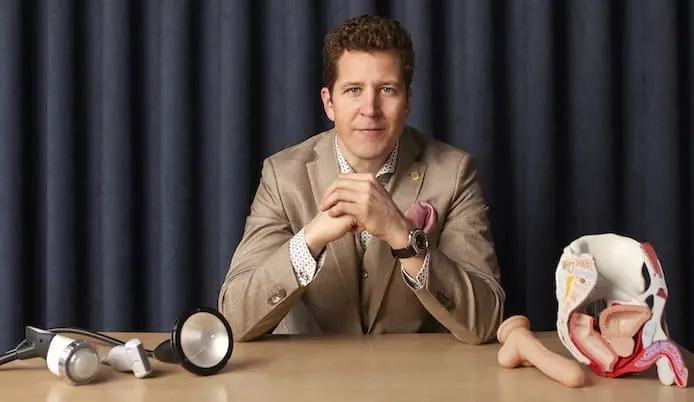
Written and medically reviewed by Michael Strøm
International speaker & expert in shockwave and EMTT treatment for erectile dysfunction, Peyronie’s & CPPS. Read more about me
Autism and sexuality: understand the differences – and get concrete help with body, desire and performance
Autism and sexuality – what am I talking about?
When I talk about “Autism and sexuality”, it’s about how the brain, senses and body interact in intimate situations. Autistic men can have a different sensory and social starting point – and this often affects desire, erection, ejaculation, pelvic pain and overall sexual well-being. It’s not a fault in you. It’s differences in the nervous system that require a targeted, respectful and concrete approach.
- struggle with erectile dysfunction (erectile dysfunction) or fluctuating erections
- experiencing pain in the penis, testicles or pelvis (CPPS) – especially when touched or after sex
- ejaculate too quickly, too slowly or not at all
- feel overstimulation (sound, light, touch, smell) and lose desire or focus
- Get caught up in performance pressures, routines or performance scripts that drain enjoyment
- have Peyronie’s disease (curvature and scar tissue in the penis) that makes sex difficult or painful
- Struggling with incontinence or after-drips that cause insecurity
I also see strengths that are often underestimated: honesty, focus, depth of interest and attention to detail. I can help you translate these qualities into confidence, clear communication and more stable enjoyment – without you having to change yourself.
Typical challenges of autism and sexuality
- Sensory sensitivity: Touch can feel too rough, too light or “wrong”. Small changes in temperature, surface, scent or sounds can interfere with pleasure or erection.
- Interoception: Many people describe that it is difficult to notice bodily signals clearly – such as desire, excitement or pain – before it becomes “too much”.
- Routine needs and predictability: Unforeseen changes can create stress and make it difficult to maintain an erection.
- Social effort: Small talk, glances, signals and interpreting your partner’s wishes can be draining and cause performance anxiety.
- Overfocus/hyperfocus: Thoughts can get caught up in details (e.g. “am I functioning?”), taking focus away from enjoyment and bodily sensations.
- Medication and sleep: SSRIs and other psychotropic drugs can affect libido, erection and ejaculation. In addition, sleep deprivation, stress and irregular routines take a toll on sexual function.
These are patterns, not character flaws. When I help you create predictability and control of sensations, the nervous system often calms down. From there, we can adjust specific factors such as touch, pace, positions and pauses – so your body reacts more steadily and you can be present in the pleasure again.
Why do erectile dysfunction, pain and performance problems occur?
An erection requires a calm nervous system, well-functioning blood vessels, elastic tissue and an interplay between hormones, brain and pelvic floor. In autism, I often see a combination of:
- Increased tension in the body (nervous system is “on edge”)
- Overactive pelvic floor (muscles that tense up and hold on)
- Sensory overstimulation that makes it hard to stay in pleasure
- drug side effects that decrease desire or inhibit erection/ ejaculation
- underlying issues such as Peyronie’s disease, pudendus irritation or blood vessel weakness
It’s the sum of small loads that tip the balance. I explain the mechanisms in language that makes sense and I test what can be tested – so we know what we are aiming for. All this can be investigated and addressed systematically, calmly and without shame.
Pelvic floor, pudendal nerve and chronic pelvic pain (CPPS)
A tight or overactive pelvic floor can cause:
- pain in the penis, scrotum, perineum or abdomen
- burning after sex or ejaculation
- difficulty starting or holding urine
- erectile dysfunction because muscle tension inhibits blood flow
The pudendal nerve, which supplies the genital area, can be irritable or hypersensitive. It can feel like pins and needles, pressure or burning pain, and it creates insecurity in the body. When I help you manage patterns of tension and calm nerve irritation, I free up energy for pleasure and a more stable erection. I use gentle techniques, gradual exposure to touch and precise guidance to help you regain control in a safe way.
Porn, routines and pressure of expectations
Porn and regular masturbation patterns can provide strong, predictable stimuli that the brain gets used to. This can make partnered sex more “unstable” and less predictable, increasing performance pressure. I don’t judge – I help you adjust habits, pace, stimuli and expectations so your body can respond naturally with a partner again.
I often start with small changes: varying grip, rhythm and positions, lowering intensity slightly, switching to lower stimulus content, or introducing ‘pause markers’ where you consciously shift focus to breath and body. The goal is not abstinence, but to train the brain to tolerate more varied input – so that enjoyment follows, even when the setting is new.
Communication, consent and setting the pace
Many autistic men thrive when the frame is clear:
- Agree structure and signals with your partner in advance
- use clear words for “more”, “less”, “pause”
- Plan the sensory environment (light, sound, temperature, scent, textiles)
- Leave room for breaks and aftercare (water, rest, heaviness/heat)
It’s not “unsexy” – it’s smart. Predictability creates safety, and safety is the foundation for enjoyment and performance. Consent is an ongoing dialog, not a one-time approval. When you dare to be clear about pace and desires, many people find that enjoyment actually increases – because their minds calm down.
In this article
How I help in the clinic
First consultation: calm, structure and predictability
I start with a conversation at a calm pace where your goals are at the center. You get clear expectations for the course and I summarize in writing so you have an overview at home. You set the boundaries and pace – also for surveys. I use specific questions and possibly short questionnaires to map symptoms, sensory patterns and habits. You can always ask for breaks and you get clear ‘next steps’ so you know what you can do already after the first visit.
Advanced diagnostics: ultrasound scanning and targeted assessment
What I offer:
- Ultrasound scan of the penis and surrounding tissue to assess blood flow, elasticity and any changes similar to Peyronie’s disease.
- Assessment of pelvic floor function: tension level, coordination and pain patterns.
- Screening for nerve irritation (e.g. pudendal nerve impingement) through history, clinical findings and relevant functional tests.
When the causes are clear, I can summarize a simple, actionable course of action. If something points to medical conditions that you should have assessed by your GP, you’ll get a precise formulation that you can use in the dialog.
Combination therapies with proven efficacy
I tailor a program that can include:
- Focused sound waves (shockwave): Can improve blood vessel function in erectile dysfunction and is used in Peyronie’s disease to affect scar tissue and pain. The treatment is short, precise and tissue stimulating.
- EMTT (electromagnetic transduction therapy): Used to stimulate tissue healing and reduce irritation in muscles and tendons in the pelvic area.
- Neuromodulation: Gently affecting nerve signaling to reduce pain and hypersensitivity.
- Pelvic floor relaxation and training: Exercises, breathing and body awareness that lower tension levels and improve blood flow.
- Sleep, stress and routine guidance: Small adjustments that make a big difference to erection, ejaculation and pleasure.
- Review of aids: lubricants, penis rings, vibration/pressure stimulation and positional aids – chosen based on your sensory profile.
If you are taking medication that may affect your sexuality, I will guide you on how to talk to your doctor about possible adjustments or relevant blood tests (e.g. testosterone, metabolism, vitamin status, prolactin) that I do not perform in the clinic. I continuously evaluate the effect and adjust the program so that you only do what helps.
Sexological counseling with autism glasses
I translate knowledge about autism into concrete steps in your sex life:
- Sensory mapping: What feels nice, neutral or too much? I’ll help you design a sensory mix that’s right for you.
- Pace and stimuli management: Practical strategies for touch, rhythm, self vs. partner, pauses and shifts.
- Scripts and expectations: I’ll help you build a new script where enjoyment and confidence rule – not performance pressure.
- Communication: Short sentences, firm signals and agreements that allow for enjoyment without misunderstandings.
I work in a solution-oriented and concrete way. You’ll be given small tasks between sessions so that progress can be felt in everyday life.
How long does a course take – and what can you expect?
Many notice progress in 4-6 weeks when I combine physical treatments with specific habits you practice at home. For vascular erectile dysfunction or Peyronie’s disease, I often schedule 6-12 sessions with focused sound waves and complementary interventions. For chronic pelvic pain, I typically work with you in phases: pain reduction, relaxation, building and maintenance. I don’t promise miracles – I promise a professional, systematic approach and a respectful, safe process. Some people move quickly, others need a slower pace; both are perfectly fine.
Concrete strategies you can use today
Sensory control before and during sex
- Light: Warm, dim light or eye mask.
- Audio: Playlist or noise reduction – avoid sudden noises.
- Temperature and textures: Warm blanket, soft sheet, clothes you like to wear/take off.
- Scent: Neutral or familiar scent – avoid new, strong scents.
- Timeframe: Agree on start/stop and breaks. Predictability lowers stress.
Small changes make a big difference when working with autism and sexuality. Try one adjustment at a time so you can feel what works.
Pelvic floor and breathing
- 4-7-8 breathing or calm, deep belly breathing for 2-3 minutes before intimacy.
- Relaxation: On a hard chair or on your back with knees bent – release your stomach, jaw and glutes.
- “Bottom release” exercises: Imagine you are gently releasing a stream of urine – without squeezing. Repeat 8-10 times.
The aim is not to “perform” exercises, but to calm the nervous system and increase blood flow. A few minutes can be enough.
Erection, stimulation and aids
- Warm-up: Slow touch, kisses, pressure, vibrations – gradually increasing intensity.
- Lubricant: Choose a neutral product with suitable friction – test on back of hand first.
- Penis ring: Can stabilize erection. Use gentle size, max 20-30 min at a time.
- Tempo: Use “start-stop” or “edge” techniques if the release is too fast; for late releases, increase the rhythm/pressure gradually and vary the stimuli.
I’ll help you find the right level and the right tools so you feel in control, not pressure.
Talk to your doctor about medicine and health
- SSRIs and other psychotropic drugs can affect libido, erection and orgasm.
- Consider discussing blood tests such as testosterone, metabolism and prolactin.
- Be aware of sleep apnea, obesity, high blood pressure, alcohol and smoking – all of which affect erections.
I can guide you on how to start the dialog – calmly and concretely.
Frequently asked questions about autism and sexuality
Is it normal to feel less desire when I’m overstimulated?
Yes, you can. Overstimulation and high levels of arousal in the nervous system can “roll over” sexual desire. When I work with sensory management, routines and sleep, desire often returns – more stable. You’re not doing anything wrong; you just need a framework where your body can keep up.
Can my stims or hyperfocus ruin my sex life?
No – but they may require adaptation. Many people benefit from small, planned rituals before/after sex and clear signals along the way. When the brain gets structure, the body gets peace for pleasure. I help you integrate your needs so they become a resource instead of a barrier.
Do focused sound waves help autism?
Focused sound waves do not treat autism. However, they can help with erectile dysfunction (stimulating blood vessels) and Peyronie’s disease (affecting scar tissue and pain). For sensory challenges or performance pressures, I work with other tools: sensory control, relaxation, neuromodulation, habits and communication. I always choose the method that suits your body and your goals.
It hurts to the touch – what can I do?
The pain may be due to overactive pelvic floor, pudendal irritation, skin/mucosal sensitivity or Peyronie’s disease. The solution is gradual relief, relaxation, targeted tissue stimulation and adjustment of stimuli. I investigate the cause and create a plan that suits your body – at a pace you can follow.
Can I come alone – without a partner?
Yes, you can. Many people start alone to get peace, clarification and tools. If you later want to involve a partner, I will customize it together with you.
What if I don’t like eye contact or small talk?
That’s perfectly fine. I work in a structured way and without unnecessary social demands. You can always get breaks, clear step-by-step explanations and written summaries. You decide the level of eye contact and conversation – and I respect that.
I have incontinence and after-drip – can you help?
Yes, I assess pelvic floor function and provide guidance on relaxation, coordination and practical habits to reduce leakage and after-drip. If needed, I combine with neuromodulation or EMTT. The goal is more control, less worry and more pleasure.
Take the next step – I help you move forward with confidence
Autism and sexuality require professionalism and an understanding of how your brain and body work together. With me, you get a respectful, evidence-based approach that combines advanced diagnostics with effective, gentle treatments – and concrete advice you can use right away.
I have clients from all over Denmark, especially Copenhagen and Zealand. If you recognize yourself in what I describe – erectile dysfunction, pelvic pain, uncertain desire or performance pressure – reach out. I take you seriously, meet you without taboo and help you safely move forward with a plan that fits your everyday life and your sensory reality.
Book an appointment or write for a non-binding clarification. You don’t need all the answers – that’s what I’m here for.
If you are interested in hearing more about how I can help you, you are always welcome to contact me by phone 41 40 08 58 or email michael@msinsight.dk. I’ll get back to you quickly with a customized proposal so we can find the best way forward together.
Would you like a specialist assessment of your situation?
You don’t have to figure it out alone. Call directly or write a few lines about your symptoms – I’ll get back to you within 12-24 hours with a concrete suggestion for the next step.