

Training for nerve inflammation can give you less pain, calm nerves and better function – both in everyday life and in your sex life. I know how frustrating it is when nerve pain, tingling or erectile dysfunction is too much. So here’s a concrete guide on how targeted and gentle exercise can reduce symptoms, improve blood flow and give you back control. You’ll learn why the right sequence and dosage is crucial, which exercises work, and how I supplement with advanced treatments if needed. Read on for hope – you can actually make a difference to your nerves today.
Exercise for neuritis works because gentle exercises calm the nerves, increase blood flow and gradually rebuild function without worsening symptoms.

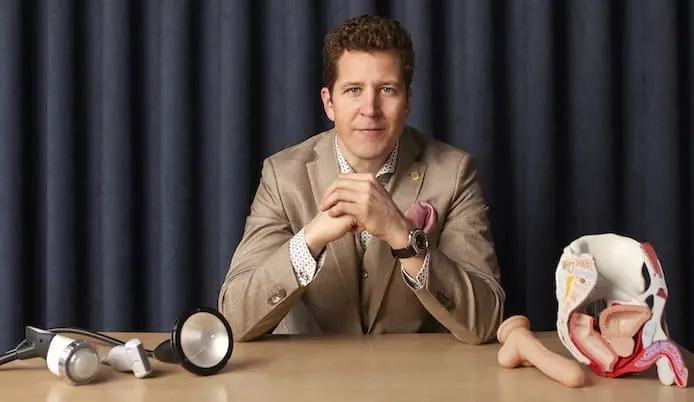
International speaker & expert in shockwave and EMTT treatment for erectile dysfunction, peyronies & CPPPS.
Are you experiencing nerve pain, tingling, a burning sensation, erectile dysfunction, or pelvic pain? You’re not alone. At MS Insight in Copenhagen, I help men who are struggling with nerve inflammation and associated symptoms such as erectile dysfunction, pudendal neuralgia, chronic pelvic pain syndrome (CPPS), Peyronie’s disease, and incontinence. Exercise for nerve inflammation isn’t about “gritting your teeth,” but about targeted, gentle strategies that calm the nervous system, improve blood flow, and gradually restore your function—in the bedroom and in everyday life. I’ll approach you with a level-headed and respectful attitude, and I’ll make sure you have a plan you can rely on.
Neuritis/neuropathy is an irritation or inflammation of one or more nerves. It can be caused by mechanical strain or pinching (e.g. around the perineum, groin or lower back), consequences of surgery or trauma, prolonged overload from sports/work, metabolic conditions (e.g. blood sugar), infections or prolonged stress with an overactive nervous system. In the pelvis, I often see the pudendal nerve affected, which can cause pain in the perineum, penis, scrotum, rectum – and affect erection, ejaculation and urination. Nerves can become hypersensitive without being “broken”; they can be turned back down with the right stimulation and dosage.
– Burning, shooting or stabbing pain in the pelvis, groin, penis or buttocks
– Sleeping, tingling or electrical sensations
– Soreness to touch, worsened by prolonged sitting, cycling or certain positions
– Erectile dysfunction or reduced pleasure due to pain or reduced sensitivity
– Feeling of “tightness” or pull in the penis (e.g. Peyronies) that triggers the nerves
– Pelvic floor restlessness, frequent urination or dribbling
The important thing: Although the symptoms can be severe, nerves are malleable. With the right training and treatment, I can often dampen nerve sensitivity and help them to glide and work more freely again. Gentle, repetitive movement is like “calming talk” for the nervous system: less alarm, more control.
Exercise for nerve inflammation works because it affects multiple mechanisms at once, creating the right conditions for healing and safe movement:
– Improved blood flow and oxygenation around the nerve – allowing the tissue to heal
– Nerve gliding (nerve flossing) – allowing the nerve to move freely through its tissue bed
– Regulation of central sensitization – the brain comes off “alert” so pain decreases
– Normalization of pelvic floor tension levels – less spasm, less pinching of nerves
– Stronger, more coordinated muscles – the body carries you, allowing the nervous system to rest
The training is not bootcamp or “no pain, no gain”. It’s intelligent, calmly dosed and designed to calm your nerves and put confidence back into your body so you can do more without relapse.
I start with a thorough conversation about your symptoms, your everyday life and your goals. I then perform a functional examination focusing on the pelvis, hips, lower back and rib cage, as well as neurodynamic tests that evaluate nerve glide and tolerance (how nerves respond to gentle stretching and movement). When needed, I use advanced ultrasound scanning – especially for penile issues like Peyronie’s and erectile dysfunction – to assess tissue quality, scar tissue/plaques and circulatory conditions. This makes your plan specific, targeted and measurable over time.
Combined treatment can increase the effect of training:
– Focused sound waves (shockwave) to affect tissue quality, microcirculation and pain
– EMTT (electromagnetic transduction therapy) for deep stimulation and tissue healing
– Neuromodulation to reduce nerve irritation and improve signaling
I always supplement with advice on sleep, stress, diet, alcohol/nicotine and sex life – everything that affects your nerves and your reality as a man. If medical tests are needed (e.g. blood sugar, B12, thyroid), I advise you to talk to your own doctor so that we work from a solid foundation.
I dose below your pain threshold and build up gradually. A slight to moderate, transient symptom increase (up to 2-3/10) can be ok – severe worsening is a sign to scale down. Small, steady progress each week beats big fluctuations. I often use the “24-hour rule”: if symptoms aren’t worse the next day, the dose was appropriate; if the worsening lasts longer, I scale back on volume or range of motion.
Specific movements allow the nerve to glide better in its position. For the pelvis and legs, I guide you in gentle “floss” movements for sciatica and pudendal-related conditions. The pace is gentle, without provoking sharp pain or prolonged aggravation. I keep you in a “symptom-free range” – more gentle repetitions in a small area rather than a few big ones that provoke.
Many men unconsciously tighten their pelvic floor. This can pinch nerves and worsen erectile dysfunction. I often start with relaxation, coordination and timing – and only later with light strengthening. If your pelvic floor is overactive, hard “squat training” can make symptoms worse. The right sequence determines the outcome. I teach you simple bodily markers so you can tell the difference between “release” and “squeeze” and avoid training while urinating.
Deep, calm breathing via the diaphragm directly affects the pelvic floor and creates more flexible pressure regulation. This reduces pain and anxiety in the nervous system. I recommend short daily pauses of 4 seconds in and 6-8 seconds out, shoulders down and ribs moving – 3-5 minutes at a time can make a significant difference.
Mobility and stability around the hips and lower back relieves nerves in the pelvis and groin. I work on hip tucking, gluteal strengthening and gentle spinal mobility. Small adjustments in sitting posture, breaks from hard surfaces and progressive activation of the gluteal muscles can quickly reduce pressure and irritation.
Gentle cardio (e.g. walking, cross-trainer) improves blood flow and releases endorphins, which reduce pain sensitivity. I’ll help you manage the intensity so that symptoms are not triggered. A good rule of thumb is to train at a walking pace (RPE 3-4/10) and increase duration before intensity.
Erectile dysfunction can be caused by vessels, nerves and muscle tension. I work with safe gradual exposure, pelvic floor control, mental strategies and physical exercises that increase blood flow and reduce pain during sex. I also guide you through practical techniques such as pacing, choosing positions with less pressure on the perineum, heat and the use of lube – the goal is pleasure without fear of pain or failure.
The nervous system recovers during sleep. A regular rhythm, screen breaks and caffeine strategy can do as much as exercise. I’ll help you make realistic adjustments that last in everyday life. Small “downs” before bed (calm breathing, dim lights, no notifications) can significantly lower nighttime pain intensity.
This is general and harmless. The best plan is tailored to you after an examination.
1) 5 minutes of calm abdominal breathing: Place one hand on your stomach and one on your chest. Breathe in through your nose so that your stomach lifts your hand. 4 seconds in, 6 seconds out. 5 minutes.
2) Pelvic floor relaxation: On the exhale – imagine you are letting go “like letting the water run”. Do not hold your breath. 10-12 gentle repetitions, 2 rounds.
3) Gentle nerve glide (sciatic/pudendal-inspired): Lie on your back. Bend your hip slightly, extend your knee slowly and rock your ankle back and forth at a steady pace, without rushing. 10-15 repetitions per leg, 1-2 sets. Stop at sharp pain or prolonged aggravation.
4) Hip and seat activation: Glute bridge with short hold (2-3 seconds), 8-12 repetitions, 2 sets. Focus on even breathing and without squeezing the pelvic floor hard.
5) 10-15 minutes of quiet walking: Right after the exercises to “circulate the calm” in your system. Keep a pace where you can carry on a conversation.
Tip: Note your symptom scale (0-10) before and 2 hours after. Stable or slightly better is a good sign. Clear worsening the next day? Reduce the number of repetitions or range of motion. Small, sustained pluses beat quick jerks.
– Aggressive stretching of the thighs or pelvic floor that provokes sharp, electric pain
– Long periods on a hard bike saddle without breaks – use a wider saddle, stand up regularly, or take a break from cycling for a period
– Heavy strength training with breath-hold/Valsalva, pressing hard against the pelvis
– “Testing” the symptoms again and again – it keeps the nervous system on alert. If something consistently provokes, I pause it temporarily and reintroduce it gradually.
Training against neuritis is stronger when the tissues and nervous system get an extra push. Timing is important: I use them as leverage to make the training easier to tolerate and maintain.
– Focused sound waves(shockwave): Can improve microcirculation, reduce pain and affect scar tissue (relevant for Peyronie’s and localized tendon changes).
– EMTT: Deep-acting electromagnetic pulses that can stimulate tissue healing and relieve irritation around nerves and muscle-tendon junctions.
– Neuromodulation: Specific stimulation that can “lower the volume” of nerve signals and make exercise easier to tolerate.
I’ll assess with you if and when they are part of your program, and I’ll follow up on how your body reacts so we can make precise adjustments.
Many people feel calmer nerves after 2-4 weeks of correctly dosed training. For long-term discomfort or complex courses, I calculate in months – with continuous progress. The goal is stable improvement without major fluctuations. Small indicators such as better sleep, shorter “aftershocks” and longer periods of activity without flares are good signs.
Incorrect training can – correct training should not. The key is dosage, pace and the right sequence (relaxation before strength, movement before load). I teach you to use symptoms as a compass: steady progression, breaks on ascent, and evaluation the next day. If you get a flare for more than 24-48 hours, I adjust exercises, volume or pace.
Often not – but it should be symptom-driven. I can help you adjust positions, tempo and foreplay to avoid triggering nerves. Use warmth and good lube, and focus on pleasure rather than performance. The goal is to restore safe pleasure, not to do without it.
Usually yes, with adjustments. Avoid breath-hold (Valsalva), choose controlled lifts, and beware of exercises that press directly against the pelvic floor/groin. I make a specific plan for your gym, e.g. more machines in the beginning, slow eccentric phase and steady pace.
Some people benefit from having their blood sugar, B12 or vitamin D levels checked. I advise you to talk to your own doctor about relevant tests. In some cases, medication can be a supplement; training is the cornerstone. Avoid self-medication – get a plan that fits your situation.
This is usually a sign of nerve irritation and can improve with the right care. However, sudden loss of strength, loss of bladder/gut control or numbness in the breeches area should be assessed urgently. If in doubt, I will help you assess the next step.
Not necessarily. I start with a clinical assessment and ultrasound when appropriate. Whether imaging beyond that is necessary depends on the findings and your history. I guide you on whether you should take it further – imaging doesn’t always change treatment, but is used when it can make a real difference.
Yes, targeted training can improve blood flow, reduce pain and optimize pelvic floor function. Combined with focused sound waves and EMTT, I often see improved comfort, function and confidence. I set realistic goals with you and monitor progress closely.
Seek urgent assessment for sudden severe leg weakness, difficulty holding urine/faeces, new-onset numbness in the breeches area, high fever with severe pain or recent trauma to the back/pelvis with rapidly increasing symptoms. Better once too much than once too little.
Training for neuritis is most effective when it is tailored. At the Copenhagen clinic, you get a thorough assessment, a clear plan and close follow-up. I work directly and solution-oriented – with respect for the vulnerability of talking about erection, pain and intimate challenges. There are no raised eyebrows, just professionalism and focus on getting you back in control.
Book an appointment and I’ll take the first step with you towards calm nerves, less pain and better function – in everyday life and in the bedroom. I have clients from all over Zealand and the rest of Denmark, and you’re welcome no matter how long you’ve been suffering from your symptoms.
If you are interested in hearing more about how I can help you, you are always welcome to contact me by phone 41 40 08 58 or email michael@msinsight.dk. I’ll get back to you quickly with a customized proposal so we can find the best way forward together.
I will get back to you within 12-24 hours.
Are you unsure about what’s causing your symptoms, or whether a specialized treatment program at our clinic in Copenhagen would be right for you? If so, you can start with a brief, confidential consultation. During this consultation, we’ll assess whether your symptoms align with the areas I specialize in at MS Insight and determine what the next appropriate step might be.
The initial consultation is not a full consultation, diagnosis, or treatment plan. It is intended for those who would like a thorough assessment of whether it makes sense to proceed with a more in-depth examination, an ultrasound scan, and a personalized plan at our clinic in Copenhagen.