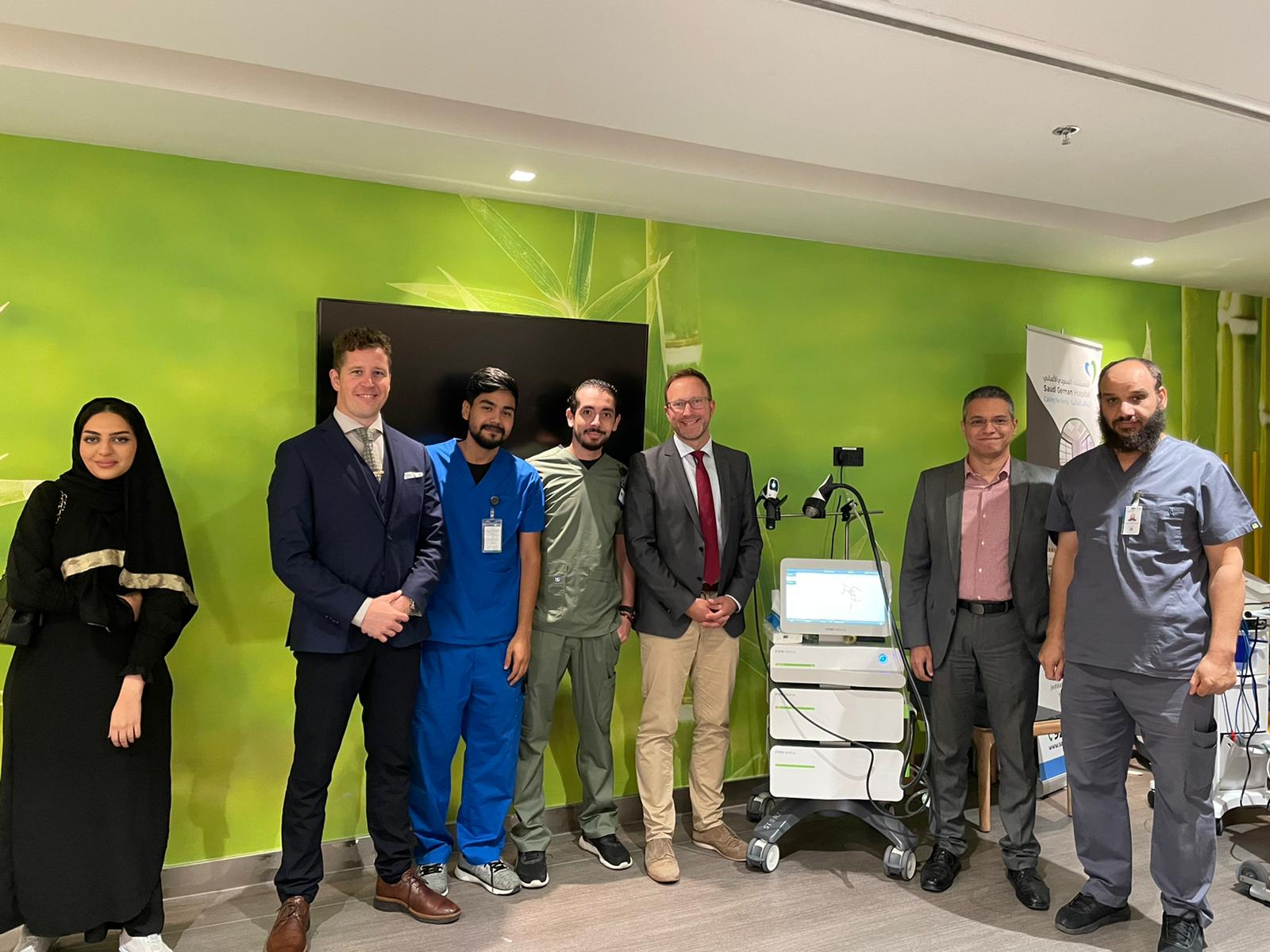
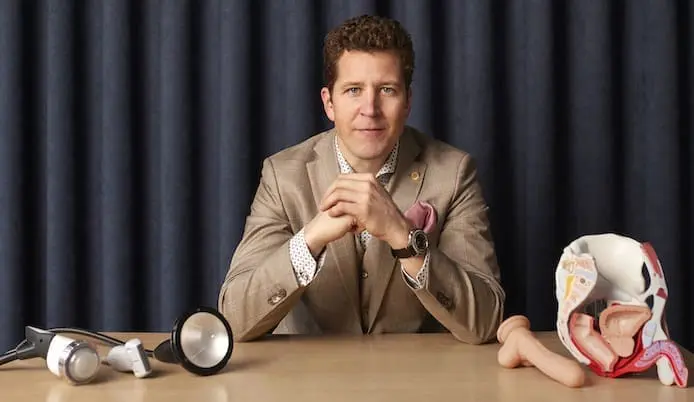
Focus of the Instruction
The training focused on ESWT, EMTT/Magnetolith, and the combination of the two technologies. I emphasized the differences between the technologies, energy delivery, and practical patient selection rather than presenting a one-size-fits-all protocol. When I teach, my goal is for participants to be able to explain why a particular treatment is chosen, for whom it is suitable, and when a different approach is more appropriate.
Why this is relevant to a patient’s journey
EMTT and other electromagnetic technologies should be considered as a supplement to, not a substitute for, diagnostic testing. The clinical value lies in understanding which tissues and mechanisms one is attempting to influence, and how the technology can be combined with other interventions without making the treatment plan unnecessarily complex. A key point in my teaching is that “shockwave” is not a single, uniform treatment. Electrohydraulic, electromagnetic, and piezoelectric systems produce and deliver energy differently. Therefore, the focus should be on tissue, target, energy, focal zone, and patient selection—not merely on the name of the technology or a standard protocol.
The same sequence applies in my clinical work at MS Insight. The symptom is the starting point, not the diagnosis. Only once the likely mechanisms have been narrowed down does it make sense to discuss the device, dosage, number of treatments, and combinations.
From Education to Clinical Quality
For me, teaching is part of maintaining my professional skills. I need to be able to explain the technology accurately, defend my clinical decisions, and at the same time be clear about the limitations of the evidence. This process is relevant to patients because it refines patient selection, helps manage expectations, and enhances the ability to opt out of treatment when the indication isn’t strong enough.
Another important element is managing expectations. In areas such as sexual function, chronic pain, and incontinence, two patients with the same diagnosis may have vastly different causes and prognoses. Therefore, it is important to be precise about which problem is being addressed, how progress is measured, and when a lack of response should lead to a reassessment rather than simply continuing with the same treatment.
I also emphasize the importance of distinguishing between mechanism, clinical evidence, and marketing. The fact that a technology can biologically affect tissue does not mean that it has a documented effect on all indications. Conversely, clinical evidence may be relevant without being directly transferable between different devices, doses, or patient groups. This distinction is crucial both in teaching and in conversations with patients.
It is the professional connection between education and clinical practice that I want these educational activities to demonstrate: not a promise of results, but experience in critically evaluating technology, following the evidence, and translating it into more precise decisions for each individual patient.
Read more: Targeted shockwave therapy · My professional background and MS Insight · The evidence for shockwave therapy
Documentation: This article is based on publicly available event materials and/or LinkedIn posts. Sources: LinkedIn posts · LinkedIn posts