Focus of the Training
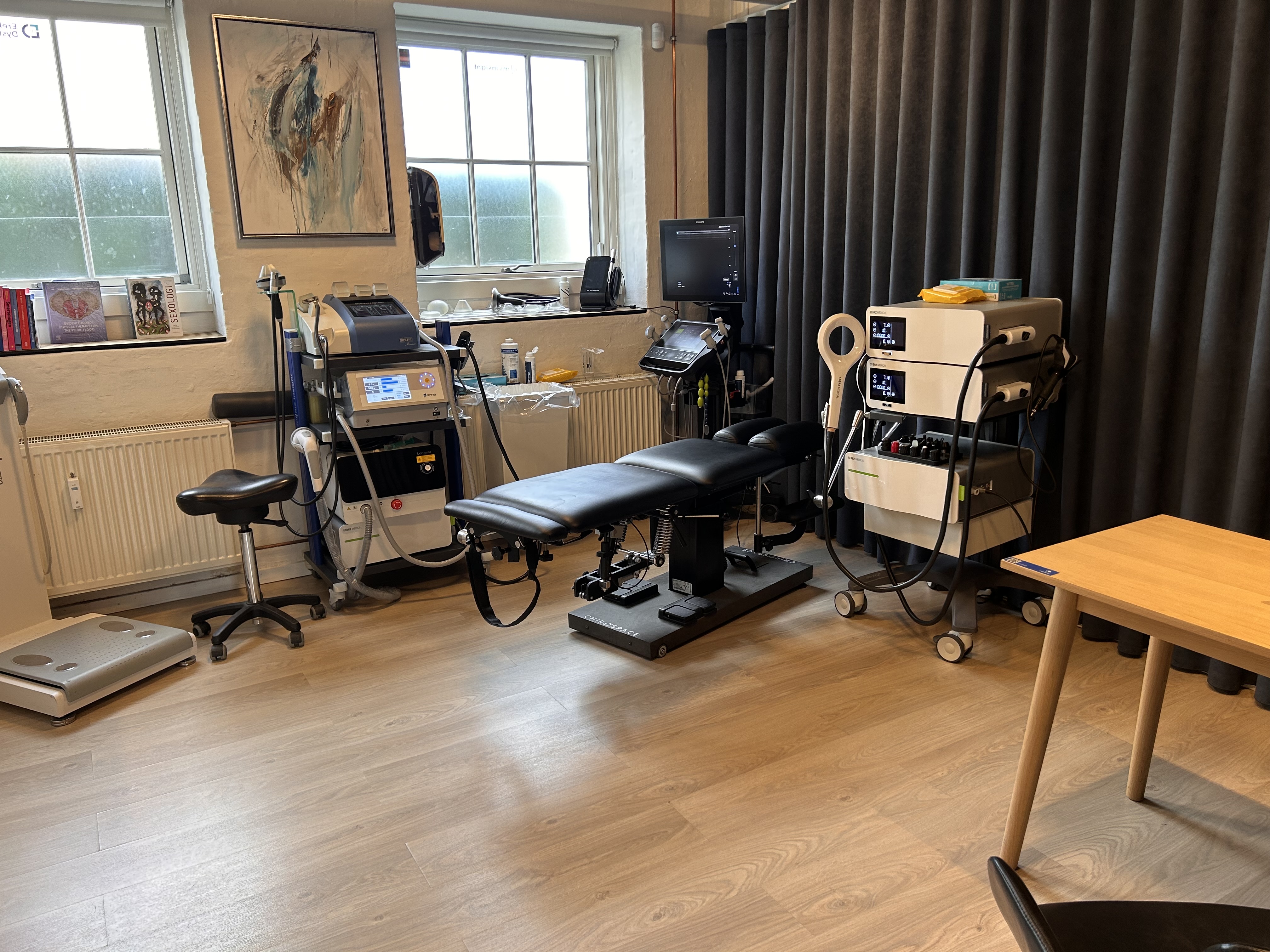
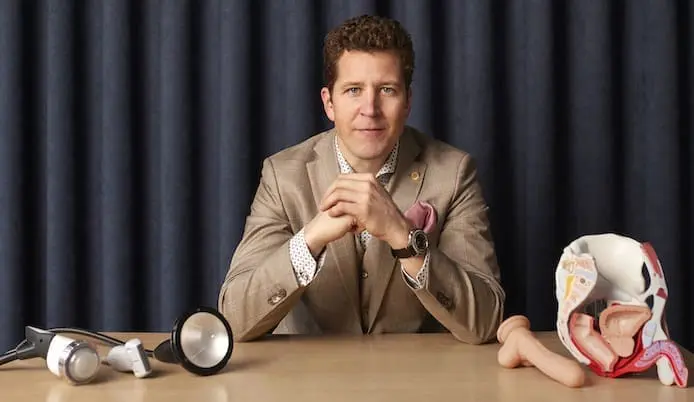
The training focused on comparing four focused shockwave systems, including electromagnetic flat-coil technology, and their clinical applications in men’s health. I emphasized the differences between technologies, energy delivery, and practical patient selection rather than presenting a universal protocol. When I teach, the goal is for participants to be able to explain why a particular treatment is chosen, who it is suitable for, and when a different approach is more appropriate.
Why this is relevant to a patient’s journey
A key point in my teaching is that “shockwave” is not a single, uniform treatment. Electrohydraulic, electromagnetic, and piezoelectric systems produce and deliver energy differently. Therefore, the focus should be on tissue, target, energy, focal zone, and patient selection—not just on the name of the technology or a standard protocol.
That’s also how I want to work at the clinic: first, understand the problem; then, choose the appropriate tests; and finally, decide whether treatment makes sense. This reduces the risk of starting a standard course of treatment based on insufficient evidence.
From Education to Clinical Quality
International education is not, in and of itself, proof of a treatment’s effectiveness. Its value lies in the professional exposure it provides: questions from other practitioners, comparisons of equipment and protocols, discussions of research, and encounters with other patient populations. This forces me to continually distinguish between what is biologically plausible, what has been clinically observed, and what is actually supported by research.
Another important element is managing expectations. In areas such as sexual function, chronic pain, and incontinence, two patients with the same diagnosis may have vastly different causes and prognoses. Therefore, it is important to be precise about which problem is being addressed, how progress is measured, and when a lack of response should lead to a reassessment rather than simply continuing with the same treatment.
I also emphasize the importance of distinguishing between mechanism, clinical evidence, and marketing. The fact that a technology can biologically affect tissue does not mean that it has a documented effect on all indications. Conversely, clinical evidence may be relevant without being directly transferable between different devices, doses, or patient groups. This distinction is crucial both in teaching and in conversations with patients.
It is the professional connection between education and clinical practice that I want these educational activities to demonstrate: not a promise of results, but experience in critically evaluating technology, following the evidence, and translating it into more precise decisions for each individual patient.
Read more: Diagnosis and treatment of erectile dysfunction · Men’s Health workshops for healthcare professionals · The evidence for shockwave therapy
Documentation: This article is based on publicly available event materials and/or LinkedIn posts. Sources: LinkedIn posts