

Written and medically reviewed by Michael Strøm
International speaker & expert in shockwave and EMTT treatment for erectile dysfunction, Peyronie’s & CPPS. Read more about me
Pumpkin seeds and prostate: What can you realistically expect?
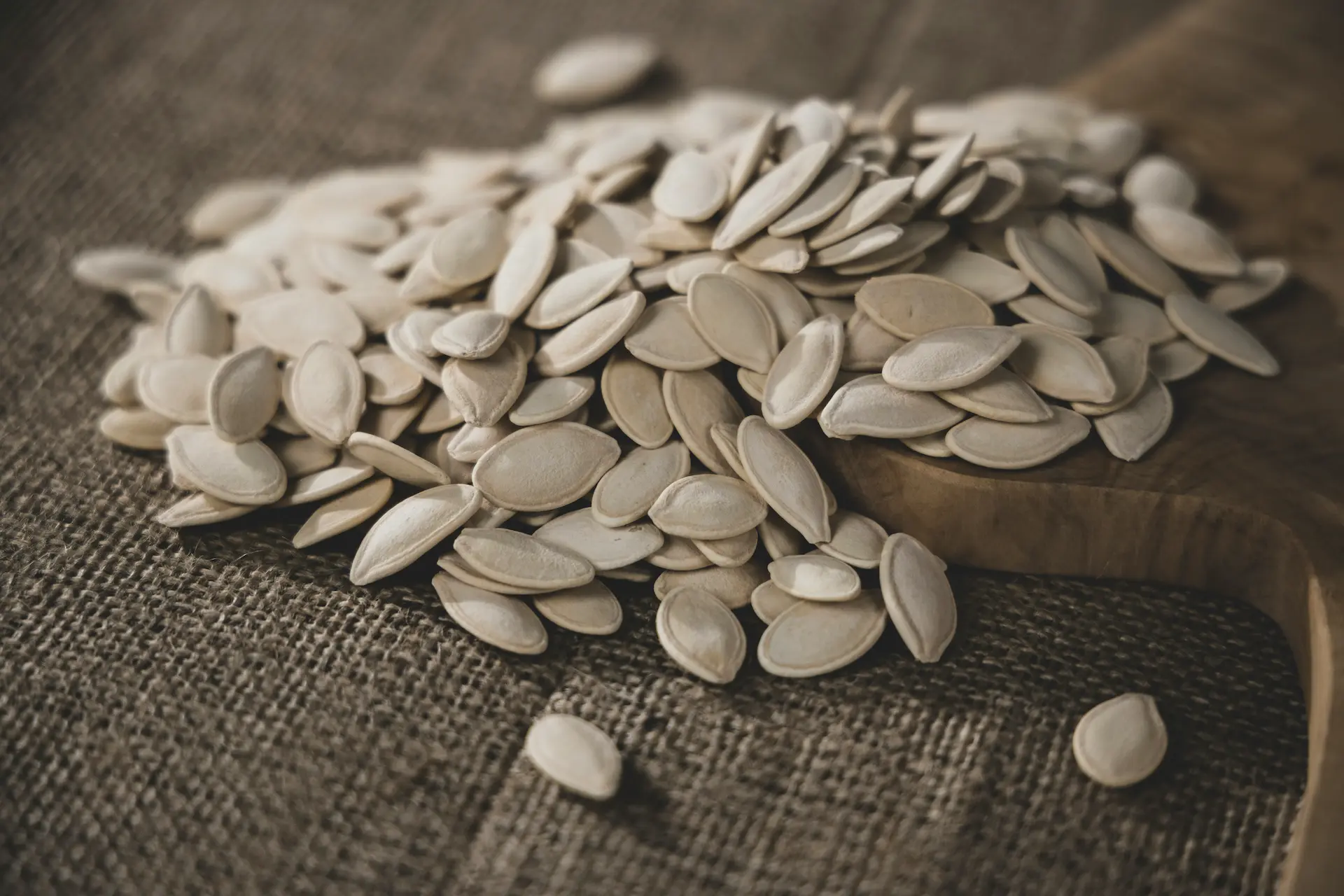
When you Google “Pumpkin seeds and prostate”, you may quickly get the impression that a handful of seeds will solve everything from frequent nighttime urination to erectile dysfunction. The truth is more nuanced. Pumpkin seeds can be a useful addition to everyday life – especially for prostate problems – but they’re no substitute for a proper assessment and a targeted plan. That’s exactly what I help with: separating myths from evidence and translating knowledge into concrete solutions that fit your body and your everyday life.
In this article
- Why do people talk about pumpkin seeds in relation to the prostate?
- Pumpkin seeds and enlarged prostate (BPH)
- Pumpkin seeds, erection and sexual function
- Pumpkin seeds for prostatitis and chronic pelvic pain (CPPS)
- How to use pumpkin seeds wisely
- When are pumpkin seeds not enough?
- How I help you – from prostate and pelvic symptoms to plan
- Frequently asked questions about pumpkin seeds and prostate
- My recommendation in short about pumpkin seeds and prostate
- Take the next step – professional help in Copenhagen for prostate and pelvic problems
Why do people talk about pumpkin seeds in relation to the prostate?
The most relevant nutrients in pumpkin seeds for the prostate
Pumpkin seeds (from Cucurbita pepo) contain several substances that are relevant to male intimate health:
- Zinc: A mineral that plays a role in hormone balance, sperm quality and immune function. The prostate naturally contains high concentrations of zinc. A small handful (around 15-30g) typically provides a meaningful daily dose to support overall zinc status.
- Phytosterols (e.g. beta-sitosterol): Plant substances that can affect cholesterol metabolism and in laboratory studies appear to affect enzymes related to the prostate (e.g. 5-alpha-reductase, which converts testosterone to the more potent DHT). The clinical significance is moderate, but relevant in the overall picture.
- Magnesium and vitamin E: Supports muscle function, nerve conduction speed and antioxidant protection. Magnesium also contributes to nervous system calmness and better sleep quality, which can indirectly ease urinary discomfort.
- Healthy fatty acids, polyphenols and fiber: Mono- and polyunsaturated fatty acids and antioxidants can reduce low-grade inflammation. Fiber supports bowel function and blood sugar balance, which for some reduces irritative bladder symptoms.
What does the research say about pumpkin seeds and the prostate?
Studies on whole pumpkin seeds, pumpkin seed oil and standardized extracts generally indicate that some men with enlarged prostate (BPH) experience mild improvements in urinary symptoms and quality of life. The effect is typically modest and develops over weeks to months. It’s not a ‘cure’ and for most people it doesn’t significantly change the size of the prostate itself. However, it can be a sensible, low-risk element of an overall strategy that combines diet, exercise, sleep, stress regulation, pelvic floor and targeted treatment. In practice, this can show up as fewer night-time awakenings, a slightly stronger stream or less feeling of not being emptied – often measured via symptom questionnaires like IPSS.
For chronic pelvic pain (CPPS) and prostatitis, the evidence for pumpkin seeds is more sparse. I often see that an anti-inflammatory diet can help somewhat – but the key is almost always a combination of pelvic muscle/nerve treatment, pain modulation, relaxation and good habits. This is exactly what I work with in a structured way in the clinic.
Pumpkin seeds and enlarged prostate (BPH)
Typical symptoms of enlarged prostate (BPH)
An enlarged prostate can cause:
- Frequent urination, especially at night (nocturia)
- Weakened beam, hesitant start or interrupted beam
- Feeling of not being completely emptied
- Sudden urge to pee
Many people with BPH also experience less sleep and more fatigue – and for some, it affects both sex drive and erection. It takes a toll on everyday life and energy, and it’s completely understandable if it also affects mood.
Can pumpkin seeds help with BPH?
Yes, for some. In clinical studies, some men report fewer urinary symptoms and a slightly better quality of life with daily intake of pumpkin seeds, oil or extracts over 8-12 weeks. The effect is usually mild. For you, this means: See pumpkin seeds as a supportive measure, not as a main treatment. If you’re experiencing symptoms, you should have a plan that addresses bladder function, pelvic floor, sleep and any medication – and where diet is an element.
At the same time, I recommend simple, concrete steps: limit major fluid intake 2-3 hours before bedtime, cut down on coffee/alcohol at the end of the day, use “double urination” (go to the toilet again after a few minutes to empty better), and learn to relax the pelvic floor instead of pushing. These adjustments, in combination with pumpkin seeds, can provide noticeable relief for many.
Pumpkin seeds, erection and sexual function
There is no strong evidence that pumpkin seeds alone improve erections. Indirectly, they can support hormonal balance and circulation via zinc, magnesium and healthy fats, but erectile dysfunction is often caused by a combination of blood vessels, nerve function, pelvic floor tension, sleep, stress and medication. This is where I work in a targeted way:
- Advanced diagnostics with ultrasound of relevant tissues and blood vessels and tests to uncover where the challenge lies
- Treatment such as focused shockwave (for blood vessel and tissue remodeling), EMTT (electromagnetic therapy) and neuromodulation
- Guided pelvic floor training and relaxation and sexological advice
- Practical diet and lifestyle advice where pumpkin seeds can be a small but nice element
Pumpkin seeds for prostatitis and chronic pelvic pain (CPPS)
Inflammation, nerves and muscles in the pelvis and prostate
In prostatitis/CPPS, pain, pressure, burning and altered urination are often driven by a complex mix of inflammation, muscle tension and nerve irritation in the pelvis – not just the prostate itself. Pumpkin seeds are not a treatment in themselves, but can fit into an anti-inflammatory diet. I see the best effect when I combine:
- Neuromodulation and treatment that calms overactive nerves
- Targeted relaxation and rehabilitation of the pelvic floor
- Strategies for sleep, stress and pain management
- Diet, hydration and bowel habits that reduce irritation
In addition, practical adjustments such as varying seating positions, using a bike saddle with a cut-out, dosing activity sensibly and identifying personal triggers (e.g. alcohol, spicy food or cold) can be crucial. I help you map out patterns and find a sustainable plan to reduce pain in your everyday life.
How to use pumpkin seeds wisely
How much pumpkin seeds should I eat?
As part of a healthy diet, many choose a small handful daily (around 15-30 grams) or 1-2 tablespoons in salad, yogurt or porridge. It’s a convenient amount that provides zinc, magnesium and phytosterols without adding too many calories. If you’re considering oil or extract, think of it as a gentle trial for 8-12 weeks and assess if your symptoms change – preferably in conjunction with other relevant measures.
A few low-tech tips: choose shelled seeds (pepitas) for better digestibility, chew them well and eat them during the day rather than late at night if nighttime urination is an issue.
Pumpkin seeds: raw, roasted or oil?
- Whole grains: Provide fiber, minerals and phytosterols. Choose unsalted to avoid unnecessary sodium, which can aggravate nighttime thirst. Store them dark and airtight to protect the fatty acids.
- Pumpkin seed oil: concentrates fatty acids and certain bioactive substances. Choose cold pressed and store in a dark place. Use the oil cold in salads or over vegetables to preserve quality.
- Extracts: Used in some studies. Quality and standardization varies; start low and assess efficacy and tolerability continuously.
Are there side effects of pumpkin seeds?
Pumpkin seeds are generally well tolerated. Possible challenges can be:
- Stomach/ bloating in large quantities
- Calorie intake if you eat a lot beyond your plan
- Allergy in a few
If you are on blood-thinning medication or have specific dietary restrictions, be aware and adjust the amounts sensibly. If in doubt, discuss it with your doctor, especially if you are being treated for prostate-related conditions.
How quickly can I tell the difference between prostate symptoms?
For pumpkin seeds to have an effect on urinary symptoms, changes are often only seen after 4-8 weeks – and for most people the effect is moderate. That’s why I recommend that you don’t wait for the “miracle”, but address the symptoms with a comprehensive plan now. You can use a simple urination chart or a symptom chart (e.g. IPSS) to objectively measure progress over time.
Can pumpkin seeds be used if I have prostate cancer?
Pumpkin seeds are foods and are generally safe for most people, but they are not a treatment for cancer. If you suspect or have been diagnosed with prostate cancer, your choices about supplements should always be discussed with your doctor. I can help you with specific questions and prepare you to discuss relevant tests if I deem it necessary during our conversation.
When are pumpkin seeds not enough?
Take symptoms seriously. Contact your doctor quickly:
- Fever, chills and severe pelvic or back pain
- Acute difficulty passing urine
- Blood in urine or semen
- Unexplained weight loss, bone pain or persistent weakness
For persistent erectile dysfunction, pelvic pain or severe urination problems, the next step is a thorough, targeted assessment. That’s what you get with me.
How I help you – from prostate and pelvic symptoms to plan
1. Clarifying your prostate, urination and erection situation
I start with a structured conversation: your symptoms (urination, pain, erection), duration, triggers, sleep, stress and medication. I use validated questionnaires (e.g. IPSS and IIEF) so we can measure the baseline and follow your progress.
2. Advanced diagnostics and functional assessment of the prostate, pelvic floor and blood vessels
I use ultrasound scans of relevant tissues and blood vessels as well as clinical tests of pelvic floor function. This gives me an accurate picture of what’s actually standing in the way of recovery – blood flow, nerve irritation, muscle tension or combinations – so I can prioritize the interventions that will realistically make a difference.
3. Tailored treatment for prostate and pelvic disorders
- Focused shockwave therapy to stimulate vascular and tissue healing for erectile dysfunction
- EMTT and neuromodulation to reduce nerve overactivity and pain in CP CP CPPS
- Guided pelvic floor training and relaxation – correct technique is key
- Sexological counseling so that body, mind and relationships play along
- Lifestyle and dietary advice where pumpkin seeds can be sensibly integrated with other interventions
If I identify the need for further examinations, I will guide you on how to talk to your GP about, for example, blood tests (PSA), urine tests or imaging diagnostics that are not performed in the clinic.
Frequently asked questions about pumpkin seeds and prostate
Are pumpkin seeds better than saw palmetto or other supplements?
There are studies on several natural remedies for BPH, including saw palmetto and beta-sitosterol. The effects are generally mild. What’s right for you depends on your symptom profile, tolerability and overall situation. I’ll help you choose wisely – without wasting time or money.
What type of pumpkin seeds should I buy?
Choose good quality whole, unsalted seeds or a cold-pressed oil. Store in a dark and cool place. Avoid heavily salted or sugar-coated flavors; it defeats the purpose.
Can pumpkin seeds affect my medication?
As a common food, pumpkin seeds are rarely a problem. However, if you are taking blood-thinning medication or have strict dietary requirements, pay attention to quantities and stability in your diet. For BPH medications such as alpha-blockers or 5-alpha-reductase inhibitors, eating pumpkin seeds is usually unproblematic. If in doubt: discuss with your doctor.
Can pumpkin seeds improve erection?
Not by themselves. They can support the whole, but erectile dysfunction typically requires a targeted, multifactorial approach. That’s exactly what I offer.
Do pumpkin seeds cause weight gain?
They are energy dense. If you stick to a small handful daily and adjust the rest of your diet, this is rarely a problem. I’ll help you find a practical balance.
My recommendation in short about pumpkin seeds and prostate
- Think of pumpkin seeds as a sensible, low-risk supplement – not as a solution in itself.
- For urinary discomfort: try daily intake for 8-12 weeks as part of an overall plan. Measure your progress.
- For erectile dysfunction or pelvic pain: get a targeted assessment; diet alone rarely solves it.
- Choose unsalted seeds or cold-pressed oil. Keep the amount moderate.
- Seek prompt medical attention for alarming symptoms such as fever, blood in urine/semen or acute urinary retention.
Take the next step – professional help in Copenhagen for prostate and pelvic problems
If you struggle with erection, pelvic pain or prostate problems, you are far from alone – and you don’t have to do it alone. I meet you without taboos, with respect for your situation and with professionalism that translates into concrete results. Book an appointment with me in Copenhagen and I will create a plan that suits you. Pumpkin seeds can be a good start – but I create the real difference together with you when we work purposefully and systematically with the things that are actually holding you back.
If you are interested in hearing more about how I can help you, you are always welcome to contact me by phone 41 40 08 58 or email michael@msinsight.dk. I’ll get back to you quickly with a customized proposal so we can find the best way forward together.
Would you like a specialist assessment of your situation?
You don’t have to figure it out alone. Call directly or write a few lines about your symptoms – I’ll get back to you within 12-24 hours with a concrete suggestion for the next step.