
Written and medically reviewed by Michael Strøm
International speaker & expert in shockwave and EMTT treatment for erectile dysfunction, Peyronie’s & CPPS. Read more about me
Prostate and coffee: should you turn it down – or can you safely keep drinking?
In this article
- Prostate and coffee – what do we really know?
- Typical issues I see – and how coffee plays a role
- Coffee, hormones, inflammation and cardiovascular – what does it mean for the prostate?
- How much coffee is “too much” – and what about genetics?
- Prostate and coffee in everyday life – my concrete advice
- Frequently asked questions about Prostate and coffee
- How I help you at MS Insight
- Your action plan today
Prostate and coffee – what do we really know?
At a glance: coffee, caffeine and the male genitalia
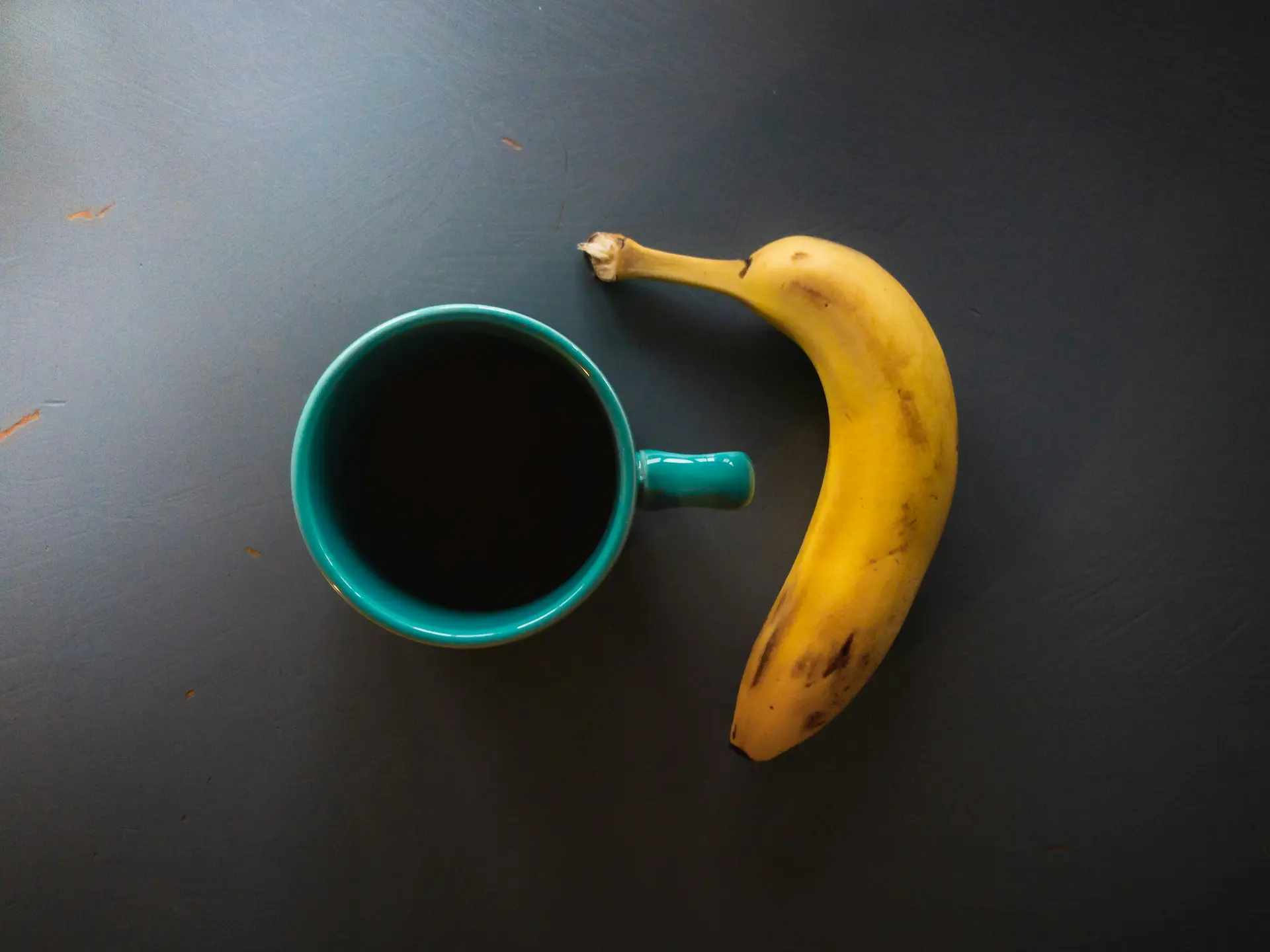
When you search “Prostate and coffee”, you’ll quickly get mixed results. The truth is nuanced. Coffee is more than caffeine: it also contains polyphenols (e.g. chlorogenic acids) with anti-inflammatory and antioxidant properties. Caffeine stimulates the nervous system, can slightly increase heart rate and can irritate the bladder and urethra in some. For most men, moderate coffee intake is a no-brainer – but if you suffer from erectile dysfunction, pelvic pain (CPPS), pudendal pain or urinary symptoms (LUTS), coffee can be an overlooked trigger.
In my clinic, I regularly see that small adjustments in coffee habits significantly alleviate symptoms. My approach is practical and individual: I test, measure and adjust together with you, so you get clear information about what works in your body. And remember: Decaffeinated coffee still contains very little caffeine, but many of the same polyphenols – often enough to maintain enjoyment, but without the same bladder and nervous system upset.
Typical issues I see – and how coffee plays a role
Erectile dysfunction and coffee
Coffee affects the body in two ways that can pull in opposite directions for erections:
- In the short term, caffeine can increase alertness and sympathetic activity (the body kicks into gear). For some men, it causes anxiety and tension, which can work against erection – especially if there is already pressure to perform.
- On the positive side, coffee is rich in polyphenols, which can support vascular function. Observational studies find no increased risk of erectile dysfunction with moderate coffee intake – and in some I see better energy and desire to exercise, which indirectly helps potency.
My experience: If you have erectile dysfunction, timing and sleep matter most. Coffee late in the day often worsens sleep, and poor sleep lowers testosterone, increases stress and weakens erections. A simple approach is to hold caffeine before 2pm and only have 1-2 cups (150-250 ml per cup). If you need the ritual in the evening, choose decaf – and drink the coffee with a light meal to reduce anxiety.
Pelvic pain (CPPS) and pudendal pain
In chronic pelvic pain, the bladder and pelvic floor are often hypersensitive. Caffeine can irritate the bladder lining and increase urgency (sudden urge to urinate), frequent urination and a tendency for the pelvic floor to tense up. It can keep the pain system “on”. I often see clear benefits from a structured caffeine break for 2-3 weeks, followed by gradual reintroduction. Many end up tolerating 1 cup in the morning – and sleeping better at night. If you’re used to a lot of caffeine, you can taper down over 3-5 days to avoid withdrawal headaches. Carbonated drinks and highly acidic coffee can increase bladder irritation – mild filter coffee or decaf can be more bladder-friendly.
Enlarged prostate (BPH) and urinary symptoms (LUTS)
Coffee does not enlarge your prostate. But caffeine can worsen the symptoms of an already sensitive bladder and gland:
- Frequent urination and urgency
- Weak jet and afterdrip
- Night owls (nocturi)
The explanation is increased bladder activity and pressure in the urinary tract. As a result, you may feel like you’re “on the toilet all the time” – especially when you drink coffee late at night. For BPH/LUTS, I often recommend:
- Coffee before 14:00
- Switch to filter coffee or decaf after lunch
- Drink the coffee with food and follow up with a glass of water
- Try a 2-3 week caffeine break if symptoms are significant
Prostatitis/prostate inflammation (acute or chronic)
In chronic prostatitis/CPPS, coffee can be a symptom trigger alongside alcohol, spicy food and carbonation. The mechanisms are bladder irritation, increased pelvic floor tension and impact on pain pathways. Coffee doesn’t make you “sick” – but it can perpetuate symptoms. That’s why I often use a targeted elimination and reintroduction plan to find your tolerance threshold so you can enjoy what you can tolerate without relapse.
Coffee, hormones, inflammation and cardiovascular – what does it mean for the prostate?
Antioxidants and polyphenols – potential benefits
Coffee is a great source of polyphenols with antioxidant and anti-inflammatory effects. Lower systemic inflammation is relevant for both vascular function in the penis and tissue balance in and around the prostate. For some men, this is a reason not to give up coffee completely – but to optimize the amount, timing and type. Lighter roasts and gentle brewing can retain more acids and polyphenols, while darker roasts taste milder and can be easier on the stomach. Adding a little milk can reduce acidity and make coffee more bladder-friendly for sensitive drinkers.
Caffeine, stress response and sleep – timing is crucial
Caffeine has a half-life of 4-6 hours (longer for some). A cup after 3pm can still keep you “on” at bedtime. Poor sleep:
- lowers testosterone
- increases pain sensitivity
- Exacerbates pelvic floor tension
- Aggravates erectile dysfunction
That’s why a clear sleep cutoff for caffeine is one of the most effective interventions. Most people feel best with caffeine by lunchtime at the latest. If you are very sensitive, your cutoff could be as early as 11am-12pm – I’ll work with you to find this out during a short test period.
Coffee, testosterone and sperm quality
Most studies find no meaningful impact on testosterone with moderate coffee intake. For sperm quality, the picture is mixed: High intake of energy drinks and sugary colas are associated with poorer sperm parameters, but regular coffee in moderate amounts generally looks neutral. If you’re in a fertility cycle, it may still make sense to stick to 1-2 cups daily, avoid energy drinks and avoid late-night coffee to keep sleep stable.
How much coffee is “too much” – and what about genetics?
Safe quantity and individual differences
As a rule of thumb, up to about 400 mg of caffeine daily is considered safe for healthy adults. This is roughly equivalent to:
- 2-3 cups of filter coffee (200-250 ml per cup)
- 3-4 espresso
- 4-6 cups of tea (depending on strength)
But these are average figures. Genetic differences in caffeine metabolism (CYP1A2) mean that some are “slow” metabolizers. If you get anxiety, palpitations, sweating, stomach upset or poor sleep after small amounts, your personal limit is probably lower – and I plan accordingly. Remember that strength and serving size vary: A large café latte can hold two espresso shots, while home-brewed filter coffee is typically lower per cup.
Filter coffee vs. espresso, decaf, tea and energy drinks
- Filter coffee: Lower in cafestol/kahweol (diterpenoids), which can raise LDL cholesterol. Good choice if you’re thinking cardiovascular and cholesterol.
- Espresso/french press: More aromatic, but higher diterpenes. Can be fine if your cholesterol is well controlled – but timing and quantity are still important. Cold brew can be less acidic, but caffeine content can be high.
- Decaffeinated coffee: Contains far less caffeine but many of the same polyphenols. Good evening solution if you miss the taste. Choose water or CO2 decaffeination if you prefer a more gentle process.
- Tea: Often milder on bladder irritation. Green tea provides polyphenols with a lower caffeine load; herbal teas are usually caffeine-free.
- Energy drinks/pre-workout: High in caffeine, acid and additives. Often worse for bladder and sleep than coffee. I recommend a clear framework or opt-out for LUTS/CPPS.
Prostate and coffee in everyday life – my concrete advice
When you have significant LUTS or CPPS: 3-week caffeine break
A handy protocol I often use:
- Weeks 1-3: Stop caffeine (coffee, cola, energy drinks, strong tea). Switch to decaffeinated coffee/herbs. Drink water regularly and consider tapering down over a few days to avoid headaches.
- Record daily: Urination frequency, nighttime urination, pain/scale, urgency, erection quality and sleep.
- Week 4: Reintroduce 1 cup of mild filter coffee before 11am for 3-4 days. If ok, increase to 2 cups – still before 2pm. Stop or go back to decaf if symptoms flare.
It gives you the answer to whether “Prostate and coffee” is a problem for you – without guesswork. As a rule of thumb: Stable sleep and a calmer bladder first, coffee second.
For erectile dysfunction: focus on sleep and timing
- Caffeine cutoff at 14:00 (preferably 12:00)
- Max. 1-2 cups on weekdays; extra cup only if night sleep is stable
- Avoid coffee 3-4 hours before training if you experience pelvic floor tension or performance anxiety; opt for a lower dose of caffeine or caffeine-free ritual
Hydration, bladder behavior and pelvic floor
- Drink evenly throughout the day; don’t “overhydrate” in the evening
- Have a glass of water with your coffee if you are bladder sensitive
- Avoid “just in case” emptying all the time – it trains the bladder to want to empty too often
- Learn urge control and pelvic floor relaxation; I guide you in concrete techniques to make the bladder less “nervous” and the pelvis relax
Alcohol, spicy food and coffee – combination effects
It’s typically the combination that tips the balance: Strong food + red wine + late-night espresso often leads to nocturnal restlessness, night-time peeing and an agitated nervous system. Keep your evening coffee decaffeinated, drink water with food and limit alcohol if the nights are bad. For festive occasions, opt for decaffeinated espresso after dinner.
Frequently asked questions about Prostate and coffee
Does coffee worsen BPH or make the prostate bigger?
No, it doesn’t. Coffee does not enlarge the prostate. But caffeine can worsen the symptoms of BPH (frequent urination, urgency, night peeing). Adjust the timing and amount and test a caffeine break to assess the effect on you.
Does coffee cause prostatitis?
Coffee does not cause prostatitis, but can worsen symptoms of chronic prostatitis/CPPS. Many find relief by cutting down or taking breaks, especially if sleep is also improved.
Should I avoid coffee if I have pelvic pain?
Not necessarily. Start with a 2-3 week break and reintroduce systematically. If you find your tolerance threshold, you can often enjoy some coffee without flare-ups when you stick to mornings.
What about caffeine pills or energy drinks – are they “cleaner” than coffee?
They hit the body faster and harder. For LUTS/CPPS or sleep problems, they are often worse than regular coffee. I recommend caution or opting out.
Does coffee worsen night-time urination (nocturia)?
For many, yes – especially if consumed after 2pm-3pm. Try decaf in the evening, hold off on fluids after 7pm and empty your bladder slowly before bed.
Does coffee dehydrate you?
Coffee has a mild diuretic effect, but I rarely see real dehydration in habitual drinkers. The problem is more likely to be bladder irritation and more frequent urination. Make sure you stay hydrated and supplement with water.
Can I drink coffee if I use PDE5 inhibitors (e.g. sildenafil)?
Basically yes. There is no known serious interaction. But caffeine can cause anxiety and increased heart rate, and PDE5 can cause headaches/facial flushing – the combination can feel “too much” for some. Try on a calm day, stick to small amounts and avoid late-night coffee.
What about finasteride or tamsulosin?
Coffee does not affect the effect directly, but can trigger urinary tract irritation that is mistaken for medication side effects. If your symptoms fluctuate with coffee, adjust your habits and assess the difference with me.
Should I choose decaf?
A great solution for evening enjoyment or if you are sensitive to caffeine. Decaffeinated coffee still contains polyphenols and is often more bladder-friendly. You can also switch between decaf and regular during the week.
Can I drink espresso after dinner?
If you don’t have urinary symptoms or sleep problems and are comfortable with that – maybe. But for LUTS/CPPS or erectile dysfunction, I recommend keeping the evening caffeine-free.
What if I’m concerned about cancer risk?
Large population studies do not point to an increased risk of prostate cancer with moderate coffee intake – some even find neutral or modest protective effects. If you have persistent discomfort, blood in the urine, new onset severe urinary problems or unintentional weight loss, you should talk to your own doctor about relevant tests that are not performed at my clinic.
How I help you at MS Insight
I help men with erectile dysfunction, Peyronie’s, chronic pelvic pain, incontinence and complex urinary symptoms. My focus is to combine thorough diagnostics with targeted treatment and concrete lifestyle strategies – including how “Prostate and Coffee” applies to you.
- Advanced diagnostics: Ultrasound scan of the penis, vessels and tissues, detailed functional assessment of the pelvic floor and bladder.
- Tailored combination treatments: Focused Shockwave Therapy (vascular and tissue), EMTT (nerve regulation and tissue healing) and neuromodulation (bladder/pelvic floor).
- Practical strategies: Individual coffee and hydration plans, sleep optimization, stress and tension regulation, bladder control behaviors and sexual performance without undue pressure.
I work calmly, concretely and without taboos. You get a clear plan so you know what to do tomorrow – not just in the long term.
Your action plan today
- If you have significant symptoms: Take a 2-3 week caffeine break and keep a simple diary of sleep, pain and urination. This will give you quick insights.
- Move all caffeine to the morning and test decaf after lunch.
- Choose filter coffee over unfiltered if cholesterol or cardiovascular issues are a concern.
- Cut down on energy drinks and late night espresso – especially for LUTS/CPPS and erectile dysfunction.
And most importantly, get in touch if you want qualified advice and a targeted plan. I’ll help you decode whether coffee is part of the problem – and what you can do instead. Book an appointment with me in Copenhagen and let’s take control of the symptoms so you can find peace of mind, improve your erection and get on with your life.
If you are interested in hearing more about how I can help you, you are always welcome to contact me by phone 41 40 08 58 or email michael@msinsight.dk. I’ll get back to you quickly with a customized proposal so we can find the best way forward together.
Would you like a specialist assessment of your situation?
You don’t have to figure it out alone. Call directly or write a few lines about your symptoms – I’ll get back to you within 12-24 hours with a concrete suggestion for the next step.