


Phimosis is a condition that can be both debilitating and deeply frustrating for men. It’s an issue I encounter every week in my clinic, MS Insight. Too many men suffer with pain and discomfort for years before seeking help, often because it feels uncomfortable to talk about problems “down there”. But let me be clear: problems with the foreskin are far more common than you think. Not only does it affect the penis physically, but it can also have major consequences for your ability to get an erection, your desire and your overall self-esteem. Below, I’ll walk you through what you need to know about phimosis surgery, the alternatives, and how I can help you regain a healthy sex life.
Phimosis is when the foreskin is so tight that it cannot be pulled back over the head of the penis (glans), or only with great difficulty and discomfort. Some have had the condition all their lives, but for many it occurs in adulthood. It can be caused by anything from minor skin conditions and inflammation to the formation of scar tissue from small cuts that occur during sex.
In the clinic, I often find that men ignore the symptoms until their sexual performance starts to suffer. When the foreskin tightens, it hurts during erection and intercourse. It quickly creates a negative spiral: you anticipate pain, your body reacts by tensing up and this can lead to erectile dysfunction or lack of desire.
I typically divide the narrowing into different degrees:
In order to treat you correctly, it is crucial to know exactly what we are dealing with. In my consultation, I use advanced ultrasound scanning. This allows me to see the state of the tissue below the surface of the skin. This allows me to determine whether it’s thickened scar tissue, general tightening or perhaps the skin disease Lichen Sclerosus, which requires a very specific intervention.
When talking about surgery for phimosis, it is important to emphasize that the surgical procedure itself is performed by a urologist (urinary tract surgeon). I don’t operate myself, but my preliminary examination clarifies whether surgery is the necessary way forward for you. If so, I will prepare you for the discussion with your own doctor so that you can be properly referred.
There are typically two surgical solutions:
This is the most comprehensive solution, where all or large parts of the foreskin are surgically removed. It permanently solves the mechanical problem as there is no longer any foreskin to tighten. The head of the penis will then always be exposed. Many men are concerned about loss of sensitivity, but experience and modern studies show that sexual pleasure is often fully preserved after healing is complete.
If the constriction is less pronounced or if you have a strong desire to preserve the foreskin, the surgeon may make a small incision or widen the foreskin. This loosens the tight tissue to give the foreskin more space without removing it. This is a minor procedure with a shorter healing time, but be aware that there is a risk of the problem returning if new scar tissue forms in the incision.
This is a question I often get asked. If a phimosis surgery is going to be performed in a hospital anyway, why do you have to go through me? The answer is simple: Surgery only solves the mechanical problem with the skin. It rarely removes the effects and tension patterns you’ve built up over time. Read about how I treat phimosis.
Many of the men I treat have been in pain for years. This means that they have developed an unconscious “defense mechanism” in their abdomen. They chronically tighten their pelvic floor to protect themselves from the pain. So even after a successful surgery, you may experience:
This is where my expertise comes in. I look at the whole man. I don’t just treat the symptom, but help you calm your nervous system and restore the function of your abdomen.
One of the cornerstones of my treatment is the use of focused sound waves (shockwave). It is a proven technology that is highly effective in treating tissue issues in intimate areas.
If you have a mild constriction or have undergone surgery for phimosis and suffer from hard, knotty scar tissue afterwards, focused sound waves can make a significant difference. The sound waves stimulate the formation of new blood vessels (angiogenesis) and soften the tissue, making it elastic and supple again.
Unfortunately, it is not uncommon for men with phimosis to also suffer from erectile dysfunction (ED). Pain is the ultimate “desire killer”. When your brain associates an erection with pain from the tight foreskin, it instinctively sends signals to the body to shut down the erection. It’s a pure protection mechanism.
If you have surgery but still experience problems with erection, it is often due to a psychological barrier or physical tension remaining in the pelvic floor. In my clinic, I focus on restoring this function. I use a combination of conversation, physical therapy (including EMTT and neuromodulation) and exercises that teach your body to relax again, allowing blood to flow freely and maintaining erection without fear.
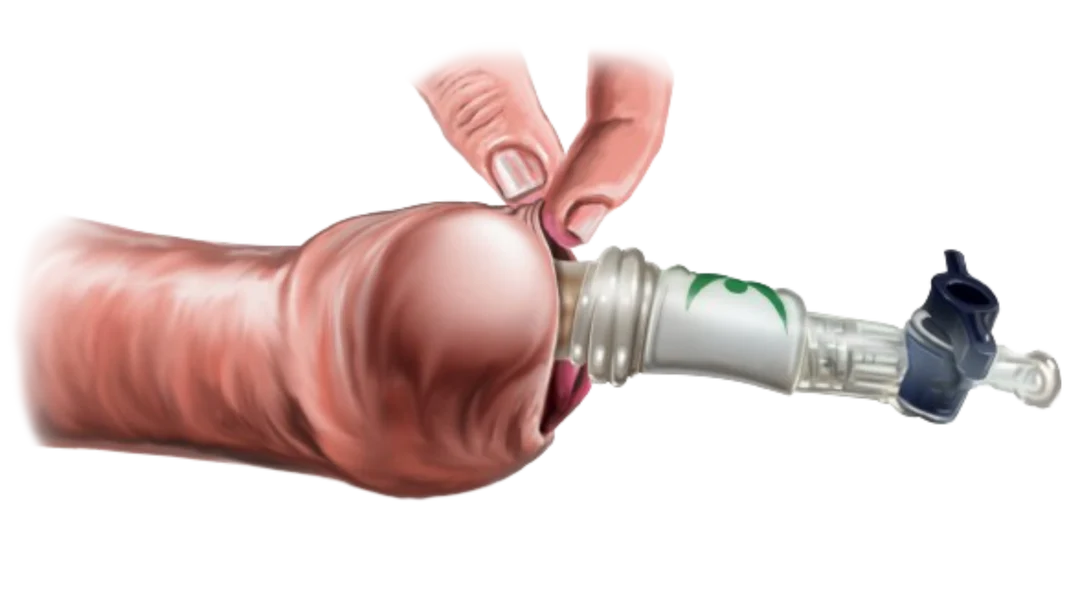
When I scan you with ultrasound, I specifically look for signs of Lichen Sclerosus. This is a skin condition that makes the skin whitish, thin and parchment-like tight. It’s a very common cause of sudden phimosis in adult men.
If I find any signs of this, it’s crucial that you get the right medical treatment, typically in the form of potent ointments via your doctor. But in parallel, I can help maintain the elasticity of the tissue and treat the pain the condition can cause. Surgery for phimosis in a patient with active, untreated Lichen Sclerosus can be complicated, which is why proper diagnosis before any procedure is essential for a good outcome.
If you recognize the symptoms – pain, cracks in the skin, difficulty retracting the foreskin or problems with intimate hygiene – don’t wait. It rarely goes away on its own, and the longer you wait, the more it takes a mental toll.
When you book an appointment with me at MS Insight, we start with a thorough assessment:
If surgery is the way forward, I’ll prepare you for the conversation with your doctor. And most importantly: I’m here to help you on the other side, so you can retrain your pelvic floor, treat any scar tissue and get your erection back on track.
It can feel like a big and vulnerable step to let someone else look into your most private area, especially when it’s not working as it should. But I meet you exactly where you are – without prejudice, with experience and at eye level. My mission is to make sure you get the right help, whether it requires a scalpel or a focused effort here in the clinic.
Surgery for phimosis can be the start of a new life without pain. But it often takes more than just a surgical incision to make a full recovery – especially if you’ve had the problem for a long time.
If you are interested in hearing more about how I can help you, you are always welcome to contact me by phone 41 40 08 58 or email michael@msinsight.dk. I’ll get back to you quickly with a customized proposal so we can find the best way forward together.