

A relationship without sex can feel lonely and frustrating, but it’s far from an insurmountable condition. I know how physical challenges like erectile dysfunction, pain or performance anxiety can create distance and insecurity. As you read on, you’ll gain insight into the causes and concrete solutions that, with modern treatment and support, can restore intimacy, boost your self-esteem and bring closeness back into your life.

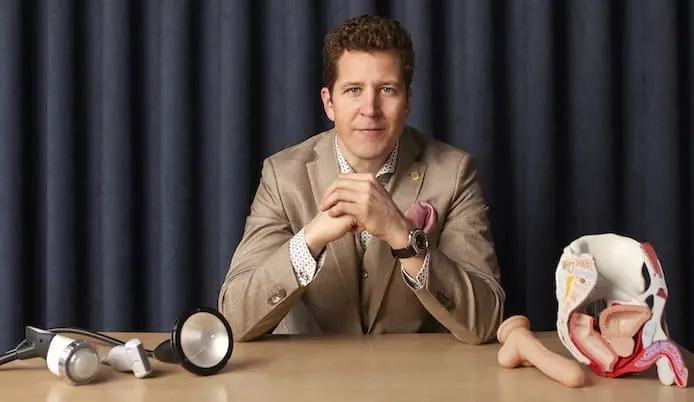
International speaker & expert in shockwave and EMTT treatment for erectile dysfunction, peyronies & CPPPS.
Living in a relationship without sex is often associated with a deep sense of loneliness, frustration and insecurity. It’s a topic we rarely talk about out loud, but the fact is that many men experience periods – sometimes for years – where intimacy disappears from the relationship. When sex stalls, it’s rarely a sign of a lack of love, but very often a symptom of underlying physical or mental challenges that have been allowed to fester in silence.
In my clinic, MS Insight, I meet men every day who have withdrawn from sexual intimacy. Not because they don’t want their partner, but because their body doesn’t cooperate or because the fear of failure overshadows their desire. It could be erectile dysfunction, pelvic pain or curvature of the penis that starts the negative spiral. My job is to help you understand the causes and – most importantly – give you the tools and treatment to regain intimacy and closeness.
A sexless relationship rarely happens overnight. It’s typically a smooth transition where the frequency decreases, the excuses increase, and the physical distance increases. In order to change the situation, I need to help you understand the mechanisms behind it.
Many people mistakenly believe that men always want sex and that the “machine” always works. When the desire is absent or the ability fails, it can cause great confusion for both the man and his partner. My experience clearly shows that a relationship without sex is often due to a combination of physiological barriers and the psychological defense mechanisms that come with it.
One of the most common reasons men withdraw from sex is physical dysfunction. If you experience erectile dysfunction (erectile dysfunction), sex quickly becomes associated with defeat rather than pleasure. The same is true if you suffer from Peyronie’s disease(crooked penis) or chronic pelvic pain (CPPS). Pain during erection or ejaculation is the most effective way to kill desire.
When your body isn’t functioning properly or when intimacy is associated with physical discomfort, it’s a natural reaction to avoid the situation. You might start going to bed later than your partner, or you might consciously avoid physical touch in everyday life because you’re afraid it will set the stage for sex that you don’t feel you can complete.
Physical problems almost always lead to psychological reactions. Performance anxiety is a massive factor in a relationship without sex. If you’ve ever experienced an erectile dysfunction, it’s a fear that sticks in the back of your mind. The next time the opportunity for sex presents itself, you’re not present in the pleasure, but in your head, monitoring your own body: “Is it working now?”.
This state of stress triggers adrenaline, which is biologically the direct opponent to an erection. The result is another failed experience, which only confirms your fears. Eventually, it feels easier to avoid sex altogether to escape the shame and feelings of inadequacy. This is exactly where the sexless relationship becomes a reality.
When sex disappears, a vital part of the glue in the relationship often disappears too. Sex is not just physical release; it’s a unique form of communication, affirmation and closeness. In a relationship without sex, both partners can end up feeling rejected, unloved and lonely together.
For you as a man, it can take a toll on your self-esteem and sense of masculinity. Many of the men I treat describe a feeling of being “broken” as a man. This can lead to mood swings, depression and an overall reduced quality of life that extends far beyond the bedroom. It’s therefore crucial to address the problem – not just for the sake of the relationship, but for your own overall wellbeing.
The short answer is no. A relationship without sex doesn’t have to be the end, nor is it a permanent state you have to accept if you don’t want it. It’s a signal that something needs to be adjusted. However, it takes courage to break the silence and seek professional help.
I find time and time again that when we address the physical issues – for example by treating erectile dysfunction or eliminating pelvic pain – the energy and desire return. When you regain confidence in your own body, you dare to take initiative again. It’s about removing the physical obstacles that have created the mental distance.
At MS Insight, I work from a holistic approach. I know that we can’t separate mind and body. That’s why I offer a program that addresses both the physiological causes and the mental barriers you’ve built up.
When you come to me, we always start with a thorough conversation and examination. I use advanced ultrasound scanning to look at the blood flow and tissue condition of the penis and pelvic floor. This gives us concrete answers rather than guesswork. Are there any calcifications? Is there scar tissue? What do the blood vessels look like? This knowledge is essential to create the right treatment plan for you.
If I think there may be hormonal imbalances or other systemic diseases (such as diabetes or cardiovascular disease) at play, I’ll guide you on exactly what blood tests and investigations you should ask your GP to perform. I’ll equip you to have that dialog so that we have all the pieces of the puzzle.
To treat the physical challenges, I use the most effective technologies on the market. One of my core treatments is focused sound waves (shockwave). By sending the sound waves precisely into the tissue, we can stimulate the formation of new blood vessels (angiogenesis), break down any scar tissue and reactivate nerves. It’s a painless treatment that effectively addresses the physical root causes of erectile dysfunction and pain.
I often combine this with EMTT (electromagnetic transduction therapy) and neuromodulation, which works at the cellular level to reduce inflammation and pain and normalize nerve function. The combination of these technologies and my professional lifestyle and sexuality counseling provides the absolute best conditions for breaking the pattern of a sexless relationship.
Treatment in the clinic is a big part of the solution, but your own efforts are also important. Here are three tips if you’re in a sexless relationship and want to change:
It’s more common than most people think. Studies show that a significant proportion of long-term relationships experience periods of no or very little sex. But just because it’s ‘normal’ or common doesn’t mean you have to thrive on it if it’s affecting your quality of life and happiness.
It’s a fear many men have, but it’s rarely the main cause. Erectile dysfunction is usually physical (blood vessels, nerves, hormones) or due to performance anxiety. Lack of desire is often a consequence of the problems, not the cause of them.
You should seek help when your lack of sex life is bothering you, creating distance in your relationship, or if you experience physical symptoms such as erectile dysfunction, pain or urinary problems. The sooner you seek help, often the easier it is to treat the cause.
Living in a relationship without sex can feel stuck and hopeless, but there is help available. At MS Insight, I meet you at eye level, without prejudice and with deep professionalism. I know it takes a lot of effort to book the first appointment, but I also know how much of a relief it is when you start to see results and feel progress.
If you are interested in hearing more about how I can help you, you are always welcome to contact me by phone 41 40 08 58 or email michael@msinsight.dk. I’ll get back to you quickly with a customized proposal so we can find the best way forward together.
I will get back to you within 12-24 hours.
Are you unsure about what’s causing your symptoms, or whether a specialized treatment program at our clinic in Copenhagen would be right for you? If so, you can start with a brief, confidential consultation. During this consultation, we’ll assess whether your symptoms align with the areas I specialize in at MS Insight and determine what the next appropriate step might be.
The initial consultation is not a full consultation, diagnosis, or treatment plan. It is intended for those who would like a thorough assessment of whether it makes sense to proceed with a more in-depth examination, an ultrasound scan, and a personalized plan at our clinic in Copenhagen.